The traditional landscape of tech product launches is undergoing a profound transformation. For decades, the tech industry’s premier events were the exclusive domain of journalists, analysts, and institutional media. Today, those red carpets are increasingly being rolled out for a new breed of tastemakers: the content creator. As Apple prepares for its upcoming "Pro and Tell" event, it has become clear that the Cupertino-based giant, like many of its competitors, is pivoting toward a creator-first strategy to maintain market relevance and brand affinity.
The Evolution of the Apple Event
Historically, an invitation to an Apple event was considered the pinnacle of tech journalism. It was a formal, buttoned-up affair where trade press and major tech outlets gathered to witness the unveiling of the latest hardware. However, recent developments suggest a shift in strategy. Bloomberg’s Power On podcast recently confirmed that Apple has extended invitations to a curated group of influencers for its "Pro and Tell" product experience in Los Angeles. These packages are comprehensive, including business-class travel, luxury hotel accommodations, and, perhaps most significantly, direct access to the company’s executive leadership, including new CEO John Ternus.
This approach is not a sudden departure but the acceleration of an existing trend. The trajectory of Apple’s creator engagement can be traced back to March 2025, when the company invited a cohort of student creators to a pilot event in Los Angeles, internally referred to as "Apple Campus." The success of that experiment, which fostered organic, high-engagement content, provided the blueprint for subsequent gatherings. By January 2026, the company hosted an "Apple Experience" in conjunction with the launch of Apple Creator Studio, a subscription-based software suite designed to streamline professional-grade video, audio, and image production.
Chronology of Creator Integration
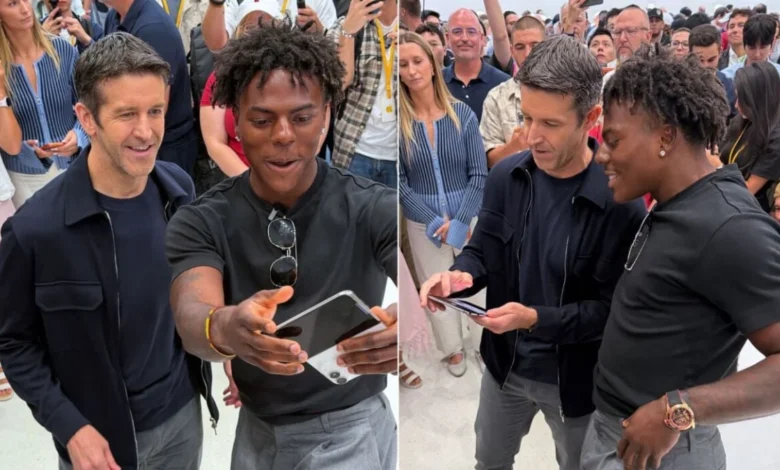
The integration of influencers into the Apple ecosystem has been marked by several high-profile appearances. During the September 2026 iPhone launch event, the livestreamer IShowSpeed garnered over six million views on a single video, largely due to a segment where he performed a backflip while presenting an iPhone Duo to CEO John Ternus. This stunt-driven, high-energy content provides a stark contrast to the traditional, polished keynotes of the past.
Similarly, the presence of figures like MrBeast—who attended the previous year’s event alongside former CEO Tim Cook—signals a deliberate shift toward platforms where younger demographics spend their time. These events are no longer just about communicating technical specifications to experts; they are about manufacturing viral moments that translate into brand sentiment among the digital-native generation.

The Industry Standard: A Broader Shift
Apple’s move is part of a wider industry migration. Major competitors, including Samsung and Google, have long utilized "brand trips" as a core component of their marketing strategy. Samsung’s "Team Galaxy" initiative regularly brings hundreds of creators from around the world to its major product launches, providing them with exclusive access, hands-on demonstrations, and the resources to produce professional content on-site.
Industry analysts observe that this is no longer an outlier behavior; it is the industry standard. As Bloomberg’s Chris Welch noted, these companies cover travel and expenses as a routine line item in their marketing budgets. The shift is not merely about logistics, but about the control of the narrative. Unlike journalists, who are trained to scrutinize, challenge, and fact-check, creators are often viewed by brands as more malleable partners who are incentivized to amplify the brand’s messaging in a way that feels authentic and personal to their specific audiences.
The Economics of Influence
The financial logic behind this investment is rooted in changing consumer behavior. According to data from Deloitte, approximately 70 percent of U.S. consumers who regularly follow creators report a high level of loyalty to those individuals. More importantly, nearly 60 percent of those consumers have confirmed that they have made a purchase primarily due to a creator’s endorsement or sponsorship within the last six months.
This conversion rate is difficult for traditional advertising to replicate. Consequently, AI companies, which often struggle with public skepticism regarding the ethical and environmental impacts of their technology, have been particularly aggressive in courting this segment. Companies like Anthropic and OpenAI have treated influencer relations as a strategic pillar, hiring specialized talent to manage these partnerships. For example, OpenAI’s hiring of former Instagram executive Charles Porch as its first vice president of global creative partnerships underscores the company’s commitment to this channel.
The Controversy of the "Brand Trip"
Despite the clear benefits to brands, these partnerships are not without risk. In August 2026, an OpenAI-sponsored retreat to a luxury resort in the Hudson Valley faced significant public backlash. While the content posted by attendees featured high-end amenities and professional production, the optics of hosting an AI-focused event in a pristine natural setting created a narrative disconnect for many observers. Social media users and online communities, particularly on platforms like Reddit, heavily criticized the event, pointing to the environmental costs of large-scale AI data centers compared to the "nature-positive" marketing of the trip.
This incident highlights the precarious position of the modern creator. While these trips offer significant financial incentives—with sponsorships for mid-tier creators often ranging from $5,000 to $30,000 per deal—they also expose the creator to intense scrutiny from their audience. Some creators, such as Jack the Whipper, have publicly declined high-value deals over ethical concerns, proving that the creator economy is not a monolith of blind brand advocacy.

Analytical Implications
The move toward influencer-centric events suggests a fundamental shift in how corporations view "truth" and "authority." In the past, the media acted as the primary gatekeeper for product information. Today, the brands have successfully bypassed the gatekeeper, opting for a model of distributed influence.
While journalists are tasked with the "how" and "why"—often asking difficult questions about software ecosystems, privacy, and long-term sustainability—influencers are primarily tasked with the "what." They showcase the product in use, framing it within the context of their own lifestyle. This strategy offers brands significant insulation from critical inquiry, as the focus of the content is shifted from objective performance metrics to subjective user experience.
However, the risk remains that if the brand experience becomes too sanitized or overtly promotional, it may eventually alienate the very audiences the brands are trying to reach. Authenticity is the primary currency of the creator economy; once that is perceived to be lost to corporate interests, the value of the endorsement declines rapidly.
Conclusion
As we look toward the conclusion of 2026, it is clear that the tech landscape is inextricably linked with the creator economy. Apple’s "Pro and Tell" event is simply the latest manifestation of a reality where product launches are as much about content creation as they are about the products themselves. For companies, the strategy is sound: leverage the trust that creators have spent years building with their audiences. For creators, the challenge is to balance the lucrative opportunities provided by these tech giants with the integrity required to maintain their audience’s trust. As the line between journalism, marketing, and entertainment continues to blur, the ultimate arbiter of success will remain the consumer, who continues to decide which voices to trust in an increasingly noisy digital marketplace.