Apple iPhone Duo Foldable Launch Marred by Early Hinge Failures and Durability Concerns

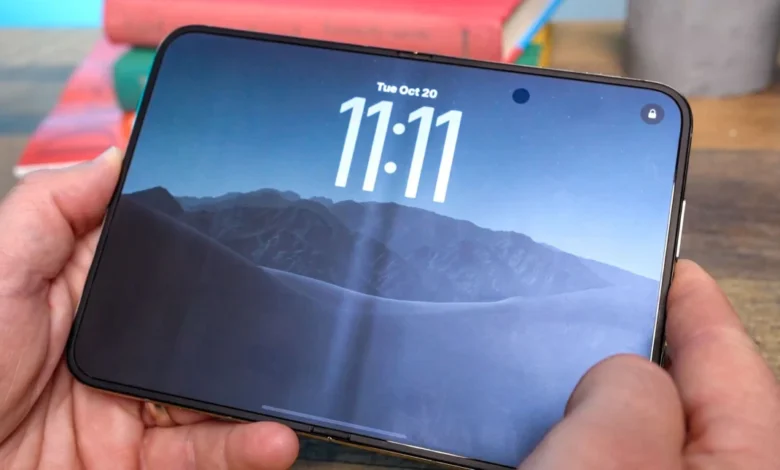
Apple’s highly anticipated entry into the foldable smartphone market, the newly released iPhone Duo, is facing a wave of early user backlash and hardware complaints just days after hitting store shelves globally. Priced at a premium starting point of $2,000, the flagship device was positioned by Apple as the ultimate culmination of years of research and development in flexible display technology. However, early adopters across the United States, Europe, Australia, and Asia have quickly taken to social media platforms, tech forums, and consumer advocacy sites to report catastrophic structural failures. Specifically, a significant number of units are experiencing inner display cracks running vertically along the central hinge mechanism, rendering the screens unusable within hours of unboxing.
The emergence of these hardware defects poses a substantial reputational and financial challenge for Apple. As the Cupertino-based tech giant enters a market long dominated by competitors like Samsung, Google, and OnePlus, reliability is paramount. The foldable phone segment has historically fought an uphill battle to convince mainstream consumers of its durability. While competitors have spent nearly a decade refining hinge designs, ultra-thin glass, and protective display coatings, Apple’s debut device is now facing rigorous scrutiny. The rapid appearance of catastrophic failures so early in the product lifecycle threatens to undermine consumer confidence in Apple’s first-generation folding architecture.
Anatomy of the Defect: What Users Are Experiencing
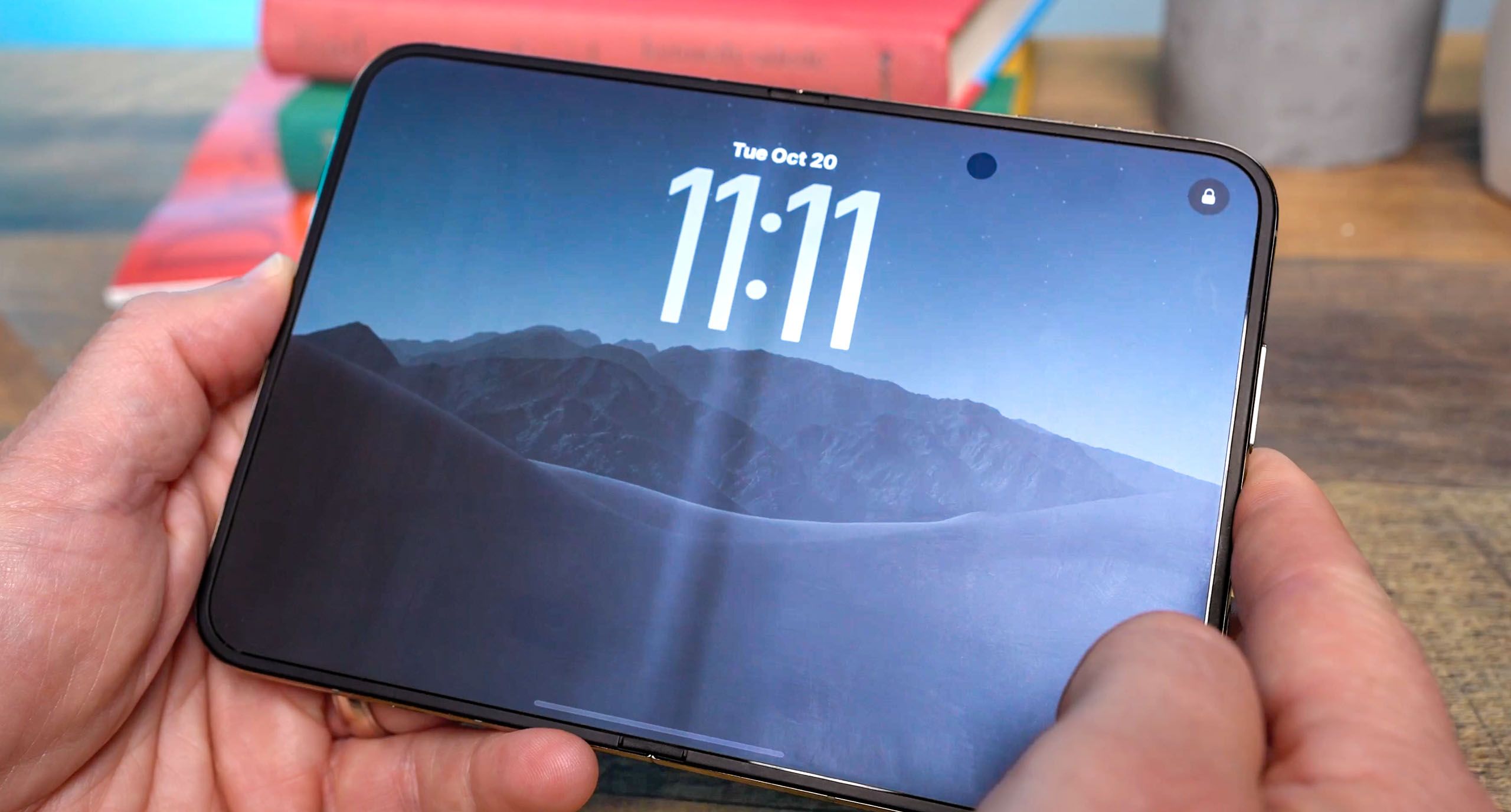
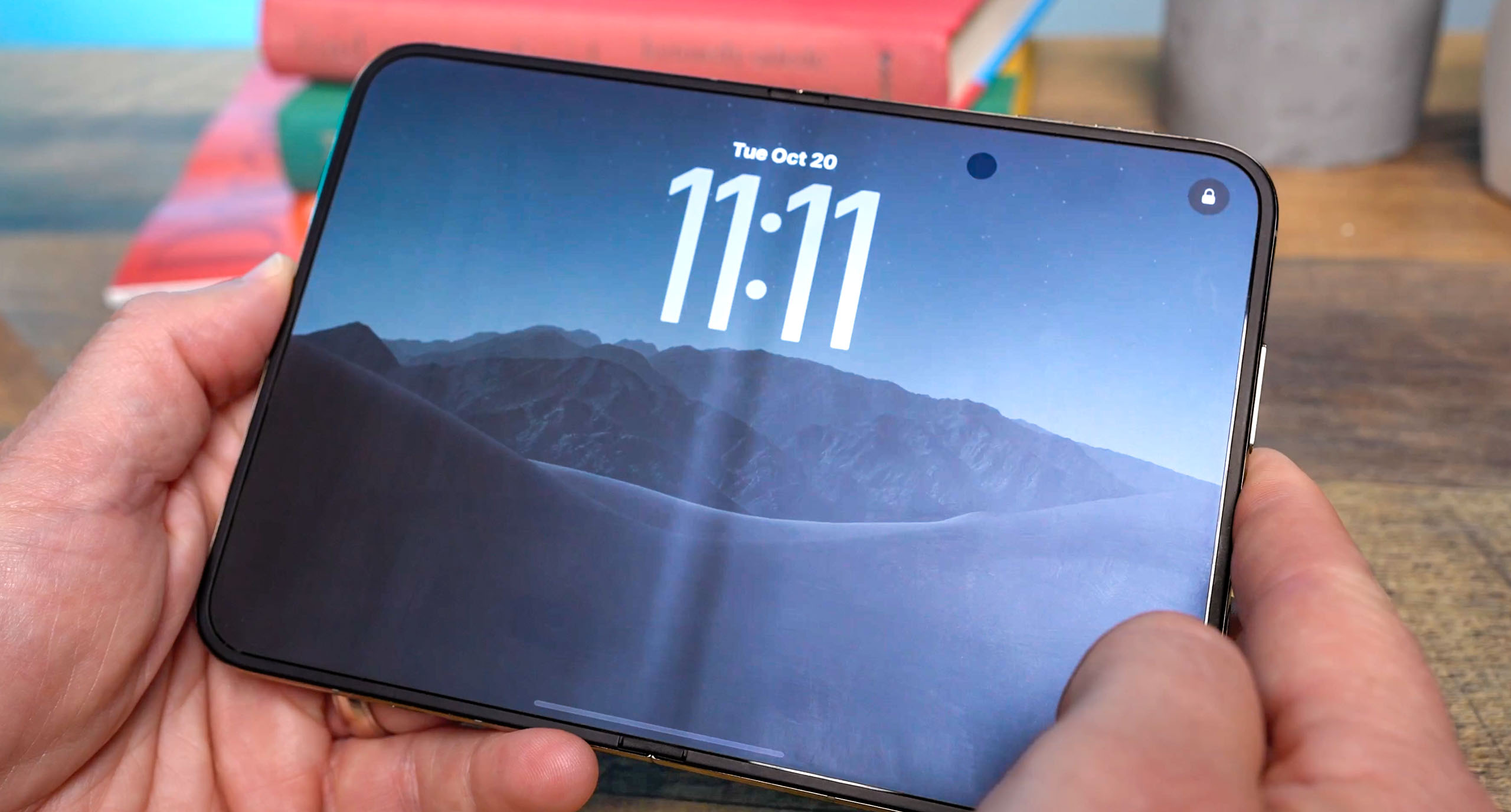
Reports circulating on major online communities, such as Reddit’s dedicated iPhone Duo forum, paint a troubling picture of systemic hardware vulnerability. Users note that the inner flexible organic light-emitting diode (OLED) display is prone to fracturing vertically from the top edge to the bottom edge, directly centered over the folding crease. This fracture point coincides precisely with the mechanical stress zone where the device bends.
In many documented cases, the physical crack triggers a cascading pixel failure, manifesting as a persistent, high-intensity bright white or green line running parallel to the hinge on either the left or right side of the active display area. Furthermore, affected consumers report that the display completely ceases touch responsiveness in the zones adjacent to the fracture, effectively transforming a $2,000 pocket computer into an expensive paperweight.
The speed at which these defects manifest has alarmed both consumers and industry analysts. Multiple early buyers have reported hearing an audible cracking sound during normal, everyday use. One user in Australia documented that their display fractured after approximately six hours of ownership, during which the phone had been opened fewer than twenty times. Because these reports span multiple international markets, supply chain experts have ruled out localized shipping damage or climate-specific storage issues, pointing instead toward a broader manufacturing or design oversight.
Independent Stress Tests Expose Engineering Weaknesses
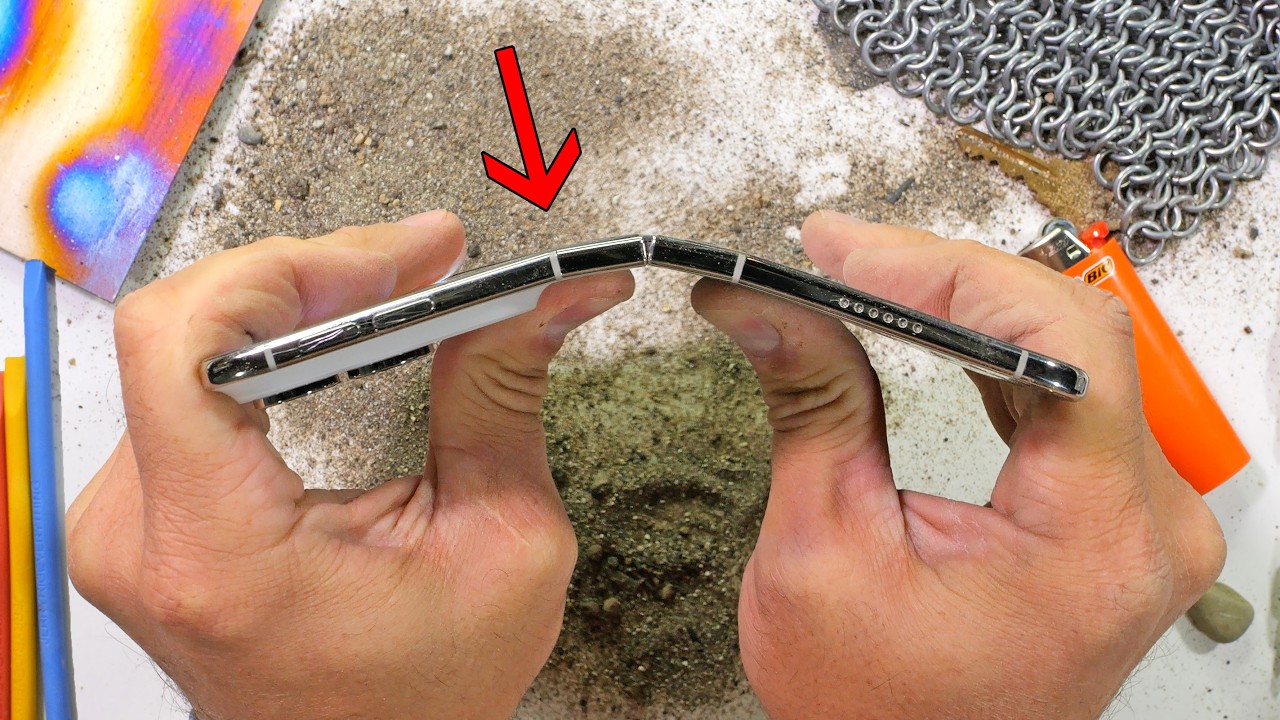
The consumer complaints have been corroborated by independent durability evaluations conducted by prominent technology stress-testers. Notably, Zack Nelson, the creator of the popular YouTube channel JerryRigEverything, subjected the iPhone Duo to a battery of rigorous physical stress tests shortly after its commercial release. The results were concerning for a device positioned at the absolute pinnacle of mobile pricing.
Despite Apple marketing the iPhone Duo with an official IP68 rating for dust and water resistance, Nelson’s teardown and durability evaluation revealed significant vulnerabilities in the hinge’s sealing mechanism. Fine particulate matter and dust particles successfully breached the protective barriers, lodging within the internal gear tracks and overpowering the internal alignment magnets designed to keep the phone securely closed when not in use.
Additionally, when subjected to standard structural bend and twist tests—designed to simulate the accidental pressures of being carried in a tight pocket or bag—the internal display suffered immediate, irreparable damage. A permanent green line manifested across the panel before the touch digitizer completely failed.
Comparisons between the outer and inner displays further highlight the disparity in materials. The outer cover screen, protected by Apple’s proprietary Ceramic Shield 2 formulation, demonstrated robust resistance to daily abrasions, holding firm against scratching until reaching level 7 on the Mohs hardness scale. Conversely, the inner flexible screen scratched easily at a level 2, with deep grooves produced simply by fingernail pressure. While the inner screen features a specialized matte nano-texture coating designed to cause minor scuffs to seemingly disappear over time, this software-adjacent cosmetic feature proved entirely insufficient to protect the underlying structural integrity of the delicate polymer and glass substrate layer.
Apple’s Customer Service Response and Replacement Logistics
In response to the sudden influx of hardware failures, Apple’s retail and customer support divisions have scrambled to manage customer expectations and logistics. Initial reports from early adopters who contacted Apple’s telephone support line indicated that standard operating procedure involved processing express hardware replacements. However, this process required customers to place a temporary financial authorization hold on their credit cards for the full retail price of the $2,000 handset while awaiting shipment, with no definitive delivery timeline provided.
Recognizing the friction this policy caused for day-one buyers experiencing catastrophic hardware failure through no fault of their own, Apple appears to have pivoted its retail strategy. Several consumers who chose to bypass telephone support and visit physical Apple retail stores reported a much more accommodating experience. Store managers and Genius Bar technicians have reportedly been authorized to inspect the damaged units on-site and replace them immediately with brand-new retail boxes, provided the device shows no signs of external drop damage or user-inflicted abuse.
This rapid in-store swapping suggests that Apple anticipated a certain margin of early manufacturing defects and allocated specialized stock directly to retail storefronts to mitigate negative publicity. Nevertheless, the necessity of replacing brand-new flagship devices on launch day highlights the immediate logistical hurdles facing the company’s supply and service chains.
Industry Background and the Evolution of Foldable Technology
To understand the significance of the iPhone Duo’s rocky debut, one must examine the broader historical context of the foldable smartphone category. When Samsung launched the original Galaxy Fold nearly seven years ago, it suffered a remarkably similar fate. Review units and early consumer models experienced widespread hinge failures, screen delamination, and particulate ingress, forcing Samsung to delay its commercial release by several months to completely re-engineer the hinge housing and protective screen borders.
Over the subsequent years, major Android original equipment manufacturers (OEMs)—including Samsung with its Z Fold and Z Flip series, Google with the Pixel Fold, OnePlus, and various Chinese brands like Honor, Vivo, and Oppo—pushed through successive generations of iterative design. They successfully minimized the visible crease, improved multi-layer screen durability, and introduced complex water-drop hinge geometries that relieve stress on the ultra-thin glass (UTG) layer when closed.
Apple, known historically for its conservative approach to adopting nascent hardware categories, waited on the sidelines until it believed the technology had matured sufficiently. The company’s delay was widely interpreted by analysts as a strategic move to let competitors absorb the growing pains of early engineering hurdles. The unexpected failure of the iPhone Duo to withstand basic durability standards—outperforming older Android foldables—has therefore come as a shock to the broader consumer technology ecosystem.
Consumer Rights, Warranties, and Return Policies
For consumers who have already invested in the iPhone Duo, navigating the immediate aftermath of these reports requires understanding available consumer protections. Under standard consumer law in most jurisdictions, and supported by Apple’s manufacturer warranty, any defect resulting from normal use and standard operation within the first year of ownership is fully covered for repair or replacement at no additional cost.
Furthermore, retail purchases made directly through Apple’s online and physical stores are subject to a standard 14-day return window. This policy allows early adopters who are experiencing buyer’s remorse or growing anxiety over potential long-term durability issues to return the handset for a full refund without incurring restocking fees. Industry analysts anticipate a temporary spike in returns over the next two weeks as cautious consumers monitor ongoing stress-test results and user forums for further evidence of systemic failure.
Broader Market Implications and Future Outlook
The long-term market implications of the iPhone Duo’s early durability woes extend far beyond immediate customer service headaches. As Apple’s first venture into a multi-form-factor device ecosystem, the success of the Duo was intended to validate foldable technology for millions of mainstream users who refuse to purchase non-Apple hardware. If the hinge and screen cracking issues prove to be widespread rather than isolated to a localized batch of manufacturing defects, Apple may face severe financial and brand-loyalty consequences.
Competitors in the Android space are watching developments closely. A misstep by Apple provides an opening for rival brands to reinforce their own technological maturity and market leadership in the flexible display sector. For the consumer, however, the situation serves as a sobering reminder of the physical limitations inherent in bending glass and complex micro-mechanics.
As more units reach consumers in the coming weeks, the tech industry will be closely monitoring failure rates, official statements from Apple corporate headquarters, and potential second-generation hardware revisions. Until Apple issues a definitive technical explanation or implements running changes on the manufacturing line, prospective buyers of the iPhone Duo are advised to exercise caution, consider purchasing extended AppleCare+ coverage with accidental damage protection, and keep a close eye on retail return deadlines.