Pinterest Overhauls Ads Manager Campaign Objectives to Streamline Advertiser Experience and Clarify Business Goals

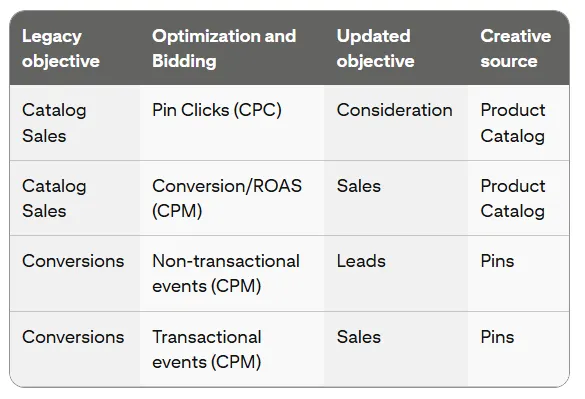
Pinterest has officially rolled out a series of nomenclature updates within its Ads Manager platform, redesigning several key campaign objectives to help marketers better align their digital strategies with concrete business outcomes. The visual discovery platform announced that terminology associated with specific ad goals—most notably under the umbrella of Conversions and Catalog Sales—is being restructured into more intuitive categories, including Leads, Sales, and Consideration, depending on the context of the campaign.
This strategic update is designed to remove ambiguity from the campaign setup process, making it significantly easier for both veteran media buyers and novice advertisers to understand the functional purpose of each ad type. By bridging the gap between platform mechanics and real-world commercial metrics, Pinterest aims to foster a more accessible advertising ecosystem. Crucially, the platform has assured its global user base that the backend technical performance, delivery algorithms, and ramp-up times for creative assets will remain entirely unaffected by the naming transition.
Understanding the New Objective Architecture
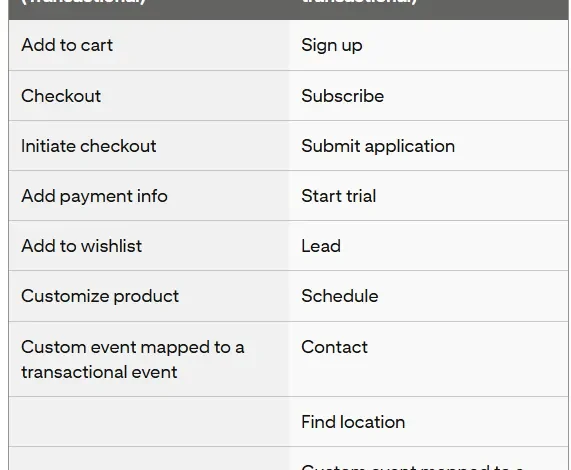
To alleviate confusion during campaign creation, Pinterest has published detailed definitions outlining the operational scope of each updated objective. According to official platform documentation, Leads campaigns are specifically engineered to drive non-transactional customer engagements, such as newsletter sign-ups, event registrations, webinar attendance, or downloadable resource acquisitions.
Conversely, Sales campaigns are strictly tailored toward generating direct transactional outcomes. These encompass a broad array of e-commerce milestones, including adding items to a digital shopping cart, initiating the checkout process, and completing final purchases. By delineating these goals clearly, Pinterest hopes to eliminate the guesswork that previously accompanied broader terms like Conversions, which often conflated soft lead generation with hard retail sales.
Furthermore, the updated framework provides clearer guidance on Consideration-focused objectives, which are built to boost brand awareness, increase platform engagement, and drive high-intent web traffic back to an advertiser’s primary destination. This structured methodology mirrors similar adaptations seen across competing social commerce and digital advertising networks, which have increasingly prioritized semantic clarity to accommodate a broader spectrum of small-to-medium-sized businesses (SMBs) lacking dedicated programmatic media teams.

Migration Timeline and Legacy Support
Recognizing that many brands maintain active, long-standing campaigns under the legacy framework, Pinterest has established a generous grace period to facilitate a seamless transition. Advertisers are not required to immediately overhaul their entire account structures.
According to the platform’s technical rollout schedule, existing Conversions and Catalog Sales campaigns will remain fully functional and editable until April 30, 2027. This extended timeline—spanning multiple years—ensures that brands running complex, evergreen, or multi-phase promotional cycles will not experience abrupt disruptions to their marketing workflows. However, once the April 30, 2027 deadline passes, all remaining legacy campaigns will be automatically archived by the system, necessitating a complete migration to the new objective taxonomy.
Industry Context and the Evolution of Social Commerce
The decision by Pinterest to simplify its Ads Manager nomenclature arrives at a pivotal juncture in the digital advertising landscape. Over the past several years, Pinterest has aggressively transformed itself from a digital inspiration board into a powerhouse for social commerce. By integrating shoppable Pins, visual search capabilities, and native checkout features, the platform has attracted a diverse array of enterprise retailers and direct-to-consumer (DTC) brands.
However, as ad inventory has expanded, user acquisition costs and campaign complexities have also risen. Advertisers frequently voice frustration regarding the steep learning curves associated with navigating sophisticated programmatic dashboards. Platform usability has consequently become a major competitive differentiator. By adopting clearer, intent-driven terminology, Pinterest is directly addressing friction points that have historically deterred smaller merchants from allocating meaningful budgets to the platform.
This strategic pivot aligns with broader industry trends. Over the past half-decade, major digital advertising ecosystems—including Meta, Google, and TikTok—have similarly initiated massive overhauls of their automated campaign structures. These platform-wide updates, often characterized by automated bidding strategies and simplified campaign architectures, are designed to democratize access to advanced algorithmic targeting. By reducing the number of manual configuration steps and focusing heavily on overarching business objectives rather than granular technical settings, platforms empower algorithms to optimize performance more efficiently.
Strategic Implications for Advertisers and Agencies
While Pinterest has emphasized that the recent update is purely semantic and will not disrupt immediate campaign delivery metrics or algorithmic learning periods, digital marketing agencies and internal brand teams must still update their standard operating procedures.
Media buyers will need to revise internal documentation, reporting templates, and client-facing presentations to reflect the new terminology. Furthermore, strategic planning sessions must account for the ultimate deprecation of legacy campaign types by mid-2027. Although three years represents a substantial runway, digital strategists recommend proactively testing the newly named Leads and Sales objectives in current campaigns to familiarize teams with the updated interface and reporting structures.
For direct-to-consumer brands heavily reliant on catalog-driven advertising, the transition offers an opportune moment to audit existing product feeds, pixel integrations, and conversion tracking mechanisms. Ensuring that events are properly mapped to the updated Sales objective parameters will guarantee optimal data flow and attribution accuracy as the platform phases out older configurations.
Looking Ahead: The Future of Pinterest Advertising
As Pinterest continues to refine its monetization infrastructure, user experience improvements within Ads Manager are expected to remain a core priority. The platform’s ability to successfully monetize its highly intentional user base—consumers who frequently visit the site with pre-purchase mindsets—hinges heavily on the friction-free execution of ad campaigns.
By continuously lowering the barrier to entry for advertisers while simultaneously enhancing the precision of outcome-based optimization, Pinterest is positioning itself as an indispensable channel within omnichannel retail strategies. The renaming of these campaign objectives, though outwardly modest, represents a critical foundational step in ensuring that the platform’s tools remain scalable, intuitive, and aligned with the evolving needs of the global marketing community.
Related posts: