Why Steve Jobs famously rejected the touchscreen MacBook and why Apple is finally changing its mind

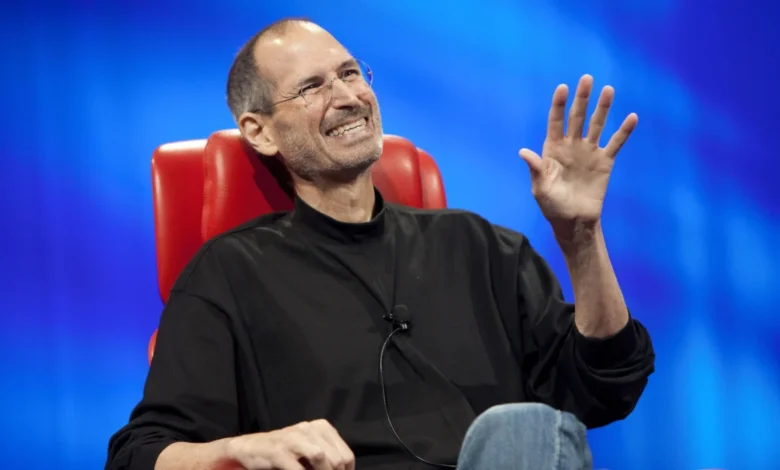
The late Apple co-founder Steve Jobs was a visionary defined as much by what he refused to build as by what he eventually brought to market. Throughout the late 2000s, as the personal computer industry scrambled to adapt to the rise of tablet computing and mobile interfaces, Microsoft and various hardware manufacturers aggressively pushed touchscreen integration into traditional laptop form factors. While competitors like HP championed the "TouchSmart" line as the inevitable future of computing, Jobs remained staunchly opposed to the concept, famously dismissing it as an ergonomic failure that would fundamentally degrade the user experience. For over a decade, this philosophy became a cornerstone of Apple’s design language—a stance that is only now, under the pressures of evolving hardware capabilities and shifting consumer expectations, beginning to erode.
The Back to the Mac Manifesto
The definitive moment of this philosophical divide occurred during the October 2010 "Back to the Mac" media event at Apple’s Cupertino headquarters. While the primary purpose of the gathering was to introduce the public to Mac OS X 10.7 Lion, the presentation served as a platform for Jobs to articulate his vision for the future of desktop and laptop interaction.
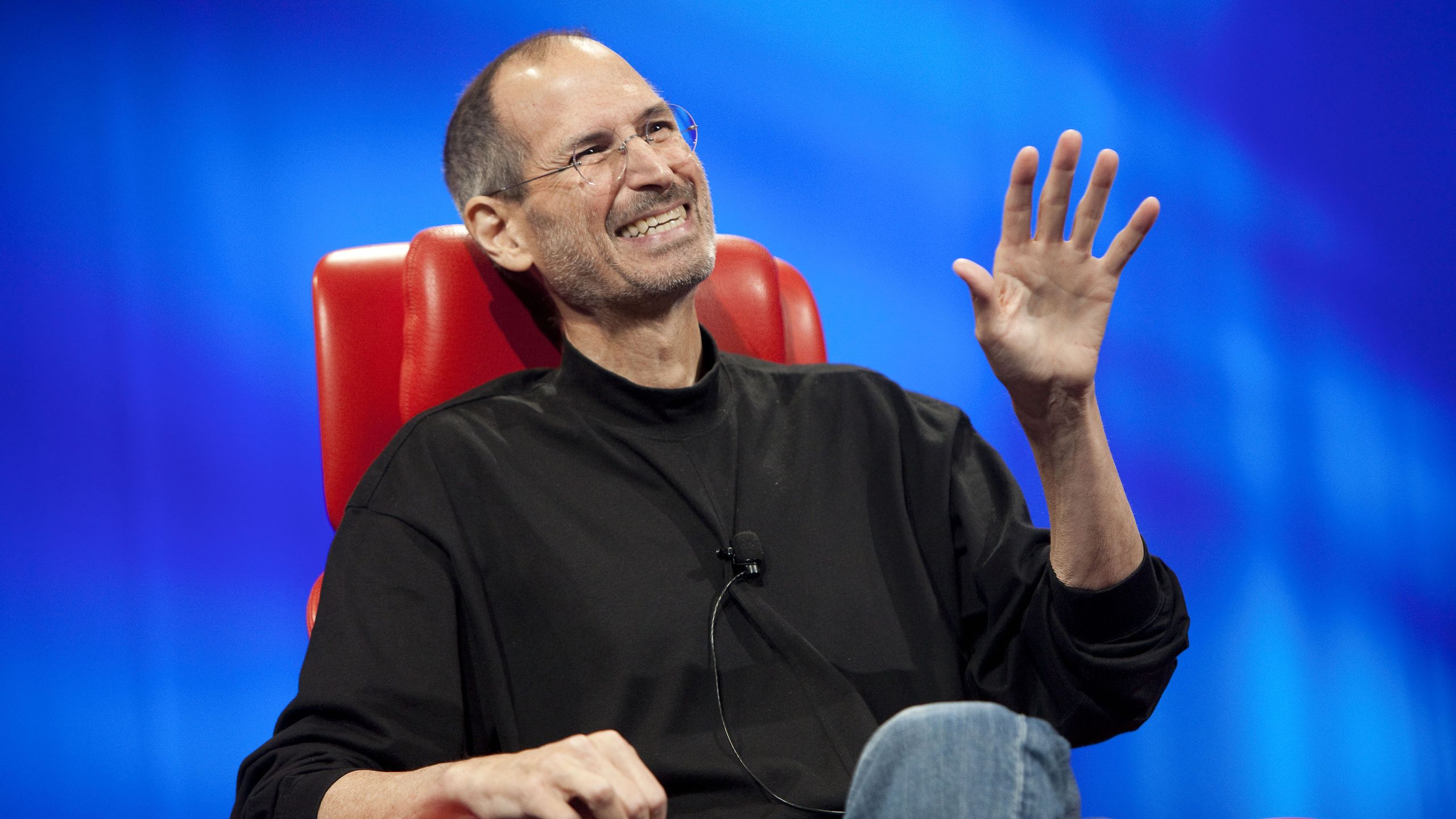
During the Q&A session, Jobs addressed the growing industry trend of vertical touchscreen displays. His critique was blunt: "Touch surfaces don’t want to be vertical." He argued that while touch interfaces were revolutionary for mobile devices like the iPhone and iPad, the physics of a laptop screen created an inherent problem. He explained that after a short period of use, a user’s arm would experience "fatigue," and the interaction would become uncomfortable. Furthermore, he emphasized the loss of precision required for the granular tasks of professional desktop computing. Jobs famously remarked that "after an extended period of time, your arm wants to fall off and then it wants to retreat and do nothing."
Instead of forcing a touchscreen onto a vertical display, Apple doubled down on horizontal touch integration. The company invested heavily in the development of sophisticated glass trackpads that supported multi-touch gestures, allowing users to pinch, swipe, and zoom without having to reach across their keyboards to touch their screens. This, in Jobs’ estimation, was the "correct" way to bring touch-like fluidity to a desktop environment without sacrificing the comfort and precision of a traditional workstation.
A Timeline of Resistance and Experimentation
The history of the touchscreen debate within Apple is a narrative of controlled experimentation versus radical adoption. Following the 2010 declaration, Apple held its ground for several years, even as competitors like Lenovo, Dell, and HP flooded the market with 2-in-1 hybrid devices.
- 2010: Steve Jobs formally rejects the touchscreen laptop during the "Back to the Mac" event, citing ergonomic concerns.
- 2012: Microsoft launches Windows 8, an operating system explicitly designed to unify tablet and desktop experiences through a touch-first interface. The industry follows suit with a surge in touch-enabled ultrabooks.
- 2016: Apple introduces the MacBook Pro with the "Touch Bar"—an OLED strip above the keyboard intended to provide context-sensitive touch controls. Many analysts viewed this as a compromise, a way for Apple to offer touch interactivity without violating the "no touch screen" rule Jobs established.
- 2020: Apple transitions to its own M-series Silicon, drastically improving power efficiency and thermal performance. This change in architecture significantly narrowed the gap between the iPad and the Mac, leading to increased speculation about a hardware convergence.
- 2024–2025: Industry reports and supply chain leaks suggest that Apple is finally in the advanced stages of developing a touchscreen MacBook Pro, likely utilizing advanced OLED technology to minimize the weight and power constraints that previously made such a move impractical.
The Ergonomics of Interaction: Fact and Analysis
The resistance to touchscreen laptops was not merely a stubborn aesthetic choice; it was rooted in the ergonomics of the Human-Computer Interface (HCI). Studies in the field of ergonomics have long supported the "gorilla arm" phenomenon—a term coined in the early 1980s to describe the muscle strain caused by prolonged interaction with vertical touch surfaces.
In a professional setting, where users often spend eight to ten hours a day at a workstation, the repetitive motion of reaching out to a display can lead to repetitive strain injuries (RSI) and shoulder fatigue. Apple’s focus on the trackpad allowed for "input at the base," keeping the user’s wrists and forearms in a neutral, supported position.
However, the industry’s shift toward high-resolution touch displays and improved stylus support has changed the landscape. For creative professionals—the core demographic of the MacBook Pro—the ability to sketch, annotate, and manipulate objects directly on the screen has become an essential workflow. While Jobs viewed touch as an input for consumption, modern workflows view it as a necessary tool for creation.
Official Responses and Strategic Shifts
For years, Apple’s official stance remained that the iPad was the company’s "touchscreen computer," and the Mac was its precision workstation. Craig Federighi, Apple’s Senior Vice President of Software Engineering, echoed these sentiments in various interviews, stating that adding touch to the Mac would be "a step backward" rather than an evolution.
Yet, corporate strategy is never static. As the lines between tablet and laptop operating systems have blurred, Apple has quietly integrated features that bridge the gap. Technologies like "Sidecar," which allows an iPad to serve as a secondary display for a Mac, and the "Universal Control" feature, which allows a single mouse and keyboard to control both devices simultaneously, suggest that Apple recognized the demand for touch long before it decided to build a touch-enabled screen.
The recent pivot, according to supply chain analysts, is driven by market pressure and the ubiquity of OLED display technology. OLED panels are significantly thinner and more responsive than traditional LCDs, making them ideal for the digitizer layers required for touch input. By adopting OLED, Apple can introduce a touchscreen without significantly increasing the weight or thickness of the MacBook Pro chassis, effectively nullifying some of the technical arguments Jobs used to defend his original stance.
Broader Implications for the Future of Computing
The potential introduction of a touchscreen MacBook Pro represents more than just a change in hardware; it represents the closing of the "Jobsian" era of design philosophy. If Apple does move forward, it will mark a significant shift toward a hybrid computing model.
The implications for the enterprise market are substantial. Businesses that have standardized on the MacBook Pro for its ecosystem stability and performance may see new opportunities for field work and interactive collaboration. However, it also poses a design challenge for Apple’s software engineers. A touch-enabled Mac requires an interface that is as functional for a finger as it is for a mouse cursor. This means the macOS interface—currently built for pixel-perfect mouse interaction—will likely need to evolve to support larger touch targets and touch-specific gestures.
Ultimately, Steve Jobs’ refusal to adopt touchscreens in 2010 was a product of the limitations of the technology available at the time. By waiting until the hardware matured to a point where it could be implemented without compromising the "Mac experience," Apple has maintained its reputation for perfectionism. Whether or not this late entry into the touchscreen market will be viewed as an innovation or a concession will depend entirely on how seamlessly the company integrates the feature into its core workflow. As the tech industry continues to evolve, the shift suggests that even the most rigid philosophies are subject to the inexorable march of technological progress.