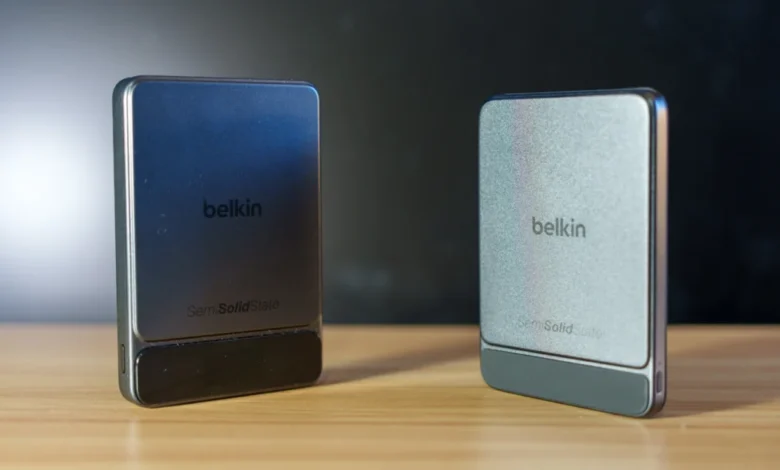
Belkin has officially expanded its portable power lineup with the introduction of two new semi-solid state battery banks designed specifically for the iPhone ecosystem. These new products, a 10,000mAh high-capacity unit and a 5,000mAh MagSafe-compatible power bank, represent a significant shift in mobile charging technology. By utilizing semi-solid state battery architecture, Belkin aims to address the two most persistent complaints among power bank users: excessive weight and bulky form factors.
The transition toward solid-state and semi-solid state energy storage is widely considered the next frontier in consumer electronics. Unlike traditional lithium-ion batteries that rely on liquid electrolytes, semi-solid state cells incorporate a gel-like, semi-solid electrolyte. This composition provides improved thermal stability, higher energy density, and a notable reduction in physical weight, as the internal components do not require the same heavy housing and spacing necessary for traditional, pressure-sensitive liquid cells.
The 10,000mAh High-Capacity Power Bank
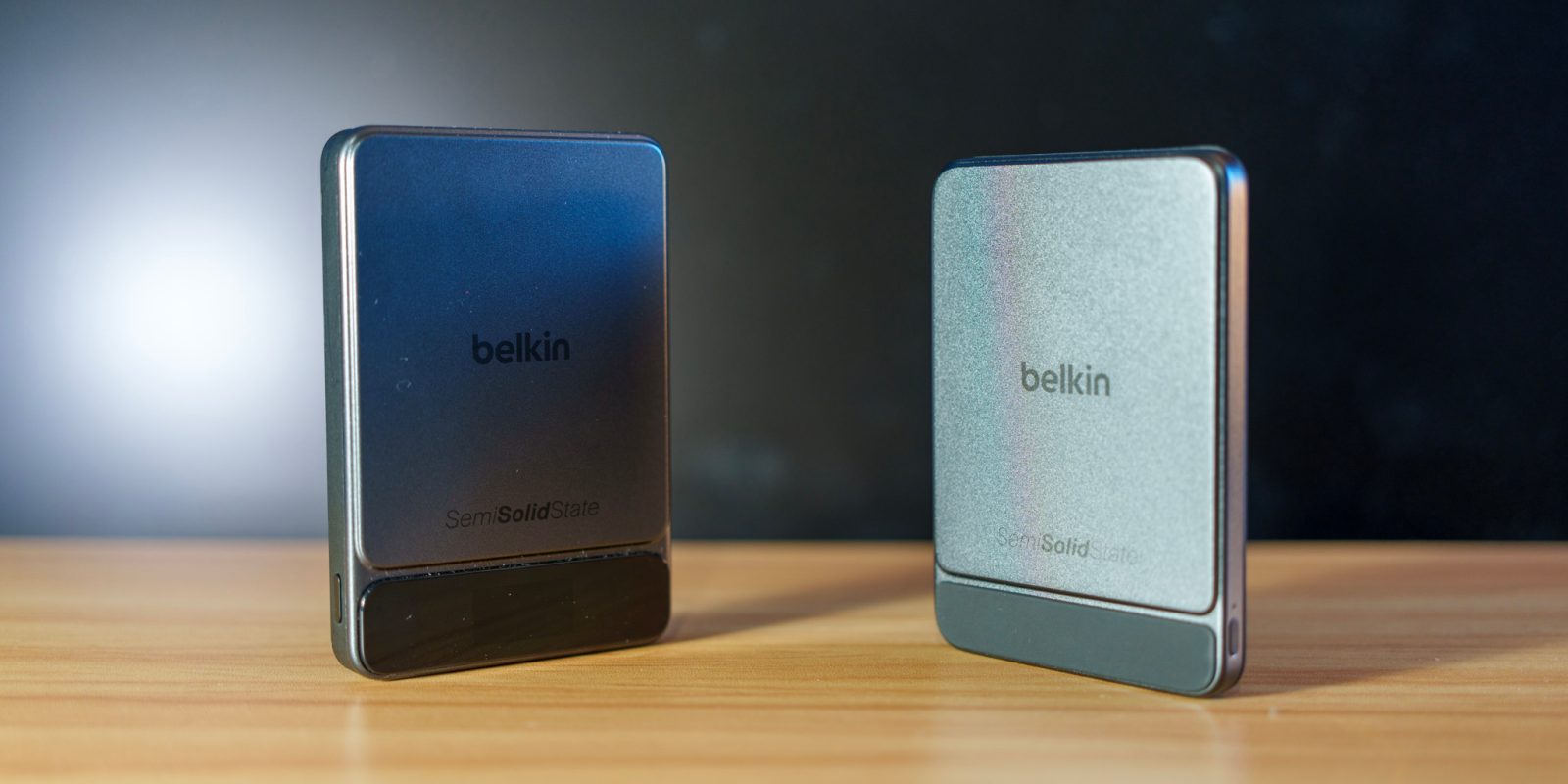
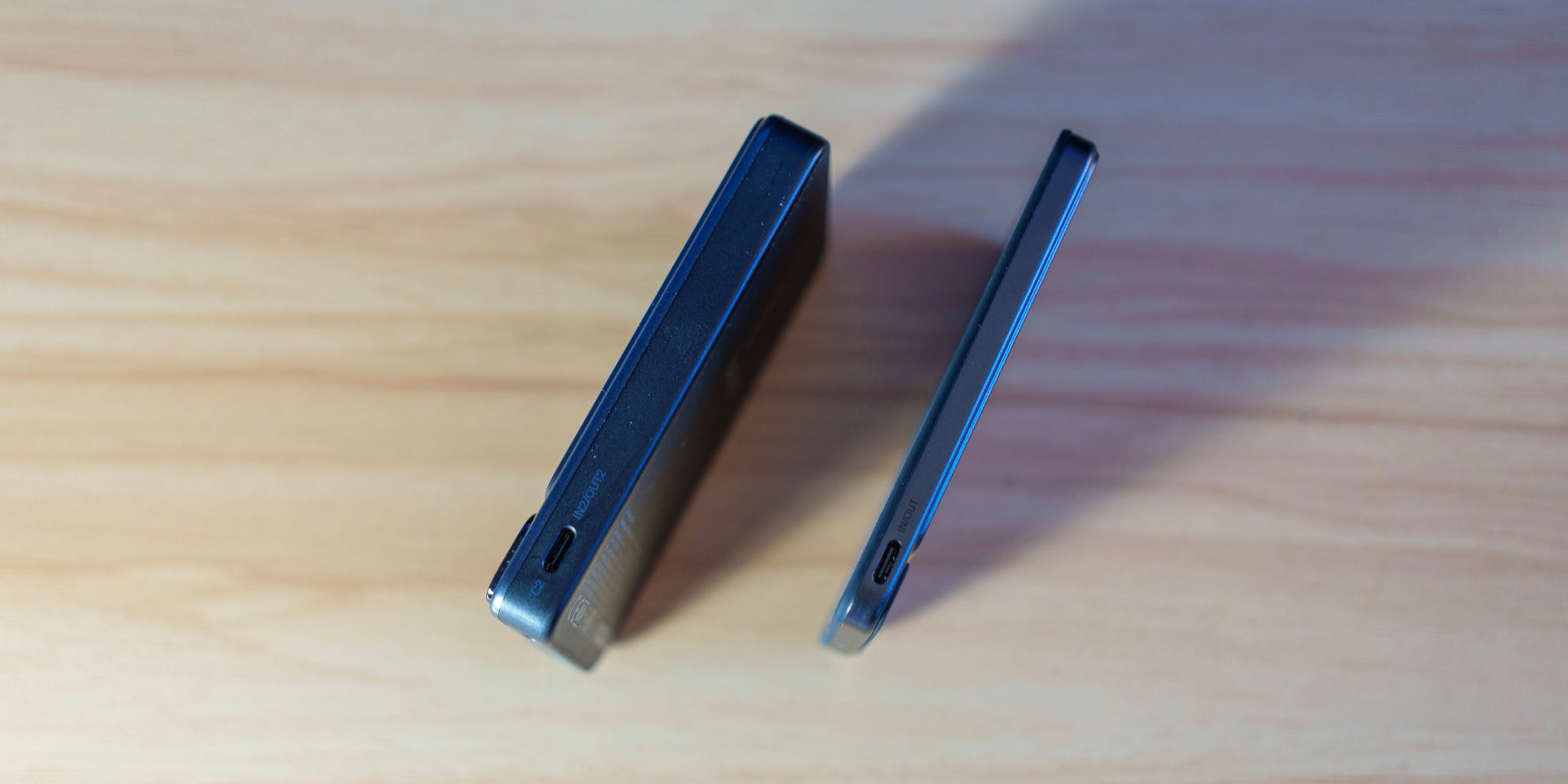
The flagship of this new launch is the 10,000mAh battery bank, which is positioned as a high-performance solution for power users. Weighing in at 220 grams, the device is noticeably lighter than the industry average for similar capacities, which typically ranges between 240 and 300 grams. This reduction in mass is achieved primarily through the shift to semi-solid state chemistry, which allows for a more compact internal structure.
Beyond its weight profile, the device features a premium aluminum chassis, a design choice that serves both aesthetic and functional purposes. Aluminum provides superior heat dissipation compared to polycarbonate shells, which is critical for a device capable of delivering up to 60W of power output. The inclusion of a smart digital display provides users with real-time feedback regarding the remaining battery percentage, a feature that has become standard for high-end charging solutions to prevent sudden power depletion. Priced at $89.95, the unit is intended to serve as a versatile, pocketable power source capable of charging not just iPhones, but also modern tablets and laptops requiring higher wattage.
The 5,000mAh MagSafe-Compatible Solution
For users prioritizing portability and convenience, Belkin has released a 5,000mAh MagSafe-compatible battery bank. This unit supports 15W Qi2 wireless charging, meeting the current standard for high-efficiency, magnetically aligned charging for iPhones. This model is engineered to be exceptionally thin, catering to the "on-the-go" demographic that prefers to keep a charger attached to the back of their device without significant added bulk.
While this unit lacks auxiliary features such as integrated kickstands or digital readouts, it focuses on streamlined performance. The use of aluminum in its construction provides a "cold-to-the-touch" premium feel that differentiates it from the plastic-heavy alternatives that currently dominate the entry-level market. The device is priced at $69.99, positioning it as a mid-tier offering for the Apple ecosystem.
Industry Context and Historical Evolution
The development of these products follows a decade-long evolution in portable power technology. Since the introduction of the first widespread external battery packs in the early 2010s, the industry has struggled with the "energy density wall." For years, manufacturers relied on standard 18650 or 21700 lithium-ion cylindrical cells, which inherently limited how thin or light a battery could be.
In 2020, the launch of MagSafe for the iPhone 12 signaled a pivot in consumer demand. Users began to prioritize wireless, snap-on charging solutions over wired ones. However, the early generation of MagSafe battery packs was often criticized for being heavy, slow, or prone to overheating. Belkin’s current move to integrate semi-solid state technology is a direct response to these technical limitations. By adopting this chemistry, the company is attempting to solve the weight-to-power ratio issue that has plagued the mobile accessory market since the transition to wireless magnetic charging.
Implications of Form Factor and Compatibility
A notable technical challenge identified with these new releases concerns the physical dimensions of the latest iPhone models, particularly the "Duo" or "Max" variants. As smartphones grow in screen size and height, smaller MagSafe accessories may appear disproportionate or create ergonomic issues when held.
Industry analysts observe that Belkin’s design choice to maintain a slim, uniform profile may result in slight overhang on larger handset models. While this is currently a minor design inconvenience, it highlights a growing need for accessory manufacturers to harmonize their product releases with the rapidly changing chassis dimensions of Apple’s flagship phones. Speculation is already mounting that the next major industry trade show, CES, will see a wave of accessories specifically engineered to match the elongated dimensions of larger iPhone models, potentially including "long-form" battery banks that better distribute weight across the back of the phone.
Technical Advantages of Semi-Solid State Chemistry
The shift toward semi-solid state batteries is not merely a marketing trend but a response to safety and efficiency requirements. In standard lithium-ion batteries, the liquid electrolyte is flammable and sensitive to temperature fluctuations. Semi-solid state batteries offer:
- Thermal Management: Lower risk of overheating during high-speed charging (such as the 60W output featured on the 10,000mAh model).
- Structural Integrity: Greater resistance to swelling or punctures, which increases the lifespan of the device.
- Weight Reduction: The gel electrolyte allows for thinner separators, allowing more energy-dense material to fit into a smaller footprint.
Market research from the consumer electronics sector suggests that consumer demand for "premium-feel" accessories is at an all-time high. Users are increasingly opting for aluminum and brushed-metal finishes over traditional rubberized plastics. Belkin’s focus on these materials reflects a broader strategy to reposition its accessories as lifestyle products rather than mere utility tools.
Market Position and Future Outlook
The launch of these battery banks places Belkin in a competitive position against a crowded field of third-party accessory manufacturers. By leveraging its long-standing relationship with Apple, Belkin continues to dominate the premium third-party accessory space. However, the company faces stiff competition from brands that prioritize aggressive pricing or niche features like modular charging stations.
From an economic perspective, the $69.99 and $89.95 price points reflect a premium tax associated with the semi-solid state technology. While cheaper alternatives exist, the reliability and specific performance metrics of these batteries are designed to appeal to users who have already invested heavily in the Apple ecosystem.

As the industry moves toward 2026 and beyond, the expectation is that semi-solid state technology will become the baseline for all high-end power banks. The successful integration of these batteries into compact, consumer-friendly housings will likely pressure other manufacturers to innovate similarly. For now, Belkin’s latest offerings provide a clear indicator of the direction the market is heading: prioritizing user comfort, thermal efficiency, and high-speed delivery without the historical baggage of traditional battery weight.
This latest development underscores the ongoing refinement of mobile power solutions. As smartphone batteries struggle to keep pace with increasingly power-hungry processors and high-refresh-rate displays, the burden of power management is shifting to the accessory market. Whether these new semi-solid state options from Belkin will set the new industry standard remains to be seen, but they represent a definitive step forward in the pursuit of more portable, efficient, and durable energy solutions for the modern mobile user.