Alberta Tech went from YouTube engineer to YouTube creator. Here’s how she did it.

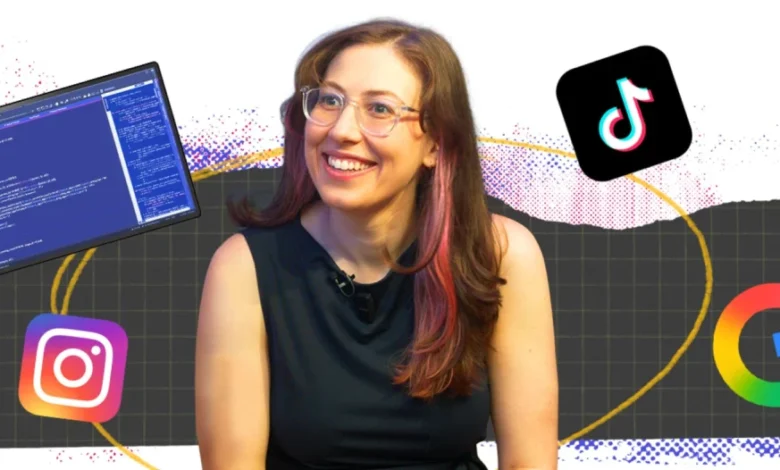
The transition from a stable, high-level corporate career in Big Tech to the volatile, albeit rewarding, world of independent content creation is a path rarely taken, but increasingly discussed in Silicon Valley corridors. For Alberta Tech—a software engineer who spent over six years at Google, including time dedicated to the development of YouTube’s internal infrastructure—this shift was not a impulsive decision born of burnout. Rather, it was a calculated evolution of a hobby that began in the isolation of the early pandemic.
The Origins of a Dual Identity
In early 2020, as global lockdowns forced millions into remote work, Alberta Tech found herself navigating the familiar professional malaise of the era. To combat the boredom of restricted social interaction in New York City, she began creating short-form comedy content for TikTok. Her subject matter was initially broad, ranging from the mundane frustrations of apartment living to the general absurdities of remote work.
However, a distinct pattern emerged: the more she leaned into her professional background, the more her audience grew. By creating satirical sketches centered on software engineering, corporate culture, and the technical quirks of the tech industry, she struck a chord with a niche but highly engaged demographic. For years, she maintained a "double life." By day, she was a Google engineer contributing to the very platform she would later attempt to conquer as an independent creator. By night, she was a satirist, crafting scripts that resonated with developers, data scientists, and tech enthusiasts.

The Catalyst for Transition
The decision to leave Google in 2026 was the culmination of a long-standing desire to scale her creative output. According to Alberta, the "high-quality bar" she set for her content required a level of focus and time commitment that was incompatible with a full-time software engineering role.
The transition involved navigating the corporate bureaucracy of resigning from a major tech firm, a process she describes as daunting. The reaction from her management was one of characteristic corporate caution, questioning the long-term stability of the creator economy compared to the ironclad security of a position at a company like Google. Despite these concerns, she finalized her exit earlier this year, shifting her entire professional bandwidth toward her independent brand.
The Intersection of Engineering and Satire
Alberta’s background in software engineering serves as her primary competitive advantage. In an era where "techfluencers" are ubiquitous, her credibility is rooted in her tangible experience. Her content successfully navigates the technical complexities of modern software development, generative AI, and industry jargon, distilling these dense topics into accessible, humorous segments.
Her approach to "vibe coding"—a term that has become a contentious buzzword within the developer community—highlights her unique position. While the term originally implied a reckless reliance on AI to write code without human oversight, Alberta notes that it has since evolved. She frames the current landscape of software development as one where AI tools act as force multipliers, provided the engineer maintains the technical literacy to audit the output. She argues that the industry is currently in a state of flux, moving toward "agentic engineering," where AI agents handle routine tasks while human developers focus on higher-level architectural decisions.

Implications of AI in Content Creation
A significant portion of Alberta’s commentary focuses on the role of artificial intelligence in the creative process. She remains a pragmatist; while she utilizes AI for research and brainstorming, she is openly skeptical of its capacity for genuine artistic expression. In controlled experiments where she recreated viral content using generative AI video tools, she found that while the visual quality was impressive, the underlying concept remained the primary driver of engagement.
This finding aligns with broader trends in the digital economy: as the barrier to entry for content production lowers due to generative AI, the value of unique, human-centric conceptualization rises. She suggests that AI may eventually democratize the ability to produce high-quality video, but it cannot replicate the "voice" or the specific cultural insights that creators build through sustained connection with an audience.
Data and Market Context
The shift toward creator-led media is supported by industry data suggesting that technical creators—those who can explain complex subjects through entertainment—are currently seeing higher retention rates than traditional tech news outlets. According to recent reports on the creator economy, educational comedy is one of the fastest-growing niches on platforms like YouTube and TikTok.
Alberta’s transition mirrors a broader trend among high-skilled professionals. With the proliferation of personal brand-building tools, the "career ladder" is increasingly being replaced by the "portfolio career," where expertise in a specific vertical allows individuals to monetize their knowledge outside of traditional institutional structures.

Advice for Aspiring Creators
For those looking to replicate her trajectory, Alberta emphasizes the importance of value proposition. Her primary advice is to avoid the "personal brand trap"—the assumption that an audience will naturally care about a creator’s life without a compelling reason to do so. She suggests that aspiring creators must first identify the specific value or utility they provide to their audience, whether it is education, entertainment, or community building.
"Don’t quit your job until you find that thing," she advises. This cautious approach highlights the reality that while the creator economy offers significant upside, it also carries the burden of administrative, financial, and creative responsibilities that are typically distributed across departments in a traditional workplace.
Future Outlook
As Alberta Tech continues to scale her platform, her focus remains on bridging the gap between the technical and the mainstream. The rise of AI, she notes, has made technical topics "uncomfortably exciting." What was once relegated to niche engineering forums is now a matter of daily global discourse. By positioning herself as a translator of this new era, she remains at the forefront of a shifting digital landscape.
The transition from engineer to creator is more than a change in job title; it is a shift in how professional expertise is packaged and consumed. By leveraging the analytical mindset of a software engineer to dissect the complexities of the digital age, Alberta has successfully carved out a space where technical literacy meets popular culture, proving that even in an age of automation, the human perspective remains the ultimate differentiator.