Apple Releases HomeView 27.2.1 Software Update to Resolve Critical Siri and Connectivity Bugs

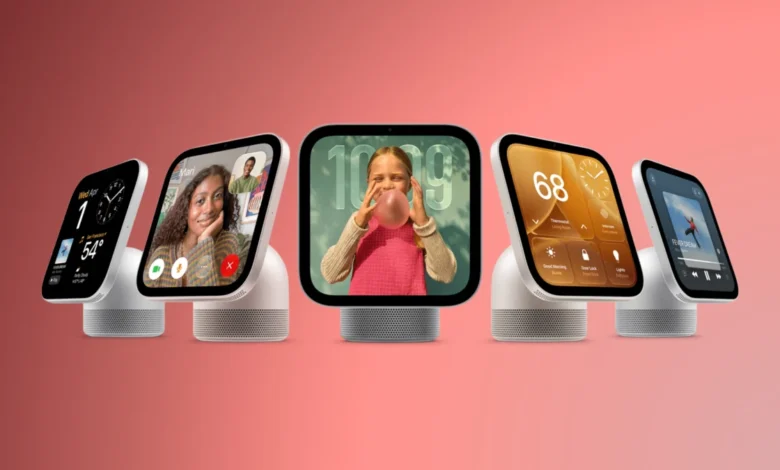
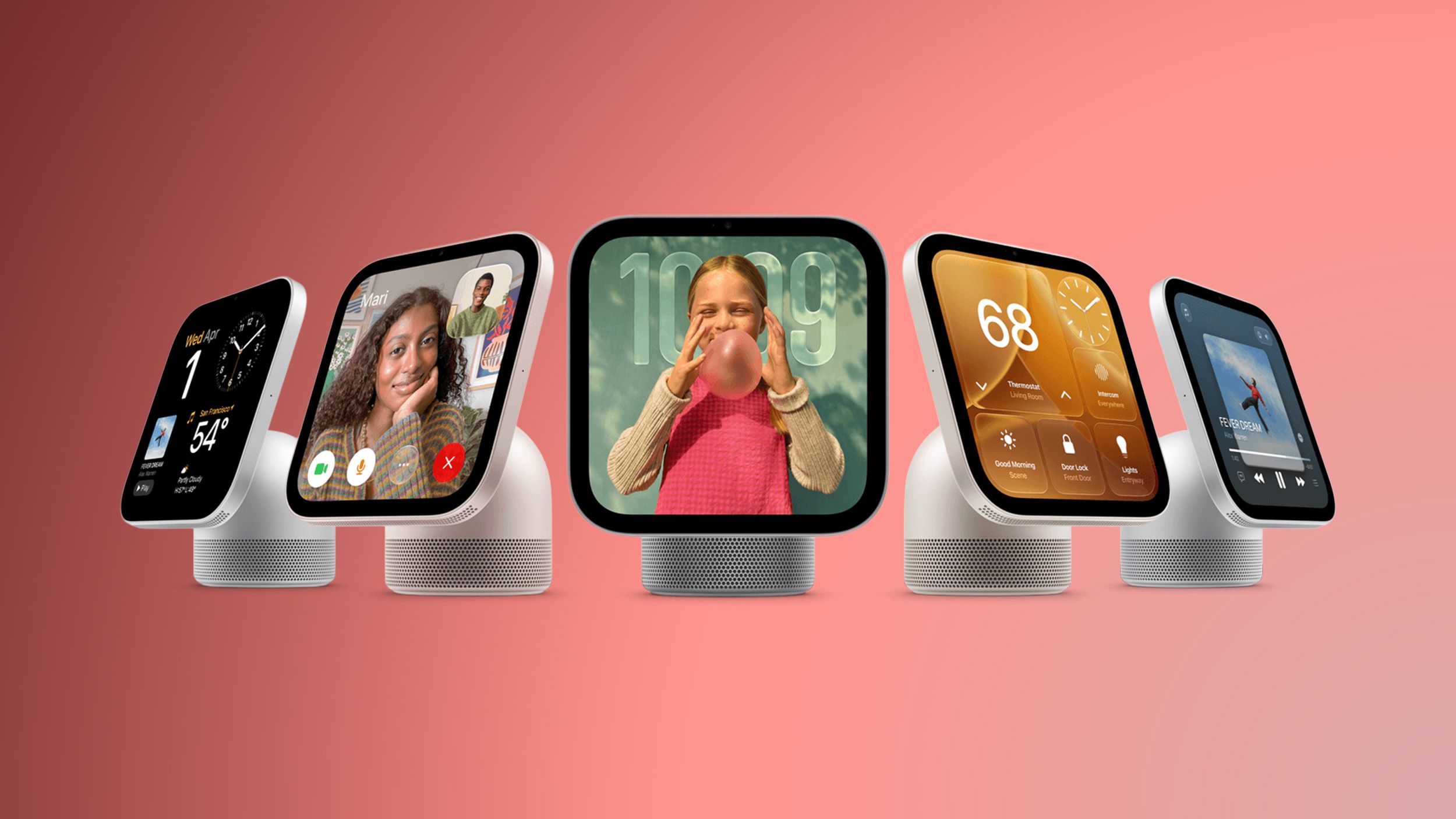
Apple has officially rolled out its HomeView 27.2.1 software update, aimed squarely at addressing a wave of early user complaints regarding Siri functionality, beta-software compatibility, and smart home hub stability. The update comes less than a week after the official retail launch of the HomeView smart home hub, a device that has quickly become the centerpiece of Apple’s late-2026 hardware lineup. While the newly released software patch rectifies several persistent headaches for early adopters, it also highlights the growing pains often associated with launching heavily interconnected hardware ecosystems.
Main Facts of the HomeView 27.2.1 Update
Released on Wednesday, November 18, 2026, the HomeView 27.2.1 update targets three primary technical flaws identified shortly after the device hit store shelves. According to official release documentation provided by Apple, the patch directly resolves:
- Siri Failure via Shared Album Setup: A significant glitch where configuring a Shared Album on the device’s specialized Photos watch-face format inadvertently blocked the HomeView from downloading necessary backend support for Siri, rendering the voice assistant completely unresponsive.
- Beta Pairing Conflicts: An interoperability bug that caused Siri voice requests to fail entirely when the HomeView was paired with an iPhone or iPad running the developer or public iOS/iPadOS 27.3 betas.
- Ghost Disconnections: An erratic system error where connecting an auxiliary home hub device to the local network would cause the HomeView to be unexpectedly expunged from the user’s primary Apple Home configuration, requiring a full re-pairing process.
The update can be installed seamlessly through the native Settings application on the HomeView hardware itself, or remotely via the Home app on any connected iOS, iPadOS, or macOS device linked to the owner’s iCloud account.
Chronology of the HomeView Rollout and Early Troubles
The timeline leading up to the 27.2.1 patch underscores a remarkably fast-paced and occasionally turbulent product cycle for Apple’s late-2026 hardware pushes. Beginning in late August, Apple initiated a staggering wave of device announcements, unveiling more than 25 new products and accessories in one of the densest release schedules in the company’s recent corporate history.
The HomeView smart home hub officially debuted on Friday, November 13, 2026, alongside the fourth-generation Apple TV 4K, effectively capping off Apple’s major hardware launches for the calendar year. However, within hours of unboxing and setup, community forums, tech support channels, and early adopter review threads were flooded with complaints.
Users reported a myriad of frustrating bugs that extended beyond the scope of today’s patch. Common grievances included the device’s inability to reliably set basic alarms or timers, intermittent failures when processing music playback commands, and noticeable latency delays in Siri’s speech-to-text response times. While Apple’s official release notes for version 27.2.1 do not explicitly mention alarms, timers, or media-command failures, industry analysts suggest that the core Siri framework adjustments implemented in this patch may quietly mitigate several of those performance bottlenecks.
High-Profile Scrutiny and Future Patches
The software stability of the HomeView was brought into sharp relief earlier in the week when prominent tech reviewers published their hands-on assessments. Notably, veteran tech journalist Joanna Stern highlighted a high-profile security and AI integration bug. Stern discovered that Siri AI was failing to execute voice commands requiring physical access authentications—such as unlocking smart door locks and opening garage doors—even after the user’s identity had been verified via the HomeView’s integrated security camera system.
Responding swiftly to media inquiries, Apple confirmed the existence of this specific permission-handshake error and pledged to deploy a secondary dedicated software patch in December to rectify the issue. This proactive acknowledgment reflects a growing corporate sensitivity to the reliability of AI-driven home automation, where software glitches can directly translate to physical security vulnerabilities in residential settings.
Broader Impact and Industry Implications
The rapid deployment of HomeView 27.2.1 offers a fascinating case study in modern consumer electronics development, illustrating both the benefits and the liabilities of tightly integrated software ecosystems.
On one hand, Apple’s ability to diagnose, compile, and distribute a targeted bug fix within days of a product launch demonstrates the agility of its OTA (over-the-air) update infrastructure. Consumers are no longer left waiting months for semi-annual firmware drops to resolve out-of-box failures; instead, patches are deployed iteratively.
On the other hand, the sheer frequency of day-one and week-one patches across modern operating systems—such as the recent rollout of iOS 27.2 with its expanded Siri AI languages, and the subsequent beta cycles of iOS 27.3—suggests that hardware and software timelines are increasingly compressed. As smart home hubs evolve from passive display frames into active, AI-driven command centers capable of managing home security, multimedia streaming, and personal scheduling, the margin for software error shrinks dramatically.
For everyday consumers, the message from Cupertino is clear: while the HomeView ecosystem is expanding rapidly, early adoption of cutting-edge smart home technology continues to require patience as Apple fine-tunes the complex interplay between local device hardware, cloud-based Siri intelligence, and cross-device beta software ecosystems. Users experiencing ongoing Siri or connectivity anomalies are strongly advised to verify that both their HomeView hub and companion iOS/iPadOS devices are updated to their respective latest software builds.