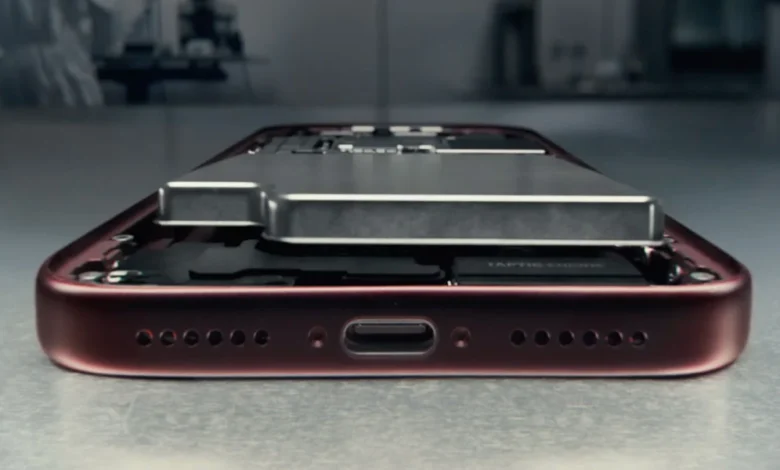
This price adjustment, which has been formally codified on Apple’s support portal, signals a shift in the company’s maintenance cost structure for its flagship mobile devices. As users begin to receive their latest hardware, the revised out-of-warranty service fees for the iPhone 18 Pro series now sit at $129, marking a notable departure from the $119 baseline that remained standard across the iPhone 16 and iPhone 17 Pro lineups. While a $10 increase may appear marginal in the context of a high-end smartphone purchase, it reflects broader trends in mobile hardware engineering, specifically regarding energy density, specialized labor, and the logistical costs associated with high-capacity lithium-ion cells.
Chronology of Battery Service Pricing
To understand the significance of this shift, one must look at the historical trajectory of Apple’s repair pricing. For years, Apple maintained a relatively static pricing model for out-of-warranty battery replacements to encourage device longevity and discourage the use of non-certified third-party repair services.
However, beginning with the iPhone 14 series, Apple began to adjust its internal pricing architecture. The jump from the standard fees of previous generations to the $119 threshold for the "Pro" models was largely attributed to the increasing complexity of the internal chassis and the requirement for more sophisticated thermal management systems. Now, with the move to $129 for the iPhone 18 Pro and Pro Max, the company has established a new ceiling for standard battery maintenance. This progression suggests that as internal components become more densely packed and battery technologies evolve toward higher capacities, the costs associated with the physical extraction and replacement of these cells—which often involve complex adhesive removal and diagnostic recalibration—are being passed on to the end consumer.
Technical Specifications and Capacity Expansion
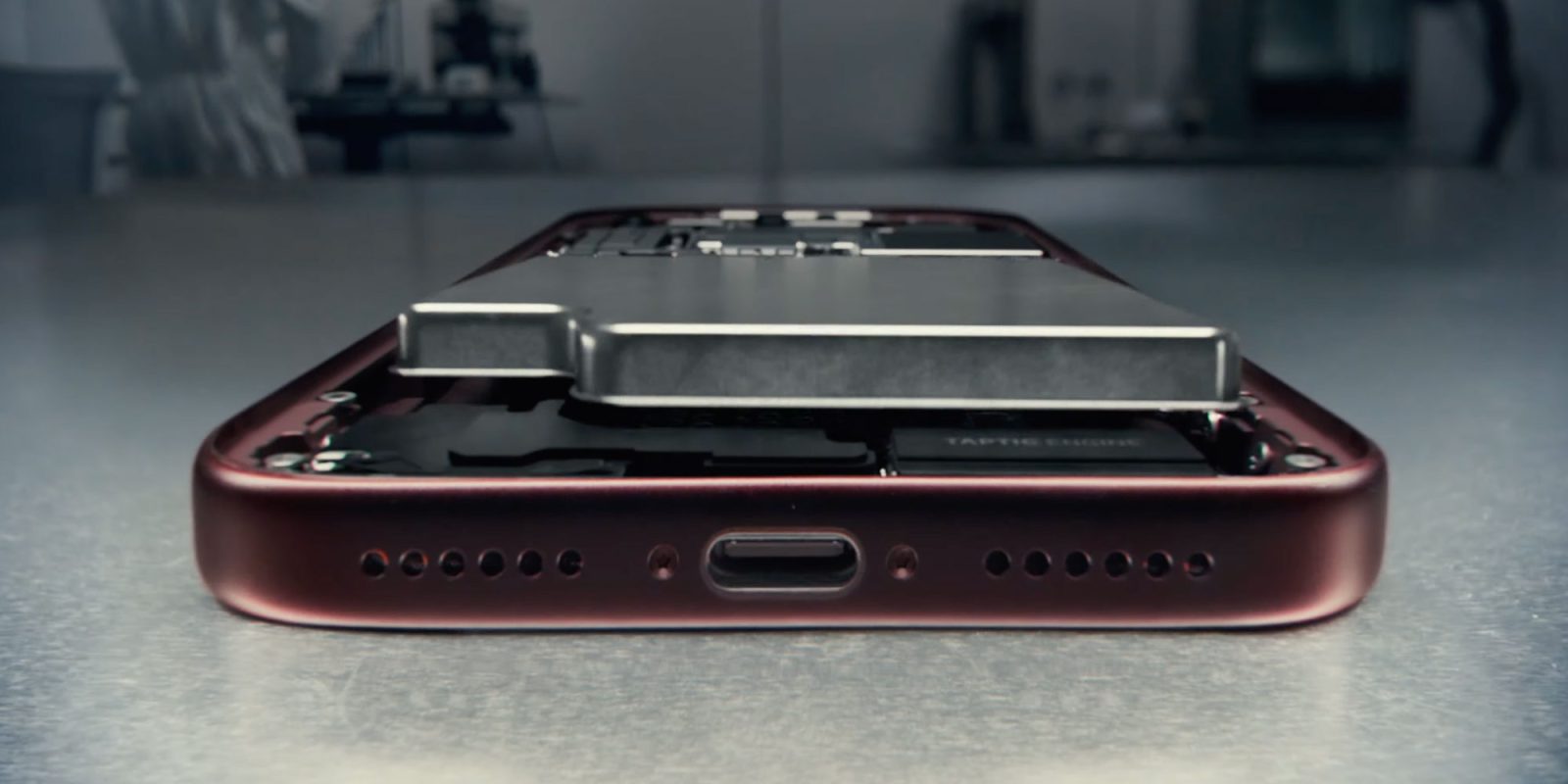
The technical impetus behind this price hike is rooted in the physical reality of the batteries contained within the iPhone 18 Pro and iPhone 18 Pro Max. According to European Union technical documentation, which mandates standardized reporting for environmental and repairability purposes, the new handsets feature significantly larger power storage capacities compared to their predecessors.
The iPhone 18 Pro houses a 4,056 mAh battery, while the iPhone 18 Pro Max has been upgraded to a 5,391 mAh cell. When viewed against the iPhone 17 Pro’s 3,988 mAh and the iPhone 17 Pro Max’s 4,823 mAh batteries, it is clear that Apple has prioritized battery longevity and power throughput. This increase in energy density requires more robust protective shielding and internal mounting hardware. The additional capacity also implies a higher chemical complexity in the battery construction, which typically correlates with increased manufacturing costs. For the consumer, this translates into a device that can sustain intensive processing tasks for longer periods, but it also necessitates a higher fee for the eventual maintenance of these power cells once they reach their cycle-life limit.
Official Guidelines and Service Procedures
Apple’s official policy remains that these fees apply to out-of-warranty services. Under the standard one-year limited warranty, battery replacement remains free of charge, provided the battery is found to be defective or retains less than 80% of its original capacity. The $129 fee is only triggered once the device falls outside this window or if the damage is deemed "accidental" rather than a result of natural degradation.
Apple notes that all service requests are subject to an in-person or remote diagnostic inspection. This "inspect to determine" clause is a critical component of the service ecosystem. It ensures that the device’s internal health—beyond just the battery—is assessed before any labor is performed. The company emphasizes that using authorized service providers is essential to maintaining the integrity of the device’s water-resistance rating and the accuracy of the software-based battery health metrics, which are deeply integrated into the iOS operating system.

Market Implications and Consumer Impact
The decision to raise battery replacement costs by $10 has elicited mixed reactions from industry analysts and consumer advocates. On one hand, the increase is viewed as an inevitable byproduct of inflationary pressures in the global supply chain, which have impacted everything from raw lithium costs to the specialized labor required to open and reseal modern, glass-and-steel smartphone chassis.
On the other hand, some observers argue that as Apple continues to push the "Right to Repair" initiative—making parts and manuals more accessible to independent shops and individual users—the increase in authorized repair costs might inadvertently drive more consumers toward self-repair kits. However, Apple maintains that the proprietary nature of the battery management system (BMS) and the calibration tools required for the iPhone 18 series make professional, authorized service the most reliable route for maintaining device performance and resale value.
The broader impact on the secondary market is also worth noting. When a consumer decides to sell their iPhone after two or three years of use, the battery health percentage is a primary factor in the device’s valuation. With the cost of a factory-fresh battery replacement rising to $129, sellers may find that it becomes less economically viable to perform a pre-sale battery swap. This could lead to a slight shift in how devices are traded, with more buyers looking for handsets that have retained high battery health rather than opting for replacements post-purchase.
The Role of Regulatory Pressures
The European Union’s influence on hardware design cannot be ignored. The requirement for detailed technical disclosures regarding battery capacity and the ability to replace components has forced Apple to be more transparent about the hardware under the hood. As the EU continues to push for legislation that would make batteries "easily replaceable" by the user by 2027, the current pricing structure for the iPhone 18 Pro series represents a transitional phase.

Apple is currently balancing the high-performance demands of its pro-level hardware—which requires sophisticated, non-removable battery designs for thermal and structural integrity—with the growing regulatory demand for serviceability. The $129 fee is, in part, a reflection of the specialized labor and equipment required to manage these non-removable, high-capacity components in a way that satisfies both performance standards and safety regulations.
Analysis of Future Repair Trends
Looking ahead, the trajectory of service fees is unlikely to trend downward. As artificial intelligence and on-device machine learning continue to demand more power from the processor, the strain on battery cells will only increase. Future iterations of the iPhone will likely continue to push capacity boundaries to keep pace with these software demands, necessitating even more specialized repair protocols.
For the average consumer, the message is clear: battery management has become a long-term operational cost of ownership. The $10 increase, while modest, serves as a reminder that the hardware inside a modern smartphone is becoming increasingly complex. Apple’s pricing strategy reflects an ecosystem where the cost of maintaining a device is inextricably linked to the technological advancements packed into its frame.
As the iPhone 18 Pro begins to reach the hands of the general public, the focus will shift to real-world battery performance data. If the increased capacity provides the sustained performance users expect, the $129 replacement fee will likely be viewed as a necessary, if unwelcome, expense. However, if the industry continues to move toward more modular designs, we may eventually see a divergence between the cost of the part itself and the cost of the labor required to install it. For now, the $129 price point stands as the new industry benchmark for Apple’s premier mobile repair service.