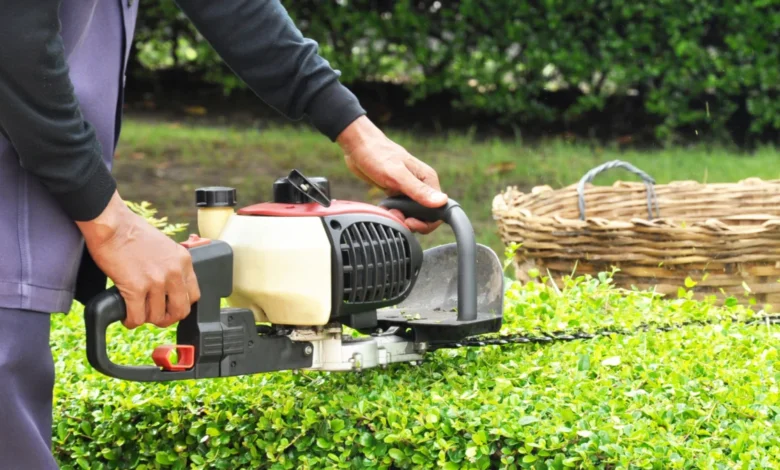
Maintaining a manicured landscape requires a suite of specialized equipment, among which the hedge trimmer stands as an essential tool for maintaining structural integrity and aesthetic appeal in gardens and commercial properties. While these power tools significantly reduce the labor associated with manual shears, they are subject to mechanical wear that degrades performance over time. A common misconception among novice landscapers and homeowners is the belief that sharpening trimmer blades to a surgical, razor-like edge provides superior cutting power. In practice, however, such an approach is counterproductive, often leading to structural compromise of the cutting teeth and diminished longevity of the tool itself.
The Engineering Reality of Blade Geometry
To understand why a razor edge is detrimental to a hedge trimmer, one must consider the metallurgy and intended use of the equipment. Hedge trimmer blades are typically manufactured from hardened steel designed to withstand high-impact encounters with woody stems and branches. These blades operate on a reciprocal motion, relying on a specific bevel angle—usually set by the manufacturer to balance sharpness with durability.
When a user attempts to grind these blades to a microscopic, razor-thin edge, the material becomes dangerously thin. In engineering terms, this reduces the "mass at the apex," making the teeth susceptible to deformation. When the tool encounters a stubborn, dense branch, a razor-thin edge will likely chip, curl, or dent upon impact. This creates a feedback loop of degradation: the damaged edge creates more drag, the motor works harder to compensate, and the resulting cut becomes increasingly ragged, eventually leading to a complete failure of the cutting mechanism.
Diagnostic Indicators for Blade Maintenance
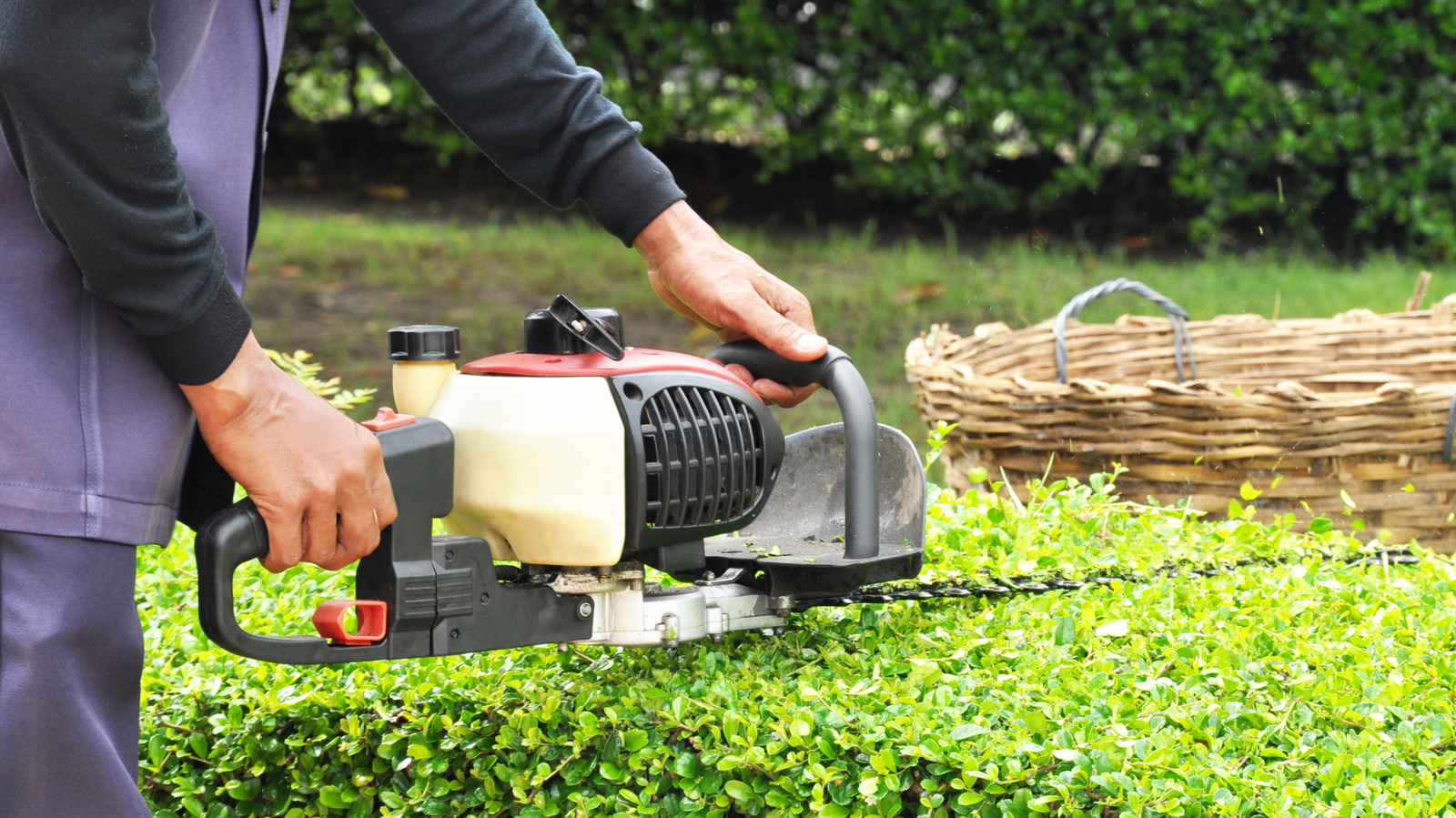
Determining when a blade requires service is a matter of observing the tool’s output and the health of the flora. The primary indicator of a dull blade is the quality of the cut. When a hedge trimmer is sharp, it shears cleanly through stems, leaving a smooth, narrow cross-section. Conversely, if the trimmer begins to strip bark, tear leaves, or leave frayed, brown edges on the bush, the blades have lost their ability to slice efficiently.
Additional operational signs include:
- Audible Motor Strain: If the engine or motor pitch changes significantly while moving through a hedge that was previously easy to cut, the blade is likely fighting resistance caused by dullness.
- Operational Inefficiency: If the operator finds they must make multiple passes over the same section of foliage to achieve a clean result, the cutting speed and efficiency have reached a point of obsolescence.
- Vibration Increase: As edges dull, the friction between the two reciprocating blades increases, often resulting in higher levels of vibration felt by the operator.
From a botanical perspective, the implications of dull blades are significant. A clean, sharp cut facilitates rapid wound closure in plants. Dull blades, by contrast, mash and tear plant tissue, creating large, jagged wounds that are susceptible to pathogens, fungi, and bacterial infections. By maintaining sharp equipment, gardeners essentially engage in preventative plant healthcare.
Chronology of Maintenance and Lifecycle Management
For the average residential user, a maintenance cadence of once or twice per year is generally sufficient to keep a hedge trimmer in optimal condition. However, this timeline is highly variable based on environmental factors. The lifecycle of a blade edge is shortened significantly by the presence of silica in plants, the frequency of contact with sandy soil, and the hardness of the species being trimmed.
- Preparation Phase: Safety must be the foundational step. This includes disconnecting all power sources—removing the battery pack, unplugging the cord, or disconnecting the spark plug wire on gas-powered models. Heavy-duty gloves and protective eyewear are mandatory to prevent lacerations from accidental contact with the blades.
- Cleaning Phase: Before sharpening, the blade must be stripped of resinous buildup. Over time, plant sap, waxes, and dirt create a layer of grime that can obscure the true state of the metal and interfere with the sharpening process. Using a specialized solvent or a stiff brush, the blades should be thoroughly cleaned.
- The Sharpening Process: Professionals recommend using a flat hand file rather than high-speed power grinders, which can easily overheat the metal and ruin its temper (a process known as "drawing the temper," which makes the steel permanently soft). Strokes should be deliberate, single-direction motions following the factory-set bevel.
- Finishing and Honing: Once the burrs are removed, a whetstone should be used to polish the edge. The final stage involves applying a light, food-grade lubricating oil to the blade assembly. This serves a dual purpose: it prevents rust and reduces friction between the two reciprocating blades during future operations.
Broader Implications and Industry Standards
The debate regarding blade sharpness reflects a larger trend in the professional landscaping industry toward "precision maintenance." Industry experts note that as electric-powered equipment becomes the standard, the demands on tool longevity are shifting. Electric motors, while powerful, have different torque profiles than internal combustion engines, making blade friction a critical factor in battery life.
Recent field studies have indicated that properly maintained blades can extend the battery life of cordless trimmers by up to 15% to 20%, as the motor does not need to exert maximum force to overcome the resistance of dull teeth. Furthermore, the longevity of the tool is directly tied to its maintenance. Manufacturers often report that warranty claims related to motor burnout are frequently correlated with neglected blade maintenance.
Official Guidelines and Safety Protocols
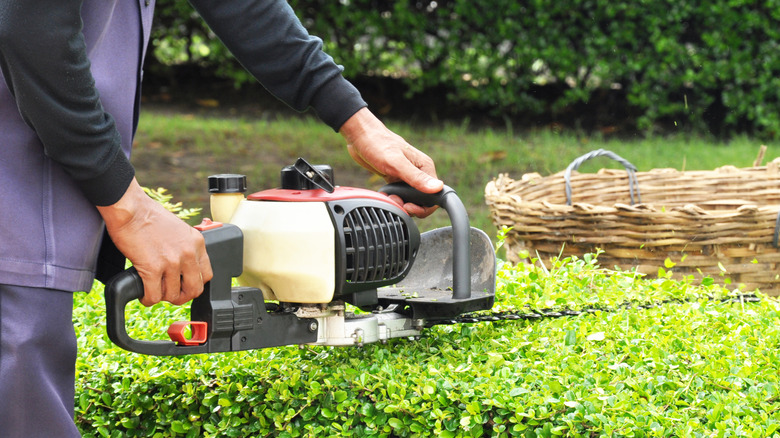
According to leading power tool manufacturers, the maintenance of hedge trimmers is not merely a performance issue but a safety compliance requirement. Guidelines from major equipment producers consistently emphasize that blades should be inspected before every use. If a blade exhibits visible cracks or deep notches, it should not be sharpened; instead, the blade assembly should be replaced entirely.
Professional arborists and landscape architects often advocate for an "end-of-season" maintenance cycle. By sharpening blades in the late autumn, the tools are stored in a protected state, reducing the risk of rust accumulation during the winter months. This proactive approach ensures that equipment is ready for the spring growth spurt, when the most critical pruning usually occurs.
Economic and Environmental Impact
The financial impact of neglecting hedge trimmer maintenance is measurable. A high-quality hedge trimmer represents a significant capital investment. By adhering to a rigorous sharpening schedule, users can effectively double the lifespan of their equipment. Conversely, the "razor-edge" error leads to premature wear, requiring the user to purchase replacement blades or entirely new units years earlier than would otherwise be necessary.
Environmentally, the focus on maintenance aligns with sustainability goals. Repairing and maintaining existing tools reduces the volume of electronic waste sent to landfills and lowers the demand for raw materials used in the manufacturing of new blades. As consumers become more conscious of the "right to repair" and the lifecycle of their household goods, the shift toward professional-grade maintenance techniques—even for residential users—is becoming increasingly evident.
In conclusion, the sharpening of hedge trimmer blades is a precise, technical task that requires an understanding of metal physics and horticultural needs. Avoiding the temptation to create a razor-thin edge preserves the structural integrity of the steel, ensures the health of the plants being pruned, and maximizes the operational efficiency of the tool. By treating the hedge trimmer as a precision instrument rather than a disposable commodity, users can achieve better aesthetic results while protecting their investment and the environment. Proper care is not simply a chore; it is an essential component of responsible land management and equipment stewardship.