Google Rolls Out "Notify When Left Behind" Feature for Android Find Hub Bluetooth Trackers to Bridge Key Gap with Competitors

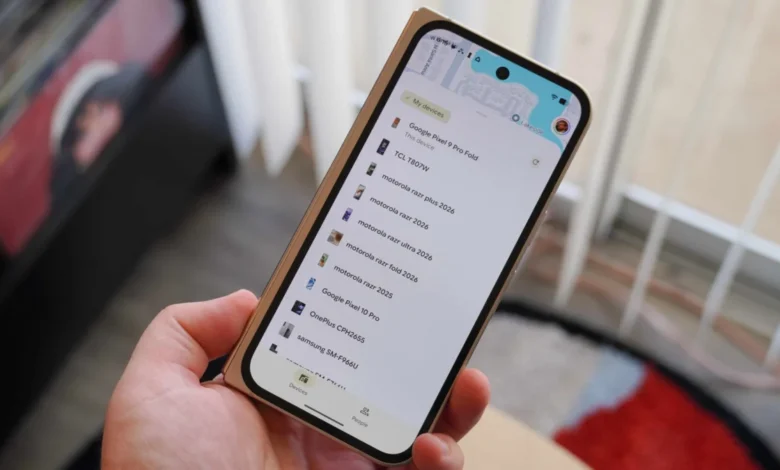
Google is officially rolling out a highly anticipated feature for its Android Find Hub network, introducing "Notify when left behind" alerts for compatible Bluetooth trackers. This major functionality aims to address a glaring feature gap that has persisted since the platform’s initial redesign, bringing Android’s ecosystem closer to parity with competing location networks like Apple’s Find My.
The update has begun deploying to users globally, enabling the Find Hub ecosystem to proactively warn device owners when they become separated from valuable items such as keys, wallets, and luggage. While the capability has been a staple of Apple’s device tracking architecture for years, its arrival on Android marks a significant milestone for Google’s continuously evolving device-recovery infrastructure.
The Evolution of Android’s Tracking Ecosystem
The introduction of proximity-based left-behind alerts represents the latest chapter in Google’s ongoing overhaul of its device-tracking capabilities. Last year, the tech giant formally revamped its tracking infrastructure, transitioning from the older "Find My Device" moniker to the unified Find Hub interface. This redesigned ecosystem was engineered to centralize the location tracking of smartphones, tablets, wearables, accessories, and individuals into a single, cohesive dashboard.
Concurrently, the marketplace for third-party Bluetooth item finders expanded significantly. Manufacturers introduced specialized hardware designed to integrate seamlessly into the network, most notably the Motorola Moto Tag and various tracking cards and fobs from brands like Chipolo and Pebblebee. These ultra-wideband (UWB) and Bluetooth-enabled accessories rely on the vast network of active Android devices worldwide to anonymously relay location coordinates back to their owners.
Despite these advancements, users quickly pointed out a critical omission: unlike Apple’s AirTags or Tile trackers, which natively alert users the moment they walk away from an item, Android’s Find Hub lacked an automated separation warning system. Owners had to manually open the app and check the map to see if an item was still with them, rendering the tracking purely reactive rather than proactive. With the rollout of the "Notify when left behind" toggle, Google is systematically closing this functionality gap.
How the New Feature Operates
The mechanism behind the new alert system is designed to balance user convenience with battery efficiency and privacy. Once activated, the feature leverages the Bluetooth Low Energy (BLE) connection between the user’s Android smartphone and the registered tracking tag.
If the smartphone moves out of Bluetooth range from the tracker—typically defined as a distance of roughly 30 to 100 feet depending on environmental obstacles—and the user continues to move away, the system triggers a push notification. This immediate alert allows the owner to retrace their steps immediately, dramatically reducing the likelihood of permanently losing high-value items like briefcases, passports, or camera gear.
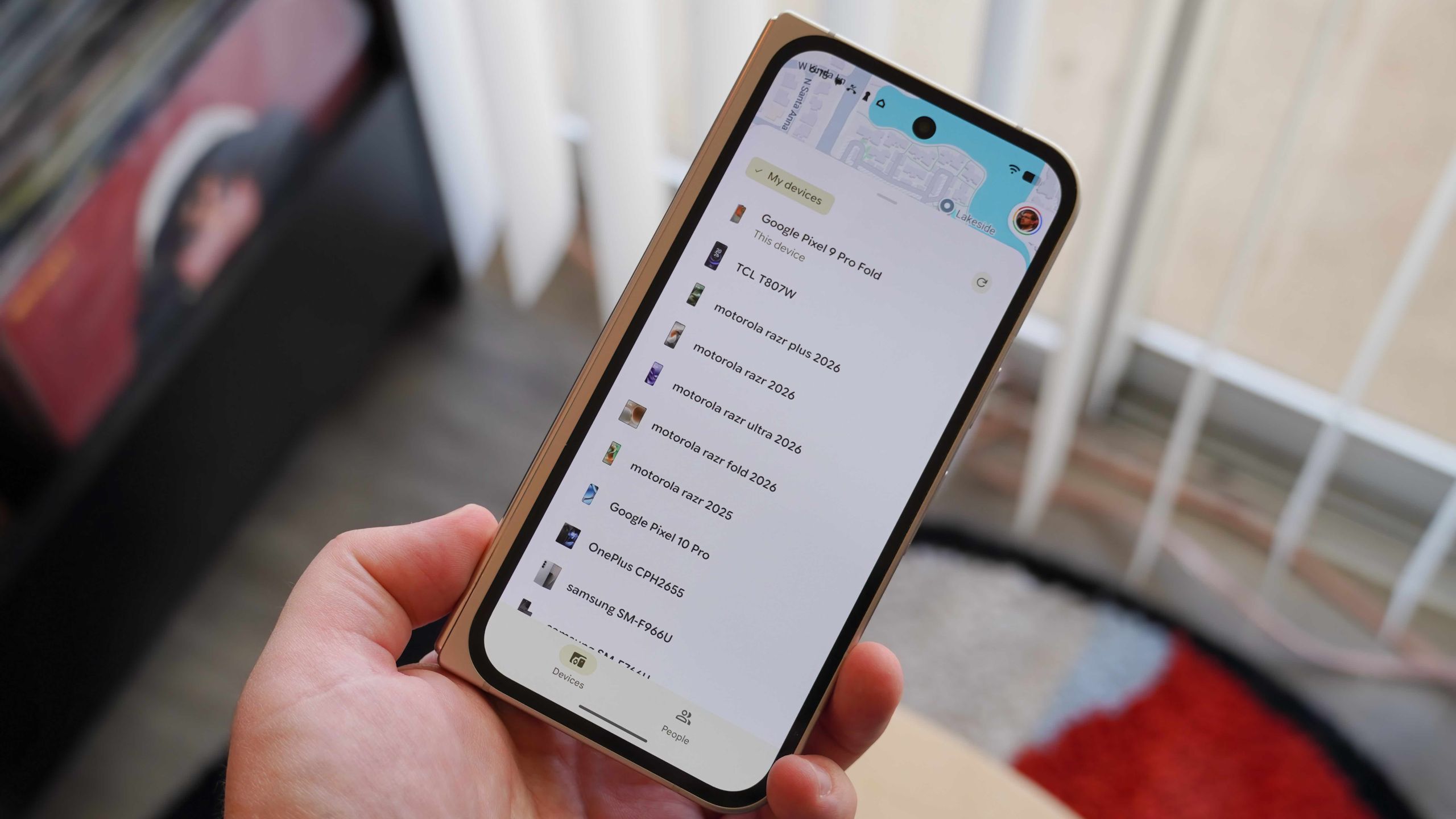
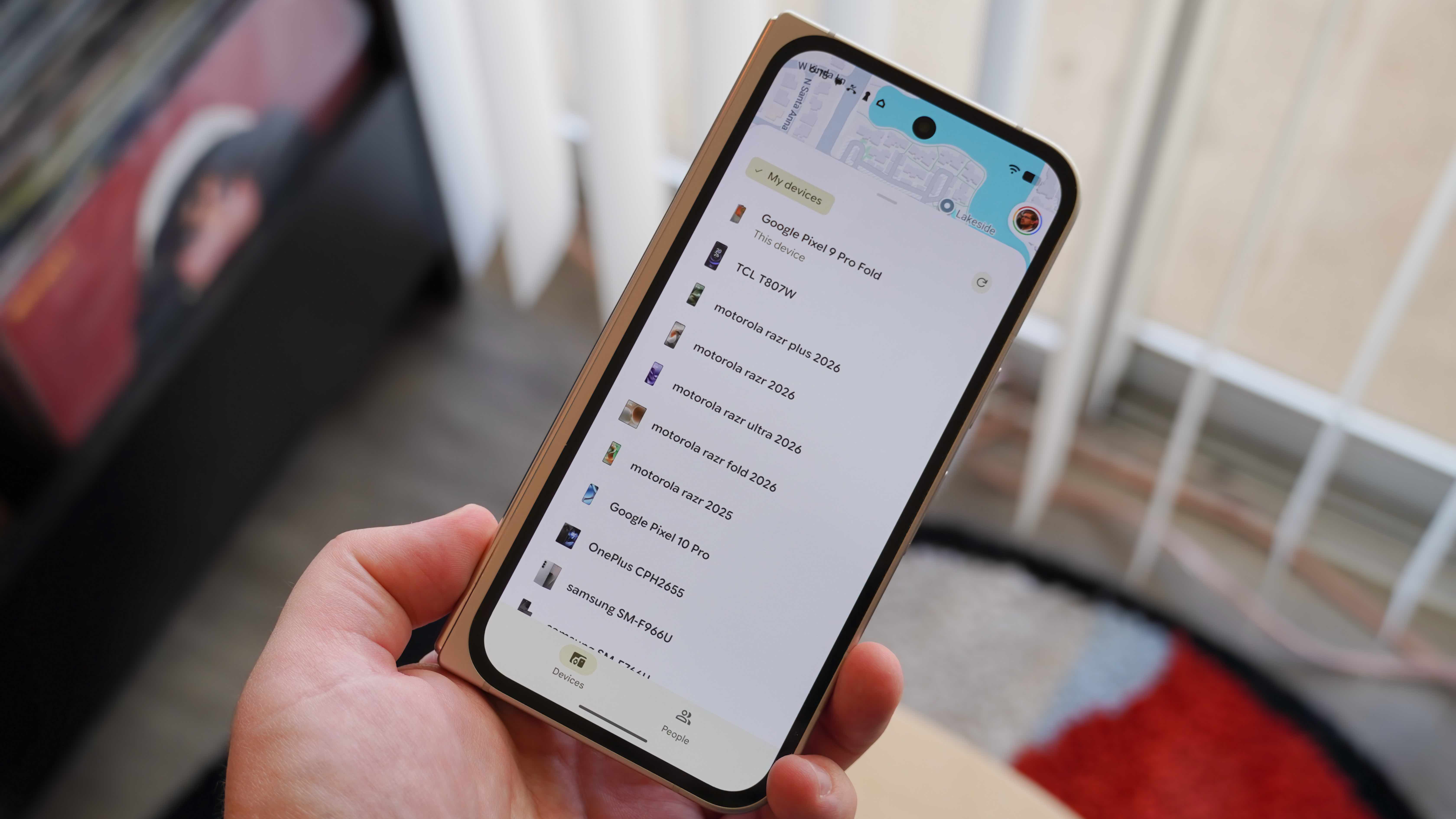
To enable the setting, users must navigate the Find Hub application, select the specific Bluetooth tracker from their registered device list, access the individual settings menu, and toggle on the "Notify when left behind" option. Initial reports from early deployments indicate that the rollout is occurring via a server-side update, meaning users may not need an immediate application update from the Google Play Store for the feature to appear, though ensuring the app is running the latest version is recommended.
Currently, the feature’s deployment appears strictly restricted to dedicated Bluetooth trackers. Standard audio accessories such as wireless earbuds, over-ear headphones, and smartwatches are not yet included in this specific notification rollout, though industry analysts suggest Google could expand compatibility to broader device categories in future firmware iterations.
Competitive Pressure and Industry Implications
The implementation of separation alerts is more than just a quality-of-life update for Android users; it is a strategic necessity in the fiercely competitive consumer hardware market. Location-tracking ecosystems heavily influence consumer loyalty. For years, iPhone users have cited Apple’s robust Find My ecosystem—and specifically its separation warnings—as a primary deterrent to switching to Android.
By introducing proactive alerts, Google removes a significant friction point for consumers who rely on item trackers for daily organization. Furthermore, this update arrives as regulatory bodies and industry consortia increasingly scrutinize the security and anti-stalking measures of Bluetooth trackers. Both Google and Apple have collaborated extensively to implement standardized unwanted-tracking detection mechanisms, ensuring that while networks become better at helping owners find their belongings, they simultaneously safeguard against malicious surveillance.
As the "Notify when left behind" feature scales to millions of Android devices worldwide, it solidifies Find Hub’s position as a mature, enterprise-grade tracking network. For consumers prone to misplacing everyday essentials, the update transforms Android’s tracking accessories from passive recovery tools into active guardians against loss.
Related posts: