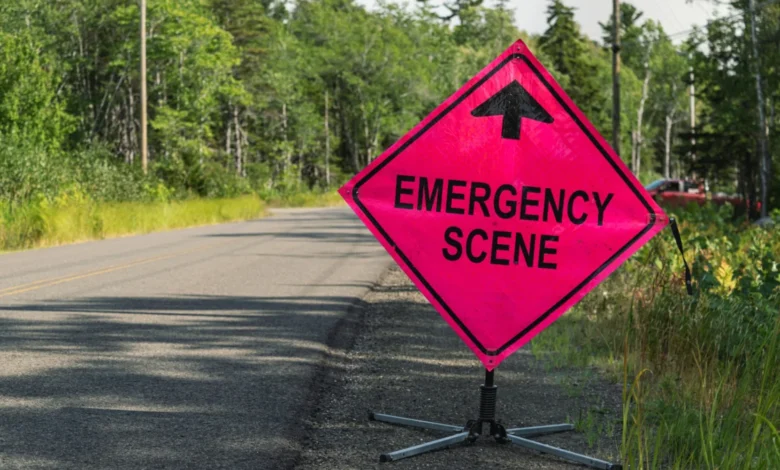
Road signs serve as the silent, essential language of the modern highway, providing critical communication between traffic authorities and the motoring public. While most drivers are intimately familiar with the standard color-coded system—yellow for warnings, red for prohibitions, green for guidance, and blue for motorist services—the appearance of a fluorescent pink sign can often trigger confusion. Unlike standard regulatory signage, which is part of the permanent infrastructure of a roadway, the fluorescent pink sign is a specialized tool reserved for incident management and emergency response.
Understanding the specific role of these signs is not merely a matter of trivia; it is a fundamental requirement for driver safety and traffic flow efficiency. These signs are deployed to manage unpredictable events, ranging from vehicle accidents and hazardous material spills to natural disasters or urgent infrastructure failures. When these signs appear, they act as a command from local authorities to alter behavior immediately, often in response to conditions that are evolving in real-time.
The Regulatory Framework: MUTCD Standards
The use of fluorescent pink in the United States is strictly governed by the Manual on Uniform Traffic Control Devices (MUTCD), a document maintained by the Federal Highway Administration (FHWA). The MUTCD serves as the national standard for all traffic control devices installed on any street, highway, bikeway, or private road open to public travel.
According to the 11th edition of the MUTCD, fluorescent pink is designated specifically for "Incident Management." The choice of color is deliberate. The fluorescent pigment provides high visibility during both daylight and low-light conditions, ensuring that the sign captures a driver’s attention more effectively than standard high-visibility yellow or white. The use of bold, black lettering provides maximum contrast, allowing for quick comprehension by drivers approaching an emergency scene at speed.
Pink vs. Orange: Distinguishing the Intent
A common point of confusion for many motorists is the visual similarity between pink signs and orange signs. While both utilize high-visibility, fluorescent backgrounds, their operational purposes are distinct.
Orange signs are the hallmark of planned work zones. These include scheduled road maintenance, utility repairs, or long-term construction projects. Because these projects are planned, they are subject to rigorous traffic management plans, public notices, and coordinated detours that allow drivers to prepare for delays in advance. When a driver encounters an orange sign, they are entering a zone where the state or local department of transportation has anticipated the disruption and designed a traffic control layout to mitigate it.
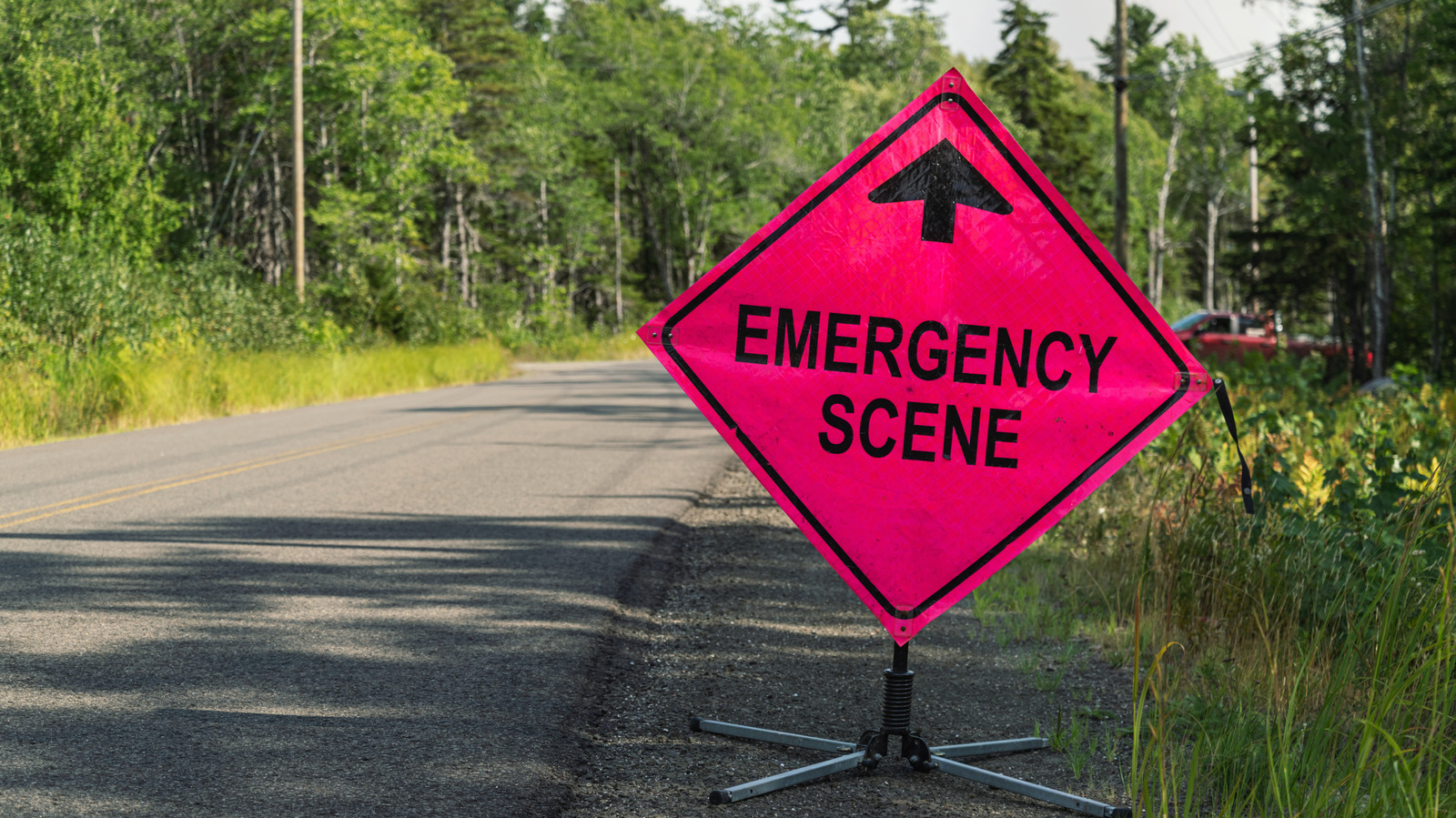
In contrast, pink signs signify the "unplanned." They are deployed during the immediate aftermath of an emergency. This could involve a major collision requiring a multi-agency response, a downed power line, a sinkhole, or a chemical spill. Because the incident was not anticipated, the signage is often deployed by first responders—such as police, fire departments, or emergency management crews—rather than construction contractors. The urgency implied by a pink sign is significantly higher than that of an orange sign, as the risk to life and property is often active and ongoing.
Chronology of an Incident Response
The deployment of a pink sign typically follows a rapid, standardized protocol:
- Incident Detection: An emergency is identified via 911 calls, highway patrol reporting, or traffic monitoring systems.
- Immediate Stabilization: First responders arrive on the scene to secure the area and assess the threat level.
- Traffic Management Strategy: Incident commanders determine if the road must be closed or if a detour is necessary.
- Signage Deployment: Personnel place portable fluorescent pink signs at strategic distances from the hazard. These signs are often mounted on collapsible stands or portable trailers.
- Monitoring and Adjustment: As the situation evolves—for example, if a fire is extinguished or a wreck is cleared—the signs are updated or removed to reflect the current state of the road.
- Clearing the Scene: Once the emergency is resolved and the road is deemed safe, the pink signs are removed, returning the traffic flow to its standard configuration.
Safety Implications and Driver Responsibility
The presence of a pink sign indicates that the environment ahead is unstable. Drivers should immediately adopt a "cautious approach" mindset. The primary risks associated with these zones include sudden braking, lane shifts, the presence of emergency personnel on foot, and debris on the roadway.
Data from the National Highway Traffic Safety Administration (NHTSA) consistently shows that secondary crashes—accidents that occur in the immediate vicinity of an existing incident—are a significant contributor to highway fatalities. When a driver ignores a "Be Prepared to Stop" or "Detour" sign, they increase the probability of colliding with emergency vehicles or civilian traffic caught in the congestion.
Furthermore, these signs may occasionally alert drivers to environmental hazards. In rare cases, such as a major industrial accident or a biological threat, the pink sign will explicitly label the hazard. In these scenarios, the sign is not just a traffic instruction but a life-saving warning to avoid a specific geographic area entirely.
Official Perspectives and Public Compliance
Law enforcement agencies emphasize that pink signs are legally binding. Disregarding an instruction on a temporary incident management sign can lead to traffic citations, particularly if that disregard causes a hazard for first responders.
"The public needs to understand that when they see a pink sign, they are entering a dynamic, dangerous environment," says an official from a state department of transportation. "These signs are not suggestions. They are the frontline of public safety. If the sign says ‘Exit Closed,’ it is because the road ahead is physically blocked or hazardous to traverse."
The effectiveness of these signs relies on the cooperation of the driving public. By slowing down and following the detour instructions, drivers not only protect themselves but also grant first responders the space and time necessary to clear the incident quickly. The faster an incident is cleared, the sooner the road can be reopened, reducing the overall economic and social cost of the disruption.
Broader Impact: The Evolution of Traffic Communication
The integration of specialized color-coding like fluorescent pink is part of a larger trend toward more sophisticated human-machine interfaces on the road. As traffic density increases, the need for clear, unambiguous communication becomes more critical.
Experts in traffic engineering argue that the success of the pink sign system lies in its psychological impact. Because pink is not a color commonly used for advertisements or standard directional signs, its appearance triggers a "novelty effect," which compels drivers to focus more intently on the text. This heightened state of alertness is a vital safety feature when every second counts during an emergency.
In the future, the physical sign may be supplemented by digital information systems. Smart road infrastructure—where electronic message boards and vehicle-to-infrastructure (V2I) communication systems broadcast the same messages seen on physical pink signs directly to a car’s dashboard—is currently being piloted in several states. However, until such technology is ubiquitous, the physical fluorescent pink sign remains the most reliable, fail-safe method of directing traffic away from danger.
Conclusion
The fluorescent pink road sign is a vital, albeit infrequent, component of our transportation network. It is a signal of emergency, a tool for incident management, and a critical piece of information for any driver. While the sight of one might cause a momentary inconvenience, it serves as a reminder of the complexity of maintaining safe roads. By recognizing the purpose of these signs and reacting with the appropriate caution, drivers play an active role in maintaining the safety and efficiency of the national highway system. Whenever you encounter these signs, remember: they are there to manage the unexpected, and your compliance is essential to ensuring that everyone involved in the incident, and everyone approaching it, arrives home safely.
Related posts: