Apple is Preparing a Significant Hardware Overhaul for the Upcoming iPad Mini Featuring OLED Technology and the A20 Pro Chip

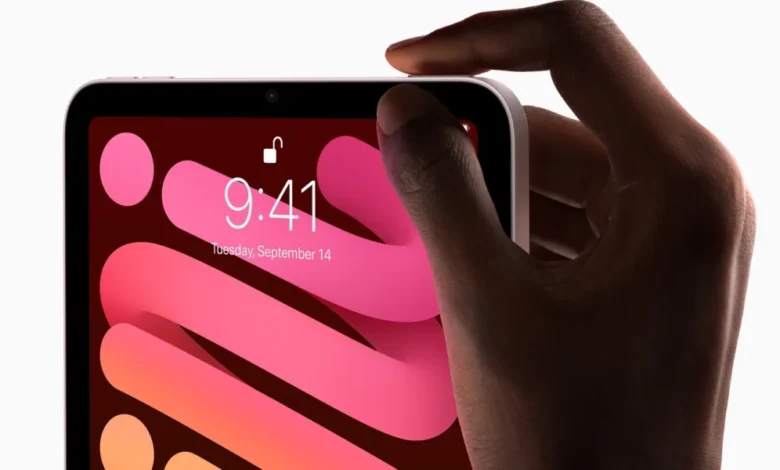
Apple’s compact tablet lineup, the iPad mini, is set to receive its most substantial technological upgrade since the 2021 redesign. According to industry reports and supply chain insights, the Cupertino-based tech giant is planning a comprehensive refresh for the device, marking a departure from the incremental updates that have characterized the model in recent years. This upcoming iteration, which follows a minor refresh in 2024, is expected to integrate advanced display technology, a significant leap in computational power, and structural design changes aimed at enhancing durability.
A History of the iPad Mini Lineup
The iPad mini has historically occupied a unique niche within Apple’s hardware ecosystem. Positioned as a portable, high-performance tablet for users who prefer a smaller form factor than the standard 10.9-inch or 13-inch models, the device has seen varying levels of focus from Apple over the last decade.
The product line underwent a major transformation in 2021, when Apple introduced a modern industrial design characterized by thin bezels, the removal of the home button, and the integration of Touch ID into the power button. Since that release, the internal specifications have received periodic boosts to maintain compatibility with modern iPadOS features. However, the anticipated 2026 update represents the first time in five years that the display technology itself will be overhauled, moving away from traditional LCD panels to advanced OLED architecture.

Transitioning to OLED Display Technology
The most anticipated feature of the next-generation iPad mini is the shift to an OLED (Organic Light-Emitting Diode) display. Unlike the current LCD panels used in the device, OLED technology allows for individual pixels to be turned off, resulting in true blacks and a theoretically infinite contrast ratio.
While industry insiders suggest this will not be the "Tandem OLED" configuration—a sophisticated dual-layer setup found in the premium M4 iPad Pro models—the display will nonetheless offer significantly improved color accuracy and energy efficiency compared to its predecessor. This transition is consistent with Apple’s long-term roadmap to standardize OLED across its mobile and tablet offerings, mirroring the evolution of the iPhone series.
However, a point of ongoing debate within the tech community concerns the refresh rate of the new panel. Current rumors remain mixed regarding whether Apple will implement ProMotion, the company’s proprietary technology that enables a variable refresh rate up to 120Hz. Should the device remain at a 60Hz refresh rate, it would mark a significant limitation in the context of a "Pro" level chip, potentially creating a bottleneck in the fluid user experience that Apple generally prioritizes for its high-performance hardware.
The A20 Pro Chip and Computational Power
At the heart of the hardware upgrade is the transition to the A20 Pro chip. Currently, the iPad mini is powered by the A17 Pro chip, which provides a balance of efficiency and performance. The move to the A20 Pro is expected to be a generational leap, likely manufactured on an advanced sub-3nm or 2nm process node.
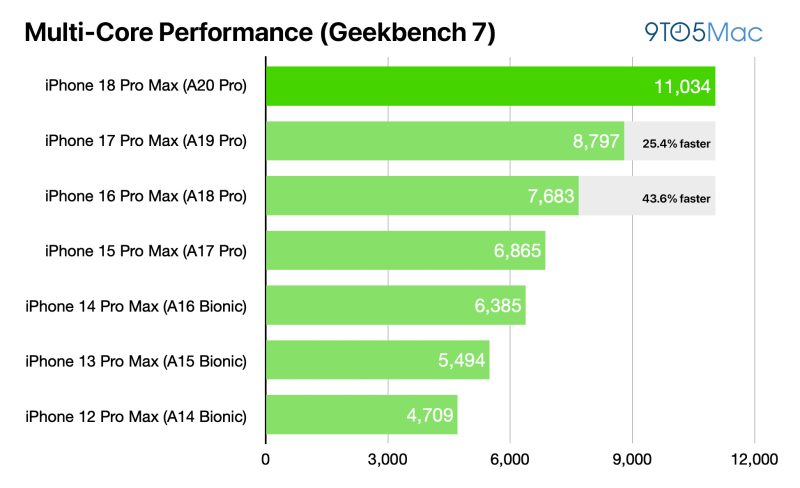
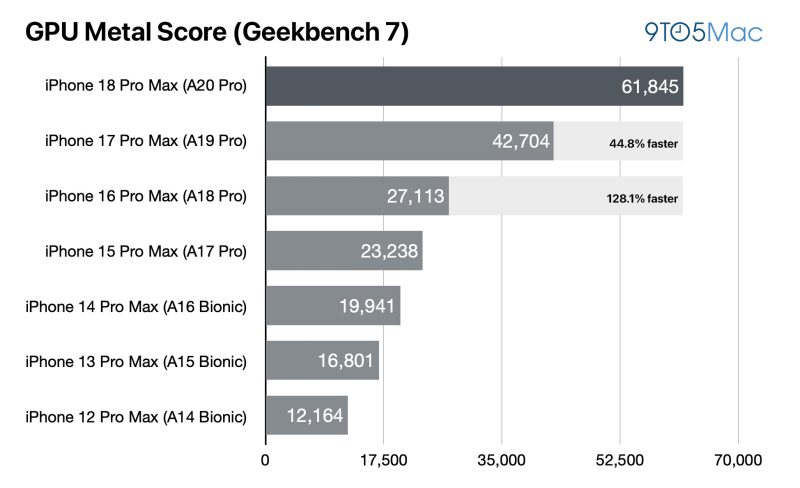
Industry projections indicate that this silicon upgrade will bring a roughly 60% improvement in multi-core CPU performance and a massive 166% increase in GPU capabilities compared to the current A17 Pro architecture. This is particularly significant for users who engage in creative workflows, gaming, or augmented reality applications.
Equally important is the reported inclusion of 12GB of RAM. The current model features 8GB of memory, which is sufficient for standard tasks but creates limitations when running advanced on-device artificial intelligence models. By increasing the memory to 12GB, Apple is effectively future-proofing the iPad mini to handle local Large Language Models (LLMs) and advanced Siri AI functions, ensuring that the device remains relevant as the company continues to integrate deeper machine learning capabilities into its operating system.
Durability: The Move Toward Water Resistance
One of the most notable design shifts rumored for this iteration is the inclusion of water resistance. The iPad product line has historically lacked official IP-rated water and dust resistance, a feature standard on smartphones. To achieve this, Apple has reportedly redesigned the internal casing and the speaker assemblies.
The new speaker design is engineered to facilitate the drainage of water, protecting the internal components from damage in environments where moisture is present. While the specific IP rating remains unconfirmed, the implementation of these measures suggests that Apple is positioning the iPad mini as a more robust, "go-anywhere" device, further distinguishing it from the larger, more stationary iPad Pro models.
Financial Implications and Market Positioning
The increased cost of integrating OLED panels, a cutting-edge processor, and specialized sealing components for water resistance is expected to have a direct impact on consumer pricing. Reports from industry analysts, including Mark Gurman of Bloomberg, suggest that the starting price for the new iPad mini could climb to $799.
This represents a substantial $200 increase over the current $599 starting price. For Apple, this shift signifies a move to rebrand the iPad mini as a premium, high-performance tool rather than an entry-level tablet. The primary question for consumers will be the base storage capacity. At a $799 price point, there is significant pressure on Apple to increase the starting storage from the current 128GB to 256GB, which would help justify the price hike to a market segment that values value-to-performance ratios.
Broader Impact and Industry Context
The upcoming iPad mini launch is emblematic of Apple’s broader strategy: saturating its product lineup with high-performance silicon to support a unified AI ecosystem. By ensuring that even its smallest tablet is capable of running advanced, local-first artificial intelligence, Apple is reinforcing the "Apple Intelligence" narrative that has dominated its software announcements throughout 2025 and 2026.
Furthermore, the decision to prioritize the iPad mini suggests that Apple recognizes a persistent, dedicated user base for smaller tablets. Despite the growth of large-screen smartphones, the iPad mini continues to serve a specific demographic—including pilots, medical professionals, and frequent travelers—who require the ergonomics of a smaller slate combined with the power of a modern computer.

Analysis of Implications
From a market perspective, the move to an OLED-equipped, A20-powered iPad mini creates a distinct tiering in the tablet market. It places the device in direct competition with high-end premium Android tablets, while simultaneously challenging the value proposition of the base-model iPad.
If the performance benchmarks of the A20 Pro hold true, the iPad mini may become the most efficient mobile device in Apple’s catalog for specific professional tasks. However, the potential lack of a 120Hz display remains a potential friction point. In an era where even mid-range smartphones feature high-refresh-rate displays, the absence of ProMotion on a device priced at $799 could lead to critical reception challenges.
Ultimately, the 2026 iPad mini appears to be a study in compromises and calculated upgrades. By focusing on the display, processor, and durability, Apple is clearly aiming to elevate the iPad mini from a secondary, "leisure" device to a primary, "performance" device. The success of this strategy will depend largely on whether the market is willing to accept a higher price floor for the sake of these technological advancements. As the release date approaches, the industry will be watching closely to see if Apple delivers the full-featured experience that these specifications suggest, or if the device remains constrained by its smaller form factor.
Related posts: