Linkind Smart Light Stick Pro Review: Redefining Residential Ambiance Through Matter-Integrated Precision Lighting

The landscape of domestic automation has undergone a seismic shift over the last decade, transitioning from basic remote-controlled switches to complex, software-driven ecosystems. At the forefront of this evolution is the integration of the Matter smart home standard, a universal protocol designed to bridge the interoperability gap between competing platforms like Apple Home, Google Home, and Amazon Alexa. The latest hardware entry into this space, the Linkind Smart Light Stick, represents a departure from traditional bulb aesthetics, moving toward a high-fidelity, addressable lighting architecture that prioritizes both visual customization and systemic reliability.
Architectural Evolution in Smart Lighting
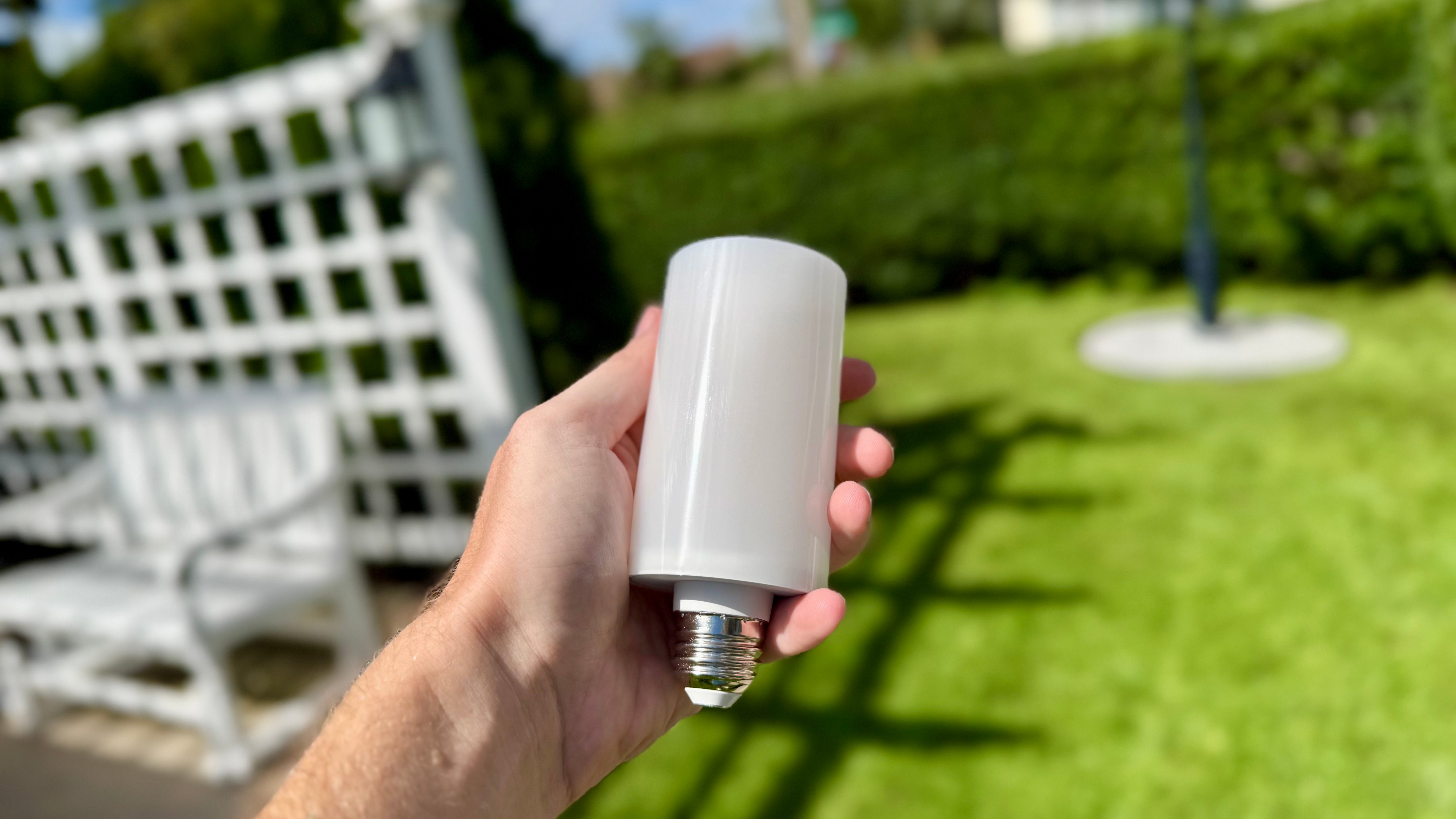
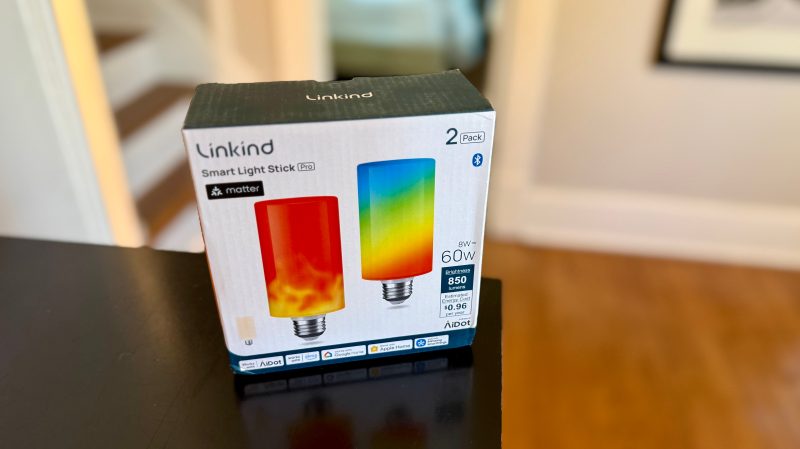
For years, the industry standard for smart bulbs has been the A19 pear-shaped form factor. While functional, this design often limits the aesthetic versatility of lighting fixtures, particularly those that are transparent or exposed. Linkind’s decision to adopt a cylindrical, frosted design is a calculated move to address these limitations. By utilizing a slim, elongated profile, the Light Stick allows for more uniform light diffusion. This is critical for addressable LED technology, where the goal is to create smooth gradients rather than harsh, pixelated color transitions.
The hardware is designed for high-lumen output while maintaining a color-rendering index (CRI) that supports both functional task lighting and atmospheric mood setting. Unlike older iterations of smart bulbs, which often relied on proprietary bridges or unstable Wi-Fi connections, the Linkind Smart Light Stick leverages the Matter over Wi-Fi protocol. This ensures that the device can be integrated into a smart home ecosystem within seconds, bypassing the necessity for exhaustive account creation or secondary hub hardware, though the latter remains an option for power users.
The Role of the AiDot Ecosystem
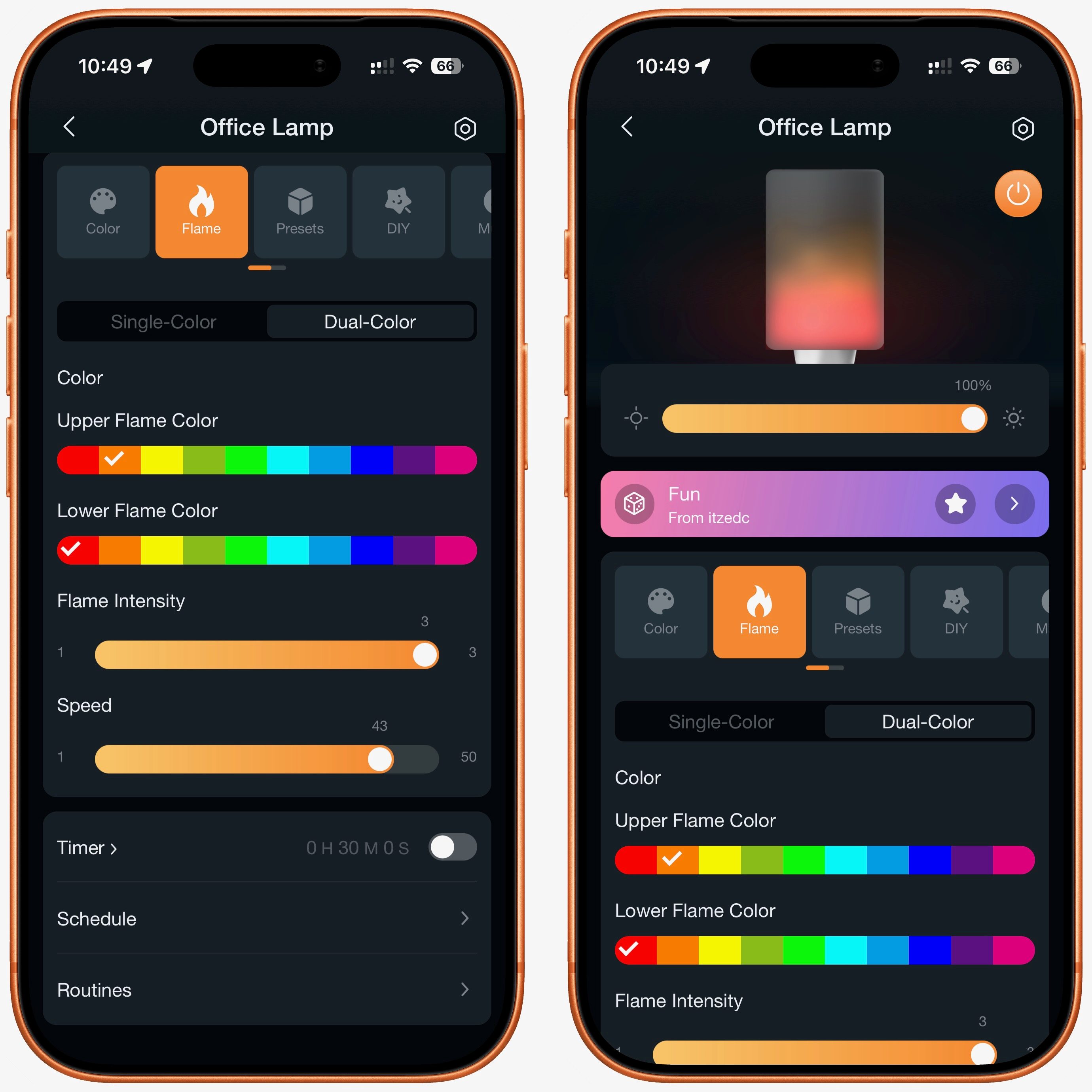
While Matter provides the baseline for connectivity, the depth of the Linkind experience is found within the AiDot application. In the contemporary smart home market, manufacturers are increasingly separating "basic functionality" from "advanced customization." Matter ensures the former, while the AiDot app unlocks the latter.
The application serves as a command center for the bulb’s 50 individually addressable zones. This is not merely a novelty feature; it is an implementation of granular control that was previously reserved for expensive, professional-grade LED strips. By allowing users to paint light across the surface of a single bulb, Linkind has effectively turned a standard socket into a localized display unit.
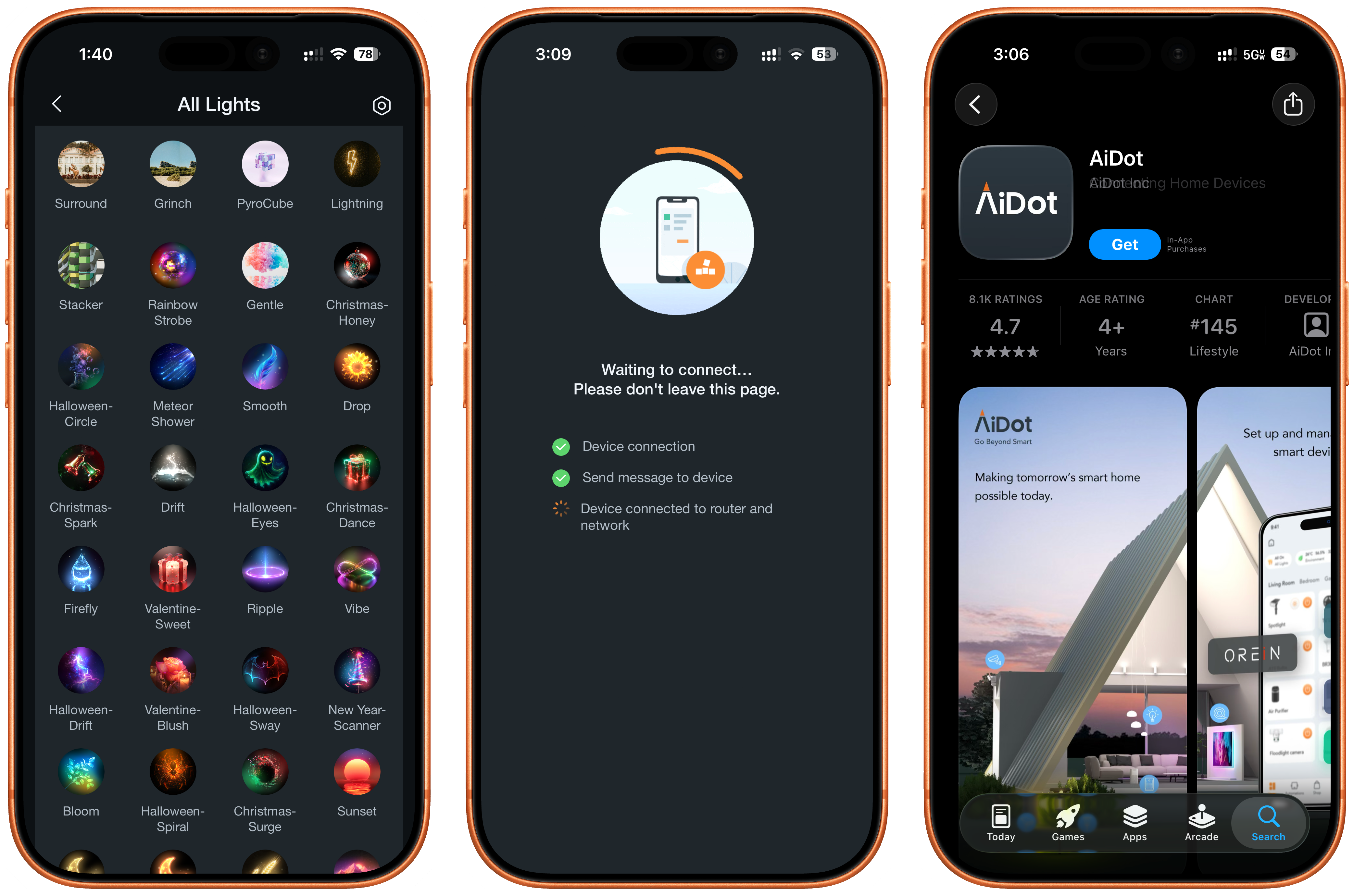
The software’s utility is further bolstered by an expansive library of dynamic scenes. Data regarding user trends in smart lighting indicates that while many consumers purchase smart bulbs for their potential, they frequently rely on pre-configured presets. Linkind has responded to this by offering a high-volume, rotating catalog of scenes that sync with seasonal shifts, holidays, and circadian rhythm cycles.
Chronology of the Smart Lighting Transition
The rise of the Linkind Light Stick sits at the tail end of a significant timeline in the home automation industry:
- 2014-2017: The era of fragmented ecosystems. Users were forced to choose between Zigbee, Z-Wave, or proprietary Wi-Fi bulbs, often requiring multiple hubs to manage a single household.
- 2018-2022: The emergence of "Smart Lighting 2.0," where brands began focusing on color accuracy and improved integration with voice assistants like Siri and Google Assistant.
- 2023-2025: The "Matter Era." With the standardization of the Matter protocol, hardware manufacturers shifted focus from mere connectivity to "intelligent hardware design"—creating devices that are physically superior to the "dumb" bulbs they replace.
- Late 2026: The current market environment, characterized by the adoption of addressable LED zones in standard-socket hardware, as seen in the Linkind Light Stick.
Performance and Technical Application
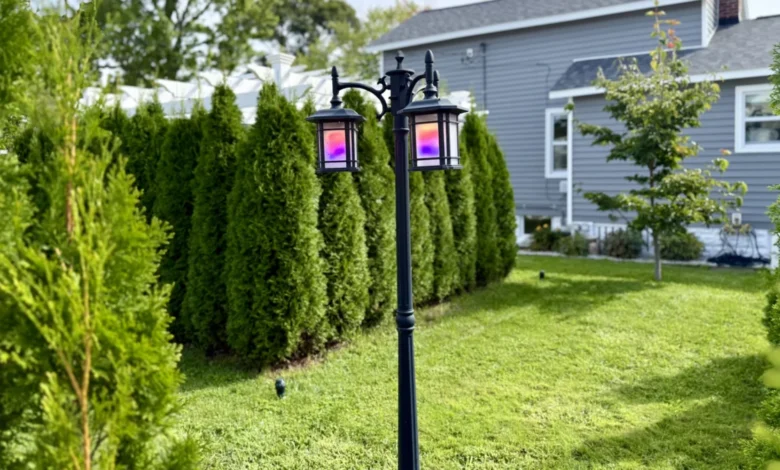
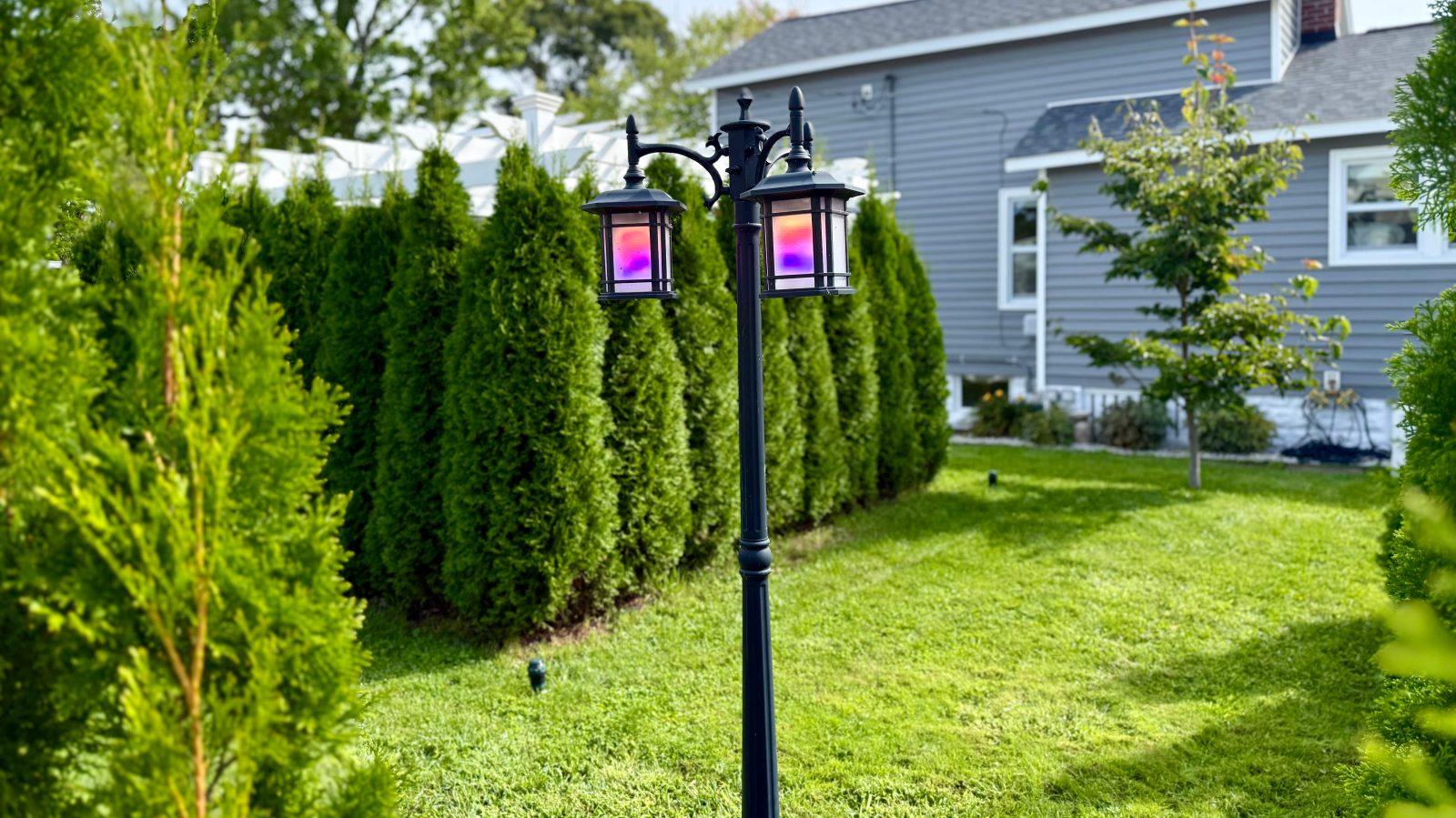
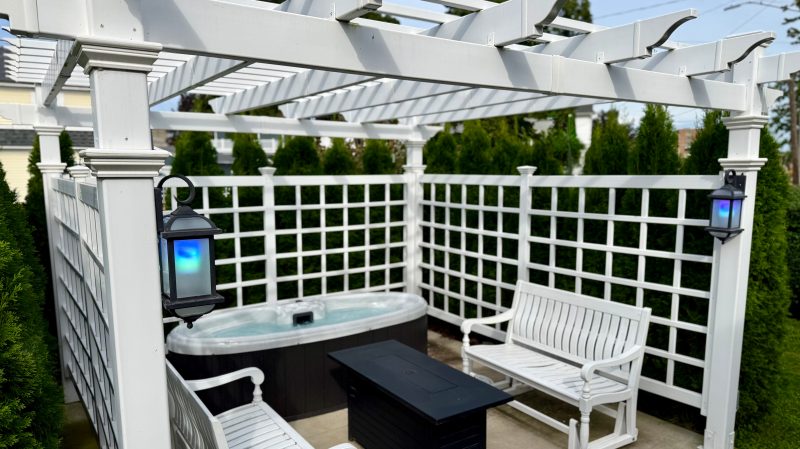
Field testing of the Linkind Smart Light Stick highlights its efficacy in diverse environments. When installed in transparent outdoor lanterns, the cylindrical design proves its value by eliminating the "shadow zones" often created by the opaque base of traditional bulbs.
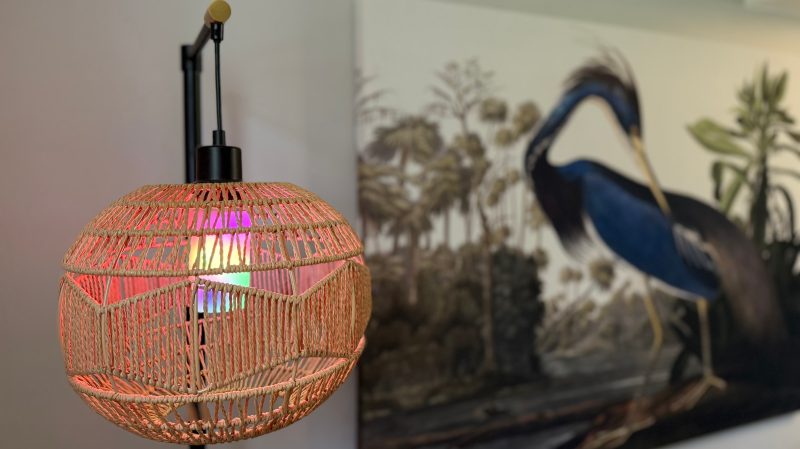
The most notable technical achievement is the flame simulation effect. Achieving a realistic fire-flicker has long been the "holy grail" of decorative LED lighting. Older solutions often appeared stuttered or used a fixed-frequency strobe. The Linkind solution utilizes its addressable zones to create a fluid, randomized motion that mimics the organic movement of a flame. This is achieved through the interaction between the frosted exterior and the software-defined timing of the internal diodes.
Broader Market Implications
The introduction of products like the Linkind Smart Light Stick signifies a broader trend: the commoditization of advanced lighting features. Only a few years ago, the ability to control 50 individual segments within a single bulb would have required custom programming or expensive industrial controllers. By bringing this technology to the $40 price point, Linkind is forcing a competitive response from incumbent players in the lighting market.
From an economic perspective, this is a positive development for the consumer. As these technologies become standard, the barrier to entry for a fully automated, responsive home decreases. Furthermore, the longevity of these LED-based units, combined with the energy efficiency provided by smart scheduling, aligns with the growing consumer demand for sustainable, long-term home improvement investments.
Official Positioning and Industry Outlook
While Linkind has not released specific sales figures, the market positioning of the Light Stick suggests an aggressive push into the "prosumer" category. By offering a product that appeals to both the casual user—who values the "plug and play" nature of Matter—and the enthusiast, who demands deep app customization, the company is attempting to capture the middle ground of the market.
Industry analysts suggest that the next phase of the smart lighting revolution will be defined by "ambient intelligence." This refers to lighting that does not require direct input from the user but instead reacts to environmental stimuli, such as the time of day, the presence of people, or even the content being displayed on a nearby television. The Linkind Smart Light Stick, with its addressable zones and robust software support, is architecturally positioned to participate in this future-facing integration.
Conclusion and Practical Utility
The Linkind Smart Light Stick Pro is more than a lighting tool; it is a manifestation of the current state of consumer electronics, where the synergy between hardware and software defines the value proposition. By moving away from the restrictive A19 form factor and embracing granular, addressable light control, Linkind has set a new benchmark for what is expected from a standard light bulb.
For the average homeowner, the implications are straightforward: the ability to elevate a space through high-end, customizable lighting is now accessible, reliable, and aesthetically sophisticated. As the smart home continues to mature, hardware that manages to be both complex in function and simple in operation will likely lead the market. At its current retail price, the device serves as a compelling entry point for those looking to expand their home’s capabilities beyond basic on-off functionality, offering a glimpse into the future of domestic, reactive environments.