Apple Deploys Advanced Box-Scanning Diagnostic Hardware to Combat Retail Fraud and Internal Inventory Tampering

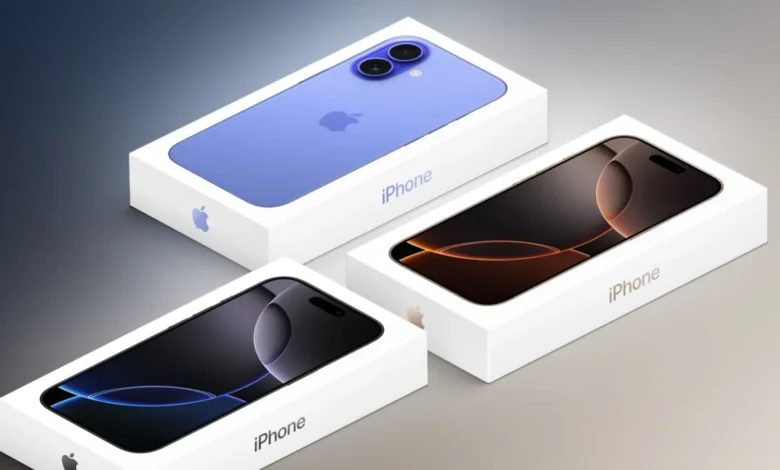
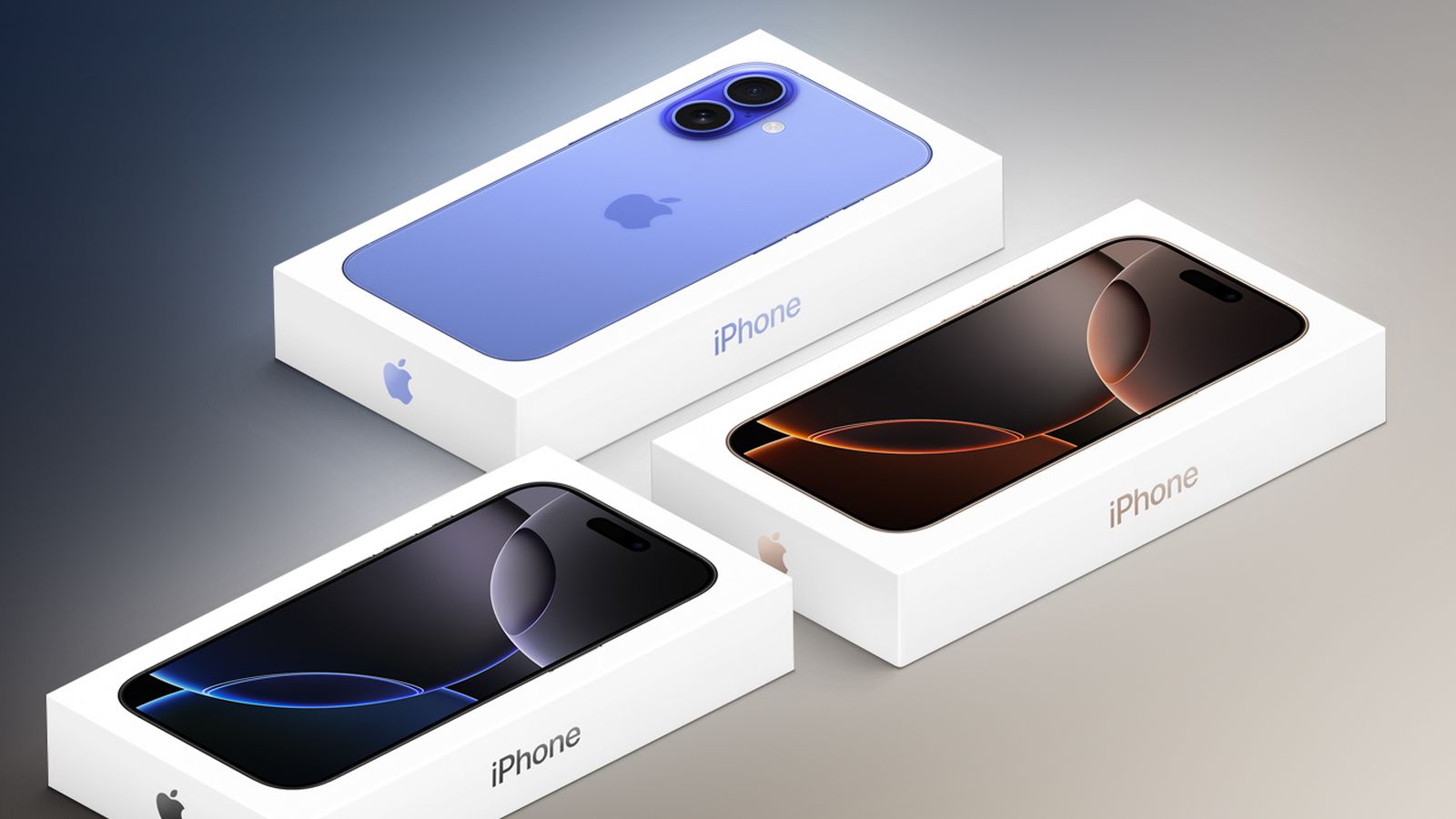
Apple Inc. has introduced a novel technological countermeasure across its global network of retail stores designed to combat an increasingly sophisticated form of consumer fraud. According to recent reports detailing operations within Apple retail environments, the tech giant is deploying a specialized scanning device to verify the contents of returned iPhone packaging without requiring physical unsealing. This strategic shift aims to protect corporate inventory, minimize retail shrinkage, and streamline the customer return process by leveraging non-invasive diagnostic capabilities.
The deployment, which began rolling out to select corporate-run retail locations earlier this month, addresses a persistent vulnerability in traditional product return protocols. For years, consumer electronics retailers—including Apple—have struggled with organized tampering schemes where dishonest buyers purchase high-value items, systematically strip them of valuable accessories, extract internal hardware components, or replace the genuine device with a counterfeit or dead unit before carefully resealing the packaging to mimic factory-fresh conditions.
The Evolution of Retail Return Fraud in Flagship Stores
Return fraud and inventory manipulation have long posed significant financial and logistical challenges for major electronics manufacturers and brick-and-mortar retailers. Unlike standard apparel or home goods, high-end consumer technology products carry substantial monetary value per square inch, making them primary targets for illicit exploitation.
Historically, Apple store employees tasked with handling customer returns were instructed to perform manual visual and tactile inspections. Staff members would manually slice open plastic wrapping, lift lids, and inspect the physical device to ensure that the handset, USB-C cables, documentation, and associated components matched the expected inventory profile. However, this traditional method presented multiple operational drawbacks.
Manual inspections are labor-intensive, time-consuming during peak retail hours, and prone to human error. A hurried or distracted employee might easily overlook a missing charging cable, fail to notice that a device’s internal logic board has been swapped out, or miss subtle signs of tampering on advanced counterfeit packaging. Furthermore, once a box was manually opened for verification, it could no longer be sold as a brand-new, factory-sealed unit. Even if the returned hardware was confirmed to be pristine and entirely untouched, breaking the outer seal forced the store to downgrade the item to open-box inventory, resulting in immediate margin compression and logistical friction when redistributing the product back into the supply chain.
The New Technological Solution: Non-Invasive Box Scanning
To resolve these inefficiencies, Apple’s retail engineering and supply chain divisions developed a proprietary diagnostic tool capable of peering inside sealed packaging. According to insights published in industry newsletters by prominent technology journalists tracking Apple’s supply chain, the newly introduced hardware device enables retail specialists to place an unopened iPhone box directly onto or into a specialized scanning station.
The proprietary machine interfaces directly with the internal electronics of the boxed iPhone via advanced wireless or near-field communication protocols. Once activated, the diagnostic software executes a comprehensive series of automated system checks. It verifies the unique serial number of the internal device, tests battery health metrics, checks firmware integrity, and confirms that all primary logic board components and associated microchips match the cryptographic identifiers printed on the exterior barcode and packaging labels.
Crucially, this diagnostic assessment is performed entirely from the exterior. If the device inside the box is authentic, completely intact, and verified as unmanipulated, the scanning system greenlights the return. The packaging remains structurally untouched and factory-sealed, allowing store managers to immediately return the item to active shelf inventory or restock it for direct purchase by subsequent consumers. This capability drastically reduces the volume of discounted open-box stock and preserves the pristine presentation expected from Apple retail stores worldwide.
Chronology of Retail Security Enhancements at Apple
The implementation of the box-scanning diagnostic tool represents the latest milestone in Apple’s multi-decade evolution of retail loss prevention strategies. Understanding the trajectory of these security measures provides critical context for the current technological intervention.
Early Years and Trust-Based Protocols (2001–2010): During the initial rollout of Apple’s retail store footprint under the leadership of Ron Johnson, customer service policies heavily prioritized an frictionless, welcoming consumer experience. Return windows were generous, and frontline employees were given significant autonomy to approve returns and exchanges with minimal bureaucratic delay. While customer satisfaction soared, this open policy inadvertently attracted early waves of opportunistic fraud.
Rise of Digital Serial Tracking and Point-of-Sale Locks (2011–2020): As smartphones evolved into essential, high-cost personal devices, Apple tightened its software-level security. The introduction of Activation Lock and advanced cloud-based device tracking meant that stolen or manipulated iPhones could be remotely bricked, rendering them virtually useless on the secondary market. However, these software blocks did not prevent bad actors from exploiting physical return windows before the devices were flagged as missing or compromised.
Post-Pandemic Retail Pressures and Advanced Tampering (2021–2025): In the wake of global supply chain disruptions and inflationary pressures, organized retail crime (ORC) networks became more sophisticated. Fraudsters shifted tactics from outright smash-and-grab robberies—which triggered heavy security investments like reinforced glass and security guards—to white-collar return manipulation. Syndicates developed precision tools to replicate shrink-wrap, peel back security seals without leaving visible tearing, and extract internal components while leaving decoy weight inside the box to fool manual weigh-ins.
The Rollout of Automated Box Diagnostics (October 2026): Facing mounting inventory discrepancies associated with sophisticated box-tampering rings, Apple initiated the deployment of exterior diagnostic scanners to its global retail workforce, fundamentally altering how front-line employees authenticate high-value returns.
Broader Economic and Logistical Implications
The deployment of automated diagnostic scanning for sealed returns carries significant implications for both retail operations and consumer electronics economics. From an operational perspective, the financial impact of retail shrinkage—encompassing external theft, internal collusion, and fraudulent returns—costs the global retail sector tens of billions of dollars annually. For premium brands like Apple, where average selling prices for flagship hardware frequently exceed one thousand dollars, even a fractional percentage of fraudulent returns translates into substantial annual losses.
By shifting from subjective human inspection to objective automated verification, Apple achieves two primary objectives: closing a glaring security loophole exploited by modern fraud rings and optimizing inventory efficiency. Every box that successfully passes the diagnostic scan and avoids being downgraded to open-box status represents saved margin and reduced labor overhead.
Furthermore, the technology serves as a psychological deterrent. As word spreads among fraudulent networks that Apple stores possess the capability to cryptographically verify internal device integrity through unopened packaging, the viability of box-stuffing and component-swapping scams diminishes rapidly. Fraudsters attempting to return dummy devices or gutted boxes will face immediate system rejections at the point of sale, allowing loss prevention teams to intervene and flag suspicious customer profiles in real time.
Challenges and Future Outlook for Retail Security
Despite the clear operational advantages of the new diagnostic hardware, industry analysts note that retail security is an ongoing cat-and-mouse game. As manufacturers deploy advanced cryptographic and non-invasive scanning technologies to protect their supply chains, bad actors continuously adapt their methodologies to bypass new safeguards.
Future iterations of retail return verification systems will likely incorporate machine learning algorithms capable of detecting anomalous weight distribution, microscopic packaging alterations, or advanced spoofing signals designed to trick exterior sensors. Additionally, as Apple expands its ecosystem to include increasingly complex hardware architectures—such as rumored touch-screen MacBooks, specialized smart home display hubs, and augmented reality wearables—the underlying diagnostic infrastructure developed for the iPhone will likely be adapted to secure a broader range of product categories.
For the everyday consumer, the introduction of these scanners should translate into a smoother, faster return experience when genuine changes of mind occur, while ensuring that retail stores remain insulated from the rising costs of sophisticated electronic fraud. As Apple continues to refine its in-store diagnostic capabilities throughout the final quarter of the year, the initiative stands as a prime example of how modern physical retail must integrate advanced software and hardware diagnostics to safeguard high-value supply chains in an increasingly complex commercial landscape.
Related posts: