Samsung Unveils Galaxy Card in U.S. Market, Bolstering Ecosystem with New Financial Offering


Following a flurry of groundbreaking announcements at Samsung’s highly anticipated Galaxy Unpacked event on July 22, the technology giant made an additional strategic revelation: its official entry into the U.S. credit card market with the introduction of the Samsung Galaxy Card. This move signifies a significant expansion of Samsung’s financial services portfolio, aiming to deepen customer loyalty and integrate payment solutions seamlessly into its expansive Galaxy ecosystem. The new credit card, available for application immediately, is poised to offer users a novel way to accrue cash rewards on both everyday expenditures and purchases made within the Samsung universe.
The Genesis of the Galaxy Card: A Strategic Expansion
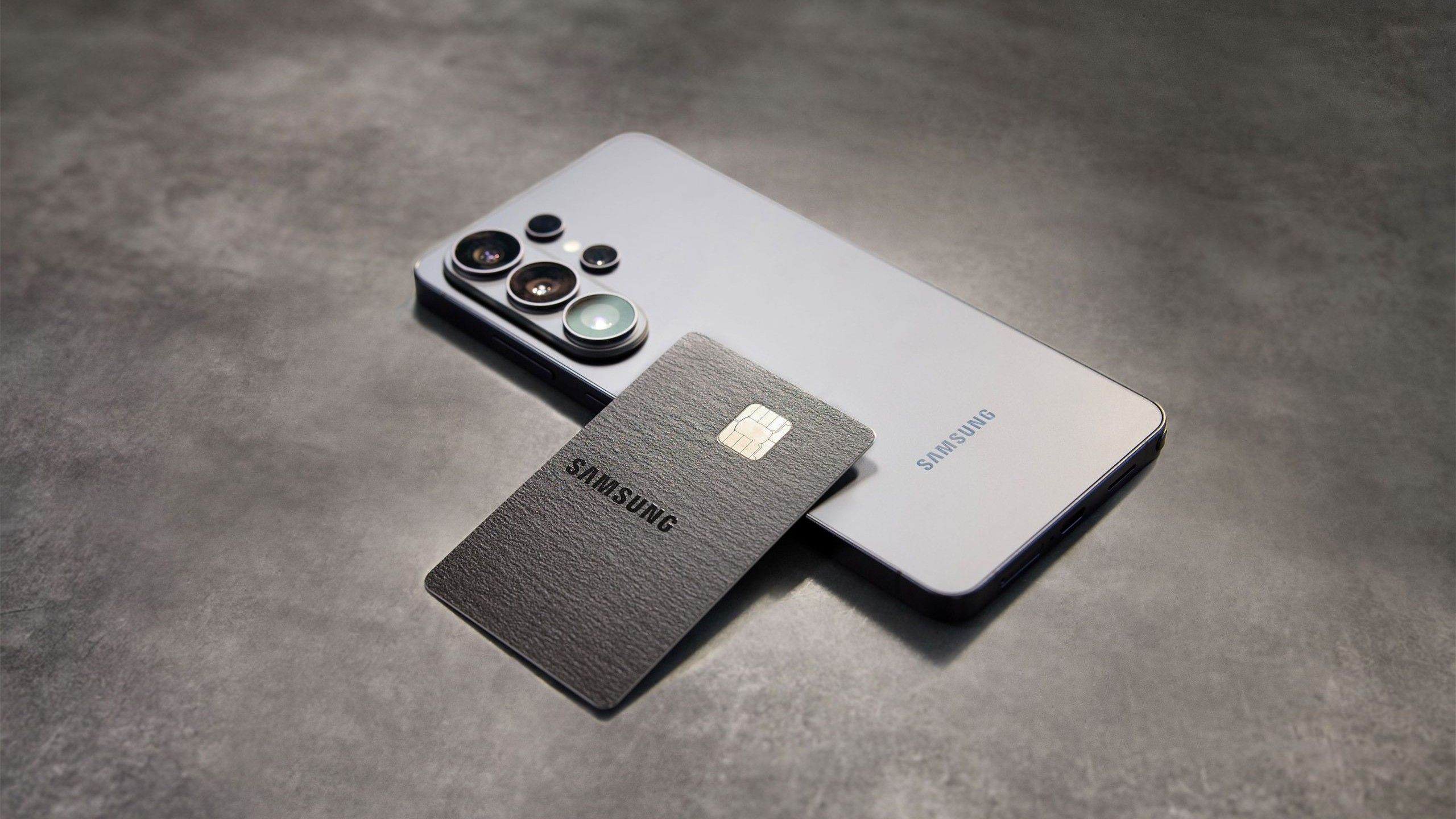
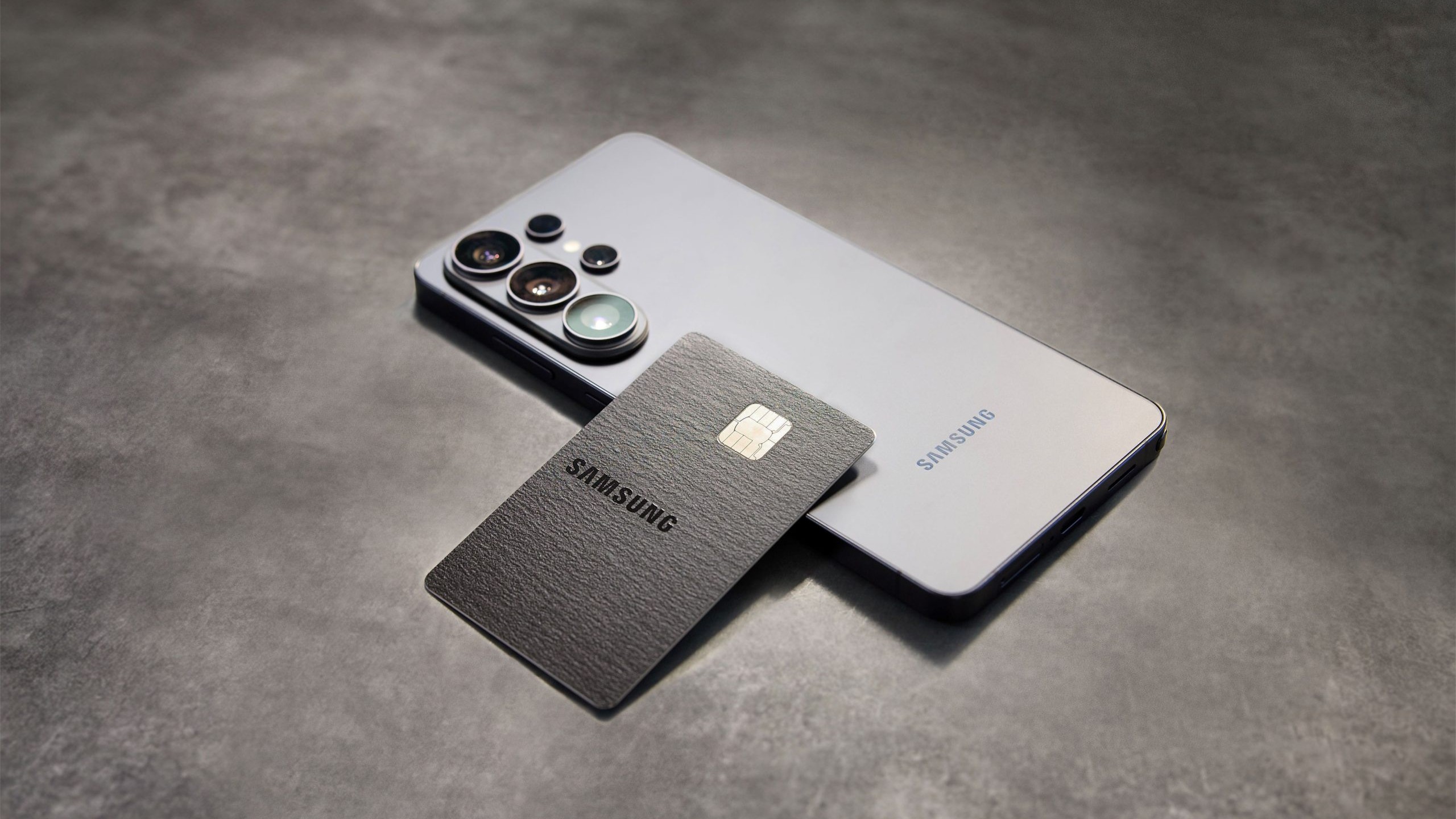
Samsung officially unveiled the Galaxy Card through a comprehensive press release, positioning it as the brand’s inaugural credit card offering in the United States. Designed to cater to the modern consumer, the card emphasizes digital integration and a robust rewards program. Available in both a virtual format for immediate use and a sleek, premium black metal physical card, the Galaxy Card is engineered for full compatibility with Samsung Wallet, the company’s digital payment platform. This strategic launch is the culmination of a collaborative effort with Barclays U.S. Consumer Bank, a prominent issuer of co-branded credit cards, operating on the globally recognized Visa network. This partnership is explicitly designed to deliver innovative payment options and enhanced value to Samsung’s extensive customer base.
The core appeal of the Galaxy Card lies in its compelling reward structure, coupled with the absence of an annual fee. Consumers are incentivized with a substantial 5% cash reward on eligible purchases made directly through Samsung’s various channels, including its online store and retail outlets. Furthermore, the card offers exclusive benefits related to the Samsung VIP Advantage program, providing cardholders with 20% off the membership itself and an additional 5% cash reward when purchasing or renewing a Samsung VIP Advantage membership. Beyond these Samsung-specific perks, the Galaxy Card is designed to be a competitive general-purpose credit card, offering tiered rewards across a range of common spending categories to maximize utility for its users. While specific details on all "remaining cash rewards" were not fully enumerated in the initial announcement, such co-branded cards typically extend benefits to categories like streaming services, dining, groceries, and general purchases, often ranging from 1% to 3% cashback, aiming to rival established players in the rewards credit card space. This comprehensive approach seeks to make the Galaxy Card a primary payment method for loyal Samsung customers and beyond.
A Detailed Look at the Card’s Features and Benefits
The physical manifestation of the Galaxy Card, particularly the premium black metal option, underscores Samsung’s commitment to design and brand identity, mirroring the aesthetic appeal often associated with its high-end electronic devices. This choice of material and color is not merely cosmetic; it signals a premium offering intended to compete with other design-centric cards in the market, such as the Apple Card’s titanium finish. The virtual card, immediately accessible upon approval, facilitates instant use through Samsung Wallet, aligning with the growing trend of digital-first financial products.
Integration with Samsung Wallet is a cornerstone of the Galaxy Card’s functionality. Users can apply for the card directly through the Samsung Wallet app, manage their account, track transactions, and redeem rewards seamlessly within a familiar interface. This deep integration streamlines the user experience, making the card not just a payment tool but an integral part of the broader Samsung digital ecosystem. Samsung Wallet itself has evolved significantly since its inception, moving from primarily supporting Magnetic Secure Transmission (MST) to embracing Near Field Communication (NFC) technology, and expanding its capabilities to include digital keys, vaccine passes, and even installment payment options for in-store purchases. The Galaxy Card further solidifies Samsung Wallet’s position as a central hub for users’ digital lives.
The absence of an annual fee is a critical competitive advantage, making the card accessible to a wider demographic of consumers who might be wary of recurring charges. This positions the Galaxy Card as an attractive option for value-conscious individuals, particularly those who frequently engage with Samsung products and services. The 5% cashback on Samsung purchases is particularly compelling given the high price points of many of Samsung’s flagship devices, appliances, and accessories, potentially translating into significant savings for loyal customers. For instance, purchasing a new Galaxy Z Fold or a high-end Neo QLED TV could yield hundreds of dollars in cashback, directly reinforcing the value proposition for dedicated Samsung users.
A Chronology of Anticipation and Development
The official launch of the Galaxy Card at Galaxy Unpacked on July 22 was not entirely unexpected. Whispers and reports about Samsung’s ambitions in the credit card space had been circulating for several months, building anticipation among industry observers and consumers alike. Late last year, specifically in late 2023, credible reports emerged suggesting that Samsung was actively engaged in discussions with Barclays U.S. Consumer Bank to develop its own branded credit card for the American market. These early reports, which sometimes referred to the prospective product as the "Samsung Card," indicated the company’s interest in offering cashback on its devices and appliances, along with potential features like digital prepaid accounts.
This period of speculation underscored Samsung’s clear intent to diversify its revenue streams and fortify its consumer ecosystem. The strategic timing of the announcement, coinciding with Galaxy Unpacked, served to amplify its impact, placing the new financial product alongside a suite of cutting-edge hardware revelations, including new smartwatches like the Galaxy Watch 9 and Watch Ultra 2, and the latest generation of foldable smartphones, the Galaxy Z Fold 8 Ultra and Galaxy Z Flip 8. This synchronized launch strategy highlights Samsung’s vision of a holistic, interconnected user experience where payments, devices, and services are inextricably linked.
The development timeline from rumor to reality demonstrates Samsung’s calculated approach to market entry. The company meticulously planned its partnership with Barclays, leveraging the latter’s extensive experience in credit card issuance and risk management, while integrating the product within its established digital payment infrastructure. This deliberate process aimed to ensure a robust, secure, and appealing financial product ready for immediate consumer adoption upon announcement.
Statements and Reactions from Key Stakeholders
In official communications, Samsung emphasized the Galaxy Card as a natural extension of its commitment to delivering innovative experiences. A spokesperson for Samsung noted, "The Galaxy Card represents a significant step in our mission to enhance the digital lifestyle of our users. By partnering with Barclays and leveraging the Visa network, we are providing a powerful financial tool that rewards our loyal customers and integrates seamlessly into their daily lives through Samsung Wallet." This statement underscores the strategic importance of the card in reinforcing Samsung’s ecosystem.
Barclays U.S. Consumer Bank, a key partner in this venture, also expressed enthusiasm. A representative stated, "We are thrilled to collaborate with Samsung, a global leader in technology, to bring the Galaxy Card to the U.S. market. Our expertise in co-branded credit programs, combined with Samsung’s innovative ecosystem, creates a compelling offering for consumers seeking value and convenience." This highlights Barclays’ role as an experienced financial services provider, bringing the necessary regulatory and operational infrastructure to the partnership.
Visa, as the payment network powering the Galaxy Card, reiterated its commitment to supporting innovative payment solutions. A Visa spokesperson commented, "The launch of the Samsung Galaxy Card on the Visa network further expands access to digital payments and rewards. We are proud to facilitate secure and seamless transactions for Samsung and Barclays, empowering consumers with more choices in how they pay." This emphasizes Visa’s role in ensuring widespread acceptance and transaction security.
Initial reactions from industry analysts have been largely positive, viewing the Galaxy Card as a logical and strategic move for Samsung. Analysts anticipate the card will strengthen Samsung’s position in the competitive consumer electronics market by fostering greater brand loyalty and providing a new revenue stream.
Broader Impact and Market Implications
The introduction of the Samsung Galaxy Card in the U.S. market carries significant implications for both the technology and financial sectors. Fundamentally, it marks a direct challenge to competitors, most notably Apple, which launched its highly successful Apple Card in partnership with Goldman Sachs and Mastercard in 2019. The Apple Card similarly offers cashback rewards on Apple purchases (3%), Apple Pay transactions (2%), and all other purchases (1%), alongside a strong emphasis on digital integration and a premium physical card. Samsung’s entry with the Galaxy Card suggests a heated competition to capture and retain tech-savvy consumers through integrated financial services.
This rivalry extends beyond mere cashback percentages. Both companies are strategically using credit cards as a tool for "ecosystem lock-in," encouraging users to remain within their respective brand environments. By offering superior rewards and seamless integration for their own products and services, Samsung aims to make its ecosystem even more sticky, enticing customers to choose Galaxy devices and services over alternatives. This strategy is critical in an increasingly commoditized tech market where differentiation often comes down to the breadth and depth of a company’s integrated offerings.
Furthermore, the Galaxy Card’s launch contributes to a broader trend of non-financial companies, particularly in the tech space, venturing into financial services. This convergence highlights the growing importance of data, user experience, and brand loyalty in the financial sector. Tech giants like Samsung possess vast user bases and sophisticated data analytics capabilities, enabling them to tailor financial products that are highly relevant to their customers’ spending habits and preferences.
For consumers, the Galaxy Card represents another option in an already crowded credit card market. Its appeal will largely depend on the specific spending patterns of individuals. For dedicated Samsung enthusiasts who regularly upgrade their devices or purchase Samsung appliances, the 5% cashback on Samsung purchases could be a compelling incentive. The card’s $0 annual fee and potential for diverse reward categories also make it a viable contender for a general-purpose credit card for a broader audience. However, the success of the card will also hinge on competitive interest rates, transparent terms, and excellent customer service, all factors that consumers weigh heavily when choosing a credit product.
Looking ahead, the Galaxy Card could serve as a foundational element for further expansion of Samsung’s financial services globally or into other product categories. The company might explore additional features, loyalty tiers, or even specialized financial products tailored to specific segments of its user base. The success of this initial U.S. launch will undoubtedly inform Samsung’s future strategies in the rapidly evolving intersection of technology and finance.
In conclusion, Samsung’s Galaxy Card is more than just a new credit card; it is a strategic maneuver designed to solidify its ecosystem, challenge key competitors, and offer enhanced value to its loyal customer base. By combining a compelling rewards program with seamless digital integration and a premium physical design, Samsung is making a significant statement about its ambitions in the financial services landscape, aiming to transform how its users interact with their finances within the vibrant Galaxy universe.