Oura Escalates Smart Ring Wars with Fresh Patent Lawsuit Against Rival Ultrahuman

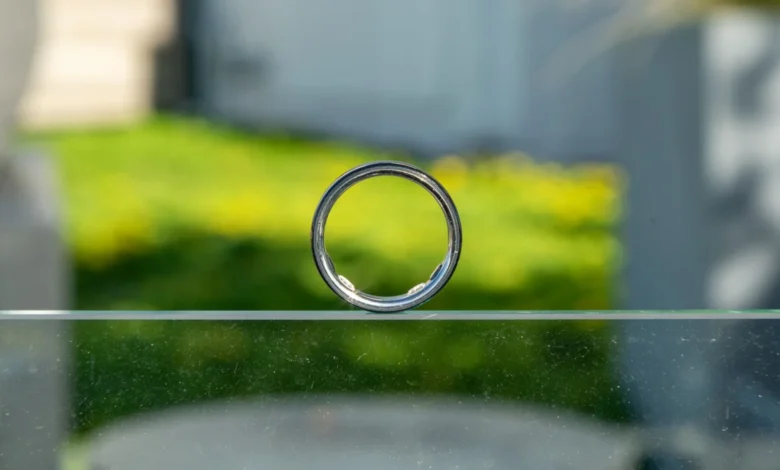
The ongoing legal and commercial battle within the burgeoning smart ring industry has escalated significantly, with market pioneer Oura launching a fresh intellectual property lawsuit against competitor Ultrahuman. The legal action, filed in late October, targets Ultrahuman’s flagship Ring Pro device and directly threatens the company’s strategic comeback into the lucrative United States wearables market. This latest confrontation deepens an already fierce multi-year rivalry between the two health-tracking heavyweights, raising critical questions about the future of patent enforcement, consumer choice, and technological innovation in the rapidly expanding wearable tech sector.
According to court filings and industry reports, Oura’s latest legal complaint alleges that Ultrahuman has infringed upon several core design and internal component patents related to modern smart ring architecture. Specifically, Oura claims that the Ultrahuman Ring Pro unlawfully utilizes proprietary engineering solutions concerning curved batteries, internal circuit board layouts, magnetic charging components, and integrated sensor arrays. This aggressive legal maneuver follows a string of previous intellectual property disputes between the two companies, signaling that Oura is prepared to aggressively defend its market dominance against rising international competitors.
The Timing of the Lawsuit and Patent Acquisition
The timing of Oura’s latest legal challenge has drawn intense scrutiny from industry analysts and legal experts alike. Records indicate that the United States Patent and Trademark Office officially granted Oura the foundational internal-component patent—designated as patent number 12,769,363—on October 20. Merely two days later, on October 22, Oura formally filed its infringement lawsuit against Ultrahuman in federal court.
This rapid transition from patent acquisition to litigation underscores a calculated strategy by Oura to stymie its competitor’s momentum. An official spokesperson for Oura stated that Ultrahuman possesses a documented corporate history of appropriating Oura’s technological innovations, pointing to a previous International Trade Commission (ITC) ruling in 2025 that went against Ultrahuman. The spokesperson further asserted that although Ultrahuman introduced a redesigned ring in an effort to bypass previous legal hurdles, the company ultimately failed to resolve ongoing infringements upon Oura’s proprietary portfolio.
Ultrahuman’s Response and the U.S. Market Battleground
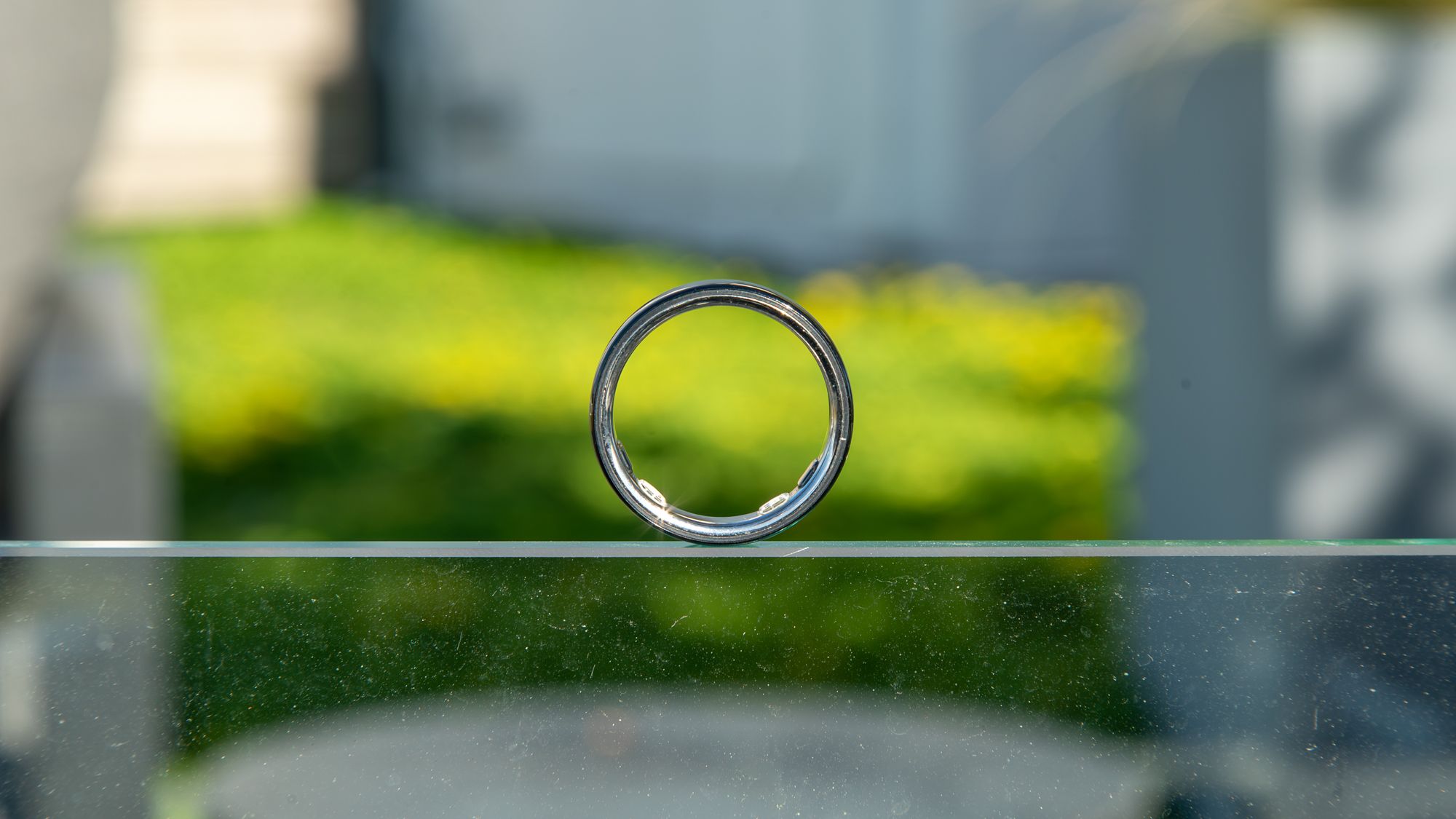
For Ultrahuman, the stakes of this legal battle could hardly be higher. The company has historically faced severe logistical and regulatory hurdles in bringing its wearable products to consumers within the United States. Previous import restrictions and legal pressures had effectively marginalized Ultrahuman’s presence in the critical North American market, creating an opening for competitors to capture significant market share.
The introduction of the Ultrahuman Ring Pro was designed to be the company’s definitive ticket back into the U.S. mainstream. Boasting an impressive fifteen-day battery life and advanced artificial intelligence capabilities powered by its biointelligent "Jade AI" software, the Ring Pro was positioned as a formidable alternative to established products like the Oura Ring 4. Oura’s latest lawsuit, which seeks substantial monetary damages alongside injunctive relief, is explicitly aimed at halting the commercial distribution of the Ring Pro before it can firmly establish a foothold in the region.
Despite the looming legal threat, Ultrahuman’s leadership remains defiant. Mohit Kumar, co-founder and Chief Executive Officer of Ultrahuman, addressed the situation directly in statements to technology publication TechCrunch. Kumar highlighted the opportunistic nature of Oura’s filing, noting that the rival firm chose to assert freshly minted patents acquired mere days before the litigation commenced. However, Kumar confirmed that as of the current judicial standing, no federal court has issued an injunction or restraining order capable of halting the sale of the Ring Pro. Consequently, the device remains legally available for purchase by U.S. consumers, allowing Ultrahuman to maintain its commercial operations while its legal counsel prepares a defense.
A Chronology of Rising Tensions: The 2025 Counter-Offensive
The roots of the current legal war extend far beyond the parameters of the latest filing, tracing back through a complex chronology of escalating retaliatory actions. The commercial rivalry between the two entities reached a boiling point in 2025, when Ultrahuman took the offensive and filed a patent infringement lawsuit against Oura.
In that action, Ultrahuman accused Oura’s popular Ring 4 device of directly misappropriating patented smart ring technology. The heart of Ultrahuman’s 2025 grievance focused heavily on advanced physiological tracking metrics, including sophisticated sleep-monitoring algorithms, circadian rhythm optimization tools, and specialized women’s health tracking features. At the time, Ultrahuman publicly maintained that it had independently pioneered these specific bio-tracking innovations.
Beyond technological claims, the 2025 legal dispute exposed a fundamental philosophical divide in how both companies monetize their hardware. While Oura famously relies on a subscription-heavy business model—requiring users to pay a recurring monthly fee to access deep data analytics within its companion application—Ultrahuman carved out a distinct market advantage by offering its comprehensive suite of features entirely free of ongoing paywalls through its modular software updates, known as PowerPlugs.

Strategic Positioning and the Fight for Open Health Data
During the 2025 litigation, Ultrahuman executives articulated that their primary motivation extended beyond traditional financial damages or routine patent enforcement. Instead, the company sought to position itself publicly as a champion of open health data access and a standard-bearer for technological innovation emerging from India onto the global stage. By challenging Oura’s subscription gating and proprietary data silos, Ultrahuman attempted to align itself with consumer advocacy trends favoring data portability and user ownership of biometric information.
This strategic positioning has continued to evolve throughout 2026. Ultrahuman has consistently pushed the envelope in terms of software utility and integration, recently announcing a high-profile partnership with HealthEx. This integration allows users to seamlessly sync their official medical records directly into the Ultrahuman application, enabling individuals to cross-reference real-time smart ring biometric data against clinical laboratory results and share comprehensive insights with their primary care physicians. Additionally, the company rolled out advanced diagnostic tools such as "Heart Scan" for the Ring Pro, a feature designed to provide rapid cardiovascular snapshots within a mere sixty-second window.
Broader Implications for the Wearable Technology Industry
The protracted legal warfare between Oura and Ultrahuman carries profound implications for the broader consumer electronics and wearable technology market. As smart rings transition from niche wellness novelties into mainstream health-monitoring accessories—competing directly with traditional smartwatches from tech giants like Apple, Samsung, and Google—intellectual property has become the ultimate corporate weapon.
Industry observers note that as the smart ring patent thicket grows increasingly dense, smaller manufacturers and international startups may find it exceptionally difficult to enter Western markets without facing prohibitive litigation from established incumbents. Oura, having established an early-mover advantage and cultivated a robust patent portfolio, is clearly signaling its intention to police the boundaries of the market aggressively.
Conversely, the resilience demonstrated by Ultrahuman suggests that international competitors are increasingly well-capitalized and legally prepared to contest monopolies on health-tracking innovations. Whether Ultrahuman can successfully weather Oura’s latest legal onslaught while continuing to scale its U.S. retail presence will likely establish a critical legal precedent for how hardware patents are litigated, licensed, and enforced within the next generation of digital health wearables. For now, both corporations remain entrenched in legal proceedings, while consumers continue to benefit from an accelerated race for superior biometric accuracy, extended battery longevity, and innovative AI-driven health insights.