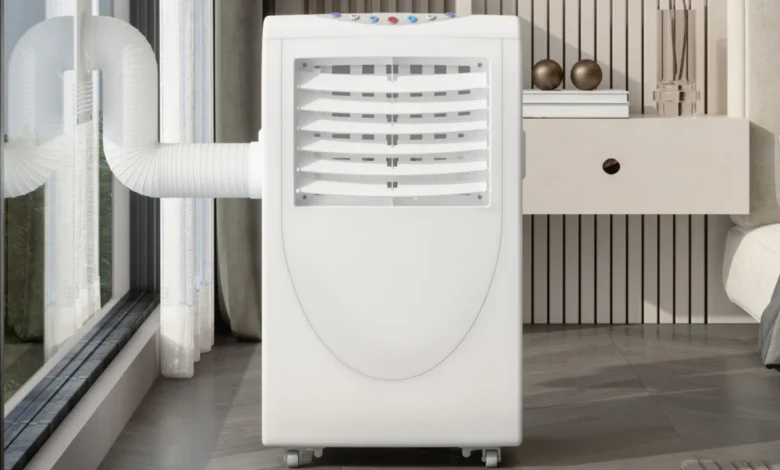
The pursuit of home climate control during the peak of summer often leads homeowners to adopt the "bigger is better" philosophy. In an effort to combat rising temperatures, many consumers assume that purchasing the highest-capacity air conditioning unit available will guarantee a more comfortable living environment. However, HVAC engineering principles suggest the opposite is true. Installing an oversized air conditioning unit—one that exceeds the cooling requirements of the designated square footage—can lead to systemic inefficiencies, structural moisture issues, and premature hardware failure.
The Engineering Behind Cooling Capacity
To understand why an oversized unit is detrimental, one must first understand how an air conditioner functions. An AC unit does not simply "create" cold air; it operates by extracting heat and humidity from the indoor environment and transferring it outdoors. The cooling capacity of an air conditioner is measured in British Thermal Units (BTUs) per hour or in tons, where one ton of cooling is equivalent to 12,000 BTUs per hour.
When an air conditioner is correctly sized, it runs for longer, consistent cycles. During these extended periods of operation, the evaporator coil inside the unit reaches a temperature low enough to condense water vapor from the air. This moisture is then collected and drained away, effectively dehumidifying the room. An oversized unit, by contrast, reaches the desired thermostat set point far too quickly. Because the air cools rapidly, the compressor shuts off before the evaporator coil has had sufficient time to perform the necessary moisture extraction.
The Consequences of Short Cycling
The most immediate consequence of this mismatch is a phenomenon known as "short cycling." Short cycling occurs when a system turns on and off at frequent intervals—sometimes multiple times per hour. This creates a host of mechanical and environmental issues that can negate the perceived benefits of a powerful unit.
From a mechanical standpoint, the compressor is the heart of the HVAC system. It is designed to handle a certain number of starts and stops over its lifespan. Each time the unit kicks on, the compressor draws a massive surge of electricity to overcome inertia. By forcing the system to cycle on and off rapidly, homeowners are subjecting the hardware to excessive wear and tear. This leads to early component failure, potentially shortening the expected lifespan of the unit by several years.
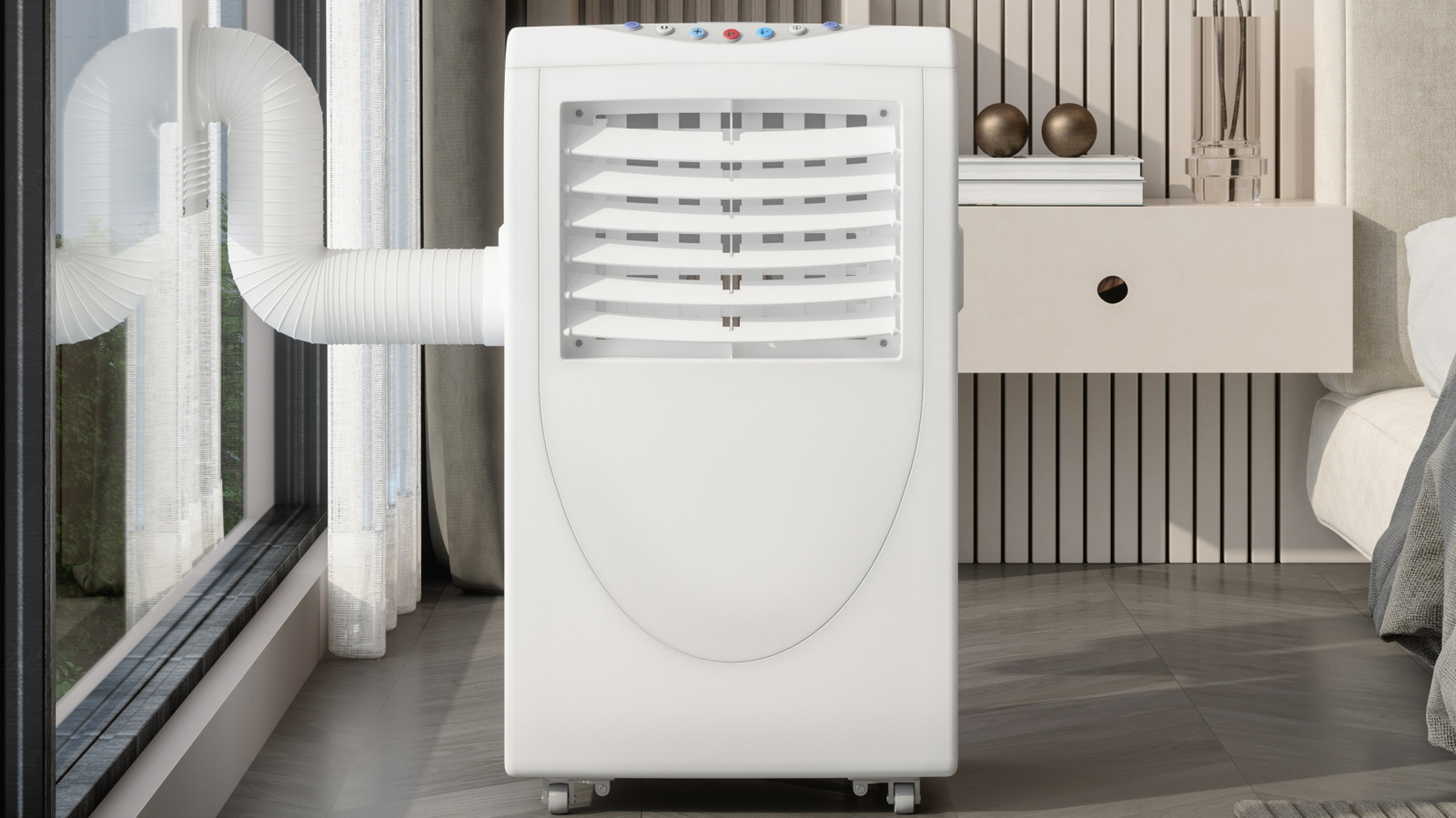
Environmental consequences are equally pressing. Because the unit fails to dehumidify the air, the room becomes "clammy." High indoor humidity levels, even at a lower temperature, feel objectively less comfortable than a slightly warmer, drier environment. Furthermore, this stagnant, moist air creates an ideal breeding ground for mold and mildew. If the excess moisture infiltrates drywall, insulation, or fabric furnishings, it can lead to structural damage and pose respiratory health risks for the occupants.
Historical Context and Standardization
The practice of measuring air conditioning capacity in "tons" dates back to the early 20th century. Before mechanical refrigeration, ice was used to cool buildings. One ton of refrigeration power was defined as the amount of cooling provided by one ton of ice melting over a 24-hour period. While modern technology has moved far beyond ice blocks, the industry retained the terminology to provide a consistent standard for capacity measurement.
In the mid-20th century, as central air conditioning became a standard feature in residential construction, the reliance on scientific load calculations became more critical. Industry standards, such as those established by the Air-Conditioning, Heating, and Refrigeration Institute (AHRI), emphasize that cooling capacity must be tailored to the specific thermal load of a building. This load is determined by factors including local climate, insulation R-values, window orientation, and the number of occupants.
Analytical Approach to Proper Sizing
Calculating the appropriate cooling load requires more than a simple estimation of square footage. Professionals often use the Manual J calculation—a protocol developed by the Air Conditioning Contractors of America (ACCA). This method accounts for every variable that contributes to heat gain within a home.
For those attempting a preliminary calculation, the "600 square feet per ton" rule is a common starting point. A typical 1,200-square-foot apartment might require a 2-ton unit, but this is a broad generalization. A home with south-facing windows, poor attic insulation, and high-wattage lighting will have a significantly higher thermal load than a shaded, modern-construction home of the same size.
When evaluating potential units, consumers should review the following data points:
- BTU Output: The total amount of heat the unit can remove per hour.
- SEER2 Rating: The Seasonal Energy Efficiency Ratio, which measures how much cooling a unit provides for every watt of electricity used.
- Dehumidification Capacity: Often listed in pints per hour, this is critical in humid climates.
Economic and Environmental Implications
Beyond the immediate comfort and health concerns, the economic impact of an oversized unit is substantial. Short cycling is inherently inefficient. Because the system is constantly starting and stopping, it never reaches its optimal operating efficiency. The "startup spikes" in energy consumption significantly inflate electricity bills.
Furthermore, the environmental cost of excessive energy consumption is a growing concern for municipal power grids. During peak summer months, when every household is running its air conditioning, inefficient, oversized units place unnecessary strain on electrical infrastructure, contributing to grid instability and potential brownouts.
Industry Perspectives on System Maintenance
HVAC technicians and manufacturers consistently advocate for a "right-sized" approach rather than an "overpowered" one. In many cases, if a consumer is experiencing uneven cooling, the issue is not a lack of power, but rather poor airflow or inadequate insulation. Adding a larger unit to a home with leaky windows or blocked vents will not solve the underlying thermal inefficiency; it will only exacerbate the moisture and cost issues described above.
Official guidelines from agencies like the Department of Energy suggest that homeowners should focus on air sealing and insulation before upgrading cooling systems. If a home is properly sealed, a smaller, more efficient unit can maintain a stable temperature with much less effort.
Conclusion: A Strategic Approach to Comfort
In summary, selecting an air conditioning unit is a decision that requires precision rather than brute force. The risks of choosing an oversized system—ranging from persistent humidity and mold growth to elevated utility bills and shortened equipment lifespan—are well-documented.
Homeowners are encouraged to move away from the assumption that higher BTU ratings equate to superior performance. Instead, engaging with a certified HVAC professional to perform a proper load calculation ensures that the chosen equipment is perfectly matched to the specific demands of the environment. By prioritizing efficiency and precise sizing, residents can achieve a climate-controlled home that is not only comfortable but also sustainable and cost-effective in the long term. Proper planning at the point of purchase remains the most effective defense against the common pitfalls of improper HVAC installation.