Meta Apologizes to No Kings Coalition After Automated Systems Disrupt Civic Engagement During Critical Midterm Demonstrations

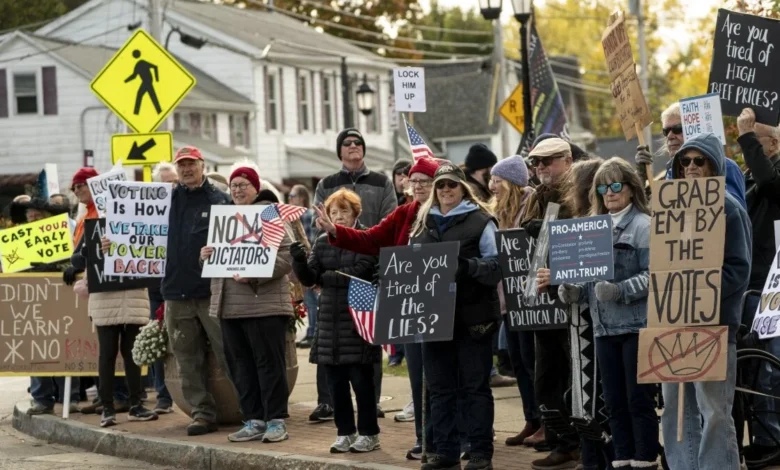
The digital landscape of modern political activism faced another significant hurdle this weekend when the No Kings Coalition, a prominent social justice movement, saw its Instagram presence abruptly terminated during a pivotal series of nationwide demonstrations. The outage, which occurred on October 17, triggered immediate concern among organizers and civil liberties advocates who viewed the disruption as an act of digital censorship during a high-stakes period of civic mobilization. Meta, the parent company of Instagram, has since issued a formal apology, attributing the incident to an automated security error rather than intentional suppression. However, the event has reignited long-standing debates regarding the role of algorithmic moderation in public discourse and the potential for technical failures to stifle grassroots organizing.
The Chronology of the Disruption
The incident began in the early hours of October 17, as the No Kings Coalition was preparing for a nationwide day of action focused on voter engagement and midterm election awareness. According to the coalition, their primary communication hub—their Instagram account—became inaccessible without warning. For approximately 90 minutes, the account remained entirely dark, preventing organizers from disseminating logistical information, updates on protest locations, and calls to action for their followers.
Even after Meta restored the account to public view, the internal mechanisms for recovery proved sluggish. Account administrators reported a secondary period of frustration, noting that they were unable to regain administrative access to their own page, which hindered their ability to resume operations effectively even after the initial lockout was lifted. This period of administrative limbo meant that the coalition was effectively silenced during a critical window when thousands of supporters were looking for real-time updates.
The Technical Explanation: Automated Security Protocols
Following an outcry from activists and the public, Meta provided a technical justification for the outage. Andy Stone, a spokesperson for Meta, explained that the incident was the result of an "incorrect enforcement" triggered by the company’s automated security infrastructure.
The company stated that the No Kings Coalition account had been flagged due to "abrupt, high-volume" requests originating from an external tool. According to Meta’s internal investigation, a tool associated with the AI platform Claude was reportedly scraping or accessing the account’s profiles, posts, and hashtags at an abnormally high frequency. Meta’s automated protection systems, designed to detect and mitigate bot-driven activity or spam attacks, perceived this rapid influx of traffic as a malicious threat.
"This activity caused our automated protections to incorrectly take the No Kings Instagram account offline," Stone noted in a public statement. He acknowledged the lapse in administrative recovery, admitting that it took additional time for the company to verify the coalition’s identity and restore full control to the account managers. Meta has reiterated its apology, describing the incident as an error born of a system designed to protect the platform rather than one intended to suppress specific viewpoints.
The Broader Context of Digital Activism and Censorship
The No Kings Coalition is no stranger to high-profile protests; the movement gained national attention through its historic demonstrations aimed at promoting government accountability. For many observers, the timing of the Instagram outage was particularly suspicious given the sensitivity of the midterm election cycle.
The League of Women Voters, among other civil society organizations, publicly condemned the disruption. In an October 18 post, the League emphasized that the timing of such events is rarely coincidental in the eyes of organizers. "When people are gathering, organizing, and seeking information about civic participation, cutting off a movement’s primary communication channel—even temporarily—is deeply troubling," the organization stated.
This sentiment highlights a growing friction between social media giants and political movements. For many advocacy groups, Instagram and Facebook are not merely social platforms but essential infrastructure for democratic participation. When these channels are interrupted, the impact on voter turnout and public awareness can be tangible, especially in the hours leading up to major demonstrations or election dates.
Patterns of Algorithmic Moderation Concerns
The No Kings incident is the latest in a string of controversies involving Meta’s content moderation policies. Over the past month, the company has faced mounting scrutiny from diverse sectors. Feminist organizations have recently accused Meta of suppressing content related to the Cornell sexual assault case, alleging that the platform’s filters were over-indexing on sensitive keywords, thereby limiting the visibility of important reports and calls for justice.
Furthermore, these incidents occur against the backdrop of a long-standing pattern of complaints from reproductive health advocates and LGBTQ+ activists. For years, these groups have alleged that their accounts are frequently targeted by "shadow-banning"—a practice where visibility is restricted without explicit notification—or removed entirely for what appear to be benign posts. These organizations argue that Meta’s automated systems often struggle to distinguish between controversial political speech and prohibited content, frequently defaulting to removal to avoid legal or regulatory liability.
Analysis: The Shift in Platform Protections
The current environment of digital moderation has been further complicated by shifts in corporate policy. In 2025, Meta implemented a series of changes that removed significant hateful conduct protections from its platforms. While the company stated these changes were intended to balance free expression, critics have characterized the move as a capitulation to external political pressures, particularly the anti-DEI (Diversity, Equity, and Inclusion) efforts advocated by the Trump administration.
Industry analysts suggest that as platforms reduce their internal oversight of hateful content to appease political factions, they simultaneously rely more heavily on automated, opaque systems to manage the sheer volume of content. This creates a "black box" effect: when an account is banned, the user is often left without a clear path to appeal or a detailed explanation of which policy was violated.
The reliance on automated tools is a necessity of scale—Meta manages billions of interactions daily—but the No Kings incident demonstrates the inherent risk of this approach. When an AI tool mistakenly identifies a protest group’s coordination efforts as bot traffic, the resulting silence can be interpreted as a political maneuver, regardless of the company’s intent.
Implications for Future Civic Engagement
The implications of this incident extend beyond a single account restoration. As the 2025 election cycle approaches, the reliance of movements on Meta’s infrastructure remains absolute, despite the documented risks.
- Algorithmic Transparency: The incident underscores the need for greater transparency regarding how Meta’s automated systems prioritize and flag accounts. If a tool like Claude can trigger a platform-wide ban, there must be clearer protocols for white-listing known political organizations or providing rapid-response channels for verification.
- Dependence on Private Infrastructure: The disruption serves as a warning about the fragility of modern digital activism. When civic life is hosted on private platforms, the movement’s ability to communicate is subject to the technical stability and policy whims of a private corporation.
- The Burden of Proof: Currently, the burden of proof lies with the marginalized or activist accounts to demonstrate that they have not violated the rules. For a smaller organization, navigating Meta’s bureaucratic support systems during a high-stakes event is often impossible, as demonstrated by the 90-minute delay in this instance.
Conclusion
Meta’s apology to the No Kings Coalition is a necessary step, but it does little to alleviate the broader anxiety surrounding the power of algorithmic moderation. As the company continues to refine its automated security tools, the challenge will be to ensure that these systems do not inadvertently function as a throttle on the democratic process.
For the No Kings Coalition, the 90-minute outage was a disruption to their organizational capacity, but for the broader digital community, it remains a cautionary tale. As we move further into an era where social media is the primary theater for political debate, the technical glitches of today may well be the defining censorship debates of tomorrow. Unless Meta can bridge the gap between automated efficiency and the nuance required for public discourse, incidents of this nature are likely to continue, further eroding trust between the platforms and the movements that rely on them to facilitate the voice of the people.
Related posts: