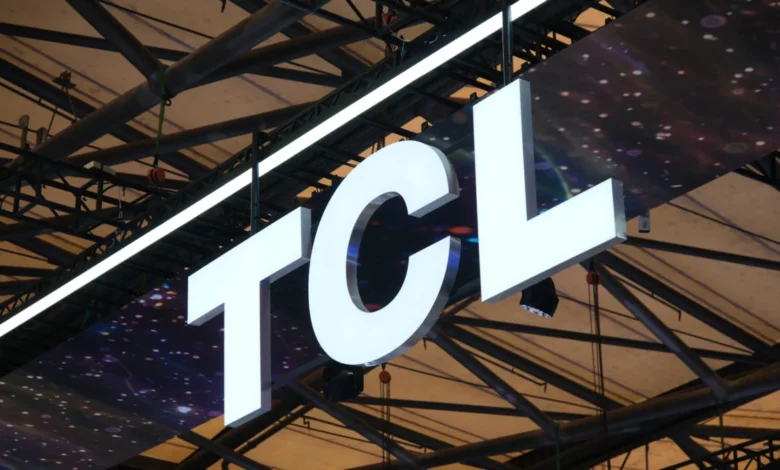
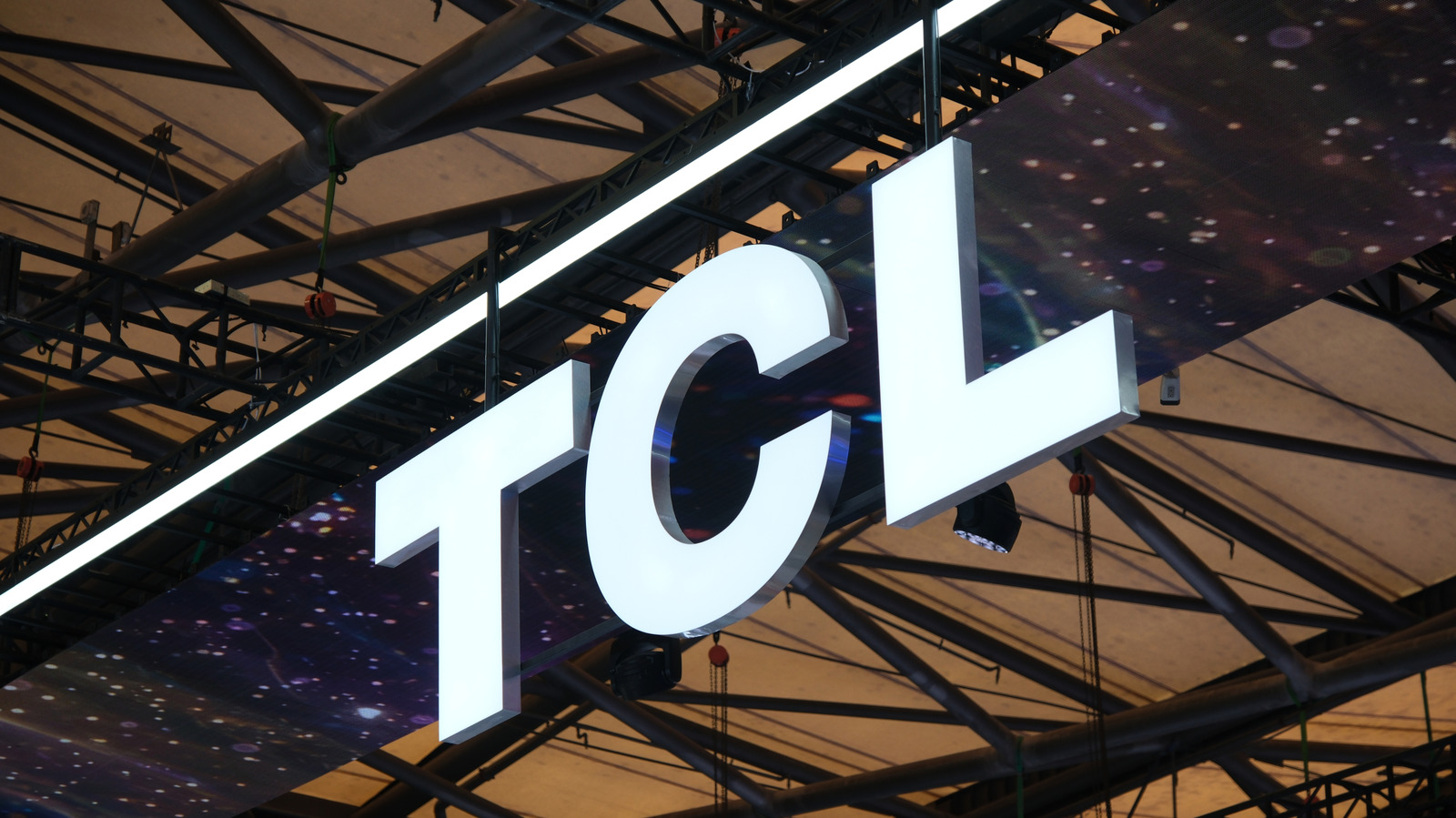
Founded in 1981, TCL has evolved from a humble manufacturer of magnetic cassette tapes into a global titan of consumer electronics. Headquartered in Huizhou, China, the company has methodically scaled its operations to become a dominant force in the television industry, consistently ranking among the top manufacturers in terms of market share and consumer satisfaction. While its core identity remains tethered to high-performance, budget-conscious television sets that challenge industry giants like Samsung, LG, and Sony, TCL’s corporate structure is far more complex than its name suggests. Today, TCL operates as a sprawling conglomerate with a diverse portfolio of subsidiaries and acquisitions that extend into augmented reality, mobile computing, and regional specialized electronics. Understanding the breadth of the TCL ecosystem requires looking beyond the primary brand to the specialized entities that bolster its global footprint.
The Evolution of TCL’s Market Strategy
TCL’s rise to prominence is characterized by vertical integration. By manufacturing its own display panels through its subsidiary, CSOT (China Star Optoelectronics Technology), the company has successfully lowered production costs, allowing it to pass significant savings to the consumer. This strategy allowed TCL to penetrate the North American market rapidly, moving from an obscure OEM provider to a household name. However, the company’s growth has not been limited to internal research and development. Through strategic acquisitions and the incubation of new subsidiaries, TCL has sought to diversify its revenue streams, targeting niche markets where the primary TCL brand might lack the specific identity or agility required to compete.
RayNeo: The Vanguard of Augmented Reality
Among the most significant developments in TCL’s recent history is the rise of RayNeo. Established in 2021, RayNeo represents a calculated move into the wearable display market. Unlike many of its competitors that operate through external acquisitions, RayNeo was incubated internally by TCL Electronics, tracing its roots to internal R&D projects as early as 2017. This early start allowed the brand to capitalize on the burgeoning interest in consumer-facing AR hardware.
The success of RayNeo is evidenced by its rapid ascent in the global supply chain. According to industry analysis from Counterpoint Research, the second half of 2025 marked a pivotal shift for the company, as RayNeo captured a 42% market share in the video-centric AR smart glasses segment. This dominance is not merely a result of market timing; it is a consequence of a tiered product strategy. By offering a price spectrum that spans from $269 for entry-level models like the Air series to $1,299 for advanced, AI-integrated headsets like the X3 Pro, RayNeo has successfully catered to both casual media consumers and power users.
The implication of this success is clear: TCL has positioned itself to be the primary hardware supplier for the next generation of personal computing. By integrating waveguide-based display technology—which is becoming increasingly efficient—RayNeo is effectively bridging the gap between standard portable displays and full-scale spatial computing. As industry standards for wearable AR continue to solidify, TCL’s early commitment to this vertical provides a defensive moat against competitors who are only now pivoting toward smart glasses.
The Palm Legacy: A Stalled Revival
In stark contrast to the high-growth trajectory of RayNeo is the state of the Palm brand. TCL’s acquisition of the Palm trademark in 2014 was initially met with significant industry excitement. Palm, a brand synonymous with the rise of the personal digital assistant (PDA) in the 1990s and the subsequent transition to early smartphones, held immense brand equity. After Hewlett-Packard (HP) acquired Palm for $1.2 billion in 2010—only to shutter the business a year later due to catastrophic sales—the intellectual property was left in a state of limbo.
TCL’s attempt to revive the brand in 2018 with a 3.3-inch "companion" smartphone was, in retrospect, a strategic misfire. The device was designed to tether to a user’s primary smartphone, acting as a minimalist digital detox tool. However, the device failed to gain traction, largely due to its inability to operate independently as a primary handset. Nearly a decade after the acquisition, the Palm brand remains essentially dormant within the TCL portfolio.
The absence of any meaningful updates to the Palm website or new hardware announcements suggests that TCL has pivoted away from its initial revival plans. For market analysts, this represents a classic case of an acquisition where the utility of the brand equity was eclipsed by the rapid pace of technological change. While the Palm name remains a piece of tech history, it serves as a reminder that brand recognition alone cannot guarantee success in a smartphone market that has moved toward larger displays and more complex ecosystem integration.
iFFALCON: Strategic Market Segmentation
While the primary TCL brand focuses on the mass market, iFFALCON serves as a strategic instrument for regional expansion. Established in 2017, iFFALCON operates as a wholly owned subsidiary designed to target specific demographic segments that may be more price-sensitive or have different distribution requirements than those serviced by the parent TCL brand.
The chronology of iFFALCON’s expansion is a case study in aggressive international scaling. Following its initial launch in India in 2018, the brand achieved a milestone of two million units sold by 2023. By 2022, it had expanded into Europe, and by 2025, it had successfully entered the Latin American and North American markets. As of September 2026, iFFALCON maintains a presence in 43 global markets.
iFFALCON’s product catalog focuses heavily on smart TV technology, utilizing Mini LED and QLED displays to maintain a premium feel despite a budget-oriented price tag. By maintaining a leaner model count compared to the main TCL brand, iFFALCON keeps overhead costs low, allowing the company to compete in markets where local brands or smaller competitors are most active. The stated intent of the brand is to broaden its reach into the smart home appliance sector, potentially mirroring the diverse product ecosystem of its parent company.
Broader Implications and Future Outlook
The structure of TCL’s brand portfolio reveals a company that is acutely aware of the necessity of diversification. By utilizing separate entities for different segments—RayNeo for future-facing wearable technology, Palm as a legacy brand that has yet to find its modern utility, and iFFALCON for regional smart TV market penetration—TCL is effectively insulating its primary brand from the volatility of experimental ventures.
The reliance on these sub-brands also allows TCL to test new technologies without risking the reputation of its flagship television line. If a product line within iFFALCON fails to gain market share, the damage is localized. Conversely, if a technology developed by RayNeo proves to be the next major paradigm shift in personal electronics, TCL is already perfectly positioned to capitalize on that growth.
As of 2026, the global consumer electronics landscape is increasingly defined by the integration of AI, connectivity, and hardware versatility. TCL’s ability to manage these disparate brands suggests that its long-term strategy is focused on maintaining dominance in the living room while simultaneously fighting for the user’s attention in the wearable and mobile sectors. Whether the company chooses to revitalize stagnant assets like Palm or continues to push the boundaries of AR through RayNeo will be the deciding factor in its ability to remain relevant in a post-smartphone era.
Ultimately, TCL’s journey from a cassette tape manufacturer to a multi-brand technology giant illustrates a successful adaptation to the digital age. By balancing internal innovation with tactical acquisitions and segment-specific subsidiaries, the company has built a resilient, multi-layered foundation that allows it to navigate the complexities of global trade, regional competition, and the relentless evolution of consumer demand. As it continues to expand its footprint in 43 countries and beyond, TCL remains a critical entity in the broader narrative of 21st-century technology manufacturing.