Apple Unveils the Foldable iPhone Duo Alongside Innovative Camera Capabilities and Software Enhancements

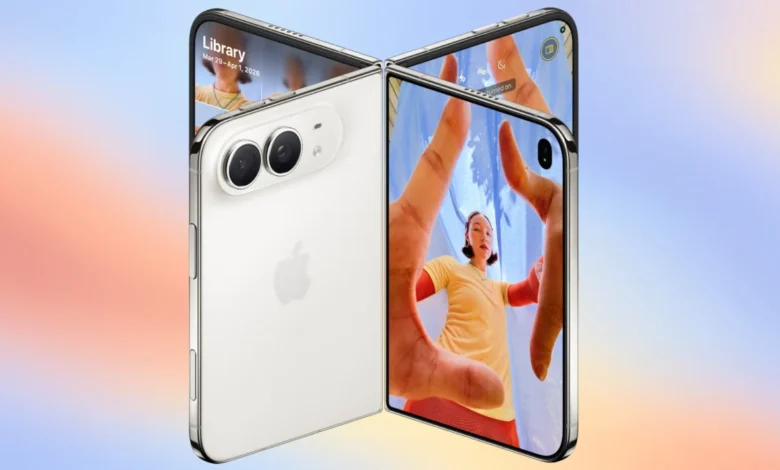
Apple’s official entry into the foldable smartphone market arrived with the introduction of the iPhone Duo, a device that redefines the company’s hardware philosophy by integrating a dual-display, foldable form factor. Announced at Apple’s annual September hardware showcase—colloquially themed "Surprise and Shine"—the iPhone Duo bridges the gap between traditional slab smartphones and expansive tablet-like displays. Alongside the ground-breaking hardware, Apple has engineered a suite of exclusive software and camera features tailored specifically to capitalize on the device’s unique physical architecture. With a starting price of $1,999 and pre-orders slated for October 16 ahead of an October 23 launch, the iPhone Duo represents a significant pivot in Apple’s product lineup, targeting high-end consumers looking for next-generation technological versatility.
Chronology and Event Background
The unveiling of the iPhone Duo on Tuesday, September 15, 2026, followed months of heightened industry anticipation and leaks. Rumors regarding a foldable device from Cupertino had circulated for years, but the September event confirmed that Apple spent considerable time refining the hinge mechanism and aspect ratio to ensure durability and seamless transitions. The device was revealed during a keynote that also highlighted the iPhone 18 Pro and Pro Max models, Apple Watch Series 12, and AirPods 5. Analysts note that Apple’s deliberate entry into the foldable space—years after competitors like Samsung and Google established footholds—was calculated to ensure technological maturity before introducing a premium product carrying a $1,999 price tag.
Revolutionary Camera Engineering for a Foldable Form Factor
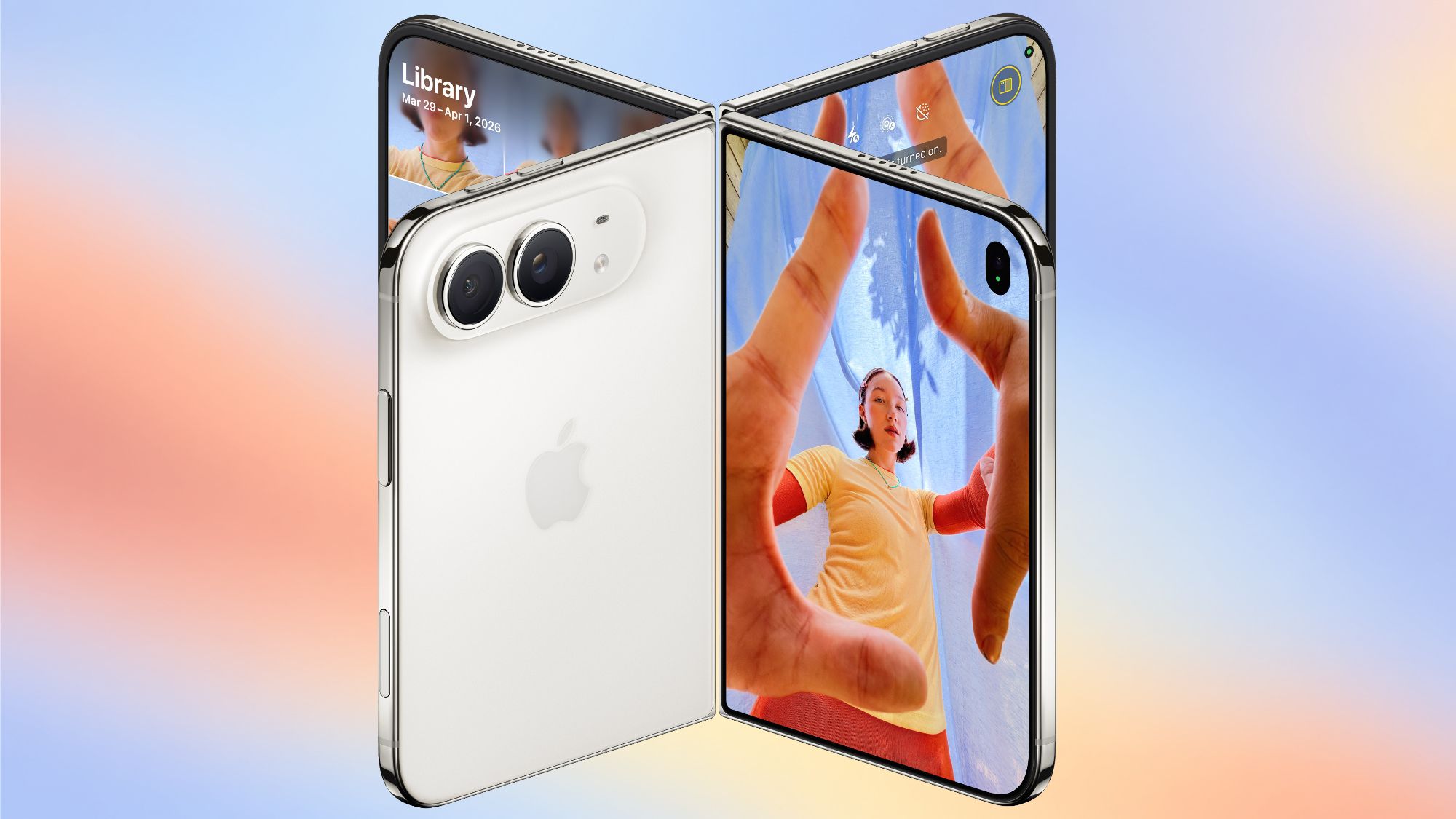
The iPhone Duo’s camera system has been specifically engineered to exploit its unique folding mechanics. Rather than relying on traditional smartphone shooting methods, the device’s dual-display design enables software integrations that solve longstanding challenges in mobile photography.
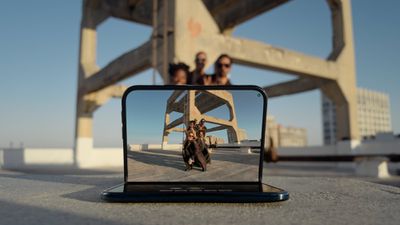
At the forefront of these innovations is Smart Take, an AI-driven feature designed to eliminate the need for self-timers or sacrificing the photographer’s presence in group pictures. By half-folding the iPhone Duo and propping it up independently, users can rely on artificial intelligence to monitor the frame and automatically snap the photo only when everyone, including the device owner, is verified to be ready and in position.
Parents will also benefit from Kid Cue, a feature that addresses the perennial struggle of photographing young children. When activated, Kid Cue projects animated Peanuts characters onto the outer display, capturing the attention of children and ensuring they look directly toward the camera lens during capture.
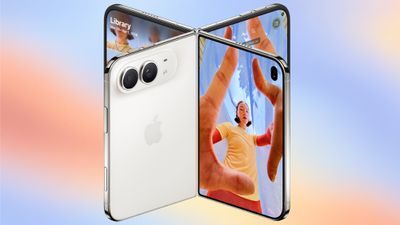
Furthermore, Duo Preview addresses the traditional dynamic of the photographer versus the subject. By leveraging a live preview of the shot on both displays simultaneously, the person being photographed can view themselves in real-time and make necessary posture, lighting, or framing adjustments before the image is recorded.
Advanced Communications: Duo FaceTime
Communications have similarly been reimagined via Duo FaceTime. Unlike Dual Capture modes found on other devices—which typically record video simultaneously using the front and rear cameras—Duo FaceTime allows multiple participants in the same physical space to engage in a single video call effortlessly. While the primary user utilizes the inner display, a nearby friend or family member can use the outer display to join the call. This eliminates the awkward necessity of crowding around a single static screen or passing the phone back and forth during a conversation.
Hardware Specifications and Photographic Capabilities
Beneath the software innovations lies a robust "Dual Fusion" camera hardware configuration. The primary setup features a 48-megapixel Main camera, sharing genealogical roots with the standard iPhone 17 sensor rather than the Pro lineup. By default, it captures high-resolution 24-megapixel images at a 26mm focal length, alongside a 12-megapixel 2x telephoto equivalent option at 52mm.
The device also integrates a 48-megapixel Ultra Wide camera offering a 13mm focal length equipped with macro photography capabilities. Zoom functionality is anchored by 2x optical-quality zoom in, 2x optical zoom out, and digital zoom extending up to 10x for still photography. Sensor-shift optical image stabilization is present, though the system omits the second-generation stabilization found in the Pro models, alongside exclusions for ProRAW and spatial photo capture.
In terms of video performance, the iPhone Duo introduces Smart Focus tracking, a feature shared with the iPhone 18 Pro models. Powered by AI, Smart Focus maintains target lock on a subject dynamically, even if the subject momentarily exits the frame and returns. The device supports 4K Dolby Vision video recording at up to 120 frames per second, and Cinematic mode recording in 4K Dolby Vision up to 60 frames per second. For the first time, users can apply and adjust Cinematic mode depth effects post-capture. Low-light video performance has also seen marked improvements when recording at 1080p, and high-end time-lapse video with stabilization up to 4K Dolby Vision is fully supported.
The front-facing apparatus consists of a 12-megapixel outer camera—slightly smaller than the 18-megapixel sensors found on the standard iPhone 17 and iPhone 18 Pro series—while the inner display houses a discreet 1080p FaceTime camera situated beneath the screen.

Form Factor Versatility and Ergonomics
The physical architecture of the iPhone Duo serves as its own accessory. When fully unfolded, Apple touts it as the thinnest iPhone ever produced, maintaining a consistent aspect ratio across both halves of the continuous frame.
The folding mechanism acts as an integrated tripod and stand. Users can position the device in a half-folded, tented orientation to conduct hands-free FaceTime calls, record stabilized video content, execute long-exposure photography, or shoot high-resolution selfies using the superior 48-megapixel rear camera while utilizing the outer display as a viewfinder.
Market Implications and Analyst Perspectives
Industry analysts view the iPhone Duo as a critical test for Apple in the ultra-premium foldable segment. By pricing the device at $1,999, Apple is positioning the Duo as a halo product for early adopters, enterprise professionals, and content creators.

While the device lacks certain elite photographic niceties found on the iPhone 18 Pro Max—such as dedicated high-magnification periscope lenses or ProRAW capabilities—its form factor advantages and workflow integrations offer distinct utility. The fusion of AI-driven group photography, dual-screen communication tools, and tripod-free stabilization addresses real-world consumer pain points that traditional slab phones cannot resolve.
As pre-orders open on October 16 ahead of the October 23 retail release, market watchers will closely monitor whether the high price tag restricts adoption or if the unique dual-display innovations successfully incentivize consumers to embrace the foldable paradigm shift.