Apple Reportedly Prototyping 7-Inch Display for 20th Anniversary iPhone, Signifying Major Design Evolution

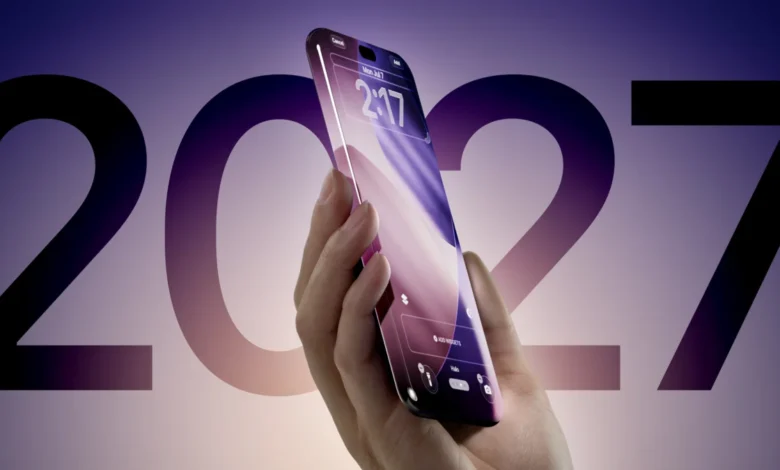
Apple is reportedly prototyping a significantly larger display for a future iPhone model, measuring approximately 6.96 inches diagonally, a size that industry observers expect would be marketed as a 7-inch panel if it proceeds to mass production. This development, surfacing from reliable supply chain sources, points towards a substantial increase in screen real estate for what is anticipated to be the company’s commemorative 20th-anniversary iPhone, slated for release in 2027. The internal testing of this expansive display signals Apple’s ongoing commitment to pushing the boundaries of smartphone form factors and enhancing the visual experience for its users.
The primary revelation comes from Digital Chat Station, a prominent Chinese leaker with a well-established track record for accuracy regarding Apple’s unreleased products. In a recent post, the leaker indicated that Apple is currently evaluating this larger display internally, with a clear intention for its potential inclusion in the special anniversary iPhone, which is expected to debut next year. The report further specified that the screen ratio of this prototype remains consistent with the current iPhone 17 Pro Max, suggesting a vertical expansion rather than a change in the overall aspect ratio. However, whether this specific display variant will ultimately be integrated into the final "iPhone 20 Pro Max" or another premium tier of the 2027 lineup remains unconfirmed.
A History of iPhone Display Evolution: Responding to User Demand and Innovation
Apple’s journey with iPhone display sizes has been a carefully calibrated dance between ergonomic considerations, technological capabilities, and evolving consumer preferences. From the original iPhone’s revolutionary 3.5-inch screen in 2007, a size that remained standard for several generations, the company has gradually increased its display dimensions to meet the demands of a world increasingly reliant on smartphones for media consumption, gaming, and productivity.
The first significant jump came with the iPhone 5 in 2012, which stretched the screen vertically to 4 inches, maintaining the width for one-handed use. A more dramatic shift occurred in 2014 with the introduction of the iPhone 6 and iPhone 6 Plus, which brought 4.7-inch and 5.5-inch displays, respectively, acknowledging the burgeoning "phablet" market popularized by Android manufacturers. This move marked Apple’s definitive entry into larger form factors, recognizing that consumers valued screen real estate for content consumption.
The 10th-anniversary iPhone X in 2017 revolutionized the display with its edge-to-edge OLED panel, eliminating the home button and introducing the notch, despite its physical dimensions being smaller than the iPhone 8 Plus. This model, with its 5.8-inch display, showcased how technological advancements like slimmer bezels could maximize screen size within a relatively compact body. Subsequent "Pro" models further refined this approach, with the iPhone 11 Pro Max reaching 6.5 inches and the iPhone 12 Pro Max expanding to 6.7 inches.
More recently, Apple has continued this incremental expansion. The iPhone 16 Pro lineup, released in 2024, saw its premium models grow further. The iPhone 16 Pro increased from 6.1 to 6.3 inches, while the iPhone 16 Pro Max expanded from 6.7 to 6.9 inches. These increases were primarily facilitated by even slimmer bezels and minor adjustments to chassis dimensions, rather than a radical change in the device’s overall footprint. The upcoming iPhone 18 Pro and iPhone 18 Pro Max models, expected in 2026, are projected to maintain these current dimensions (6.3- and 6.9-inches, respectively), making the rumored 7-inch panel for 2027 a notable deviation from this stable trend and the first indication of a further display size increase in the near future.
The "20th Anniversary iPhone": A Legacy of Commemorative Innovation
The concept of an "anniversary iPhone" carries significant weight within Apple’s product strategy. The iPhone X, launched in 2017 to commemorate the original iPhone’s tenth anniversary, was not merely an incremental update but a bold reimagining of the device. It introduced Face ID, an edge-to-edge OLED display, and a new gesture-based navigation system, setting the blueprint for subsequent iPhone designs for years to come.
Given this precedent, the "20th anniversary iPhone" in 2027 is widely anticipated to be more than just a standard yearly refresh. It is expected to incorporate groundbreaking technologies and design philosophies that could define the next decade of smartphone innovation for Apple. The rumored 7-inch display, coupled with previous reports, strongly suggests that the screen will be a central pillar of this commemorative device’s appeal.
Last month, a report from Bloomberg corroborated the extensive work Apple is undertaking for its 20th-anniversary iPhone, noting that the company had already started ramping up development on two distinct sizes for the device. This aligns with Apple’s current strategy of offering "Pro" models in both standard and "Max" sizes, suggesting that even if a 7-inch display is adopted for the larger variant, a slightly smaller, albeit still premium, option would likely be available.
Beyond Size: The Vision of a Borderless Display
The rumored 7-inch display is not just about raw dimensions; it is part of a broader vision for an immersive, "nearly borderless" visual experience. Multiple rumors surrounding the 20th-anniversary iPhone have pointed towards an edge-to-edge display featuring sophisticated curved glass on all sides. This design, sometimes referred to as "liquid glass," aims to create a seamless, almost sculptural integration of the screen into the device’s chassis, making the display appear to flow over the edges.
Achieving a truly borderless aesthetic with curved glass on all four sides presents significant engineering challenges. It requires advanced manufacturing techniques for bending and laminating glass, precise integration with the device’s frame, and careful management of accidental touches. However, the payoff could be substantial: an unparalleled sense of immersion, making content appear to float freely on the device, and a design that feels incredibly futuristic and premium. Such a design could further blur the lines between the physical device and the digital content it presents, enhancing everything from multimedia playback to augmented reality experiences.
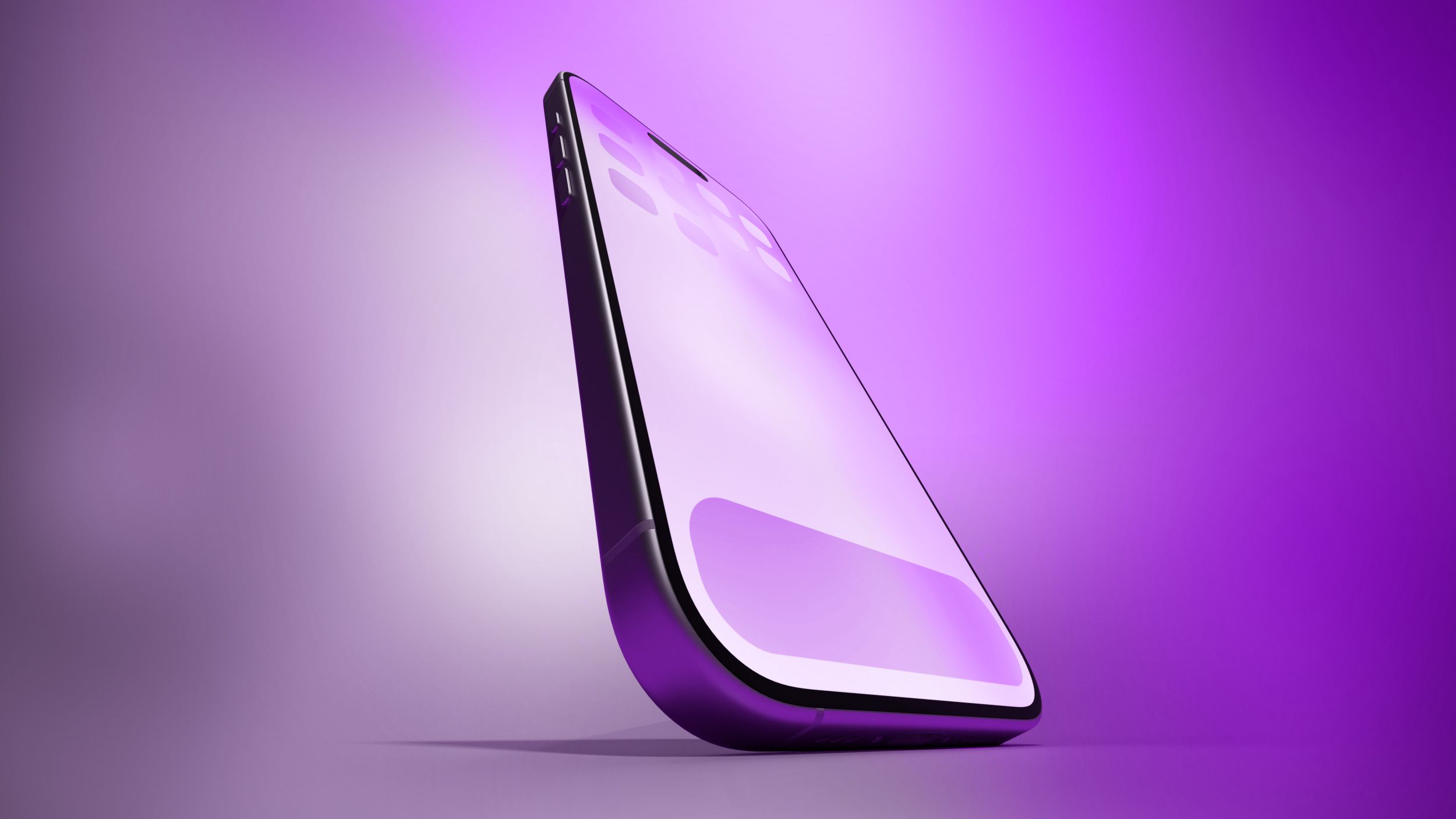
The implications for user interface design are also profound. With the dynamic island already established as a versatile interactive area, a truly borderless display might prompt Apple to explore further innovations in how users interact with the edges and corners of the screen, potentially integrating virtual buttons or contextual controls that adapt to the user’s grip or current application.
Market Trends and Competitive Landscape: Why Bigger is Often Better
The trend towards larger smartphone displays is not unique to Apple; it is a pervasive phenomenon across the entire mobile industry. Android manufacturers, in particular, have often pioneered larger screen sizes, with many flagship devices regularly exceeding 6.7 or even 6.8 inches. Brands like Samsung, Xiaomi, and OnePlus have offered devices with displays approaching or even exceeding 7 inches for several years, catering to a segment of users who prioritize screen real estate above all else.
Several factors contribute to this market trend:
- Media Consumption: Smartphones have become primary devices for streaming video, browsing photos, and social media. Larger screens offer a more engaging and comfortable viewing experience.
- Gaming: Mobile gaming has evolved dramatically, with graphically intensive titles demanding larger, more vibrant displays for optimal playability.
- Productivity and Multitasking: For tasks like document editing, email management, and split-screen multitasking, a larger display provides more room to work efficiently.
- Accessibility: For users with visual impairments, a larger screen can make text and interface elements easier to see and interact with.
- Augmented Reality (AR): As AR applications become more sophisticated, a larger window into the digital world enhances the immersive qualities of these experiences.
By potentially offering a 7-inch display, Apple would be aligning itself more closely with the upper echelons of the Android market in terms of screen size, while still maintaining its distinct design and ecosystem advantages. This move would ensure that Apple’s premium iPhone offerings remain competitive in a landscape where screen size is often a key differentiator for high-end devices.
Implications for User Experience and the Apple Ecosystem
A 7-inch iPhone display, especially one integrated into a nearly borderless design, would bring a host of implications for the user experience:
- Enhanced Multimedia: Movies, TV shows, and photos would look more cinematic and immersive. The increased screen real estate would be particularly beneficial for consuming high-resolution content.
- Gaming Advantage: Mobile gamers would benefit from a more expansive view of their virtual worlds, potentially leading to more precise controls and a more engaging experience.
- Productivity Boost: Apps that involve heavy text input, spreadsheets, or complex interfaces would feel less cramped. Multitasking, potentially with enhanced split-screen capabilities, would become more viable on a handheld device.
- Accessibility Improvements: For users who rely on larger text or zoom features, the additional screen space would be a welcome change, reducing the need for constant scrolling.
- One-Handed Use Challenges: While some users desire larger screens, the trade-off is often diminished one-handed usability. Apple typically implements software solutions like Reachability to mitigate this, but a 7-inch device would certainly push the limits for many users.
- App Development: Developers would need to adapt their applications to effectively utilize the new display dimensions and potentially the curved edges, ensuring a seamless and intuitive experience.
- Battery Life: A larger display, especially with higher resolution, typically consumes more power. Apple would need to pair this with corresponding advancements in battery technology and power efficiency of its A-series chips to maintain or improve battery endurance.
- Weight and Ergonomics: A larger device naturally tends to be heavier. Apple’s material choices and internal design would be crucial in managing the overall weight and ensuring a comfortable grip, even with the expanded dimensions.
Supply Chain and Manufacturing Considerations
The development and mass production of a 7-inch, nearly borderless display with curved glass on all sides represent a significant undertaking for Apple and its supply chain partners. Display manufacturers like Samsung Display and LG Display, long-term collaborators with Apple, would be instrumental in bringing such a panel to fruition. The complexity of micro-curved OLED panels, especially those intended to seamlessly blend into a device’s frame, requires advanced fabrication techniques and stringent quality control.
The investment in research and development, tooling, and manufacturing capacity for such a bespoke display would be substantial. This level of innovation often translates into higher production costs, which could, in turn, influence the final retail price of the 20th-anniversary iPhone. The "Popular Stories" section from the source content, noting "iPhone 18 Pro and Foldable iPhone Tipped to Get Price Hikes Too," reinforces the ongoing trend of increasing prices for premium iPhone models as technology advances.
Potential Naming and Tiering Strategy
With a 7-inch display, Apple might explore new naming conventions or further refine its product tiering. While "iPhone 20 Pro Max" is a plausible moniker, the company could introduce an "Ultra" designation, similar to its Apple Watch Ultra lineup, to signify a device that pushes beyond the conventional "Pro Max" boundaries in terms of features, size, and price. Such a move would allow Apple to cater to an even more premium segment of the market, offering the ultimate iPhone experience for users who demand the largest screen and most advanced technologies available.
The Road Ahead: Speculation vs. Reality
It is important to reiterate that while Digital Chat Station has a credible history, the information pertains to internal prototyping. Not all prototypes make it to final production. Apple often experiments with various designs and technologies that may never see the light of day in a consumer product. However, the consistency of this rumor with previous reports from Bloomberg regarding the scaling up of work on anniversary iPhone sizes, and the general market trend towards larger displays, lends significant credence to the possibility of a 7-inch iPhone becoming a reality in 2027.
Should this larger display materialize, it would mark another significant milestone in Apple’s pursuit of the ultimate smartphone experience, offering users an unparalleled canvas for their digital lives and reaffirming the iPhone’s position at the forefront of mobile innovation. The 20th anniversary of the iPhone is shaping up to be a pivotal moment, and a 7-inch, borderless display could very well be the defining feature of its next generation.