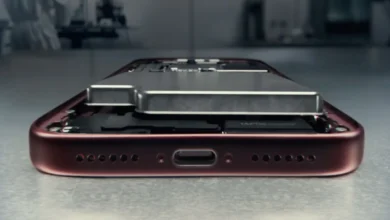
Apple iPhone Duo And iPhone 18 Series Arrive With Innovative 3D Interactive Models And Staggered Release Dates

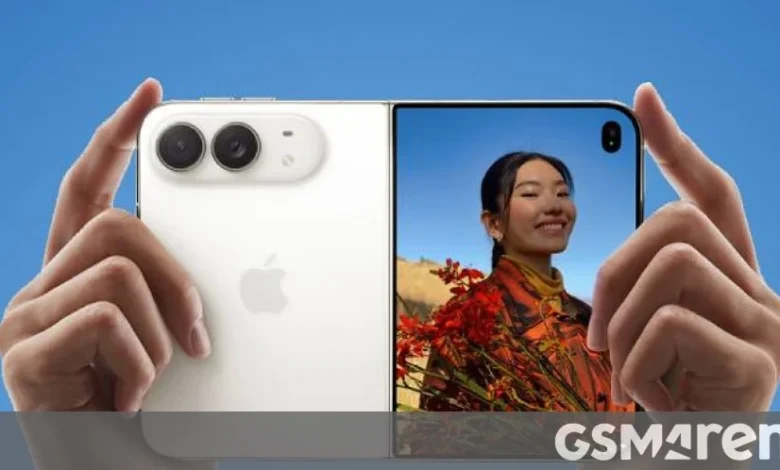
Apple Inc. has once again captured the attention of the global technology sector with its latest hardware announcements, introducing a product lineup that includes the highly anticipated Apple iPhone Duo alongside the flagship iPhone 18 Pro and iPhone 18 Pro Max models. While physical retail units of the revolutionary folding device will not appear on Apple Store display tables before pre-orders commence in mid-October, consumers and industry analysts are not required to wait blindly. Through an exclusive collaboration with digital visualization partner Binkies3D, prospective buyers can now interact with a fully rendered, highly accurate virtual 3D model of the iPhone Duo, examining its mechanics and aesthetic finishes from any angle via web browsers.
This digital rollout strategy bridges the gap between traditional product announcements and hands-on retail availability, offering an immersive preview that highlights Apple’s design evolution. As the technology market absorbs the implications of these new releases, the staggered launch timeline provides a fascinating study in supply chain management, consumer anticipation, and hardware refinement.
Main Facts and Virtual Visualization Technology
The centerpiece of the recent product announcements is undoubtedly the Apple iPhone Duo, a device that marks the Cupertino-based company’s official entry into the dynamic foldable smartphone category. Because physical units will remain absent from retail stores ahead of the mid-October pre-order window, the introduction of the interactive 3D model serves as a crucial marketing and informational tool.
Developed in partnership with Binkies3D, the virtual model transcends static product photography by incorporating dynamic mechanical functionality. Users accessing the visualization tool can virtually open and close the device by engaging a dedicated interface button positioned directly beneath the zoom controls. This feature allows potential buyers to evaluate the folding mechanism, screen crease management, and overall form factor in both folded and unfolded states. Furthermore, the interactive tool enables users to toggle between available color finishes simply by selecting the corresponding color names, rendering an accurate depiction of how light interacts with the proprietary paint jobs.
Alongside the iPhone Duo, the 3D database has been updated to include comprehensive models of the standard iPhone 18 Pro and the larger iPhone 18 Pro Max. While these traditional slate-form devices introduce fewer radical mechanical changes than the folding Duo, the digital models allow tech enthusiasts to closely inspect subtle design shifts. Most notably, the 3D database highlights a slightly smaller pill-shaped housing cutout dedicated to the Face ID biometric sensor suite and the upgraded FaceTime front-facing camera. Additionally, users can examine the introduction of a sophisticated new Burgundy color option, which serves as the primary visual differentiator for the 2026 generation.
Chronology and Release Timeline
The rollout of Apple’s late-2026 hardware ecosystem follows a meticulously planned, staggered release schedule designed to manage manufacturing yields and maximize media coverage throughout the autumn quarter.
The chronology of the release cycle began with the official keynote presentation, which unveiled the complete hardware portfolio. Following the announcement, consumer attention immediately pivoted to the traditional flagship devices. Pre-orders for the Apple iPhone 18 Pro and the iPhone 18 Pro Max opened swiftly, establishing strong early demand numbers across major global markets. The official retail availability and in-store delivery date for these conventional flagship models are scheduled for Friday, September 18. On this day, consumers who secured early pre-orders will receive their shipments, and physical demonstration units will populate Apple Store tables worldwide.
In contrast, the Apple iPhone Duo follows a more protracted timeline, reflecting the intricate manufacturing requirements associated with foldable display technology and hinge engineering. Pre-orders for the iPhone Duo are officially slated to begin on Thursday, October 16. Following a brief pre-order window, the device will hit retail shelves and begin shipping to consumers a week later, on Thursday, October 23. This intentional separation of release dates ensures that consumer attention and retail support infrastructure are not overwhelmed by simultaneous product launches.
Supporting Data and Comparative Analysis
A granular examination of the iPhone 18 Pro Max in comparison to its predecessor, the iPhone 17 Pro Max, reveals Apple’s methodical approach to iterative hardware design. Utilizing the size-comparison 3D database tools, consumers can place the 2026 flagship directly alongside last year’s model to evaluate dimensional and architectural adjustments.
Data extracted from these comparative models confirms that the most prominent structural modification on the front display is the reduction of the dynamic island pill cutout. Engineers have successfully minimized the physical footprint of the TrueDepth camera array and Face ID sensors, yielding a marginally higher screen-to-body ratio. However, industrial design analysts note that apart from this minor sensor housing reduction and the introduction of the aforementioned Burgundy paint scheme, the general chassis geometry remains largely consistent with the previous generation.
Industry observers have pointed out that in standard daily use, casual observers might struggle to distinguish an iPhone 18 Pro from an iPhone 17 Pro Max unless the device is specified in the new Burgundy finish. This reliance on color as a primary status indicator for a new device generation underscores a broader trend in the smartphone industry, where incremental annual hardware upgrades focus on internal processing power, thermal management, and camera sensor capabilities rather than radical redesigns of the exterior shell.
Official Responses and Industry Perspectives
While Apple has maintained its traditional corporate discipline regarding leaked specifications and unreleased manufacturing data, supply chain partners and retail analysts have offered substantial commentary on the strategic positioning of the new devices.
Market research firms have noted that the introduction of the iPhone Duo represents a defensive yet aggressive maneuver by Apple to capture market share within the lucrative foldable segment, which has been dominated by competitors such as Samsung, Google, and various Chinese manufacturers for several years. By taking its time to enter the foldable market, Apple has allowed rival brands to iron out early consumer complaints regarding durability, hinge failure, and software optimization. Consequently, industry insiders suggest the iPhone Duo arrives with a level of mechanical maturity that could rapidly shift consumer preferences in the ultra-premium tier.
Concurrently, reactions to the iPhone 18 Pro and Pro Max have centered on processing efficiency and computational photography enhancements. Early hands-on impressions from accredited tech journalists indicate that the refined Face ID cutout, while a welcome aesthetic improvement, plays a secondary role to advancements in battery longevity and artificial intelligence processing integrated directly into the device’s neural engine.
Broader Impact and Market Implications
The launch of the iPhone Duo and the iPhone 18 Pro series carries significant implications for the global consumer electronics market, setting technological and economic benchmarks for the remainder of the decade.
From an economic perspective, the staggered release schedule is expected to sustain high retail traffic throughout the critical fourth-quarter holiday shopping season. By generating initial revenue and consumer engagement with the September launch of the iPhone 18 Pro series, Apple secures a robust financial baseline before transitioning market attention to the higher-margin, innovative iPhone Duo in late October. This dual-phase approach mitigates supply chain bottlenecks that typically plague simultaneous multi-device launches of this magnitude.
From a technological standpoint, the widespread adoption of interactive 3D web models—exemplified by the Binkies3D integration—signals a permanent shift in how consumers research and evaluate high-end electronics prior to purchase. As augmented reality and web-based 3D rendering technologies become more sophisticated, physical retail showrooms are increasingly supplemented by digital twins that allow consumers to inspect microscopic design details from home. This digital transparency empowers buyers to make more informed decisions, potentially reducing post-purchase returns and enhancing overall brand satisfaction.
Ultimately, whether consumers are drawn to the conservative, polished refinements of the iPhone 18 Pro Max or the groundbreaking form factor of the forthcoming iPhone Duo, Apple’s autumn 2026 hardware ecosystem demonstrates a calculated balance between traditional flagship iteration and bold experimental engineering. As the September 18 release date approaches for the traditional pros, and the October milestones loom for the Duo, the global technology community remains poised to witness how these devices perform in the hands of everyday users.