Google is officially overhauling its customizable artificial intelligence ecosystem by phasing out its previously introduced "Gems" in favor of a more flexible, modular system called "Skills." The transition marks a significant pivot in how users and enterprises interact with the Gemini app and Google Workspace, shifting from siloed, single-purpose AI assistants to a stackable, interoperable framework designed for complex, multi-layered workflows.
According to an official corporate announcement released via Google Workspace updates, the rollout of Skills will happen in distinct, carefully orchestrated phases. The deployment begins with Google Workspace environments on October 5, followed closely by a rollout to the consumer-facing Gemini app on October 13. Meanwhile, the phase-out of the older Gems framework will commence in November, giving enterprise and personal users a structured runway to adapt to the new architecture.
The evolution from Gems to Skills reflects a broader industry trend toward context-aware, highly composable artificial intelligence tools. As organizations and individual power users increasingly rely on generative AI for daily productivity, coding, writing, and data analysis, the limitations of static custom chatbots have become apparent. Google’s new system addresses these constraints by treating operational instructions, templates, brand guidelines, and reference materials as modular blocks that can be combined dynamically on the fly.
Understanding the Shift: From Static Gems to Modular Skills
To understand the magnitude of this transition, it is necessary to look back at how Gems functioned within the Gemini architecture. Introduced as Google’s answer to customized AI agents—similar to OpenAI’s Custom GPTs—Gems allowed users to pre-program Gemini with specific instructions, tones, and behavioral parameters. For instance, a user could create a Gem specifically tuned to proofread academic papers or act as a fitness coach.
However, Gems were fundamentally isolated entities. If a user wanted an assistant that both wrote in a strict corporate brand voice and formatted the output into a specific weekly newsletter template, they had to program those complex, overlapping instructions into a single, monolithic Gem. This lack of modularity often led to prompt pollution, conflicting instructions, and rigid user experiences.
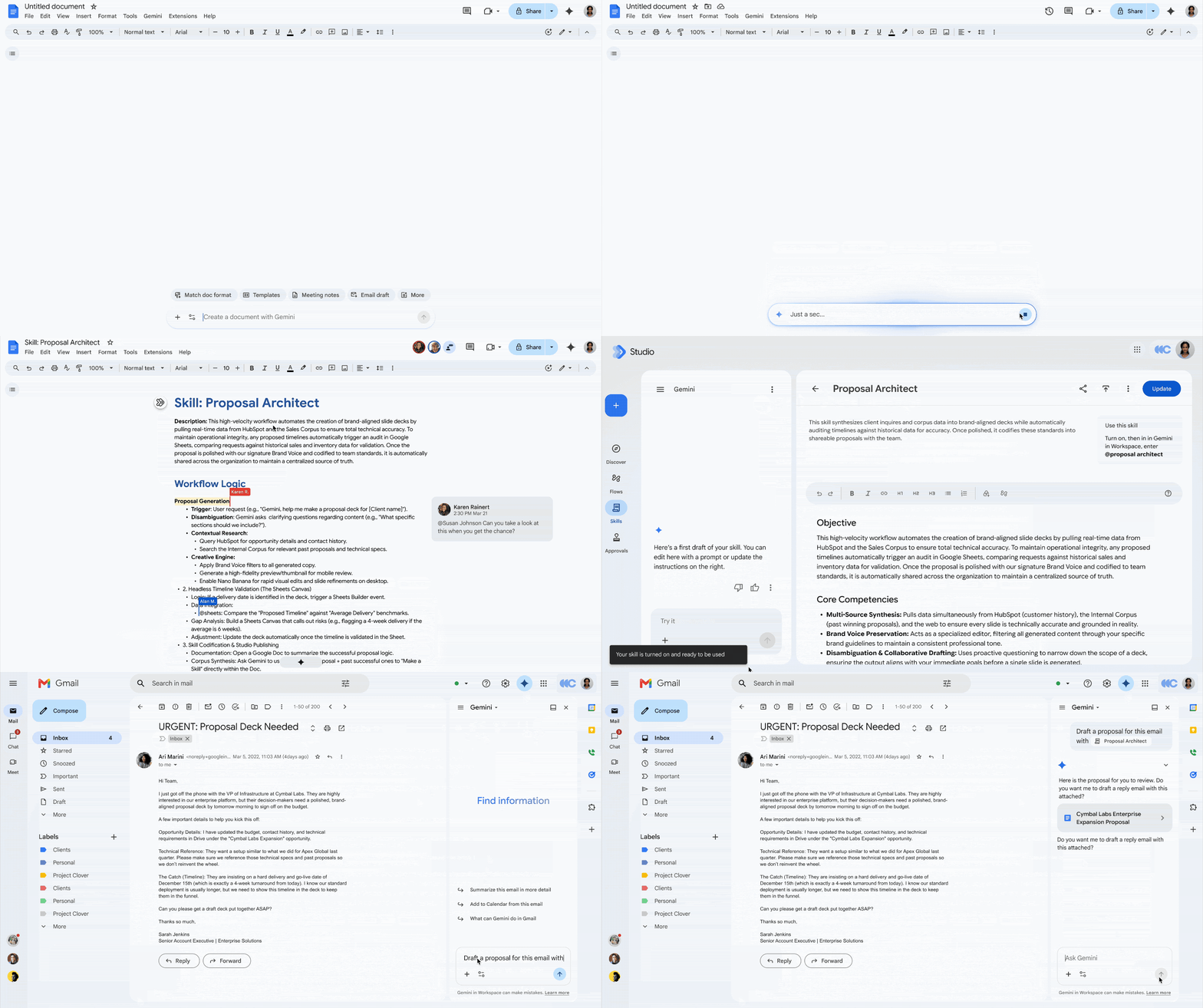
Skills solve this structural bottleneck by turning customized behaviors into discrete, reusable modules. Under the new system, an enterprise or individual can isolate specific operational components—such as a designated brand voice guide, a standard operating procedure (SOP) for customer service replies, or a specific formatting layout—into independent Skills.
Perhaps the most potent feature of the new Skills architecture is the ability to stack them. Users are no longer restricted to invoking a single custom persona. Instead, multiple Skills can be applied simultaneously to a single interaction. For example, a marketing professional could prompt Gemini while simultaneously invoking a "Brand Voice Skill," a "Weekly Newsletter Template Skill," and an "SEO Optimization Skill." The underlying model processes these parameters in tandem, ensuring that the final output satisfies all institutional and stylistic criteria without manual oversight for each individual rule.
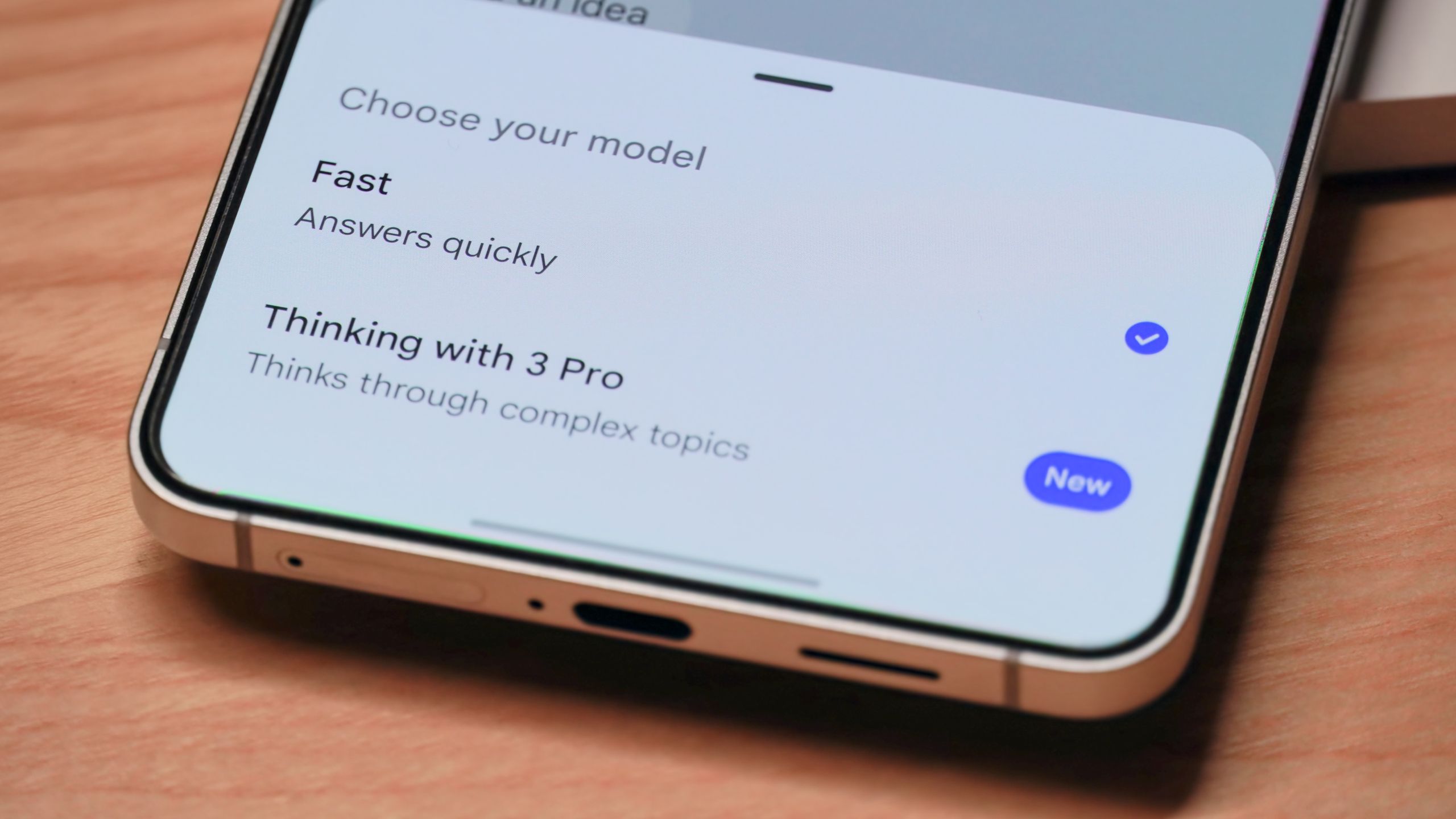
Furthermore, Google has integrated contextual automation into the Gemini app. The AI model is now engineered to autonomously recognize when a specific Skill applies to an incoming user prompt. Rather than forcing the user to manually toggle or select a Skill from a menu every time a task arises, Gemini can analyze the prompt’s intent, scan the user’s library of available Skills, and automatically apply the relevant context. This reduces friction and makes the AI feel less like a tool that requires explicit configuration and more like a proactive digital colleague.
A Detailed Chronology of the Transition
The deprecation of Gems and the introduction of Skills will not happen overnight. Google has established a comprehensive timeline to ensure that enterprise administrators, educational institutions, and everyday consumers have ample opportunity to migrate their workflows without severe disruptions.
October 5: The initial rollout of Skills begins across Google Workspace accounts, enabling enterprise teams to start building, testing, and deploying modular instruction blocks within collaborative documents and corporate environments.
October 13: The deployment expands to the broader consumer-facing Gemini app, allowing individual users on personal Google accounts to access the Skills interface, build custom modules, and test the new open-standard formatting.
November 17: Gems officially begin their structural exit. They will be relocated into Gemini’s core Settings menu. While they will remain functional for a temporary grace period, they will no longer receive active feature development or primary prominence within the user interface.
March 1, 2027: For business and enterprise accounts operating under enterprise service agreements, Google has guaranteed that existing Gems will not be abruptly deleted or disabled prior to this date, providing a generous multi-month buffer for corporate migrations.
June 1: Educational accounts receive the longest runway, with Google committing that school and university Gems will remain operational and protected from deletion until at least mid-2027.
Eventually, any legacy Gems that have not been manually updated or deleted by users will be automatically converted into draft Skills by the system, ensuring that institutional knowledge embedded in old prompts is not completely lost.

Built on Open Standards and Markdown
One of the most noteworthy technical aspects of Google’s new Skills initiative is its adherence to open architecture. Unlike proprietary, closed systems that lock users into a single vendor’s ecosystem, Google has built Skills on an open format known as SKILL.md, which utilizes standard Markdown formatting.
By utilizing Markdown—a lightweight markup language with plain-text formatting syntax—Google is making Skills portable. In theory, instructions, templates, and operational rules packaged in the SKILL.md format can be easily exported, shared, and adapted across other compatible AI platforms and developer environments. This openness aligns with a broader push in the tech industry toward developer-friendly, interoperable AI ecosystems, mitigating the risk of vendor lock-in that has historically plagued proprietary software suites.
However, the current implementation carries a notable caveat regarding synchronization. Despite the open nature of the underlying format, skills developed within the consumer Gemini app and those deployed inside Google Workspace will not automatically sync with one another. If a user wishes to utilize the exact same Skill in both their personal Gemini application and their corporate Workspace environment, they must currently create, configure, and maintain that Skill separately in both locations. Industry analysts suggest that Google may address this siloed experience in future updates, but for now, multi-ecosystem users must manage their libraries independently.
Broader Industry Implications and Enterprise Impact
The transition from Gems to Skills is more than a mere rebranding exercise; it signals a maturing enterprise AI market that demands scalability, compliance, and precision. In corporate environments, artificial intelligence adoption is increasingly bottlenecked by issues of consistency, governance, and brand safety.
By allowing organizations to codify internal processes, legal disclaimers, and brand compliance guidelines into modular, stackable Skills, Google is positioning Gemini as a serious enterprise workflow engine rather than just a conversational novelty. IT administrators can centralize the creation of approved company Skills, distributing them across departments to ensure that every employee leveraging AI is operating under the same institutional guardrails.
For example, a human resources department can deploy a standardized "HR Compliance Skill" that all internal recruiters must use when drafting candidate communications, ensuring adherence to labor laws and company policies. Simultaneously, a software development team can deploy a "Secure Coding Guidelines Skill" alongside a "Code Review Template Skill" to ensure that junior developers leveraging Gemini for programming assistance automatically receive outputs that align with internal security protocols.
As generative AI continues to transition from exploratory chat interfaces to deeply integrated operational infrastructure, Google’s shift toward modularity and open standards represents a logical maturation of the technology. While the deprecation of legacy Gems will require some administrative adjustment for early adopters, the long-term flexibility offered by stackable, automated Skills is expected to significantly enhance productivity across both personal and enterprise use cases.