Blizzard Entertainment surveys hint at massive expansion for World of Warcraft Forever with new class proposals

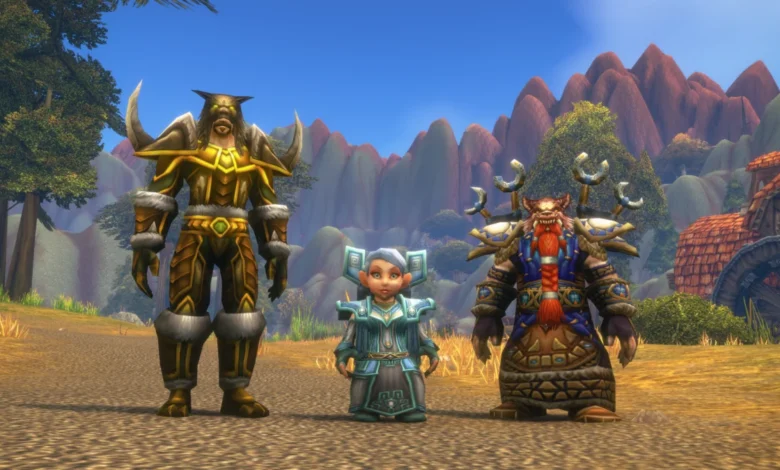
The landscape of World of Warcraft: Forever appears poised for a significant transformation as Blizzard Entertainment begins gauging player interest in a wide array of potential new character classes. A confidential survey recently distributed via the Battle.net desktop client has leaked, revealing that the developer is actively considering expanding the roster of the upcoming title beyond the traditional class archetypes established in the game’s original 2004 iteration. While the project is intended to capture the nostalgia of the franchise’s early years, the survey results suggest a willingness to integrate modern design philosophies and fan-requested roles.
The list of potential classes identified in the survey includes a blend of established modern-era classes and entirely new concepts, such as the Monk, Demon Hunter, Tinker, Illusionist, San’layn, Necromancer, Rune Knight, Bard, Warden, Witch, and Death Knight. Each proposal includes a detailed breakdown of the class’s intended role within group content, armor proficiency requirements, and unique ability sets designed to complement the existing gameplay loop of World of Warcraft: Forever.
Chronology of the Discovery
The discourse surrounding the future of World of Warcraft: Forever began in earnest last week when the digital survey appeared on the Battle.net launcher. Participants were presented with the class concepts and asked to rate their interest in seeing these additions integrated into the game. Despite an explicit request from Blizzard for participants to maintain the confidentiality of the survey materials, the information was rapidly disseminated across community forums such as Reddit and Imgur.
This development arrives shortly before the scheduled global launch of the title on November 4. The timing of the survey suggests that while the initial release will likely adhere to a more traditional experience, Blizzard is already formulating a post-launch roadmap that could drastically alter the game’s internal balance and player demographics.
Detailed Class Concepts and Design Philosophy
The proposed classes represent a departure from the strict limitations of the original WoW client. Notably, the "Witch" class is categorized as a ranged damage-dealer and support unit restricted to cloth armor. Its mechanics, such as a "Voidbolt" ability that drains the player’s own health to deal damage, and a "Cauldron" ability that provides group-wide buffs, indicate an attempt to introduce high-risk, high-reward gameplay that is absent from current classic-era iterations.
Similarly, the inclusion of the "Tinker" and "Bard" classes addresses a long-standing desire within the community for archetypes that have been requested since the game’s inception. The Tinker, envisioned as a mechanical specialist who engages in combat from within a deployable mech, and the Bard, a support class centered on rhythmic buffs and healing, highlight a focus on diversifying the support and utility roles currently dominated by Priests and Shamans.
For returning classes like the Monk and Demon Hunter, the survey documentation clarifies that Blizzard intends to tailor these experiences specifically for the Forever engine. For instance, the survey specifies that the Demon Hunter would be introduced at level one, a direct contrast to its current iteration in the modern "Midnight" expansion, where the class typically begins at a significantly higher level. This suggests that Blizzard is looking to retrofit these classes into the slower, more methodical leveling progression inherent to the earlier version of the game.
Market Context and Player Sentiment
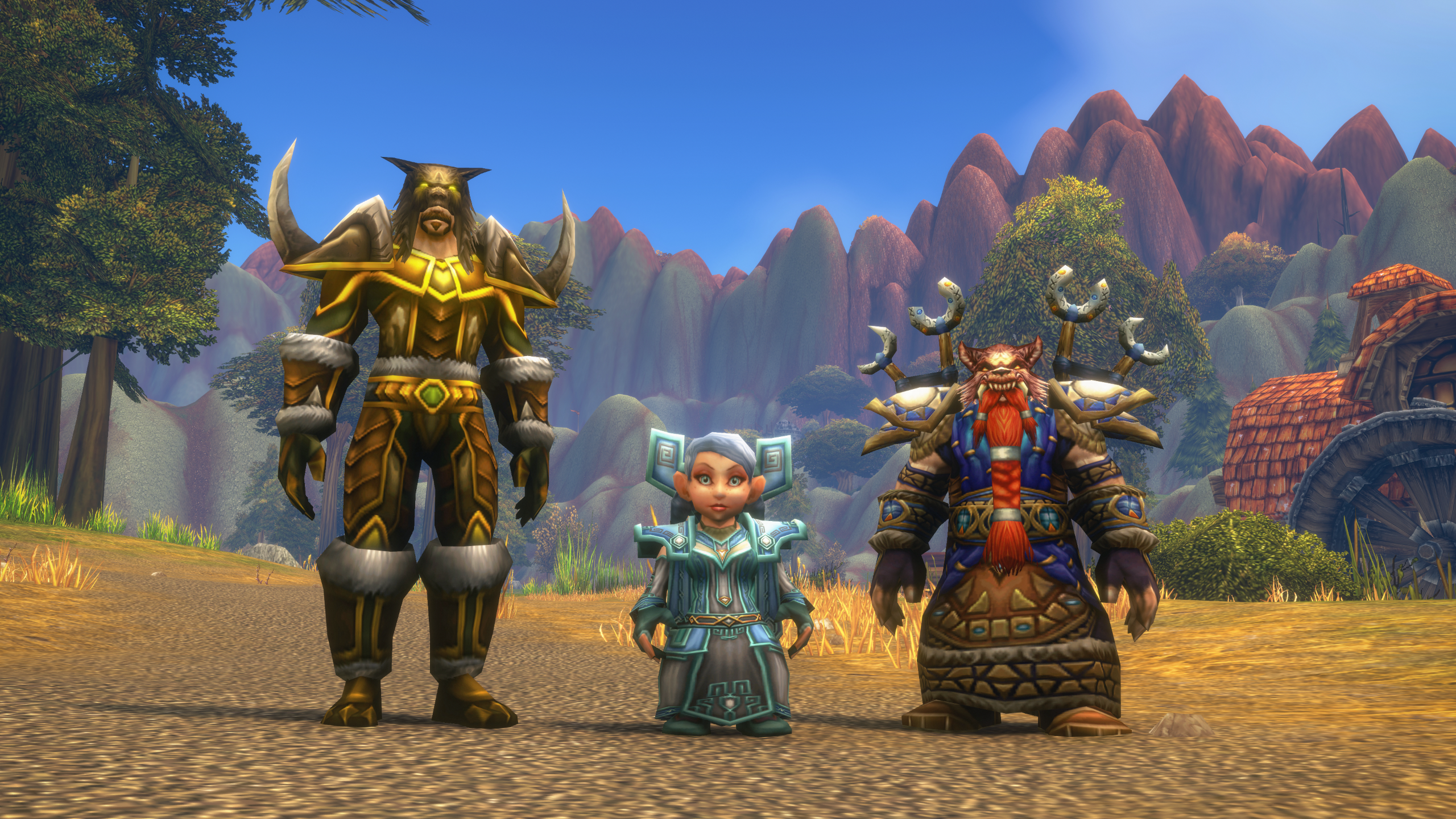
The introduction of new classes raises significant questions regarding the game’s monetization strategy. Since the public beta opened, the presence of new race options, such as the "blue elves," has been substantial, indicating that players are willing to engage with new content that deviates from the 2004 source material. The potential for selling these classes as premium content—or gating them behind specific expansions—is a major concern for the player base.
Community reaction on platforms like the r/classicwow subreddit has been polarized. While many players expressed excitement at the prospect of fresh gameplay mechanics, others have voiced concerns regarding the potential for "power creep." A frequent point of contention is whether these new classes will be balanced effectively against the original nine classes, or if their inclusion will render older archetypes obsolete. If a new class is introduced with superior efficiency or utility, it could fundamentally disrupt the established "meta," potentially alienating players who are seeking a strictly authentic retro experience.
Technical and Economic Implications
The implications of this survey extend beyond simple gameplay additions; they point to a broader shift in Blizzard’s strategy for the "Forever" brand. By treating the title as a living service rather than a static preservation project, Blizzard is positioning World of Warcraft: Forever as a hybrid between a legacy experience and a modern MMO.
From a technical perspective, integrating classes like the Necromancer or Rune Knight requires significant adjustments to the game’s underlying code. These classes often rely on complex pet AI or unique resource management systems that were not fully realized in the original client. The implementation of such features suggests that the technical team behind World of Warcraft: Forever has access to a more robust development environment than the original development team had twenty years ago.
From an economic standpoint, the decision to survey the community is a calculated move to mitigate risk. By gauging interest in specific classes, Blizzard can prioritize development resources toward the options that generate the highest projected engagement or conversion rates. This approach minimizes the risk of allocating time to features that the player base might find intrusive or unnecessary.
Future Outlook
As the November 4 launch date approaches, the industry is watching to see how Blizzard balances these modernization efforts with the expectations of the legacy player base. If the survey results lead to the implementation of these classes, it will signal a permanent change in the trajectory of the World of Warcraft: Forever project.
Whether these classes are introduced as free updates or as part of a recurring monetization model remains to be seen. However, the depth of the survey—which provided specific role, gear, and ability details—suggests that these are not merely hypothetical ideas, but well-developed prototypes awaiting the green light. The final decision will likely depend on the volume of feedback received and the player retention metrics observed in the weeks following the game’s initial release.
For now, the community remains in a state of anticipatory uncertainty. While the prospect of playing a Tinker or a Necromancer in the style of the original WoW is an enticing proposition for many, the broader concern remains that the "Forever" experience may become indistinguishable from the modern game it was intended to serve as an alternative to. Blizzard has yet to provide an official statement regarding the validity of the survey or its plans for post-launch content, leaving the player base to speculate on the future of Azeroth.
Related posts: