Why Nintendo Needs to Give the Metroid Prime Trilogy the Resident Evil Remake Treatment

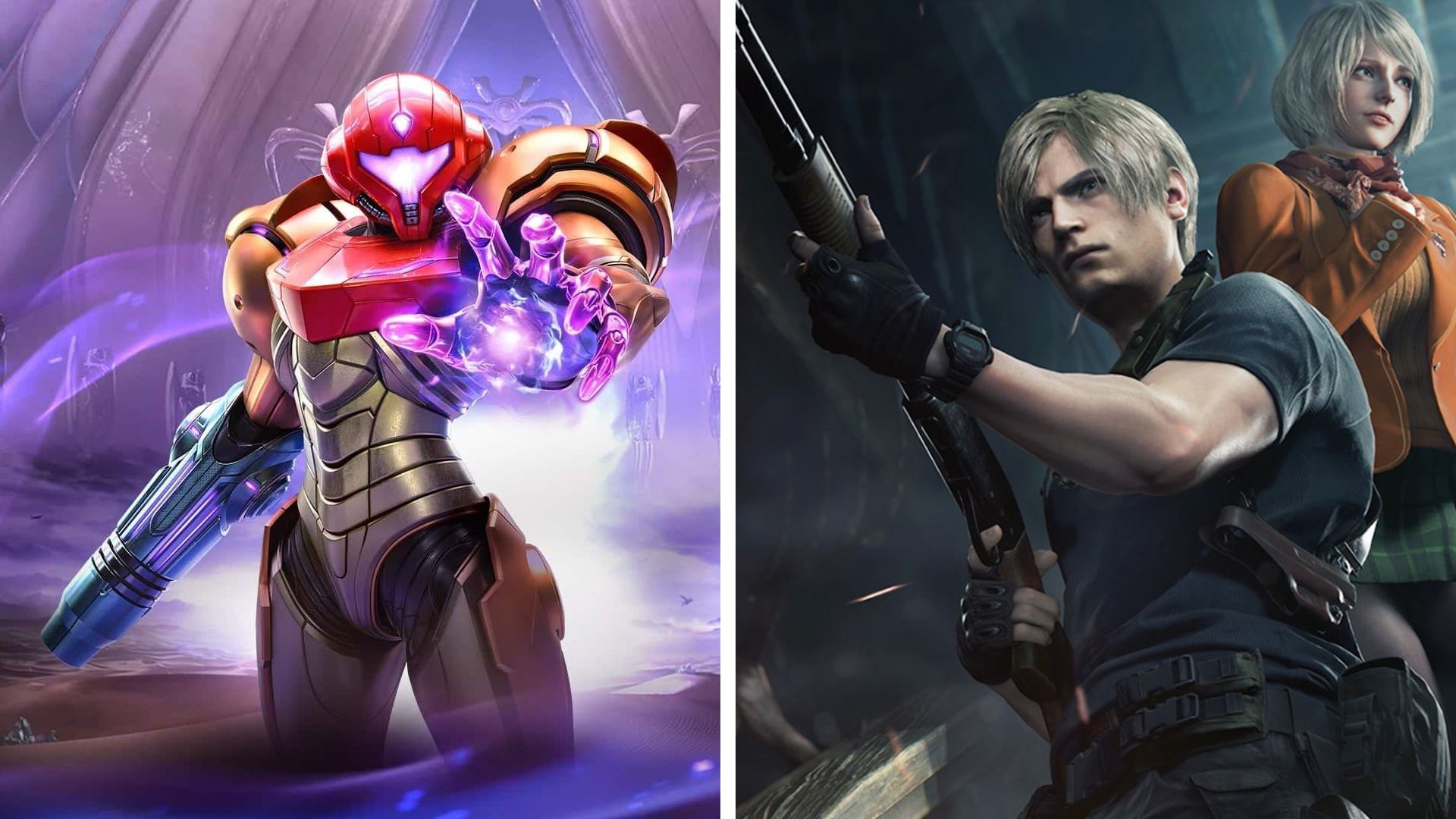
The launch of Metroid Prime 4: Beyond on the Nintendo Switch family of consoles did not unfold the way the gaming community had envisioned. Following a grueling five-year development cycle at Retro Studios—the original developer behind the universally acclaimed sci-fi first-person adventure franchise—the long-awaited sequel arrived amid considerable scrutiny. Rather than marking a triumphant return for bounty hunter Samus Aran, the title was met with a lukewarm reception from both critics and longtime fans. Common points of criticism included cumbersome companion characters, divisive open-world traversal mechanics such as a motorized bike designed to navigate desolate terrain, and a narrative conclusion that many found jarringly abrupt.
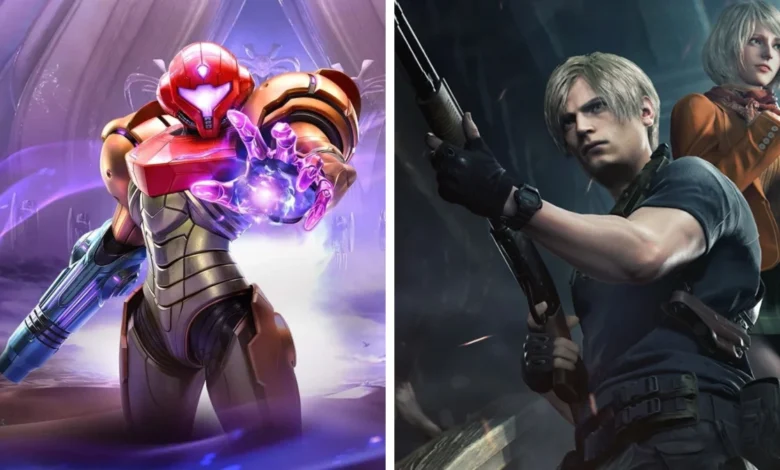
This lukewarm response has placed the storied sci-fi property at a critical crossroads. The Metroid franchise has weathered numerous creative and commercial shifts since its inception, but the underwhelming debut of its latest installment has reignited debates over how Nintendo should handle its intellectual properties moving forward. As the industry looks for blueprints on how to revitalize struggling or aging franchises, a compelling parallel can be drawn from Capcom’s masterclass in modern game preservation: the critically acclaimed Resident Evil remakes. By re-evaluating its classic catalog and applying a similar level of meticulous modernization, Nintendo could potentially restore the luster of its premier first-person exploration series.
A Historical Retrospective: From GameCube Innovation to the Long Drought
To understand the current standing of the Metroid Prime series, one must examine its historical trajectory. When the original Metroid Prime debuted in 2002 for the Nintendo GameCube, it faced immense skepticism from the industry. Transitioning a beloved 2D platforming and exploration franchise into a 3D first-person perspective was a notoriously difficult hurdle during the turn of the millennium, with many classic properties failing to make the leap successfully.
Instead of stumbling, Retro Studios redefined the genre, coining the term "First-Person Adventure" to emphasize exploration, scanning lore, and atmospheric puzzle-solving over pure military shooter mechanics. The subsequent releases—Metroid Prime 2: Echoes in 2004 and Metroid Prime 3: Corruption in 2007—refined the formula by introducing advanced weaponry, intricate light-and-dark world mechanics, and motion-controlled fluidity on the Nintendo Wii.
However, the momentum of the series ground to a near-halt following the release of Corruption and the divisive 2010 spin-off Metroid: Other M. What followed was an eighteen-year hiatus between the third mainline entry and the eventual rollout of Metroid Prime 4: Beyond. This prolonged absence created monumental expectations that the 2025 release ultimately struggled to fulfill. While 2023’s Metroid Prime Remastered demonstrated that the original GameCube asset still possessed timeless design tenets—bolstered by updated textures and widescreen optimization—it also highlighted the technological and structural gap separating modern gaming standards from early-2000s design philosophies.
The Capcom Blueprint: Learning from Resident Evil
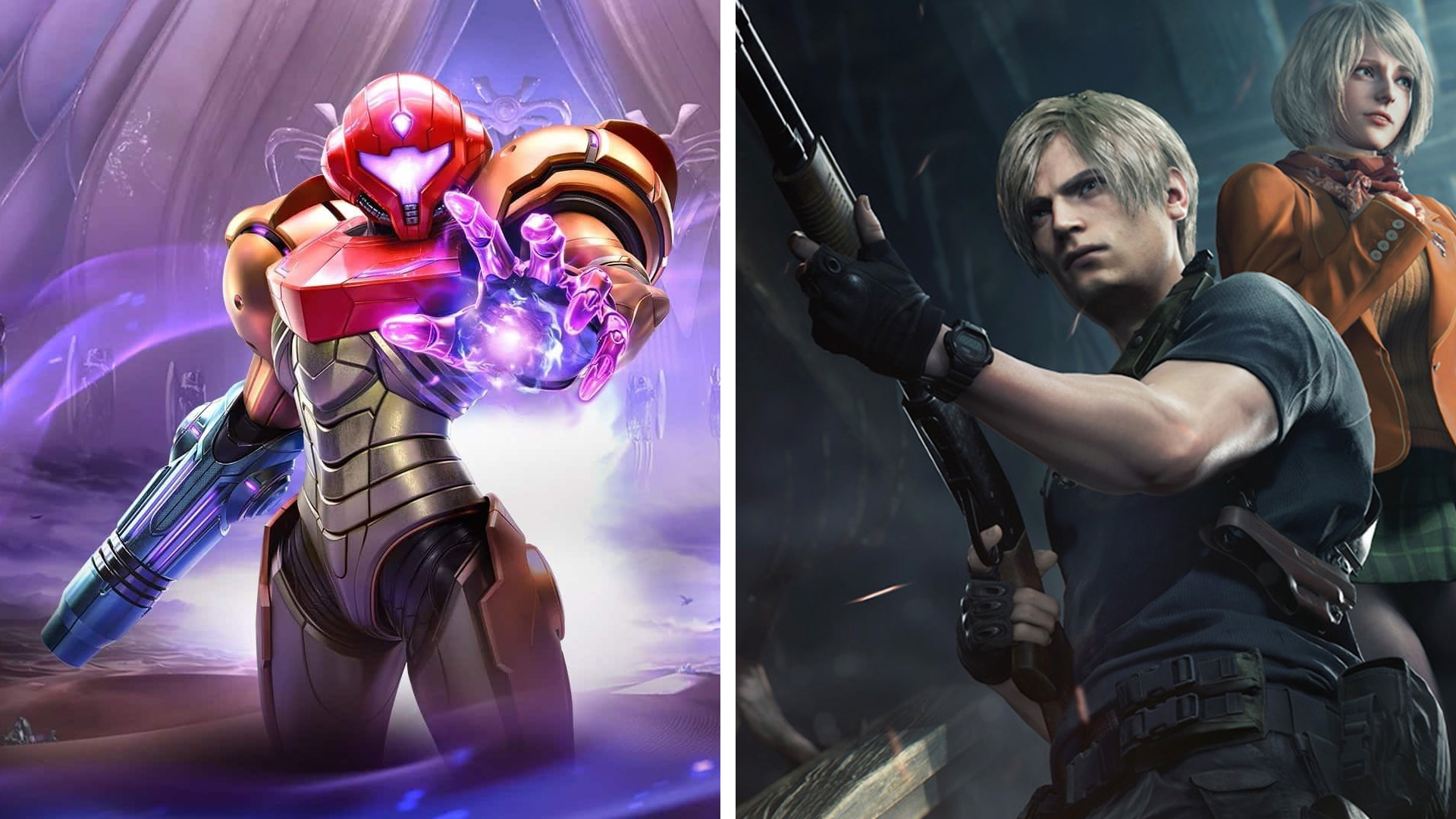
Nintendo’s current dilemma mirrors a challenge Capcom faced over a decade ago. Following the commercial disappointment and creative bloat of 2012’s Resident Evil 6, survival horror fans feared the franchise had lost its identity. Rather than abandoning the property, Capcom executed a calculated revitalization strategy.
Beginning with 2019’s Resident Evil 2 Remake and extending through subsequent reimaginings of Resident Evil 3 and Resident Evil 4, Capcom demonstrated how classic games could be rebuilt from the ground up. These projects retained the foundational atmosphere, tension, and structural integrity of their source material while integrating modern engine technology, over-the-shoulder camera perspectives, immersive sound design, and fluid combat mechanics. The success of this strategy proved that players do not merely want nostalgia; they want historical titles adapted to contemporary technical standards without losing their core atmospheric DNA.
Industry analysts note that a similar methodology could be applied to the Metroid Prime trilogy. Utilizing the game engine developed for Metroid Prime 4 as a technical foundation, Nintendo could theoretically rebuild the first three titles into a cohesive, visually stunning, and mechanically unified package. Such an endeavor would allow classic locations like Tallon IV, the dark world of Aether, and various flagship environments to be experienced with cutting-edge graphical fidelity, ray tracing, and spatial audio.

Reimagining the Narrative and Expanding Gameplay
A modern remake initiative could also serve as a narrative bridge. Industry insiders and fans have frequently discussed the potential of restructuring the chronology to create a seamless narrative arc. For instance, a comprehensive remake could begin immediately following the events of Metroid Prime: Zero Mission, giving players control of Samus Aran equipped with her full arsenal as she confronts Mother Brain in a fully realized 3D environment.
Furthermore, a modernized trilogy release could rectify omissions from recent iterations, most notably the absence of robust multiplayer modes. Metroid Prime 2: Echoes featured an experimental yet beloved split-screen multiplayer mode comprising Deathmatch and Bounty modes across distinct arenas. The exclusion of similar multiplayer or co-op functionality in Metroid Prime 4: Beyond was widely criticized by consumers who expected modern online integration, such as voice communication features and matchmaking support available on contemporary hardware. Reintroducing a modernized, expanded multiplayer suite—alongside potential cooperative campaign elements or horde survival modes—could significantly prolong the longevity of a prospective trilogy package.
Broader Industry Implications and the Future of Samus Aran
The stakes for Nintendo extend far beyond satisfying a niche demographic of science-fiction enthusiasts. In an economic climate where game development costs are soaring, publisher portfolios are consolidating, and major competitors are scaling back production to focus exclusively on mega-hit live-service titles, heritage franchises face a constant threat of marginalization.

Following the release of Metroid Prime 4: Beyond, the overarching Metroid brand risks fading back into the lengthy development droughts that characterized the 2010s. While 2021’s 2D entry Metroid Dread proved that side-scrolling iterations remain commercially and critically viable, the first-person Prime sub-series occupies a distinct and vital space in Nintendo’s software ecosystem.
Without strategic intervention, the franchise risks becoming an example of a missed opportunity—a series that defined an era of Nintendo hardware but failed to successfully transition into the modern gaming landscape. By investing in comprehensive remakes that respect the legacy of the original trilogy while embracing modern development standards, Nintendo could secure the future of one of its most iconic heroines, ensuring that Samus Aran’s explorations of the galaxy continue to resonate with new generations of players rather than fading into the barren landscapes of Sol Valley.