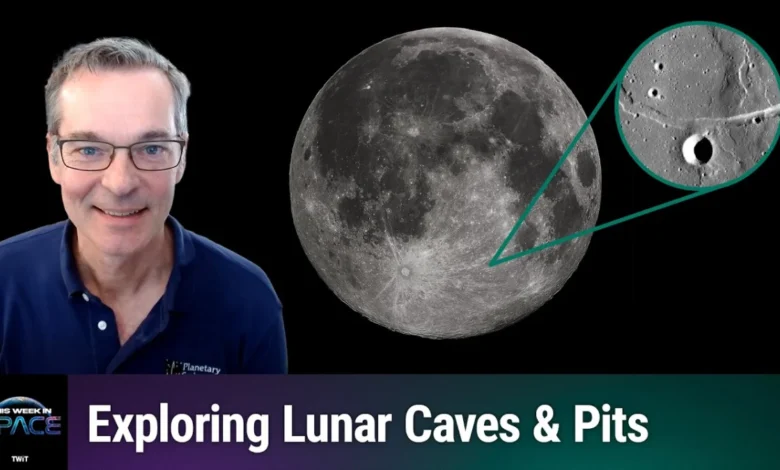
The prospect of establishing a permanent human presence on the Moon has long moved from the realm of science fiction into serious aerospace engineering. As space agencies and private commercial enterprises alike look toward a sustainable future beyond Earth, attention is increasingly turning away from surface-level habitats and toward the subterranean features of the lunar landscape. Chief among these geological curiosities are lunar lava tubes—vast, hollow corridors carved out by flowing ancient volcanic activity billions of years ago. Recent discussions surrounding NASA-backed payloads targeted at the Marius Hills Pit have reignited global interest in whether humanity’s first lunar settlements might actually be built deep beneath the lunar crust.
The exploration of these subterranean environments represents a significant paradigm shift in planetary architecture. For decades, mission planners conceptualized lunar habitats as surface structures modules covered in regolith for radiation shielding. However, the extreme thermal fluctuations of the lunar surface, where temperatures swing wildly from scorching highs of 120 degrees Celsius (250 degrees Fahrenheit) to freezing lows of -130 degrees Celsius (-200 degrees Fahrenheit) in shadowed regions, present severe engineering hurdles. Furthermore, micrometeoroid impacts, galactic cosmic rays, and solar particle events pose constant, lethal threats to unprotected astronauts. Lunar lava tubes, by contrast, offer a naturally shielded environment that could effectively mitigate these hazards, providing a stable ambient temperature and robust protection from cosmic radiation.
The Geological Formation and Discovery of Lunar Lava Tubes
Understanding how these subterranean structures formed requires a journey back to the Moon’s distant geological past. Between 3 billion and 4 billion years ago, extensive volcanic activity flooded impact basins with vast sheets of basaltic lava, creating the dark plains known as maria. As massive rivers of molten rock flowed across the surface, the outer edges and top surfaces cooled and solidified upon exposure to the vacuum of space, forming a hardened insulating crust. Meanwhile, superheated lava continued to flow swiftly through insulated subterranean channels underneath. Once the volcanic source diminished, the remaining liquid drained out of the lower ends of the channels, leaving behind massive, empty subterranean conduits known as lava tubes.
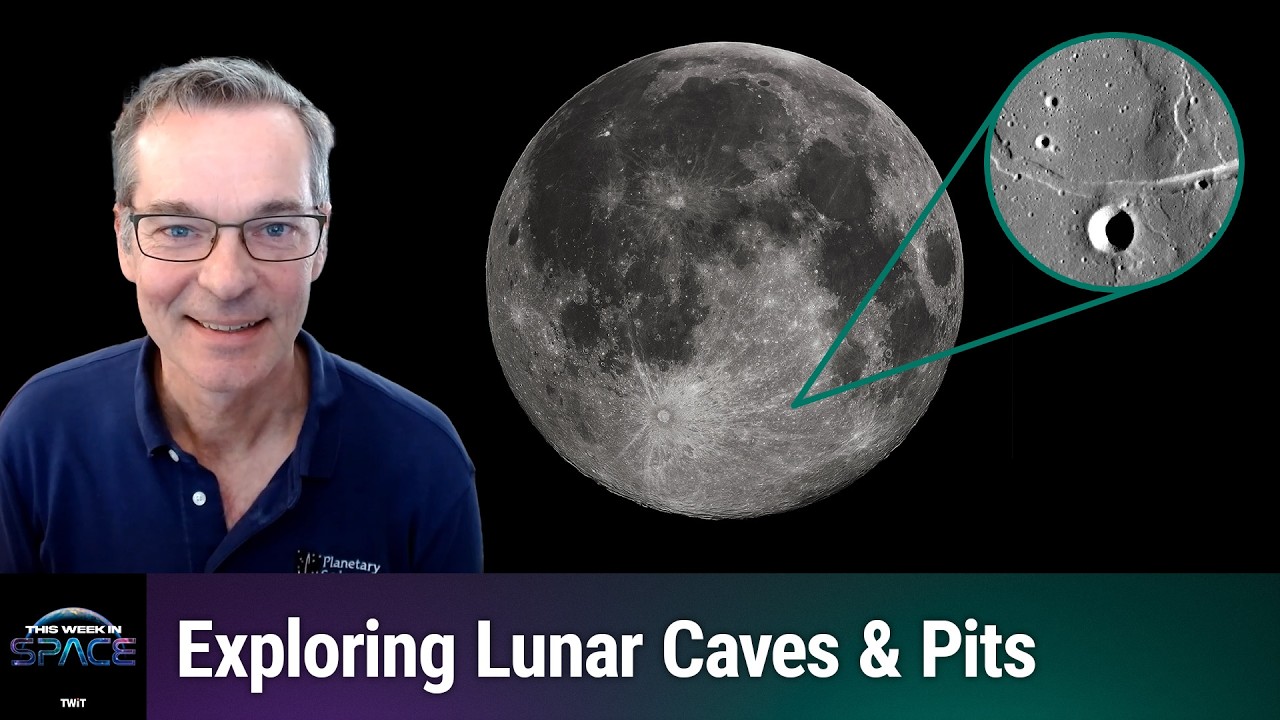
The existence of these subterranean voids was first theorized decades ago, bolstered by the identification of sinuous rilles—collapsed surface depressions that snake across the lunar maria. These rilles frequently exhibit "sky-windows" or pit craters, which are localized roof collapses that puncture the ceilings of the underlying tubes. The Marius Hills Pit, located in the Oceanus Procellarum region of the Moon, is one of the most prominent and heavily studied targets of these skylights. Measuring roughly 50 meters (164 feet) across and potentially dropping to depths comparable to or exceeding its width, the Marius Hills Pit is widely considered a primary gateway into an extensive network of pristine underground chambers.
Technological Innovations for Subsurface Exploration
Probing these hidden depths, however, presents unprecedented technological hurdles. Because these lava tubes are situated beneath tens or even hundreds of meters of solid rock, traditional orbital remote sensing can only reveal surface expressions and localized gravity anomalies. To accurately map the dimensions, structural integrity, and depth of these subterranean voids, scientists must deploy specialized robotic explorers equipped with advanced geophysical instrumentation.
Recent mission concepts, including payloads backed by NASA, focus on integrating ground-penetrating radar, gravimeters, and seismic sensors onto versatile lunar rovers. These instruments are designed to operate near pit rims or, in future mission phases, descend into the pits themselves to scan surrounding walls and floors. Ground-penetrating radar, for instance, transmits electromagnetic pulses into the lunar subsurface, analyzing the reflected signals to detect density contrasts between solid basalt rock and empty air-filled voids. By measuring the travel time and intensity of these reflections, geophysicists can construct detailed three-dimensional models of underground lava tubes, determining their width, height, roof thickness, and overall stability.
Integrating Subterranean Research into Artemis and Beyond
This intensive focus on lunar caves aligns strategically with NASA’s broader Artemis program, which aims to establish a sustainable human presence on and around the Moon by the end of the decade. While initial Artemis landing sites are targeted at the lunar south pole—primarily driven by the presence of water ice in permanently shadowed regions—the long-term expansion of human infrastructure will require diverse geographic capabilities.
South polar regions offer critical resources like water ice, but their rugged topography and lighting constraints present unique operational challenges. Conversely, equatorial and mid-latitude maria, where major lava tube candidates like Marius Hills are located, offer smoother terrain, easier communication line-of-sight with Earth, and more consistent solar geometry for power generation. Integrating subsurface exploration data into the overarching lunar architecture allows mission planners to weigh the benefits of surface habitats against the unparalleled safety and environmental stability offered by subterranean living. Should robotic precursors confirm that these lava tubes are structurally sound and easily accessible, future crewed missions could leverage them as expansive storage depots, scientific laboratories, or primary habitation quarters.
Beyond Science: Bringing Space Down to Earth
While space agencies grapple with the monumental challenges of deep-space exploration and lunar habitation, public enthusiasm for spaceflight continues to manifest in myriad terrestrial ways. For space enthusiasts seeking a hands-on connection to modern rocketry, the aerospace hobbyist market has seen remarkable innovations. Companies such as model rocket manufacturer Estes have introduced highly detailed, flight-capable scale models of iconic commercial launch vehicles, such as the SpaceX Falcon 9. Retailing at accessible price points, these meticulously engineered flying models allow enthusiasts to safely simulate orbital-class launches in local fields and parks, bridging the gap between professional aerospace engineering and public engagement.
Implications for the Future of Human Settlement
The investigation of lunar lava tubes represents more than a mere academic exercise in planetary geology; it is a foundational step toward humanity becoming a multi-planetary species. As we look ahead to the next era of space exploration, the ability to utilize in-situ resources—including natural geological formations—will dictate the economic and physical viability of long-term settlements.
The challenges remain formidable. Navigating sheer vertical drops into pitch-black pits, developing autonomous robotics capable of operating without direct human intervention in GPS-denied environments, and engineering reliable life-support infrastructure underground will require years of rigorous testing and development. Yet, the potential rewards are immense. If humanity can successfully adapt these ancient volcanic tunnels into habitable sanctuaries, we will have unlocked a blueprint for surviving the harsh realities of the cosmos, turning the raw, untamed geology of the Moon into our solar system’s first truly protected subterranean home.