Backpack Crowned Champion of Fat Bear Week 2026 in Historic Katmai National Park Showdown

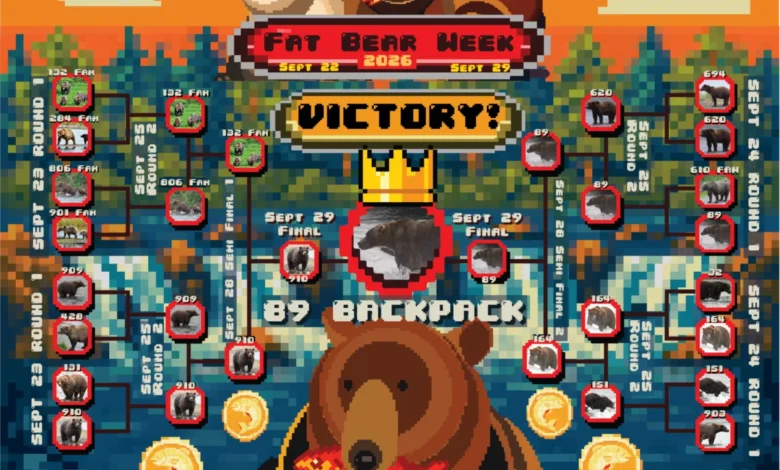
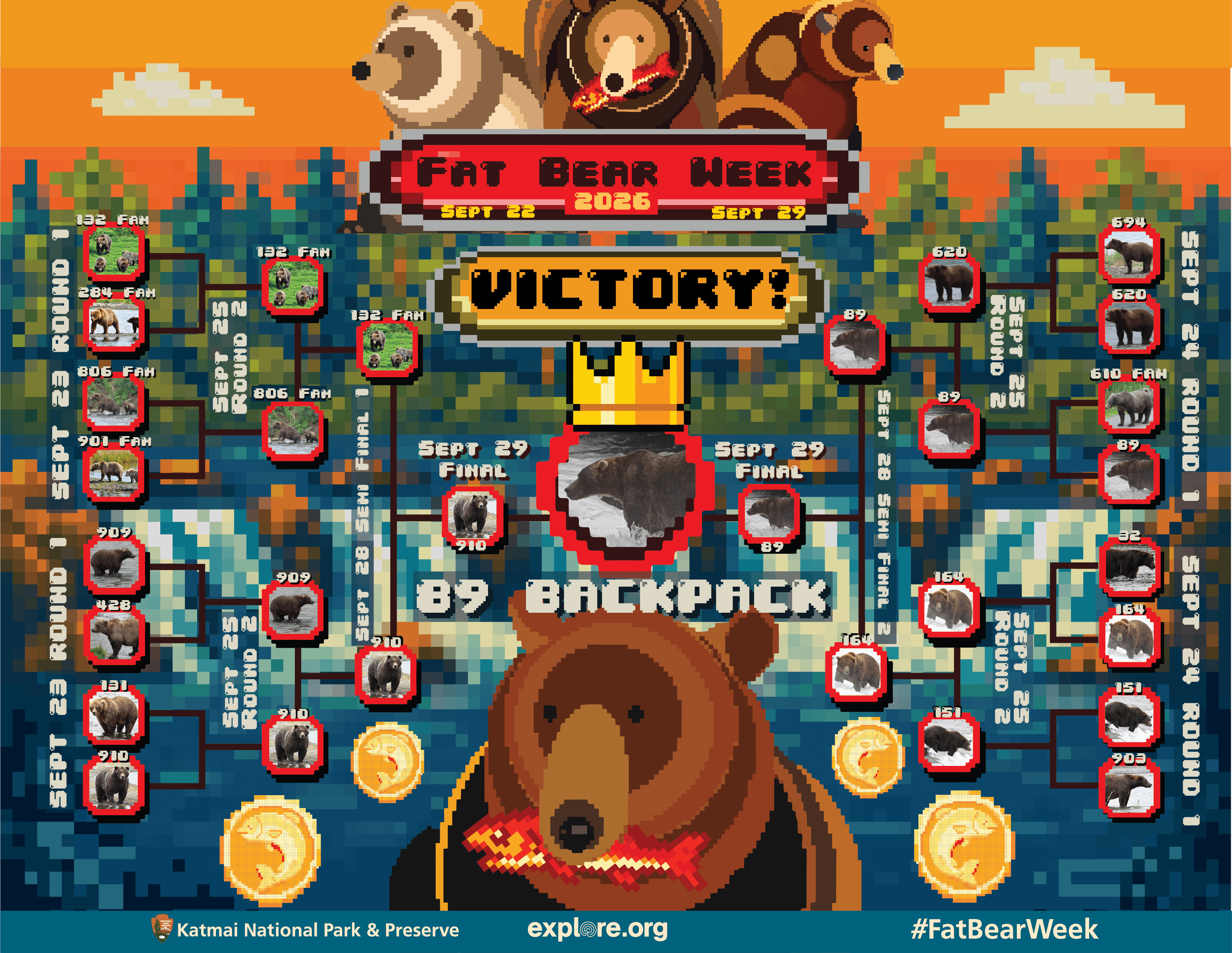
The final votes have been tallied in the Alaskan wilderness, and a new sovereign of the Brooks River has ascended the throne. Bear #89, affectionately known as Backpack, has officially secured the title of Fat Bear Week 2026 champion. The announcement concludes a highly competitive annual bracket-style tournament that captivated global audiences, drawing hundreds of thousands of digital observers to the Katmai National Park and Preserve. Backpack’s victory over runner-up Bear #910 in the final round marks a significant moment in the event’s history, as the champion successfully unseated the previous titleholder, Bear #32 (Chunk), who was eliminated early in the competition by the formidable newcomer, Bear #164 (Bucky Dent).
A Legacy Forged in the Brooks River
The moniker "Backpack" is more than a whimsical name; it is a testament to the bear’s early life experiences. As a cub, Bear #89 was frequently observed riding on the back of his mother, the legendary Katmai matriarch and former champion, Bear #435 (Holly). This early proximity to one of the park’s most successful fishers provided the young bear with a front-row seat to the survival skills necessary to navigate the treacherous and resource-rich Brooks River.
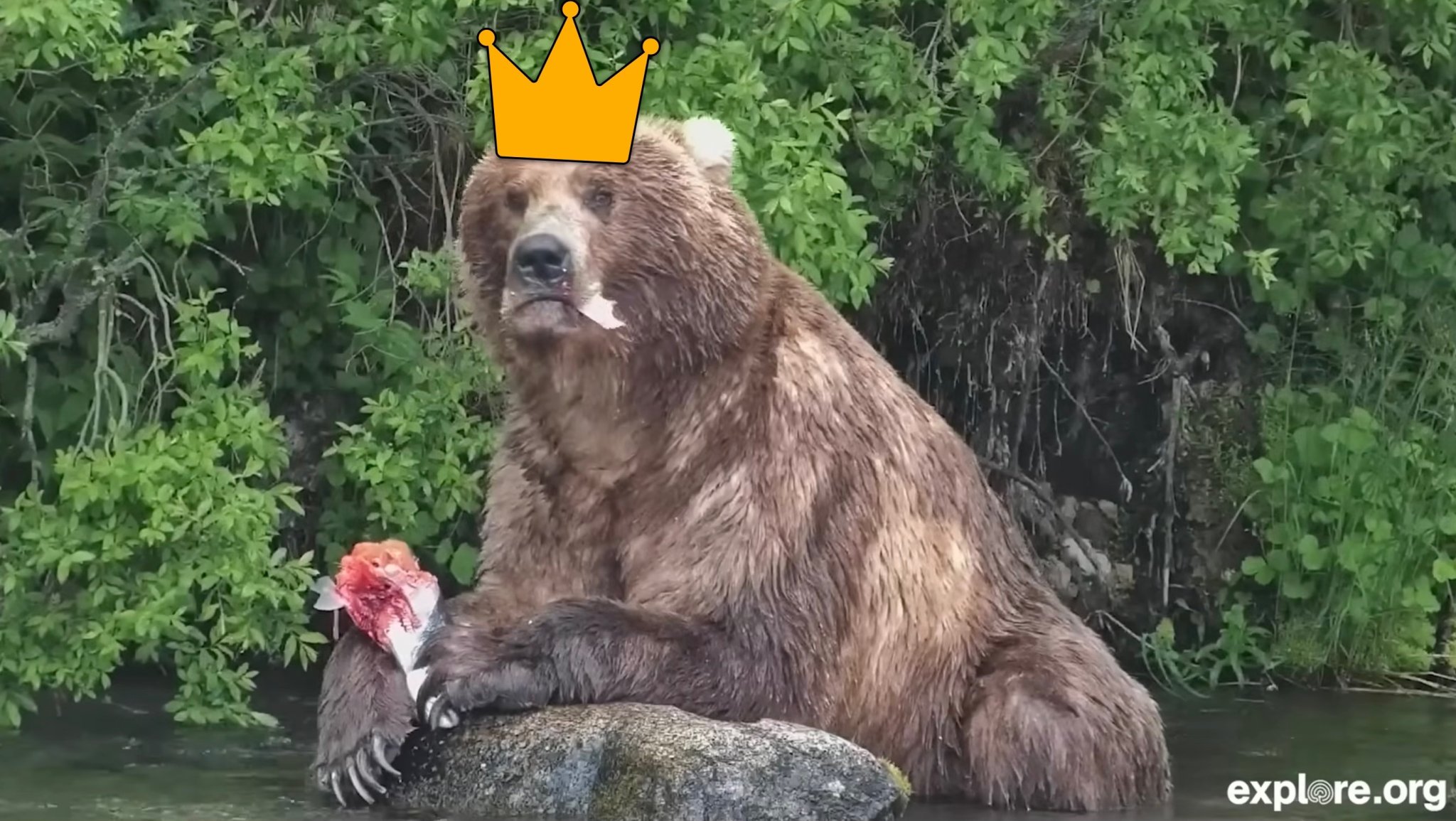
Now 20.5 years old, Backpack has cemented his status as a pillar of the local ursine community. His journey to this year’s championship was characterized by resilience. In 2007, as a yearling, he faced a life-threatening leg injury that hampered his mobility and sparked concern among park staff and devoted viewers of the explore.org bear cams. At the time, the prognosis for the young bear was grim, with many observers fearing he would not survive the harsh Alaskan spring. His recovery, achieved without human intervention, has since become a cornerstone of his narrative—a story of quiet strength and remarkable adaptation. Park rangers and observers alike note that despite his massive frame, Backpack maintains a temperament described as calm and non-aggressive, often preferring to stake out a specific, favored rock downstream rather than engaging in the territorial disputes common among his peers.
The 2026 Tournament Chronology
The 2026 Fat Bear Week competition officially commenced on September 22, featuring a roster of 16 brown bears (Ursus arctos) categorized into four distinct groups: mother bears, single females, sub-adults, and adult males. The bracket was designed to showcase the diverse life histories and physiological transformations of the Katmai brown bear population.
The progression of the tournament was marked by intense voter participation. In the semi-finals, the competition reached a fever pitch during the matchup between Backpack and the rising star, Bucky Dent. The result was decided by a margin of less than one percentage point, underscoring the immense public engagement with the tournament’s voting process. This narrow victory propelled Backpack into the finals, where his sustained mass and popularity carried him to a decisive win against Bear #910. The early elimination of last year’s champion, Chunk, by Bucky Dent in Round 1, Part 2, on September 24, had already set the stage for a shifting power dynamic, signaling that the 2026 season would be defined by the emergence of new, heavy-hitting contenders.

The Biological Imperative: Why Size Matters
Fat Bear Week is a public engagement initiative designed to highlight the critical importance of the salmon migration in the Katmai National Park ecosystem. Every year, beginning in late June, brown bears congregate at Brooks Falls to feast on sockeye salmon. This caloric intake is not merely for show; it is a biological necessity for survival. As winter approaches, these animals must accumulate sufficient fat reserves to enter a state of torpor.
Contrary to the colloquial term "hibernation," bears do not enter a state of true, deep hibernation characterized by a complete cessation of biological processes. Instead, they enter torpor, a state of reduced activity and metabolic rate that allows them to survive for months without food or water. During this time, a bear’s body metabolizes the adipose tissue stored during the summer and autumn months. Without the massive weight gain observed throughout the salmon run, many of these bears would be unable to sustain their physiological needs through the long, frigid winter. The competition serves as a poignant, accessible gateway for the public to learn about the intricate relationship between salmon availability, habitat health, and the survival of one of North America’s most iconic apex predators.
Economic and Conservation Implications
The cultural phenomenon of Fat Bear Week has evolved into a significant driver for conservation funding. The event is deeply tied to the Katmai Conservancy, particularly through the "Otis Fund," named in honor of the four-time champion, Bear #480 (Otis). The fund supports critical initiatives, including scientific research, wildlife monitoring, and educational outreach programs that protect the park’s fragile ecosystem.
The impact of this tournament extends beyond the digital sphere. By fostering a global community of "bear enthusiasts," the National Park Service and its partners at explore.org have successfully turned a niche biological observation into a platform for environmental advocacy. The matching donation programs, such as the one offered by explore.org through October 3, demonstrate how public interest can be successfully leveraged to provide tangible financial support for park infrastructure and wildlife preservation. Experts suggest that the heightened visibility of the bears provides a safeguard for the habitat, as public investment in the "characters" of the Brooks River translates to increased political and social pressure to maintain the integrity of the salmon runs that sustain them.
Looking Toward the Future
As the 2026 competition concludes and the bears of Katmai move toward the lower Brooks River to consume the final runs of salmon before seeking their dens, the focus shifts to the long-term monitoring of these animals. The success of bears like Backpack provides researchers with valuable data regarding longevity and the ability of individual bears to overcome early-life trauma.
The 2026 Fat Bear Week has once again proven that the intersection of wildlife biology and digital storytelling can engage a diverse global audience. While Backpack wears the metaphorical crown for the current season, the true success of the event lies in the continued preservation of the Katmai landscape. The National Park Service continues to urge the public to view these animals as wild, complex beings, and to support the ongoing efforts required to keep the Brooks River a thriving, salmon-rich environment for generations of bears to come. As the winter dormancy begins, the story of Backpack and his fellow competitors serves as a reminder of the delicate balance that defines life in the Alaskan wild.
Related posts: