The World’s Largest Viking Ship Draken Harald Harfagre Is Seeking Volunteers for Spring 2027 Restoration

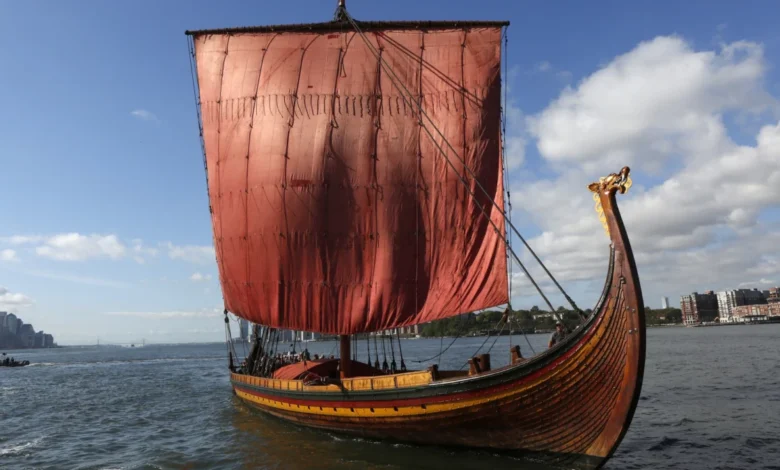
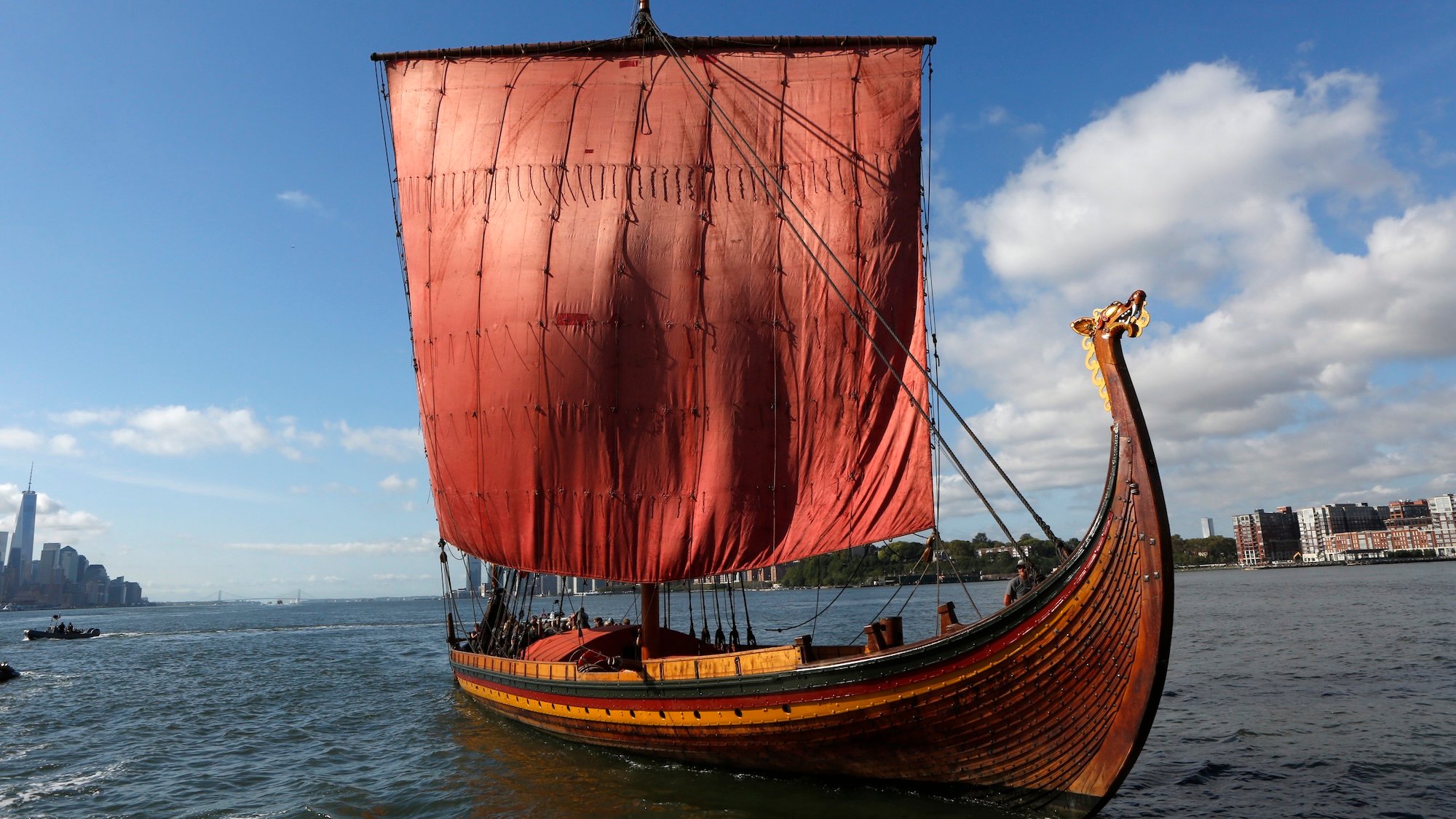
The Draken Harald Hårfagre, a monumental feat of experimental archaeology and maritime engineering, is set to undergo a rigorous maintenance cycle in Norway this coming April. Following its high-profile appearance as the primary galley ship in Christopher Nolan’s recent cinematic adaptation of The Odyssey, the 114-foot vessel requires specialized care to preserve its structural integrity. The organization behind the ship is currently soliciting applications from volunteers willing to contribute to the four-week restoration project, which focuses on the preservation of traditional wooden shipbuilding techniques.
A Legacy of Experimental Archaeology
Commissioned in 2010 by Norwegian businessman Sigurd Aase, the Draken Harald Hårfagre was not designed as a mere museum replica. It serves as a living laboratory for the study of Viking Age naval architecture. The construction process was guided by historical descriptions found in skaldic poetry and archaeological findings, most notably the 9th-century Gokstad ship.
The construction of the Draken was a massive undertaking that required the fusion of ancient Norse techniques and modern safety standards. Builders utilized traditional oak materials, overlapping planks (clinker construction), and a massive square-sail rig. The ship features 50 oars, allowing it to navigate shallow waters and river systems just as its predecessors did over a millennium ago. Since its launch in 2012, the vessel has become a global ambassador for Scandinavian history, undertaking ambitious voyages, including a successful 2016 transatlantic crossing from Haugesund, Norway, to Newfoundland, Canada, which traced the historic route of Leif Erikson.
The Odyssey and the Shift to Practical Effects
The inclusion of the Draken in Christopher Nolan’s The Odyssey marked a significant moment for both maritime history enthusiasts and the film industry. In an era dominated by computer-generated imagery (CGI), Nolan’s commitment to practical effects has been a defining characteristic of his filmography. By enlisting a genuine, full-scale Viking-style ship rather than a digital asset or a flimsy studio prop, the production aimed to capture the visceral reality of ancient naval warfare and travel.
While some historians have noted the chronological dissonance—the Draken is based on 9th-century Viking design, while The Odyssey is set in the Late Bronze Age—the choice reflects a broader cinematic tradition of prioritizing atmosphere and material authenticity over pedantic historical accuracy. For the filmmakers, the ship’s ability to handle open water provided a sense of scale and momentum that CGI often struggles to replicate. The physical toll of the production on the ship, however, necessitates the upcoming maintenance phase, ensuring that the vessel remains seaworthy for future educational exhibitions.
Maintenance and Restoration: The 2027 Schedule
The scheduled maintenance, beginning April 10, 2027, and concluding May 15, is critical to the longevity of the oak hull. The primary objective is to inspect and, where necessary, replace individual planks—a process known as "clinking." Saltwater exposure, shifting temperatures, and the mechanical stress of recent filming have created a need for comprehensive restorative work.
The volunteer program is structured into five one-week intervals. According to the project organizers, the tasks are physically demanding and require a degree of technical aptitude. Volunteers will be engaged in:
- Hull maintenance: Removing marine growth and inspecting the integrity of the oak planking.
- Surface treatment: Re-tarring the wood to provide a protective barrier against moisture and rot.
- Structural reinforcement: Tightening rigging and ensuring the 79-foot mast and associated tackle remain secure.
- Preventative maintenance: General cleaning and upkeep of the internal galley and sleeping quarters.
While the organization provides meals and basic accommodations, it emphasizes that this is not a recreational cruise. "The project relies on a collective effort," the organization stated in a recent press release. "We are looking for individuals who appreciate the intersection of craftsmanship, history, and the rugged demands of maritime labor."
Broader Implications for Maritime Preservation
The existence of the Draken Harald Hårfagre represents a growing interest in the intersection of public history and experiential education. By allowing the public to engage directly with the maintenance of the vessel, the organization fosters a deeper understanding of the labor-intensive nature of pre-industrial shipbuilding.
Maritime historians argue that projects like the Draken are vital because they provide data that cannot be captured by static exhibits. By sailing the ship, the crew learns about the hydrodynamic properties of the clinker-built hull, the management of the square sail in varying wind conditions, and the logistical challenges faced by ancient mariners. This practical knowledge complements the findings of marine archaeologists and provides a more holistic view of how Viking society expanded across the North Atlantic.
Chronology of the Draken Harald Hårfagre
- 2010: Construction commences in Haugesund, Norway, under the supervision of Sigurd Aase.
- 2012: Official launch of the Draken Harald Hårfagre.
- 2016: The ship completes a high-profile transatlantic crossing to Newfoundland.
- 2026: The vessel serves as a central prop in the production of Christopher Nolan’s The Odyssey.
- 2027 (April–May): Scheduled maintenance and restorative efforts in Norway.
Challenges and Future Prospects
The maintenance of a 114-foot wooden ship is an ongoing financial and logistical burden. As the vessel ages, the costs of high-quality oak and traditional materials, such as pine tar and hemp rope, continue to rise. Furthermore, the reliance on volunteers highlights the necessity of public interest to keep such projects solvent.
Some critics of the project suggest that as the vessel becomes more involved in commercial film production, the line between historical education and entertainment may blur. However, supporters argue that the visibility gained from Hollywood projects provides the necessary funding and global interest to ensure the ship can continue its primary mission: documenting and demonstrating the incredible seafaring capabilities of the Norse explorers.
As of early 2027, the organization reports a steady influx of applications. Candidates with backgrounds in carpentry, traditional sailing, or marine engineering are given priority, though the project remains open to any applicant over the age of 18 who demonstrates a willingness to learn. The upcoming spring cycle is viewed as a pivotal moment for the ship, serving not only as a repair mission but as an opportunity to pass down fading maritime skills to a new generation of enthusiasts.
For those interested in participating, the process involves an online screening where applicants detail their physical readiness and relevant skill sets. Following the maintenance period, the ship is expected to return to its exhibition schedule, with potential tours planned for European and North American ports throughout the remainder of 2027 and into 2028. The Draken stands as a testament to the fact that while the Viking Age ended centuries ago, the ingenuity and spirit of those early shipwrights remain a subject of profound contemporary fascination.
Related posts: