While the reduction of eight positions may appear numerically modest compared to the sweeping workforce cuts seen elsewhere in the games industry—such as the recent downsizing at Firaxis Games—the pattern of recurring departures at Crystal Dynamics points to a significant period of organizational attrition. This announcement represents the fifth documented round of layoffs at the studio in less than two years, cumulatively impacting approximately 70 employees.
The Anatomy of the Cuts
In a statement provided to industry media, Crystal Dynamics addressed the decision, characterizing it as a necessary business measure. "Crystal Dynamics made a difficult, but necessary business decision to reduce our current studio staff by eight people," the studio stated. "Whenever we phase roles off a project, we make every effort to find new spots for our great colleagues first. Everyone affected receives a full severance package as well as job placement assistance to aid them through this transition. We wish them the best and hope to work together in the future."
The studio was quick to emphasize that these personnel adjustments are not expected to impact the production schedules of its current development pipeline. This reassurance is particularly critical given the high visibility of the studio’s ongoing projects and the history of delays that have already plagued their recent roadmap.
A Chronology of Instability
To understand the current state of Crystal Dynamics, one must examine the timeline of its recent history following its acquisition by Embracer Group. The studio’s trajectory has been defined by a transition from a period of high-profile growth to one of recurring contraction.
- 2022: Crystal Dynamics officially reclaims the rights to the Tomb Raider franchise, a move widely viewed as a return to its roots after the company’s stint under Square Enix. This period of optimism, however, was quickly met with the realities of the broader gaming market’s contraction.
- 2023: The studio initiates the first of several rounds of layoffs. As the industry began to shift away from the post-pandemic growth bubble, developers across the board faced pressure to optimize costs.
- 2024: The frequency of staff reductions becomes a recurring narrative. By the mid-point of the year, the studio had undergone four distinct rounds of layoffs, raising questions among industry analysts regarding the long-term sustainability of the studio’s operational model.
- 2025: The year has been defined by further project uncertainty. In July 2025, the cancellation of the Perfect Dark reboot—a project Crystal Dynamics had been co-developing with The Initiative for four years—served as a major blow to the studio’s portfolio.
The Challenges of the Production Pipeline
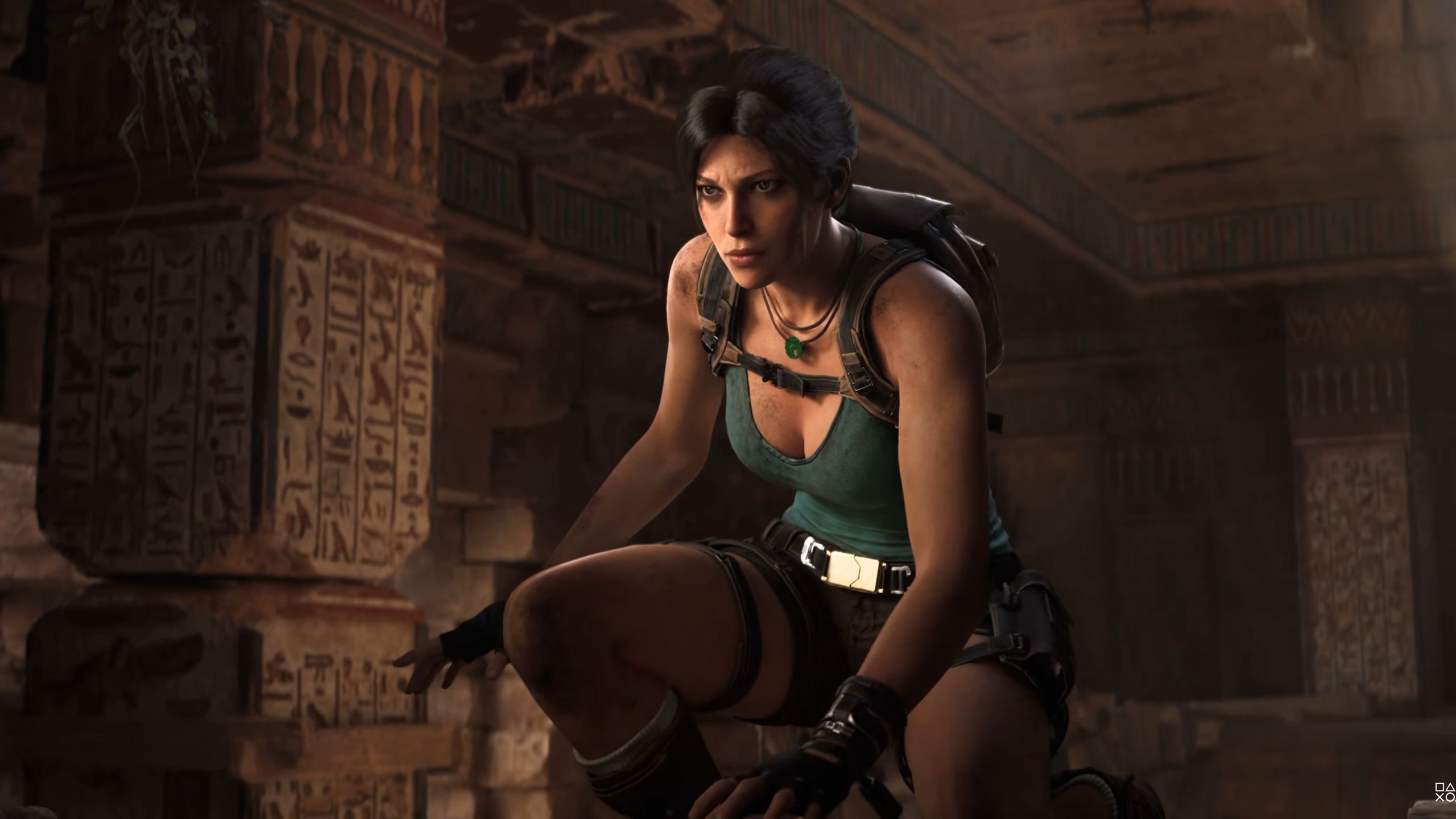
The internal workforce reductions are occurring in tandem with significant delays to the studio’s primary intellectual property. In June, the highly anticipated Tomb Raider: Legacy of Atlantis, a remake of the original classic, was officially delayed to February 2027. This decision signaled to the market that the studio was re-evaluating its production timelines to ensure quality, yet it also highlighted the strain on internal resources.
Shortly thereafter, in August, the next major installment in the series, Tomb Raider: Catalyst, was pushed to a 2028 release window. These repeated delays suggest a studio attempting to balance the high expectations of a legendary franchise with the logistical realities of a smaller, more volatile workforce. The cancellation of the Perfect Dark collaboration further complicates the narrative, as it effectively removed a major revenue-sharing opportunity and creative endeavor that had occupied a significant portion of the studio’s talent pool for nearly half a decade.
Industry Context and Economic Pressures
The situation at Crystal Dynamics cannot be viewed in a vacuum. It is a microcosm of the "Great Correction" currently sweeping through the interactive entertainment sector. Since early 2023, the industry has seen tens of thousands of layoffs as parent companies grapple with rising interest rates, shifting consumer habits, and the sobering reality of the "post-COVID" gaming slump.
Embracer Group, the parent company of Crystal Dynamics, has been a central player in this narrative. Following a period of aggressive, debt-fueled acquisitions, the conglomerate initiated a massive restructuring program in 2023. This program was designed to cut costs, divest non-core assets, and stabilize the company’s balance sheet. For studios like Crystal Dynamics, this has manifested as a mandate for increased efficiency, which in practice has meant smaller teams and tighter project scopes.
Analysis: What This Means for the Future
The persistent nature of these layoffs suggests a fundamental shift in how Crystal Dynamics is being managed under the Embracer umbrella. While management maintains that the cuts are "phased" and related to project lifecycles, the cumulative effect of losing 70 staff members over 24 months is significant.
For a studio that relies on the institutional knowledge required to craft high-fidelity, narrative-driven action games, high turnover presents a distinct risk. Each round of layoffs potentially drains the "tribal knowledge" required to maintain the specific engine and design philosophy that makes a Tomb Raider game feel authentic to the brand.
Furthermore, the delay of both Legacy of Atlantis and Catalyst creates a vacuum in the studio’s output. Investors and fans alike are waiting for a major win to justify the studio’s continued existence as a standalone pillar of the Embracer portfolio. If the studio continues to shed talent, the risk of "feature creep" or quality control issues in its upcoming titles increases.
The Road Ahead
Despite the headlines, there is no immediate indication that Crystal Dynamics is facing closure. The studio remains a prestigious entity with one of the most recognizable IPs in gaming. However, the path forward will require a delicate balancing act. The studio must convince the public and its remaining staff that it has reached a state of stability.
The next 18 months will be a litmus test for the leadership at Crystal Dynamics. With no new major releases on the immediate horizon until 2027, the focus will likely shift to internal culture and project management. Whether the studio can successfully ship its upcoming Tomb Raider titles without further delays—and without further workforce reductions—remains the central question for the industry to watch.
As the gaming industry continues to navigate this period of economic austerity, the story of Crystal Dynamics will serve as a key case study. It highlights the tension between the creative demands of blockbuster game development and the cold, hard pressures of corporate financial restructuring. For now, the studio remains in a state of transition, aiming to honor its legacy while fighting to survive the current market climate.