As the results of the 2026 United States midterm elections solidified on the night of November 3, a distinct cultural phenomenon began to materialize across digital platforms. In a political landscape often characterized by cynicism and fragmentation, the unexpected Democratic victories in traditional Republican strongholds—most notably in Texas and Kansas—triggered a wave of collective sentiment that observers are describing as a resurgence of "millennial optimism." This mood is defined by a specific brand of early-2010s nostalgia, characterized by the hopeful idealism of the Obama era, the rise of early viral internet culture, and a belief in the efficacy of civic engagement.
The Anatomy of a Digital Revival
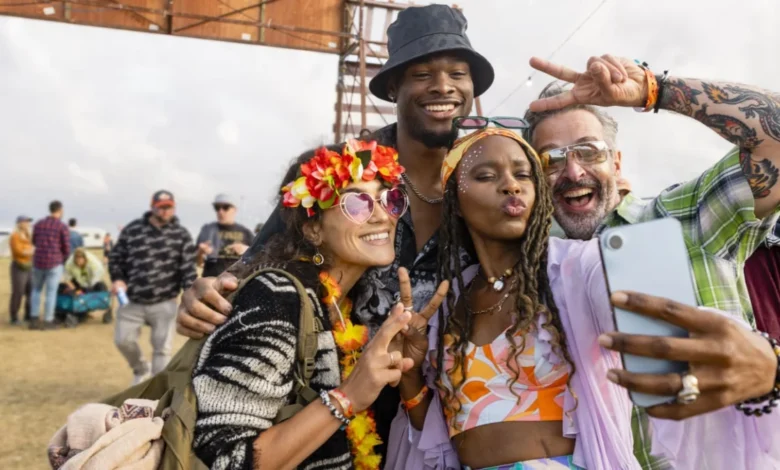
The term "millennial optimism" has seen a meteoric rise in search volume, with Google reporting a 5,000 percent increase in the phrase following the midterm results. However, this trend did not emerge in a vacuum. Throughout 2026, TikTok and Instagram have played host to a growing movement of users posting aesthetic tributes to the late 2000s and early 2010s. These videos often feature hallmark elements of the era: Apple Photo Booth filters, statement jewelry, flower crowns, and the acoustic-driven indie pop of bands like The Lumineers or the song "Blood" by The Middle East.
This nostalgia is not merely about fashion or music; it is a yearning for an era when the digital landscape felt smaller, more personal, and less dominated by the algorithmic feedback loops that define today’s social media. Younger users, particularly those who were children during the 2008–2016 period, are retroactively projecting their hopes onto an era that promised a future of progress and technological connectivity.
Election Night: A Catalyst for Sentiment
The political climate of November 2026 provided the perfect backdrop for this dormant sentiment to re-emerge. As the "blue tsunami" became apparent, tracking data indicated that social media discourse shifted from typical partisan bickering to a shared, almost surreal sense of hope.

In Austin, Texas, viral footage of post-election celebrations featured club-goers singing along to Fun.’s 2011 hit "We Are Young." This specific track has become an unofficial anthem for the current moment, symbolizing the perceived "promised future" that many felt had been deferred or denied. The juxtaposition of modern political victory with the soundtrack of a decade ago created a powerful psychological bridge, allowing voters to reconcile the current political win with the optimistic archetypes of their youth.
Chronology of the Shift
- Early 2026: The seeds of the trend are planted on TikTok, as creators begin sharing "nostalgia dumps" featuring the aesthetic markers of the early Obama years.
- Summer 2026: Cultural critics note a growing fatigue with "doom-scrolling" and an increasing desire for "low-stakes" internet content, further fueling the interest in 2010s-era media.
- October 2026: Pre-election polling shows tighter-than-expected races, leading to a spike in youth-led voter mobilization efforts that emphasize collective power.
- November 3, 2026: As polls close and results from key districts in Texas and Kansas confirm a significant Democratic shift, the "millennial optimism" hashtag surges across X (formerly Twitter) and Bluesky.
- November 4, 2026: Cultural commentators and mainstream media outlets begin analyzing the trend as a defining feature of the post-election landscape.
Analyzing the "Hamilton" Factor and Institutional Reactions
A defining feature of the current discourse is the irony-drenched re-adoption of cultural touchstones from the Obama era. The 2015 Broadway musical Hamilton, which became a symbol of center-left liberal optimism during its peak, has been frequently referenced. While some users joke about the "dystopian" nature of returning to such earnest cultural products, the sheer volume of mentions suggests a genuine emotional connection to the idealism the show represented.
Even institutional brands have recognized the shift. BuzzFeed, a company whose identity was forged in the same cultural era that users are currently romanticizing, leaned into the trend by playfully offering to revert to its early-2010s color schemes. This interaction, while performative, highlights the commercial and cultural power of this specific brand of nostalgia.
The Reality of the Past vs. The Promise of the Future
It is important to acknowledge that the era being romanticized was, in reality, a period of significant hardship. Millennials who came of age during the 2008 financial crisis faced high levels of student debt, a stagnant job market, and the onset of the Great Recession. By revisiting this time, the current generation is arguably engaging in a selective memory process—focusing on the sense of community and the belief that the political system could be nudged toward progress, while perhaps glossing over the systemic struggles of the time.
Sociologists note that this phenomenon is a common coping mechanism during periods of political volatility. When the present feels overwhelming, turning to a "simpler" past—even one that was objectively difficult—provides a psychological safety net.

Broader Implications and Future Outlook
The political implications of this sentiment are significant. The 2026 midterm results suggest that the "blue tsunami" was not merely a reaction against the opposition, but a proactive expression of a demographic that feels re-engaged with the democratic process.
Whether this "millennial optimism" can be sustained remains to be seen. Historically, such waves of enthusiasm are often tempered by the realities of governing and the inevitable friction of political compromise. However, the data suggests that for a large segment of the population, the current mood is less about a specific policy agenda and more about the restoration of a feeling: the belief that individual participation matters and that the future is not a predetermined decline, but a space that can still be shaped by collective action.
Political analysts are now monitoring whether this surge in sentiment will translate into sustained voter turnout for the 2028 election cycle. If the energy of the 2026 midterms can be captured and directed into long-term organizational work, the "millennial optimism" trend may prove to be more than just a fleeting viral moment—it could signify a permanent shift in how a generation views its role in American democracy.
For now, the internet remains in a reflective, albeit energized, state. As users continue to curate playlists and share memes that harken back to a more hopeful time, the prevailing mood is one of guarded relief. The question for the coming months will be whether this regained sense of possibility can withstand the pressures of the legislative reality, or if it will remain a cherished, digital-only sanctuary from the complexities of the modern world.
Related posts: