TikTok Expands Global Brand Safety Suite with Dedicated Hub and Advanced AI Guardrails at APAC Responsible Media Forum

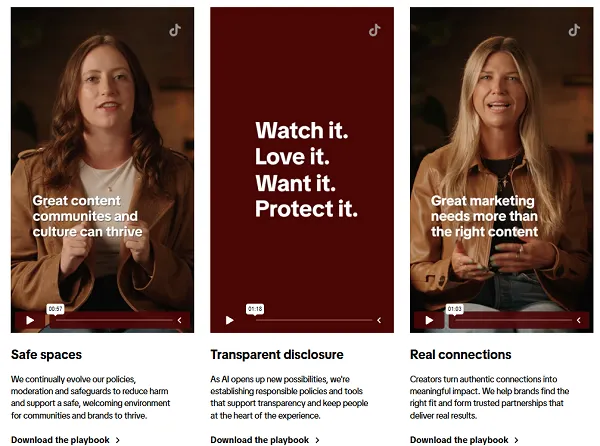
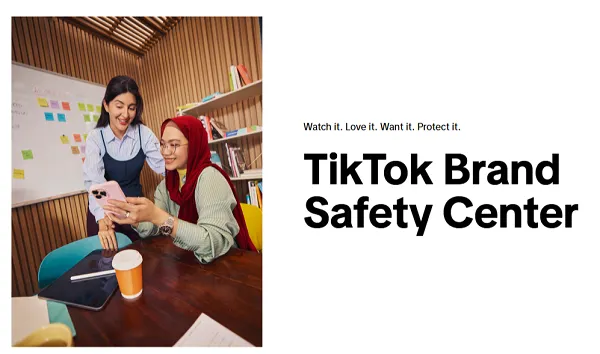
TikTok has officially unveiled a comprehensive suite of enhanced brand safety resources and advanced protection tools, headlined by the launch of a dedicated Brand Safety Center website. Announced at the annual APAC Responsible Media Forum held in Singapore, the sweeping update represents a major institutional push by the short-form video giant to bolster advertiser confidence, streamline risk management, and establish clearer guardrails for commercial content in an increasingly complex digital media ecosystem.
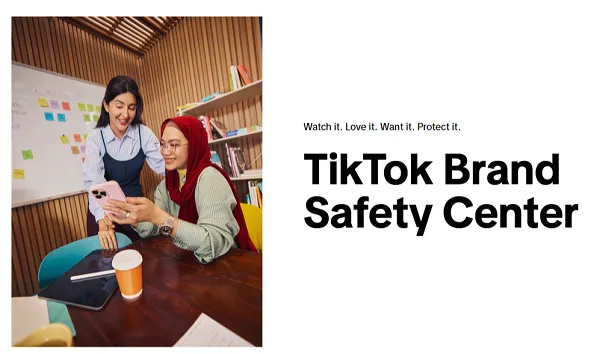
The newly deployed Brand Safety Center serves as a centralized digital repository, engineered to give marketing professionals, media buyers, and brand strategists frictionless access to the platform’s extensive library of advice, technical guidance, and operational tools. Designed to demystify TikTok’s content moderation architecture, the hub features an array of educational video modules starring internal platform experts. These specialists break down critical considerations for marketers navigating fast-paced digital campaigns, offering actionable insights on audience engagement, cultural relevance, and risk mitigation.
Alongside the expert-led video series, the hub links directly to essential reference literature, most notably the newly published Brand Protection Playbook and the comprehensive AI Safety Essentials overview. These documents arrive at a critical juncture for digital advertising, providing structured frameworks to help brands safeguard their equity while leveraging TikTok’s massive, highly engaged global audience.
Strategic Risk Management and Counterfeit Protections
Beyond educational resources, TikTok’s latest rollout introduces sophisticated brand protection tools designed to proactively identify and neutralize potential areas of commercial risk. Chief among these innovations is a novel brand perception insights tool, seamlessly integrated within TikTok’s centralized business center. This analytical feature allows corporate partners to monitor public sentiment, evaluate consumer perception trends, and gauge how their brand messaging resonates across diverse audience segments.
Concurrently, the platform has rolled out fortified copyright and trademark infringement reporting options alongside advanced counterfeit protections tailored specifically for commercial sellers. These mechanisms give verified merchants robust legal and technical pathways to combat intellectual property theft, unauthorized product replication, and fraudulent listings. By tightening the ecosystem against bad actors, TikTok aims to cultivate a more secure, trustworthy marketplace that protects both established global enterprises and emerging direct-to-consumer brands.
The APAC Responsible Media Forum: A Regional Showcase
The debut of these safety resources took center stage in Singapore last week during the APAC Responsible Media Forum, an elite gathering of industry leaders, policymakers, and marketing executives. The choice of Singapore as the launchpad underscores the strategic importance of the Asia-Pacific region to TikTok’s commercial expansion and its ongoing commitments to regulatory compliance and media integrity.
During the multi-day event, regional leadership detailed the company’s extensive investments in trust and safety infrastructure across APAC. Executives highlighted milestones in content moderation efficiency, proactive detection rates for policy-violating material, and collaborative initiatives with regional advertising bodies. These disclosures were designed to reassure brands operating in diverse regulatory environments that TikTok provides a predictable, secure space for capital investment.
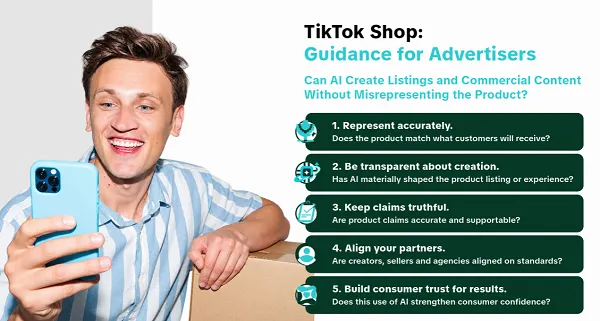
Furthermore, the forum served as the debut venue for TikTok’s responsible artificial intelligence framework. As generative AI transforms content creation, marketing automation, and audience targeting, the platform laid out definitive operational rules for brand-managed AI applications. This framework addresses core industry anxieties surrounding synthetic media, deepfakes, copyright attribution, and algorithmic transparency, establishing a baseline code of conduct for commercial entities experimenting with artificial intelligence on the application.
Contextualizing the Digital Brand Safety Evolution
To understand the weight of TikTok’s latest announcement, it is necessary to examine the broader historical trajectory of brand safety within the digital advertising industry. For over a decade, social media platforms have faced intense scrutiny from Fortune 500 brands, advertising agencies, and regulatory bodies regarding the adjacency of premium commercial advertisements to objectionable, polarizing, or misinformation-laden content.
In the early years of programmatic advertising, platforms prioritized user-generated content volume and rapid scaling, occasionally leaving brands vulnerable to reputational damage when their promotional assets appeared alongside harmful material. The "adpocalypse" events of the late 2010s across legacy platforms served as a profound wake-up call for the entire digital media sector, proving that long-term revenue sustainability relies entirely on trust, verifiable metrics, and granular brand control.
For TikTok, which experienced an unprecedented hyper-growth phase during and immediately following the COVID-19 pandemic, establishing mature enterprise-grade safety protocols became an existential necessity. As the platform transitioned from a youth-centric entertainment app into an indispensable marketing funnel for global brands, spending billions of advertising dollars, the demand for third-party verification, sophisticated keyword exclusions, and transparent inventory controls intensified.
Over the past three years, TikTok has methodically built out its trust and safety infrastructure. This evolutionary timeline includes the introduction of third-party verification partnerships with industry heavyweights such as IAS (Integral Ad Science) and DoubleVerify, the rollout of inventory filter categories, and the establishment of transparency centers globally. The launch of the Brand Safety Center website and the Brand Protection Playbook represents the logical culmination of this developmental timeline, shifting the platform’s posture from reactive moderation to proactive, marketer-empowered education.
Decoding the Core Components of the New Hub
A granular examination of the assets housed within the new Brand Safety Center reveals a strategic focus on operational clarity. The educational modules feature internal compliance officers, data scientists, and brand partnership leads discussing the mechanics of TikTok’s recommendation algorithms. By demystifying how the “For You” feed surfaces content, TikTok seeks to alleviate persistent industry anxieties regarding algorithmic unpredictability.
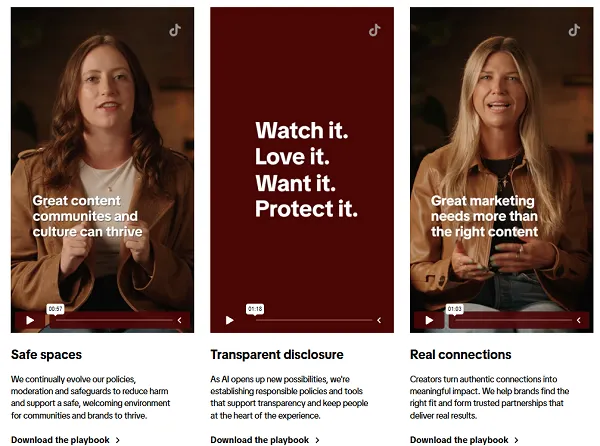
The Brand Protection Playbook functions as a tactical manual for media planners. It outlines step-by-step methodologies for setting up campaign exclusions, utilizing content sensitivity filters, and establishing crisis management protocols should unexpected cultural events impact brand campaigns. Meanwhile, the AI Safety Essentials overview directly targets the modern marketer’s dilemma: how to harness the creative efficiencies of generative AI without crossing ethical or legal boundaries.
Industry Reactions and Market Implications
While official statements from independent agency holding groups are still being synthesized, early reactions from digital marketing analysts and brand safety consultants have been cautiously optimistic. Industry observers note that while technological tools and policy playbooks are essential, the ultimate proof of their efficacy will rest on execution, enforcement speed, and third-party auditability.
"Platforms cannot merely publish guidelines and expect the market to take them at face value," notes Sarah Jenkins, a senior digital media analyst based in London. "What TikTok has done with this centralized hub is lower the barrier to entry for brand safety compliance. By giving marketers direct insight into sentiment tools and AI governance frameworks, they are co-opting brands into the safety process. It shifts the dynamic from a policing model to a partnership model."
Furthermore, the introduction of the brand perception insights tool addresses a long-standing blind spot in social media marketing. Historically, brands could track impressions, click-through rates, and conversions, but quantifying qualitative shifts in brand health resulting from short-form video engagement remained an imprecise science. By embedding perception analytics directly into the business center, TikTok is offering brands proprietary intelligence that bridges the gap between performance marketing and upper-funnel brand equity.
The Broader Economic Impact on the APAC Region
The staging of the APAC Responsible Media Forum in Singapore highlights the commercial gravity of the Asia-Pacific market. APAC represents one of the fastest-growing digital advertising economies in the world, characterized by mobile-first populations, soaring e-commerce adoption, and diverse regulatory landscapes spanning Southeast Asia, North Asia, and Oceania.
For businesses operating in these dynamic markets, the newly announced copyright, trademark, and counterfeit protections are particularly transformative. Intellectual property theft and counterfeit distribution have historically plagued emerging e-commerce ecosystems, eroding consumer trust and damaging legitimate enterprise brands. By deploying advanced seller protections and streamlined infringement reporting, TikTok is actively positioning its platform as a secure digital bazaar where brands can scale retail media operations without fear of brand dilution or revenue loss to bad actors.
Looking Ahead: The Future of Responsible Marketing on TikTok
As digital marketing enters a new epoch defined by synthetic media, hyper-personalization, and shifting global privacy regulations, the boundaries between entertainment, commerce, and advertising will continue to blur. TikTok’s multi-pronged safety update signals an institutional maturity that acknowledges these complexities.
By anchoring its commercial strategy in transparency, education, and advanced technological safeguards, TikTok is attempting to set a new benchmark for platform accountability. For marketing executives navigating the high-stakes environment of modern digital advertising, these expanded resources provide a clearer map for success, ensuring that brand creativity can flourish safely within one of the world’s most influential digital communities.