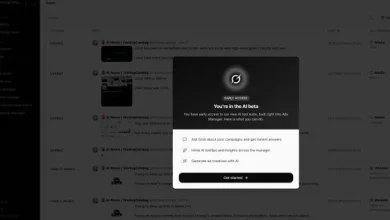
You are scrolling through your personalized TikTok feed, immersed in a stream of content, when a sophisticated, official-looking notification suddenly overlays your screen. It bears the familiar branding of the platform, promising an exclusive opportunity: "Congratulations! You have been selected for our Screentime To Cash program." For millions of users, this appears to be a legitimate initiative by the social media giant to reward them for their engagement. However, this pop-up is not an official feature; it is a calculated deception, part of a growing ecosystem of predatory "Get-Paid-To" (GPT) advertising schemes that exploit user trust and platform branding to harvest data and drive traffic to third-party services.
The reality, as confirmed by TikTok in an official statement to media outlets, is that no such program exists. The company does not offer financial compensation to users for the act of viewing content, scrolling through the app, or increasing their screen time. While TikTok maintains a robust monetization infrastructure—designed specifically for creators who meet rigorous eligibility requirements regarding follower count, video performance, and community guideline adherence—there is no path for the average consumer to earn money simply by being a passive viewer.
A Chronology of the Deceptive Practice
The emergence of the "Screentime to Cash" ads represents a sophisticated evolution in digital advertising fraud. Over the past several months, users began reporting these suspicious prompts across various social media platforms, most notably on Reddit, where concerned individuals sought verification regarding the legitimacy of the offer.
The timeline of these reports correlates with a broader rise in affiliate marketing schemes that leverage artificial scarcity and the promise of "easy money." These ads typically appear as interstitial pop-ups within the TikTok feed, mimicking the design language, fonts, and color schemes of legitimate TikTok system notifications. By hijacking the visual identity of the host platform, these bad actors bypass the initial skepticism that might otherwise prevent a user from clicking an unauthorized link.
Once a user interacts with the notification, they are redirected away from the TikTok environment to third-party websites or application storefronts. These landing pages frequently promote apps like "Playful Rewards" or "QuickRewardz." The progression is designed to create a sense of urgency, often claiming that the "invite" is exclusive and time-sensitive, encouraging users to download apps or sign up for services immediately to avoid missing out on their supposed earnings.
The Mechanism of Get-Paid-To (GPT) Apps
To understand why these ads are proliferating, one must examine the business model behind the apps they promote. Get-Paid-To platforms function as intermediaries in the vast, often opaque world of digital affiliate marketing. The core promise is simple: perform a series of digital tasks—such as downloading games, completing surveys, or watching promotional videos—and receive a payout.
In practice, these apps act as gateways. When a user downloads a game through a GPT app, the app developer receives a commission from the game publisher for driving a new user acquisition. A fraction of that commission is theoretically passed on to the end user as a "reward." However, the ecosystem is fraught with inefficiencies and malicious intent. Many of these apps are not designed to be profitable for the user, but rather to extract as much data as possible from the device.
Data points harvested during the sign-up process often include email addresses, phone numbers, and sometimes even more granular device information. This data is frequently sold to third-party brokers, who use it to build profiles for targeted advertising or, in more severe cases, to populate spam and phishing lists. The "Screentime to Cash" ads are, in essence, a top-of-funnel acquisition strategy for these data-gathering machines.
Official Responses and Platform Governance
TikTok’s response to the investigation has been categorical. A spokesperson for the company confirmed that they have actively identified and purged the accounts responsible for distributing these misleading advertisements. The removal process is part of a wider effort to combat "deceptive practices" that violate the platform’s terms of service.
"TikTok prohibits fraudulent activity in both advertising and user-generated content, and we continuously remove such content and accounts as they’re detected or reported," the company stated. Despite these efforts, the platform faces a significant "whack-a-mole" challenge. As quickly as a deceptive account is banned, new entities emerge with different creative assets and redirected URLs, often operating through shell companies or anonymous advertising networks that make it difficult for platform moderation teams to proactively block them.

The third-party apps themselves often distance themselves from the specific advertisements. When contacted, representatives for platforms like Playful Rewards have claimed that their services are legitimate and that any misleading ads are being run by third-party affiliates without their direct authorization. This creates a layer of plausible deniability that protects the primary developers from direct legal repercussions, while the affiliates continue to operate in the shadows.
The Economic Reality: Why the Promises Fail
Beyond the security risks, there is the fundamental question of financial viability for the user. A brief analysis of user feedback on platforms such as Trustpilot reveals a consistent pattern of frustration. Users who attempt to use these apps to earn money report a recurring theme: the "payment threshold."
Many GPT apps set a high minimum balance requirement before a user can request a payout—for example, $50 or $100. As a user approaches this threshold, they often report that their account is suddenly and mysteriously suspended. The common justification provided by these services is an alleged violation of terms, such as "progressing too fast in a game" or "invalid user activity." By locking the account, the service provider effectively keeps the affiliate commission earned from the user’s labor without ever having to pay out the promised reward.
This model is not an accidental failure; it is a feature of the system. By promising high returns for minimal effort, these apps attract a massive user base, generate significant revenue through data sales and affiliate links, and minimize payouts by utilizing arbitrary account blocks.
Broader Implications for Digital Literacy
The "Screentime to Cash" phenomenon is a microcosm of a larger problem within the digital economy. According to a 2024 report by Forrester Research, the "bad ad" ecosystem has become a multi-billion-dollar industry, where sophisticated networks leverage AI and automation to bypass the moderation tools of major social media platforms.
The implications for the average user are twofold:
- Security Risks: Handing over personal information to an unverified app significantly increases the risk of identity theft, spam, and targeted phishing attacks.
- Erosion of Trust: As platforms like TikTok, Meta, and YouTube struggle to police their advertising environments, the overall trust that users place in online advertising continues to decline. When users cannot distinguish between an official platform notification and a predatory scam, the effectiveness of legitimate advertising is diminished, and the user experience is fundamentally degraded.
The Federal Trade Commission (FTC) and the Department of Justice have previously taken action against companies for misleading reward schemes, noting that deceptive marketing practices regarding data collection and financial compensation violate consumer protection laws. However, the global nature of these apps—often developed by entities in jurisdictions where enforcement is difficult—means that regulatory action remains a slow and complex process.
Final Guidance for Users
The golden rule for the digital age remains unchanged: if an offer sounds too good to be true, it is almost certainly a scam. Users should maintain a healthy level of skepticism toward any pop-up that promises money for routine digital activity.
When evaluating an app or a promotional offer, consider the following steps:
- Verify the Source: If an ad claims to be from a major platform like TikTok, check the platform’s official newsroom or help center. If the program is not listed there, it is not real.
- Check the Fine Print: Look for information on how the app handles user data. If the terms of service allow for the selling of data to third parties, the "reward" is not worth the loss of privacy.
- Research Independent Reviews: Search for the app name on third-party review sites. Look for patterns in complaints, particularly regarding account closures and payment delays.
- Limit Permissions: Be wary of apps that request unnecessary permissions, such as access to your contacts, camera, or precise location, especially if those permissions are not relevant to the app’s purported function.
As digital platforms continue to integrate more sophisticated advertising tools, the responsibility to verify authenticity falls increasingly on the user. By understanding the mechanisms of these scams—the false promises, the data-harvesting intent, and the deliberate evasion of payouts—users can protect themselves from falling prey to the next iteration of the "Screentime to Cash" deception. In an era where attention is the most valuable currency, these scams serve as a stark reminder that if you are not paying for the product, and you are not being paid by the platform, you are, in every sense of the word, the product.
Related posts: