Motorola Prepares for a Surprise Revival of the Moto One Smartphone Series with Flagship-Tier Leaks and Qi2 Charging

Motorola is quietly preparing to resurrect one of its most recognizable mid-range smartphone branding initiatives from the past half-decade. While public and industry attention has largely focused on the company’s ambitious upcoming flagship ventures—such as the heavily discussed Motorola Signature 27 and its anticipated support for GrapheneOS—regulatory filings have revealed that the manufacturer is also working on a completely unexpected product line revival. According to recent documentation discovered within industry databases, the dormant Moto One lineup could soon return to the global market, bringing with it a blend of contemporary aesthetics, high-end processing power, and modernized wireless charging capabilities.
The reemergence of the Moto One nomenclature marks a potential strategic shift for the Lenovo-owned brand. Originally launched in 2018, the Moto One portfolio was initially conceived as Motorola’s primary vehicle for Google’s Android One initiative. At the time, Android One served as Google’s flagship software strategy aimed at delivering a streamlined, near-stock user interface, rapid security patches, and guaranteed multi-year operating system upgrades to budget-conscious and mid-tier consumers. Devices such as the original Moto One, Moto One Vision, and Moto One Action carved out a dedicated niche for users seeking a clean software ecosystem without paying flagship prices. However, as Google gradually phased out the Android One program in favor of customized manufacturer skins and specialized ecosystem integrations, Motorola quietly retired the Moto One brand after a handful of generations, pivoting instead toward the fragmented expansion of its Moto G and Motorola Edge families.
Regulatory Footprints and Design Speculations
The latest evidence pointing toward a revival surfaced via the Wireless Power Consortium (WPC) database, where an unannounced Motorola handset was recently cataloged. Spotted initially by industry analysts at Notebookcheck, the WPC certification filing not only confirms the existence of the hardware but also provides the first official product imagery of the device.
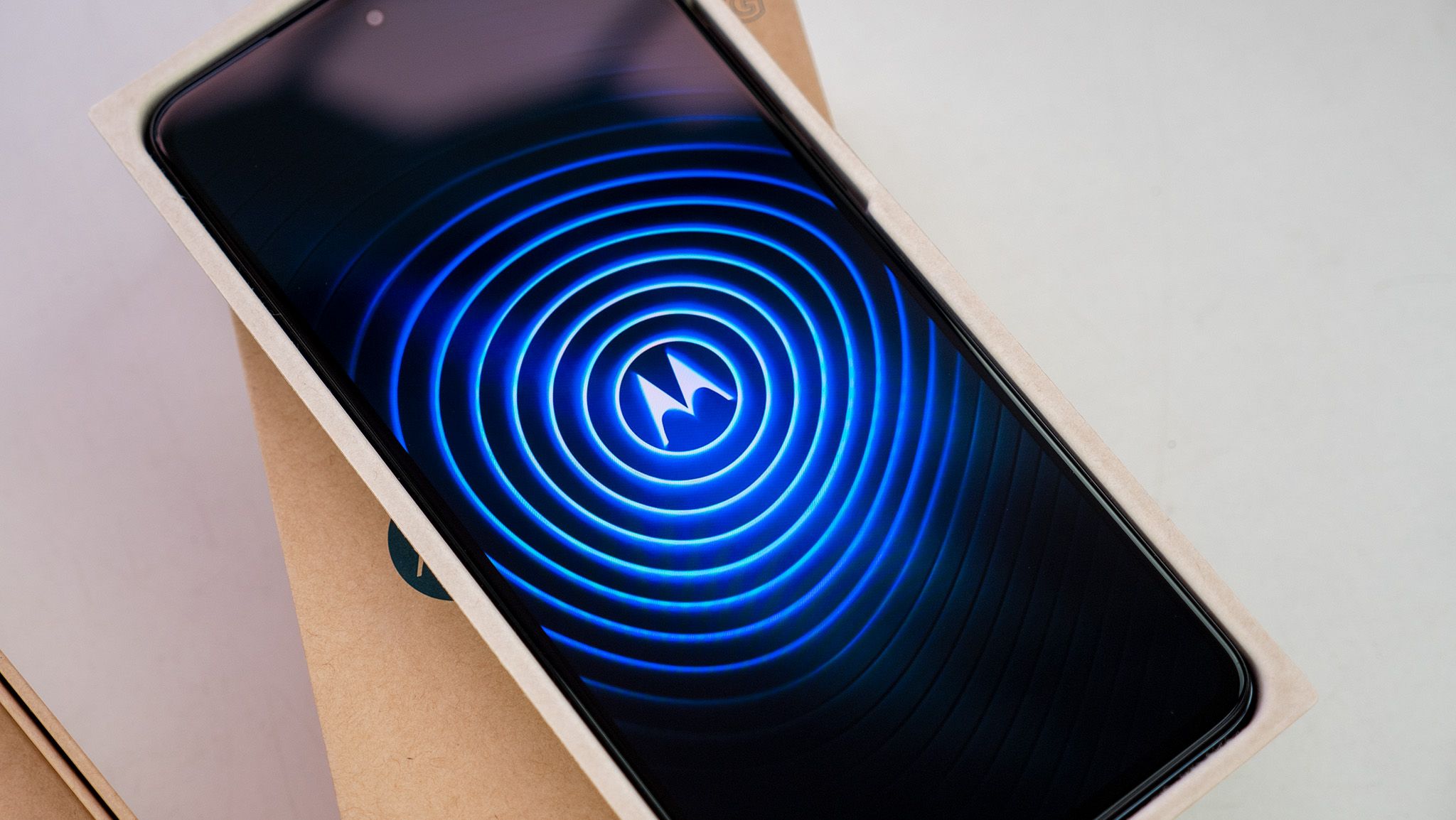
Visual inspection of the leaked database graphic reveals a design philosophy heavily inspired by Motorola’s more recent upper-mid-range and flagship hardware. The device pictured features a noticeably curved display panel cascading smoothly along both the left and right vertical edges, minimizing side bezels and reinforcing a premium, ergonomic hand-feel. On the rear, the handset houses a familiar camera module configuration situated cleanly in the upper-left corner, echoing the visual language established by the Motorola Edge series throughout recent product cycles. This design continuity suggests that if the Moto One branding is indeed returning, it may no longer occupy the strict budget tier of its 2018 predecessors, but could instead bridge the gap between premium design and upper-mid-range performance.
Qi2 Charging Without Magnetic Snap
A particularly notable technical detail unearthed from the WPC certification document centers on the device’s wireless power capabilities. The newly leaked Moto One is slated to support the burgeoning Qi2 wireless charging standard, a major technological upgrade for Motorola’s mid-tier hardware ecosystem. However, industry watchers have pointed out a crucial nuance regarding its implementation: the smartphone will utilize the Extended Power Profile (EPP) rather than the Magnetic Power Profile (MPP).
This distinction carries significant implications for everyday usability and accessory compatibility. Unlike Apple’s MagSafe ecosystem or Qi2-compliant devices that feature integrated magnetic arrays for snap-on wireless power banks, car mounts, and wallets, the upcoming Moto One will support the enhanced energy efficiency and spatial alignment protocols of Qi2 without native magnetic attachment. Consequently, the device mirrors the architectural approach taken by several recent flagship releases from competitors like Samsung, which offer advanced wireless power standards while requiring specialized third-party magnetic cases for users seeking magnetic accessory integration.
Performance Hardware and Internal Specifications
Beyond its wireless charging capabilities, prior hardware leaks indicate that the reviving Moto One series will not skimp on raw computational performance. Industry whispers suggest the device is poised to run on Qualcomm’s Snapdragon 8 Gen 5 processor. Utilizing a high-end, previous-generation flagship silicon architecture allows manufacturers to deliver exceptional processing speeds, advanced artificial intelligence execution capabilities, and robust graphical performance without inflating retail costs to the level of bleeding-edge, current-year flagships.

Furthermore, internal configuration leaks point to the inclusion of up to 12GB of RAM, positioning the handset as a capable multi-tasker designed to handle heavy day-to-day productivity workflows, demanding mobile gaming sessions, and complex on-device machine learning tasks. This hardware configuration reinforces the notion that Motorola is positioning the revived moniker not as a low-cost entry-level alternative, but as a performance-driven contender capable of competing in the fiercely contested upper-mid-range market segment.
Market Implications and Future Outlook
As of the time of reporting, Motorola has maintained an official silence regarding the leak, offering neither confirmation of the Moto One series’ revival nor an official launch window, pricing structure, or targeted regional availability. Historically, the company tends to let regulatory databases and certification bodies hint at its product roadmap months in advance of a formal press unveiling.
The appearance of the hardware within the WPC database strongly indicates that the device has cleared critical regulatory hurdles and is moving closer to commercial readiness. Should Motorola officially pull back the curtain on the revived Moto One, the strategic implications could be far-reaching. By leveraging a legacy brand name associated with clean software and reliable updates—coupled with modern hardware architecture like the Snapdragon 8 Gen 5 and Qi2 wireless capabilities—Motorola could effectively capture consumers who demand flagship-level performance and contemporary aesthetics without crossing into the thousand-dollar smartphone pricing bracket. As further certification documents emerge in the coming weeks, tech industry analysts will be monitoring closely to see how Motorola integrates this unexpected revival into its broader global product ecosystem.