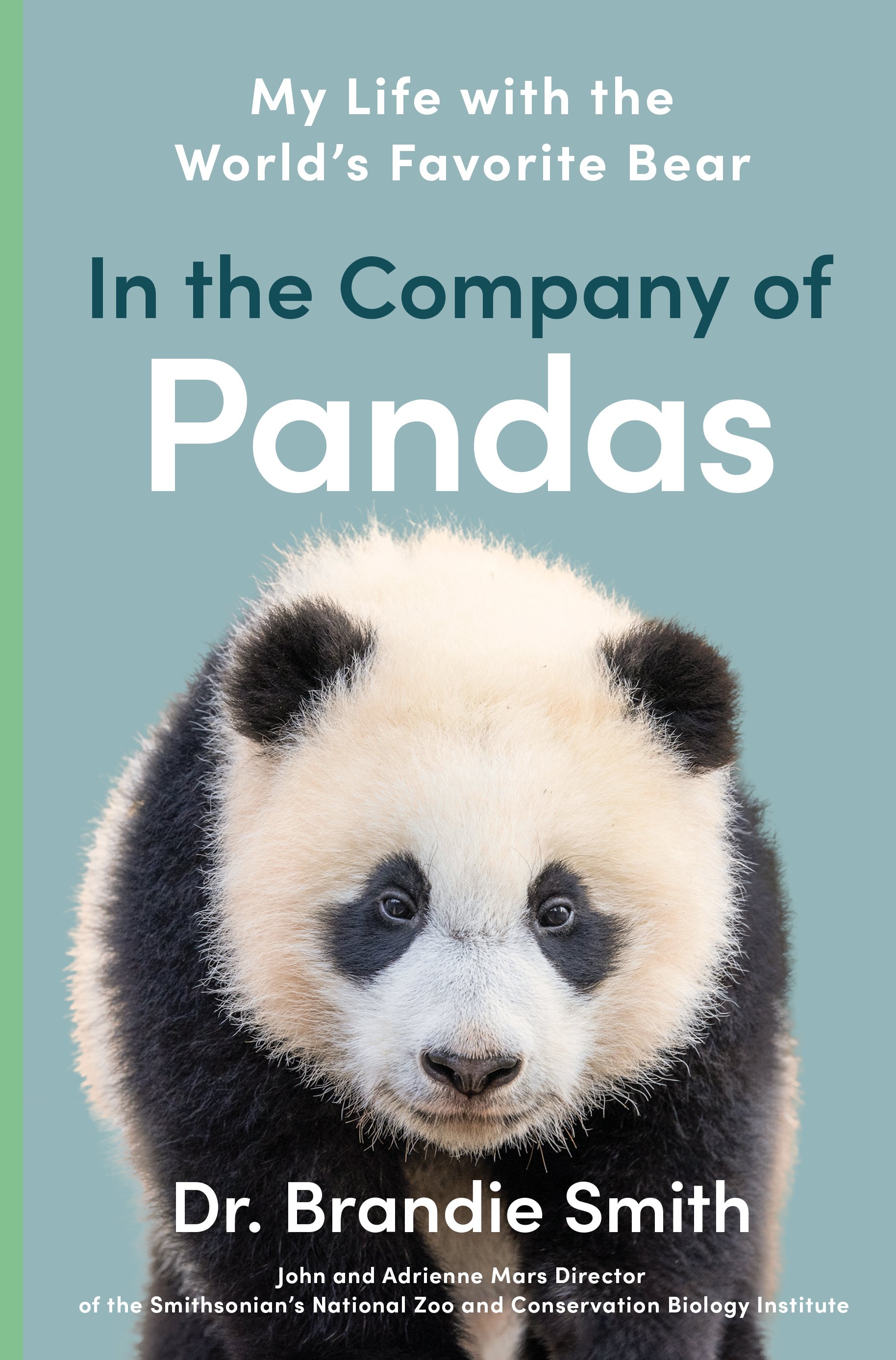
In the Company of Pandas My Life with the Worlds Favorite Bear explores the complex reality of giant panda conservation

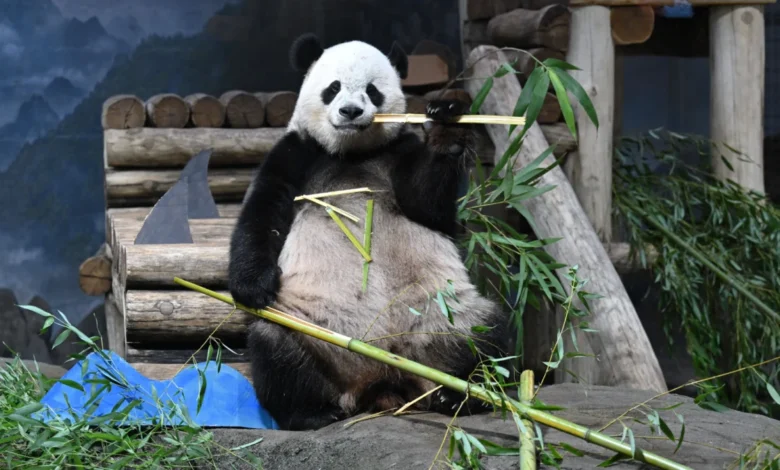
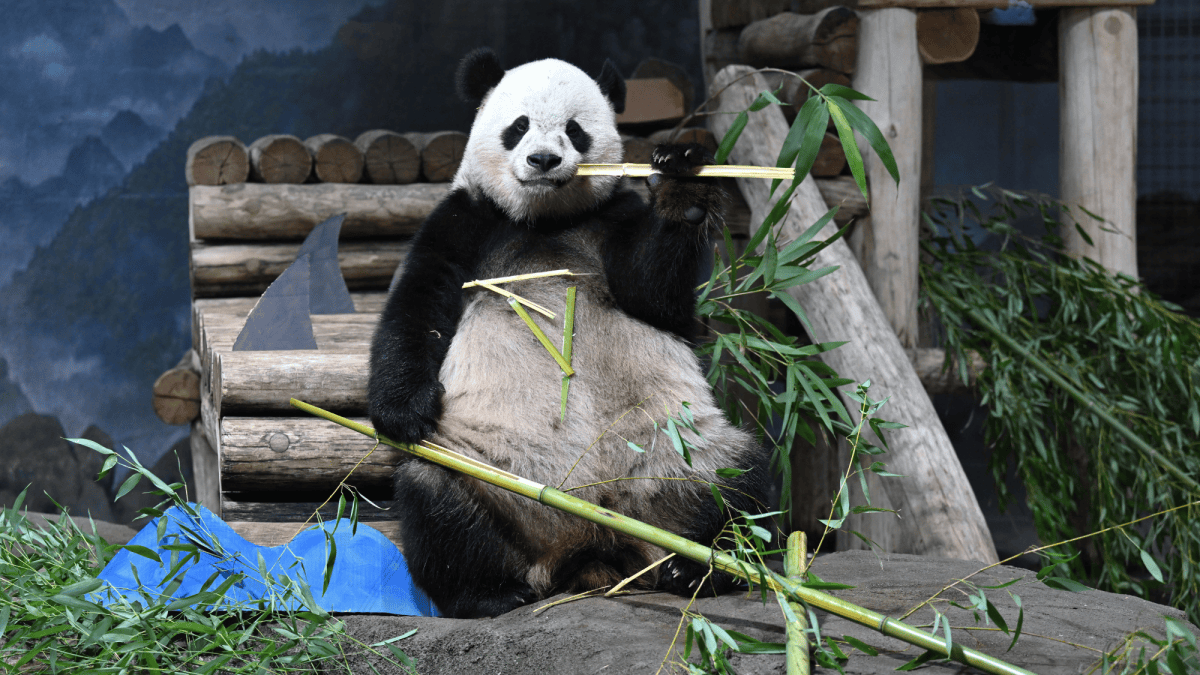
The conservation of the giant panda (Ailuropoda melanoleuca) stands as one of the most high-stakes, resource-intensive, and globally scrutinized endeavors in modern zoological history. For decades, the species has served as the flagship for international conservation efforts, yet the biological and behavioral challenges associated with their reproduction have frequently turned zoos into centers of intense scientific pressure. In her new book, In the Company of Pandas: My Life with the World’s Favorite Bear, Dr. Brandie Smith, the John and Adrienne Mars Director of the Smithsonian’s National Zoo and Conservation Biology Institute, provides a candid look at the rigorous, often anxiety-inducing process of managing these elusive animals.
The Mandate of Reproduction
When Dr. Smith assumed the role of curator at the National Zoo, the objective was articulated with stark simplicity: the primary responsibility was to ensure the successful breeding of the zoo’s giant pandas. This directive, while straightforward in theory, required a mastery of population genetics and reproductive biology that few practitioners possess. The pressure is compounded by the fact that giant pandas are solitary creatures with a narrow window of fertility—females are typically receptive to mating for only 24 to 72 hours once a year.
Upon her arrival at the Smithsonian, the zoo was navigating the period following the birth of Tai Shan, the first cub born to Mei Xiang and Tian Tian. Because the typical interval between successful births is approximately two years, the zoo’s leadership team—comprising keepers, veterinarians, reproductive scientists, and directors—engaged in a continuous cycle of observation and strategy. This team operated under a "group-project" ethos, adjusting every environmental and physiological variable to optimize the likelihood of conception.
Historical Context: The Nixon-Era Origins
The fascination with panda reproduction is not a recent phenomenon. It dates back to 1972, when President Richard Nixon announced that the People’s Republic of China would gift a pair of pandas, Ling-Ling and Hsing-Hsing, to the United States. Nixon’s public remarks regarding the animals—specifically his comment that they "don’t know how to mate"—established a narrative of reproductive incompetence that has persisted in the public consciousness for over half a century.
In response to this perceived "sex problem," the Smithsonian National Zoo took the unprecedented step of hiring Dr. Devra Kleiman, a renowned reproductive zoologist. Her appointment marked a shift from observational zoology to a proactive, science-driven approach to endangered species management. Historical correspondence between then-director Ted Reed and Smithsonian Secretary S. Dillon Ripley reveals the extent of the institutional obsession with this challenge. Reed’s letters, which oscillate between professional updates and self-deprecating humor regarding the "great panda sex orgy" that failed to occur in 1979, illustrate the intense, almost existential weight placed upon zoo staff to facilitate the success of these animals.
The Myth of the "Clueless" Bear
One of the central arguments presented in Dr. Smith’s work is that the perception of giant pandas as being incapable of reproduction is an urban legend unsupported by evolutionary history. As a species, Ailuropoda melanoleuca has thrived for millions of years. Their survival into the 21st century is empirical proof of their reproductive efficacy in the wild.
The confusion, according to conservationists, arises from a mismatch between natural behavioral cues and the constraints of captivity. In the wild, male pandas compete for access to females, and the presence of multiple males can trigger the physiological responses necessary for mating. In a zoo environment, where a pair is often kept in isolation to ensure safety, those competitive, pheromone-driven triggers are absent. Consequently, the animals may appear "clueless" to observers, when in fact they are simply lacking the environmental context to which their biology is adapted.
Data-Driven Conservation and Public Perception
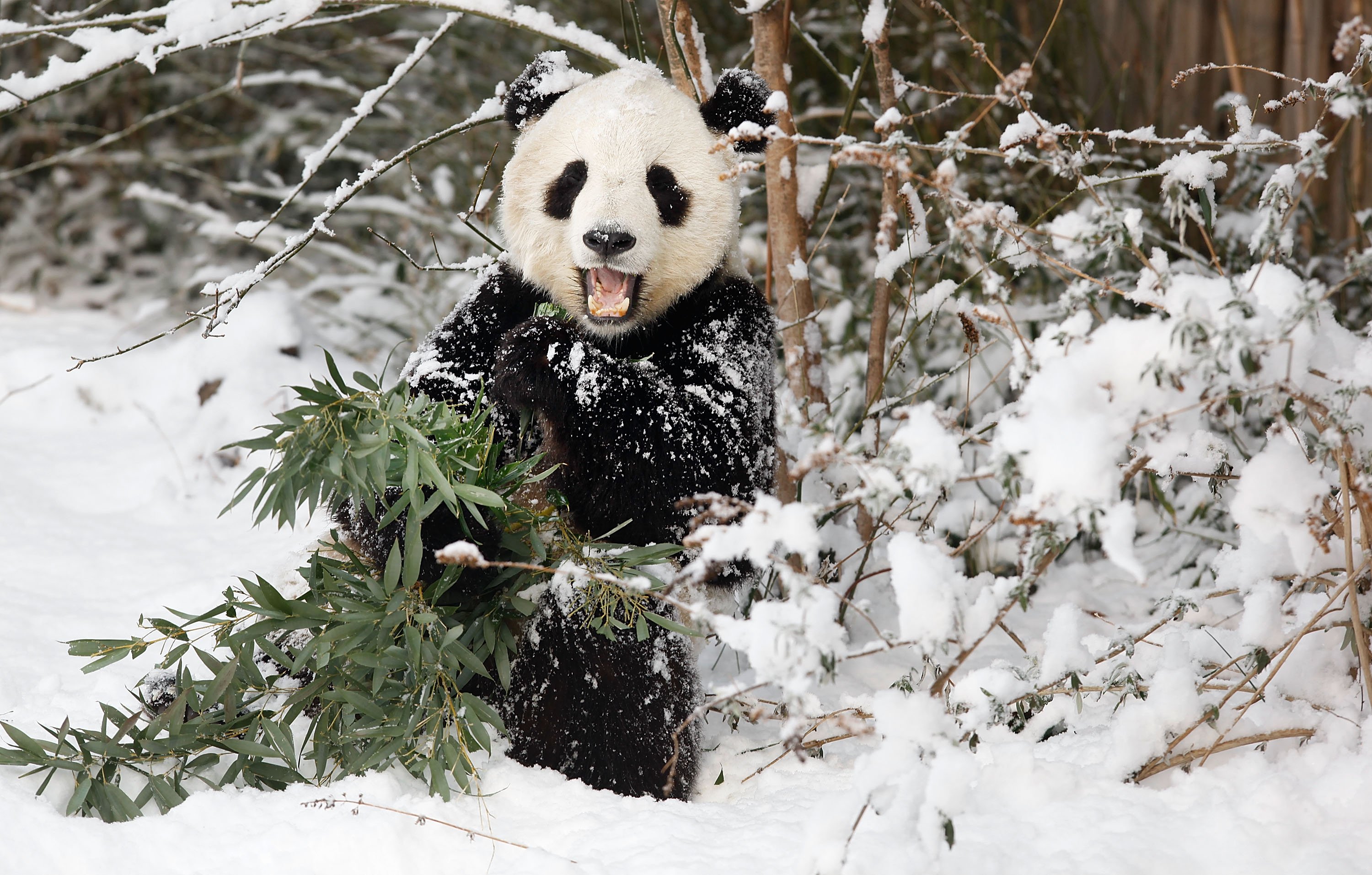
The public’s fixation on the intimate lives of pandas is a unique phenomenon in zoological study. While visitors often display modesty or indifference toward the mating behaviors of other species—such as elephants or orangutans—the giant panda occupies a distinct space in the public imagination. They are perceived as symbols of purity and diplomatic goodwill, yet their reproductive acts are viewed with a voyeuristic intensity that is rarely directed at other endangered animals.
This intense scrutiny creates a significant challenge for zoo professionals. Every breeding attempt is monitored, documented, and often live-streamed, turning a private biological event into a global spectator sport. Despite this, the data collected from these efforts is invaluable. Insights gained from the Smithsonian’s breeding programs have informed conservation strategies in China, contributing to the species’ recent status update by the International Union for Conservation of Nature (IUCN) from "Endangered" to "Vulnerable."
Implications for Future Conservation
The management of giant pandas serves as a blueprint for the conservation of other highly specialized species. It highlights the necessity of interdisciplinary collaboration, where geneticists, behavioral biologists, and facility managers must work in lockstep to mimic the conditions of the natural habitat.
The professional implications of this work are profound. As zoos transition from mere exhibition centers to hubs of biological preservation, the "panda model" of management—characterized by intensive, data-backed interventions—is becoming the standard. However, the reliance on such interventions also underscores the precariousness of the species. As long as giant pandas face habitat fragmentation in their native range, the reliance on human-assisted breeding remains a necessary, albeit complex, safety net.
A Legacy of Institutional Expertise
Dr. Brandie Smith’s career trajectory, from an intern at the Pittsburgh Zoo to the director of the Smithsonian’s National Zoo, reflects the broader evolution of the field. Her perspective emphasizes that while the public may be drawn to the "cuteness" of the pandas, the actual work of conservation is rooted in resilience, scientific rigor, and the ability to adapt to the unpredictable nature of wild animals.
As we look toward the future of the species, the lessons learned from the "panda sex problem" of the 1970s and the technological advancements of the 2020s provide a roadmap. The focus remains on population viability, genetic diversity, and, ultimately, the long-term goal of ensuring that these bears can continue to exist independently. In the Company of Pandas serves as both a memoir and a technical testament to the dedication required to safeguard a species that, despite its perceived shortcomings, remains one of nature’s most enduring survivors.
The publication of this work arrives at a time when global interest in conservation is at an all-time high. For those interested in the realities behind the headlines, the book offers a necessary correction to the narrative of the "clueless" bear, replacing it with a more nuanced, scientifically grounded account of what it truly takes to protect the world’s most famous mammal. The journey of the giant panda is far from over, but through the efforts of institutions like the National Zoo, the path forward is clearer than it has ever been.
Related posts: