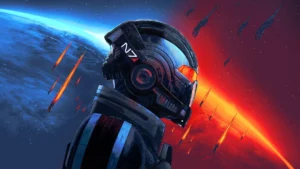
The Voice of Commander Shepard Speaks Out on the Uncertain Future of BioWare and the Mass Effect Franchise

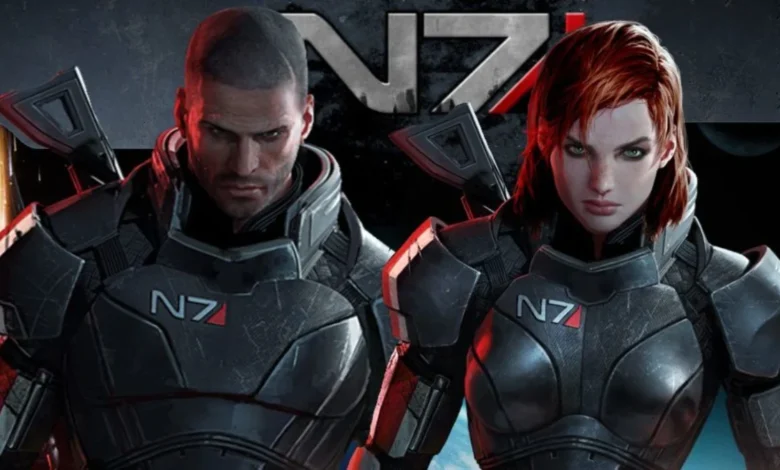
The landscape of the interactive entertainment industry is undergoing a period of profound turbulence, defined by widespread workforce reductions, studio closures, and the aggressive consolidation of intellectual property under massive corporate umbrellas. Recently, this volatility reached a symbolic nadir for many fans and industry professionals with the shifting status of BioWare, the legendary developer behind the Mass Effect and Dragon Age series. In a candid Instagram Live session held on October 21, Jennifer Hale and Mark Meer—the iconic voices of the female and male versions of Commander Shepard—offered their reflections on the studio’s legacy, the human cost of current industry trends, and the uncertain future of one of gaming’s most beloved science-fiction sagas.
A Legacy in Transition: The BioWare Chronology
Founded in 1995 in Edmonton, Alberta, BioWare established itself as a cornerstone of the Western Role-Playing Game (WRPG) genre. Through titles such as Baldur’s Gate, Star Wars: Knights of the Old Republic, and the Mass Effect trilogy, the studio redefined narrative depth and player agency. However, the studio’s history has been marked by significant shifts since its acquisition by Electronic Arts (EA) in 2007 for approximately $860 million.
The trajectory of the studio over the last decade has been characterized by high-profile internal restructuring. Following the mixed reception of Mass Effect: Andromeda (2017) and the commercial failure of Anthem (2019), the studio entered a phase of intense scrutiny. The departure of key veteran staff, including co-founders Ray Muzyka and Greg Zeschuk in 2012 and later luminaries like Casey Hudson and Aaryn Flynn, signaled a changing of the guard. By late 2023 and throughout 2024, the industry-wide trend of layoffs hit BioWare, resulting in the loss of long-term employees and casting a shadow over the development of future projects, including the highly anticipated next installment in the Mass Effect series.
The Human Cost: Perspectives from the Booth
During their recent discussion, Jennifer Hale and Mark Meer emphasized that the primary tragedy of current industry instability is the loss of talent. Hale, a prolific voice actor whose performance as Commander Shepard remains a benchmark for character-driven narratives, expressed a sense of mourning for the employees who have been displaced by recent restructuring.
"I feel for the employees who are suddenly unemployed. That is the number one thing on my mind," Hale stated during the broadcast. She highlighted the disconnect between the creative value of the IP and the profit-driven motivations of the entities that now control these assets. Hale suggested that the current wave of industry consolidation—often driven by private equity interests that prioritize short-term margins over long-term creative stewardship—has created an environment where even the most successful studios are vulnerable to implosion.

Mark Meer, reflecting on the regional impact, echoed these sentiments while focusing on the cultural loss for the Edmonton tech scene. "BioWare was an Edmonton company. It meant a lot to the acting community in Edmonton," Meer noted. He emphasized that the studio served as a hub for local artistic talent, and its decline represents a significant erosion of the Canadian gaming industry’s regional footprint.
Industry Consolidation and the Profit Motive
The concerns raised by Hale and Meer reflect broader economic anxieties within the global video game market. According to data from industry tracking services such as Game Industry Layoffs, 2023 and 2024 have seen record-breaking workforce reductions, with tens of thousands of developers losing their positions. This shift is largely attributed to the "post-pandemic correction," where companies that expanded rapidly during the 2020–2021 period are now aggressively cutting costs to appease shareholders.
The role of private equity and large-scale acquisitions has introduced a new dynamic to game development. Unlike independent studios or companies with a singular focus on software quality, massive conglomerates often manage dozens of IPs simultaneously. When an IP like Mass Effect—a brand with significant cultural capital—is caught in the crossfire of corporate restructuring, the danger is not necessarily the disappearance of the brand, but its mismanagement or indefinite shelving. The historical precedent of EA’s stewardship of the Ultima franchise, which has remained dormant for over two decades despite its foundational importance to RPG history, serves as a sobering case study for fans concerned about the future of Mass Effect.

The Role of Fan Engagement and Community Resilience
Despite the bleak outlook for the corporate structure, both actors stressed the enduring power of the community. Meer, who has remained a vocal advocate for the Mass Effect fanbase, pointed out that the franchise’s vitality is now largely sustained by those who engage with it through cosplay, fan art, and community events.
"Mass Effect is going to be around as long as the fans keep it alive," Meer stated. He confirmed that the community plans to move forward with N7 Day celebrations, an annual event dedicated to the series, and is already looking toward the 20th anniversary of the original Mass Effect release in 2027. This decentralized maintenance of the franchise highlights a shift in how modern media is preserved: when corporate entities fail to support a legacy, the audience often steps in to curate the memory.
Implications for the Future
The possibility of a "crowdfunded" or community-led acquisition of a major IP, as suggested by Hale, remains theoretically fascinating but practically difficult. Given that a AAA production budget can now exceed $200 million—excluding marketing and distribution costs—the capital required to purchase and maintain a studio like BioWare is beyond the reach of traditional Kickstarter-style models.

The more plausible, albeit still optimistic, outcome involves the intervention of alternative investment models. As seen in the recent acquisition of media entities like The Onion, there is a small precedent for wealthy individuals with a personal interest in an IP to purchase it from larger corporations. However, such a move would require an investor not only with the capital to sustain a large-scale development studio but also the desire to prioritize creative output over immediate quarterly growth.
For now, the future of BioWare remains caught between its storied past and a volatile economic present. The insights provided by Hale and Meer serve as a poignant reminder that while the industry views games as commodities, they are produced by artists and consumed by communities who hold them in high regard. As the "big blobs" of the gaming industry continue to navigate their own internal contractions, the fate of franchises like Mass Effect will depend on whether these companies recognize the human and creative capital they are currently dismantling. Whether the studio survives in its current iteration or its talent is dispersed into new ventures, the legacy of its work is unlikely to vanish, preserved as it is by the very audience that first brought Commander Shepard to life.