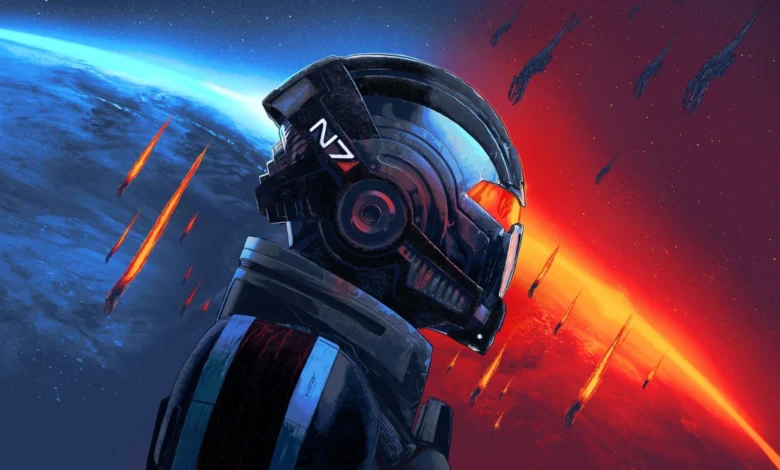
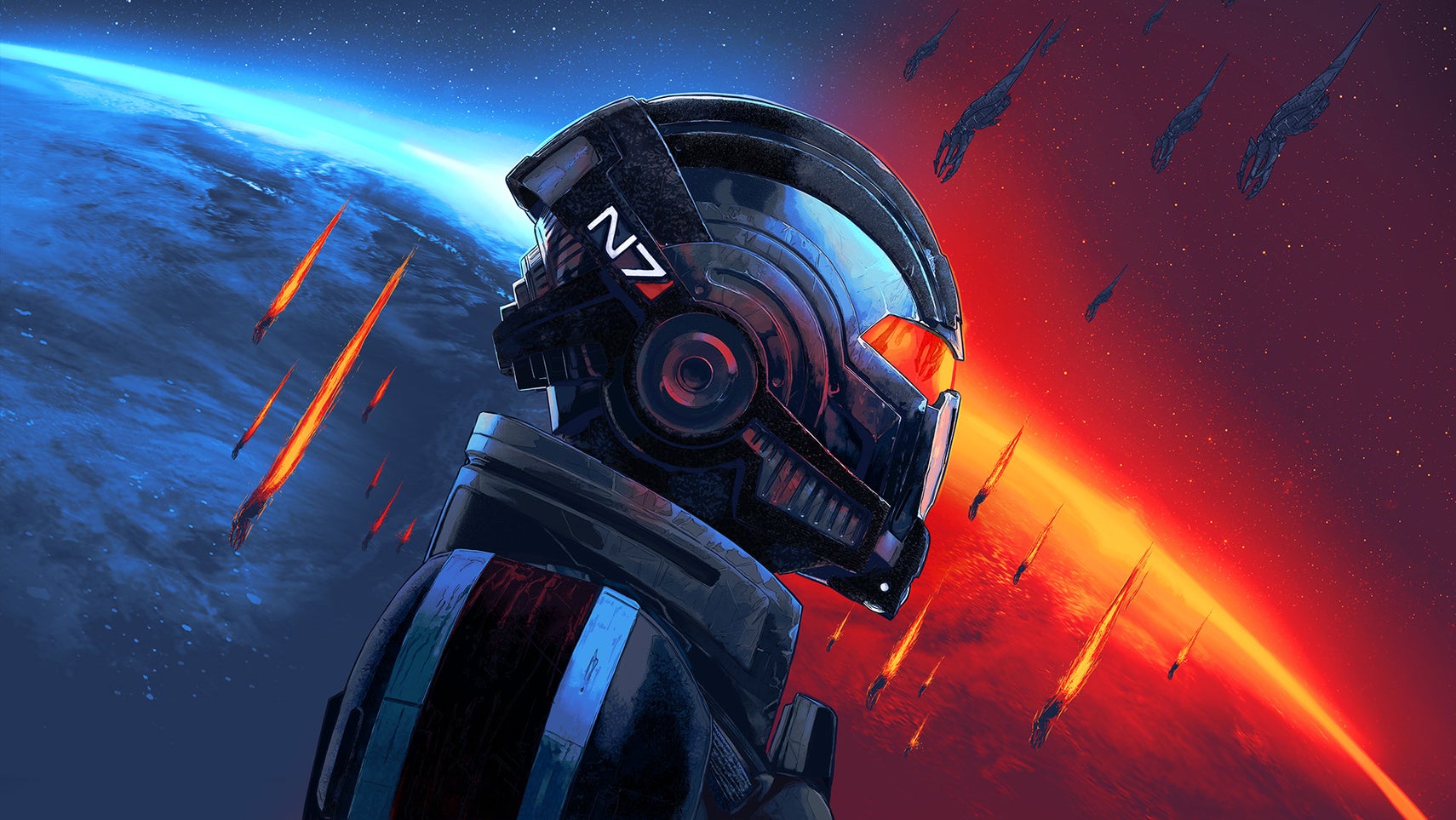
The future of one of science fiction’s most celebrated role-playing game franchises hangs in the balance following a massive outpouring of community support. A petition launched to safeguard the Mass Effect series has officially surpassed 187,000 signatures, reflecting profound fan anxiety in the wake of sweeping structural changes at Electronic Arts (EA) and the effective shuttering of legendary developer BioWare.
The grassroots campaign, hosted on Change.org and initiated by community member Joe Smith, arrives during a period of profound turbulence for the interactive entertainment sector. Rather than petitioning EA to reverse its corporate decisions regarding BioWare’s operational footprint, the movement demands a clear, definitive path forward for the intellectual property. Specifically, the petition calls on corporate leadership to commit adequate funding, staffing, and developmental resources to preserve the franchise’s legacy, or alternatively, to license the Mass Effect IP to an external studio capable of steering future installments with the requisite creative vision.
A Historic Chapter Closes: The Fall of BioWare
The crisis surrounding Mass Effect is inextricably linked to the dismantling of BioWare, a studio whose narrative-driven masterpieces defined a generation of gaming. Industry observers and loyal patrons alike recently bid a sorrowful farewell to the developer following a wave of severe job cuts. These layoffs followed closely on the heels of a massive $55 billion leveraged buyout involving substantial international private investment, a financial maneuver that financial analysts had predicted would trigger aggressive corporate restructuring across acquired assets.
Founded in 1995 by Ray Muzyka and Greg Zeschuk, BioWare earned a revered status through genre-defining titles such as Baldur’s Gate, Star Wars: Knights of the Old Republic, Dragon Age, and ultimately, the sprawling interstellar epic Mass Effect. The studio’s distinct approach to branching narratives, deep character relationships, and player-driven consequences cultivated an intensely loyal global community.
The recent restructuring has not been confined to BioWare alone. Broad corporate streamlining at EA has rippled across multiple premier internal and subsidiary studios, impacting developers at Respawn Entertainment, Maxis, Full Circle, and EA Motive. The contraction has sparked widespread condemnation from industry veterans, labor advocates, and consumer groups, fueling anxiety over the viability of high-budget, single-player narrative epics within an increasingly risk-averse corporate landscape.
The Fan Cry: Preserving a Legacy of Choice and Consequence
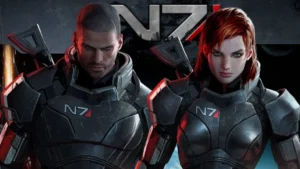
The overwhelming response to the Mass Effect preservation petition underscores the cultural footprint carved by Commander Shepard’s journey across the Milky Way. Petition organizers and signatories emphasize that the franchise transcended traditional entertainment boundaries, offering a sanctuary for players seeking inclusivity, individual expression, and rich storytelling.
"Fans around the globe have invested thousands of hours exploring the galaxy, forming deep connections with its multifaceted characters and compelling storylines," the petition states. "It is a franchise that has transcended the typical gamer experience, creating a community that advocates for choice, individuality, and shared adventure. The potential cessation of new developments in this universe is a devastating prospect not only for fans but for the diversity of narrative-driven games as a whole."
Signatories argue that if EA is unwilling or unable to allocate the internal resources required to maintain the high standards associated with the brand, relinquishing control via third-party licensing represents a viable alternative. Such a model has seen success in other entertainment sectors, allowing dormant or orphaned properties to find new life under creative teams infused with fresh capital and institutional passion.
Chronology of the Crisis: From Leaks to Cancellation
The dismantling of BioWare’s latest projects has brought a sudden halt to what many hoped would be a triumphant return to form for the franchise. The timeline leading up to the studio’s closure and the subsequent community mobilization reveals a rapid sequence of disruptive events:

- The Acquisition: A multi-billion-dollar leveraged buyout alters EA’s corporate landscape, initiating rigorous financial reviews and operational realignment across global divisions.
- Internal Leaks: Rumors surrounding the next major installment—internally referred to or associated with the working concept Mass Effect Universe—begin to circulate, heightened by the inadvertent appearance of an internal development trailer.
- The Shutdown: EA announces sweeping structural changes resulting in the closure of BioWare and widespread layoffs affecting thousands of industry professionals across multiple studios.
- Confirmation of Cancellation: Following the shutdown, confirmation emerges that Mass Effect Universe has been officially canceled, destroying years of preliminary development work.
- Community Mobilization: Content creators, former community council members, and fans step forward to share details of the canceled project, prompting Joe Smith to launch the petition that quickly amasses over 187,000 signatures.
Further complicating the narrative, recent disclosures from content creators claiming affiliation with BioWare community advisory boards have shed light on the canceled project. According to these accounts, community representatives had been granted early access to development builds to provide critical feedback. An internal trailer, verified as authentic following the studio’s closure, had previously offered glimpses into a universe attempting to reconcile the complex lore established in the original trilogy and Mass Effect: Andromeda.
Broader Industry Implications and Future Outlook
The Mass Effect situation highlights a persistent tension within modern digital entertainment: the conflict between corporate fiscal discipline and creative longevity. As major publishers absorb massive financial obligations and navigate shifting macroeconomic conditions, expensive single-player franchises face intense scrutiny. Triple-A development cycles spanning five to eight years require unprecedented capital expenditure, leaving little room for error in the eyes of shareholders.
For EA, the dilemma centers on asset management. Mass Effect remains one of the most recognizable science fiction properties in modern media, boasting a multimedia footprint that spans novels, comic books, tabletop experiences, and the commercially successful Mass Effect Legendary Edition remaster. Completely abandoning the intellectual property risks alienating a dedicated consumer base that has demonstrated a willingness to financially support the brand over nearly two decades.
Whether executive leadership will respond to the 187,000-strong petition remains uncertain. Historically, publishers have occasionally pivoted in response to coordinated consumer pressure, though outright licensing of premier tier-one intellectual properties to external developers remains a rarity in contemporary corporate strategy. Nevertheless, the petition serves as a potent reminder of the enduring emotional bond between players and the digital worlds they inhabit, ensuring that the demand for thoughtful, narrative-driven science fiction will continue to resonate long after the quietus of the studios that originally brought them to life.