Blizzard Entertainment Announces Diablo 5 for 2029 and Outlines the Future of the Sanctuary Franchise

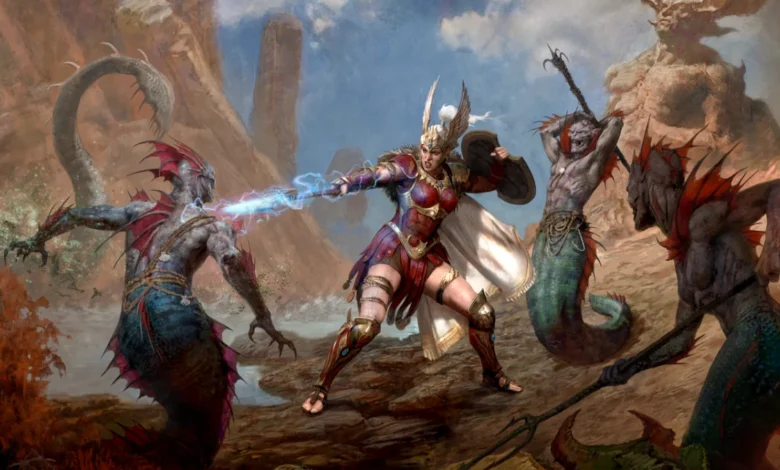
The landscape of the action role-playing genre is set for a monumental shift as Blizzard Entertainment officially confirmed the development of Diablo 5 during the opening ceremony of BlizzCon. Following the conclusion of the Diablo 4 expansion cycle, the studio has set its sights on a new narrative horizon: a dark, decimated version of Sanctuary, ruled by the Lord of Terror himself, Diablo. This ambitious project, slated for a 2029 release, marks a significant leap forward for the franchise, pushing the timeline one century beyond the events of the current title.
A New Era of Darkness: The Vision for Diablo 5
While the Diablo franchise has historically focused on the cyclical struggle between the High Heavens and the Burning Hells, the announcement of Diablo 5 signals a darker, more definitive outcome for the world of Sanctuary. According to early development insights, the game will explore a world that has already succumbed to the influence of Diablo. This narrative choice represents a departure from the "constant battle" trope, opting instead to place players in a post-apocalyptic setting where the antagonist has, for a time, emerged victorious.
The decision to jump 100 years into the future serves a dual purpose. It allows the development team to bypass the immediate narrative constraints of Diablo 4, while simultaneously providing a fresh canvas for new mechanics, environments, and character classes. The "Story of Terror," as described by the development team, will be the central pillar of this new chapter, moving the series away from the "Story of Hatred" that concluded with the defeat of Mephisto in the Lord of Hatred expansion.
The Lifecycle of Diablo 4: Seasons and Ongoing Support
Despite the excitement surrounding the 2029 release of its successor, Blizzard has clarified that Diablo 4 remains a cornerstone of its live-service strategy. In an interview at BlizzCon, Diablo Game Director Brent Gibson confirmed that while there are no further paid expansions currently in development for Diablo 4, the title will continue to receive robust support through its seasonal content model.
"We are fully committed to the player base that has invested so much time into Diablo 4," Gibson stated. "Our strategy involves maintaining the health of the game through consistent seasonal updates that evolve based on player feedback. We aren’t looking at this as a project we are walking away from; we are looking at this as a long-term service."
This approach mirrors the longevity seen in other Blizzard titles, such as Diablo 2: Resurrected, which received substantial updates and new class adjustments years after its initial launch. By keeping the servers active and the content fresh, Blizzard intends to bridge the gap between the current iteration of the game and the eventual launch of the fifth installment.
Historical Context and Development Trajectory
To understand the significance of this announcement, one must look at the historical release cadence of the Diablo franchise. The original Diablo launched in 1996, followed by Diablo 2 in 2000, Diablo 3 in 2012, and Diablo 4 in 2023. The gap between Diablo 3 and Diablo 4—over a decade—was one of the longest in the company’s history. The announcement of a 2029 release window for Diablo 5 suggests a more aggressive development cycle, likely aided by the expanded resources and integrated live-service expertise Blizzard has cultivated over the past several years.
The shift from the "Story of Hatred" to the "Story of Terror" is also a thematic callback to the series’ roots. The return of Diablo as the primary antagonist—rather than a secondary influence or a side-story villain—realigns the series with the core branding that helped define the ARPG genre in the late 90s.
Industry Implications and Market Analysis
The announcement creates a unique situation in the gaming market. With Path of Exile 2 recently entering the fray, the competition for the ARPG player base has never been more intense. Blizzard’s dual-track strategy—supporting a live-service Diablo 4 while developing a standalone Diablo 5—is a calculated response to the modern expectations of the genre.
Industry analysts suggest that this strategy is designed to mitigate the "sequel fatigue" that often plagues live-service games. By maintaining a clear distinction between the two titles, Blizzard can cater to two different segments: those who prefer the established, refined gameplay of Diablo 4, and those seeking the next generation of visual fidelity and systemic innovation promised by Diablo 5.
However, the lack of further expansions for Diablo 4 is a notable point of contention. Expansion packs have historically been the primary vehicle for major systemic overhauls and new class introductions. If future support is limited to seasonal content—which typically focuses on balance changes, limited-time mechanics, and cosmetic additions—some veteran players may express concern regarding the depth of future content updates.
The Role of Player Feedback in Future Development
A recurring theme in Blizzard’s post-BlizzCon messaging is the importance of community engagement in shaping the road to 2029. Brent Gibson emphasized that while the team has a vision for the "Story of Terror," the specific mechanics and gameplay features are still fluid.
"We don’t necessarily have a perfect picture of exactly where that is going to go," Gibson noted. "We want to see how fans are reacting season to season [in Diablo 4]. The continuity is something we are excited about, but the path there is paved by player interaction."
This responsive development style is a marked change from the "top-down" approach seen in earlier decades. By utilizing Diablo 4 as a testbed for new systems, abilities, and itemization philosophies, Blizzard is effectively using its current game as a massive research and development project for its future title.
Looking Ahead: What to Expect
As we look toward 2029, the community can expect a transitional period for the franchise. The following milestones are projected to define this era:
- The Seasonal Bridge: Continued seasonal updates for Diablo 4 that likely incorporate narrative threads leading toward the eventual state of the world in Diablo 5.
- Technological Integration: The implementation of new engine capabilities and server infrastructure tested during Diablo 4’s later seasons, which will be carried over to Diablo 5.
- Narrative Setup: Potential "prequel" content within Diablo 4 that explores the fall of Sanctuary, setting the stage for the century-long time jump.
- Community-Driven Balance: Ongoing adjustments to core gameplay loops based on data collected from the Diablo 4 player base.
Final Assessment
The announcement of Diablo 5 is a bold move that stabilizes the long-term outlook for one of gaming’s most prestigious franchises. By clearly separating the ongoing support for Diablo 4 from the long-term development of Diablo 5, Blizzard is attempting to satisfy the demand for both a consistent, evolving service and the excitement of a full-scale sequel.
Whether this strategy will succeed depends on the studio’s ability to keep the Diablo 4 experience compelling throughout the next several years. If the seasonal content can maintain high engagement, the bridge to 2029 will be stable. If, however, the content becomes repetitive or fails to innovate, the excitement for Diablo 5 could be dampened by the fatigue of the preceding years.
For now, the message from Blizzard is clear: the war for Sanctuary is not over, and the shadow of the Lord of Terror is already beginning to lengthen. As the industry turns its attention to the next five years of development, all eyes will be on how the developers translate their ambitious vision into the next generation of action RPG excellence.
Related posts: