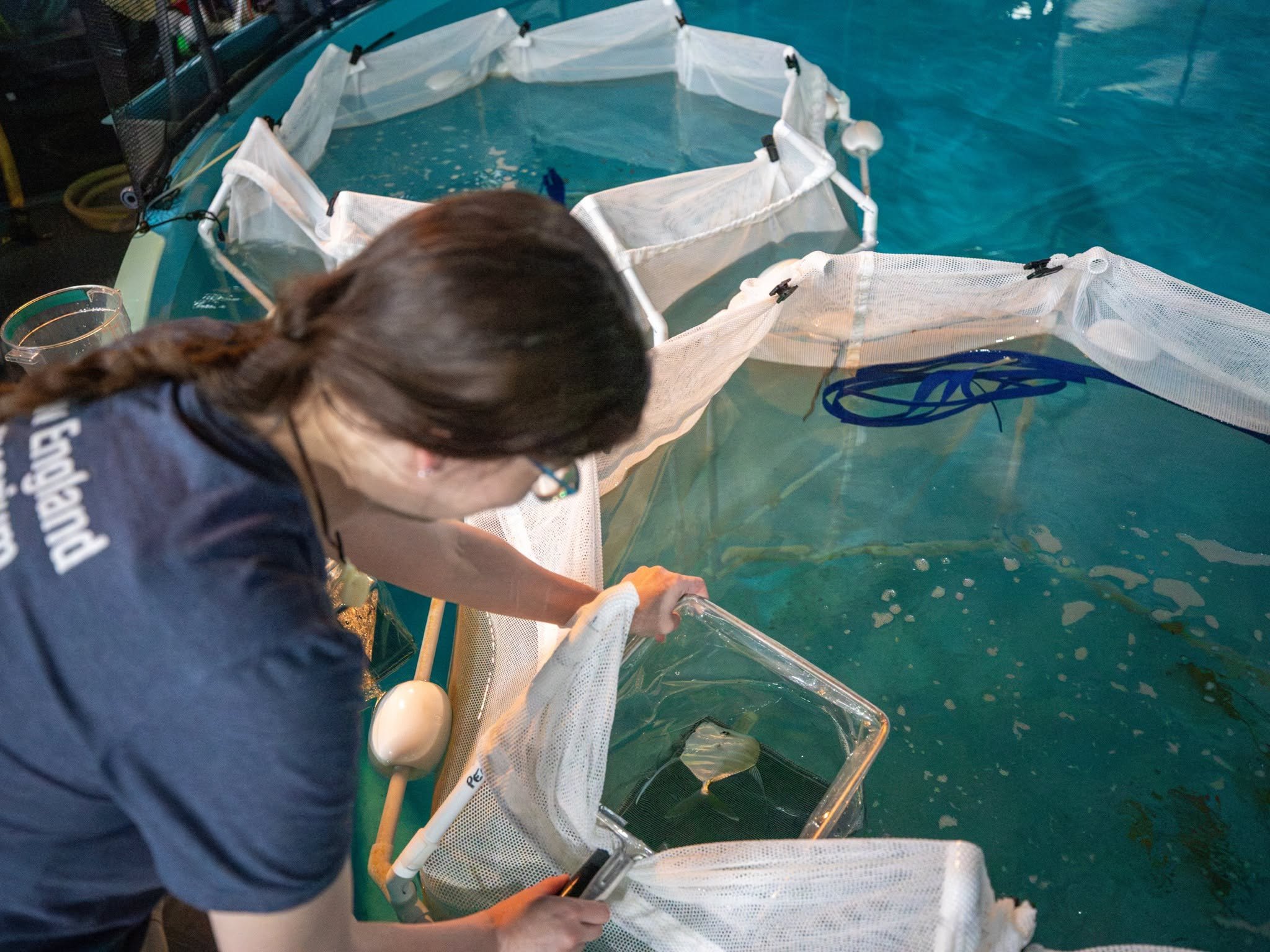
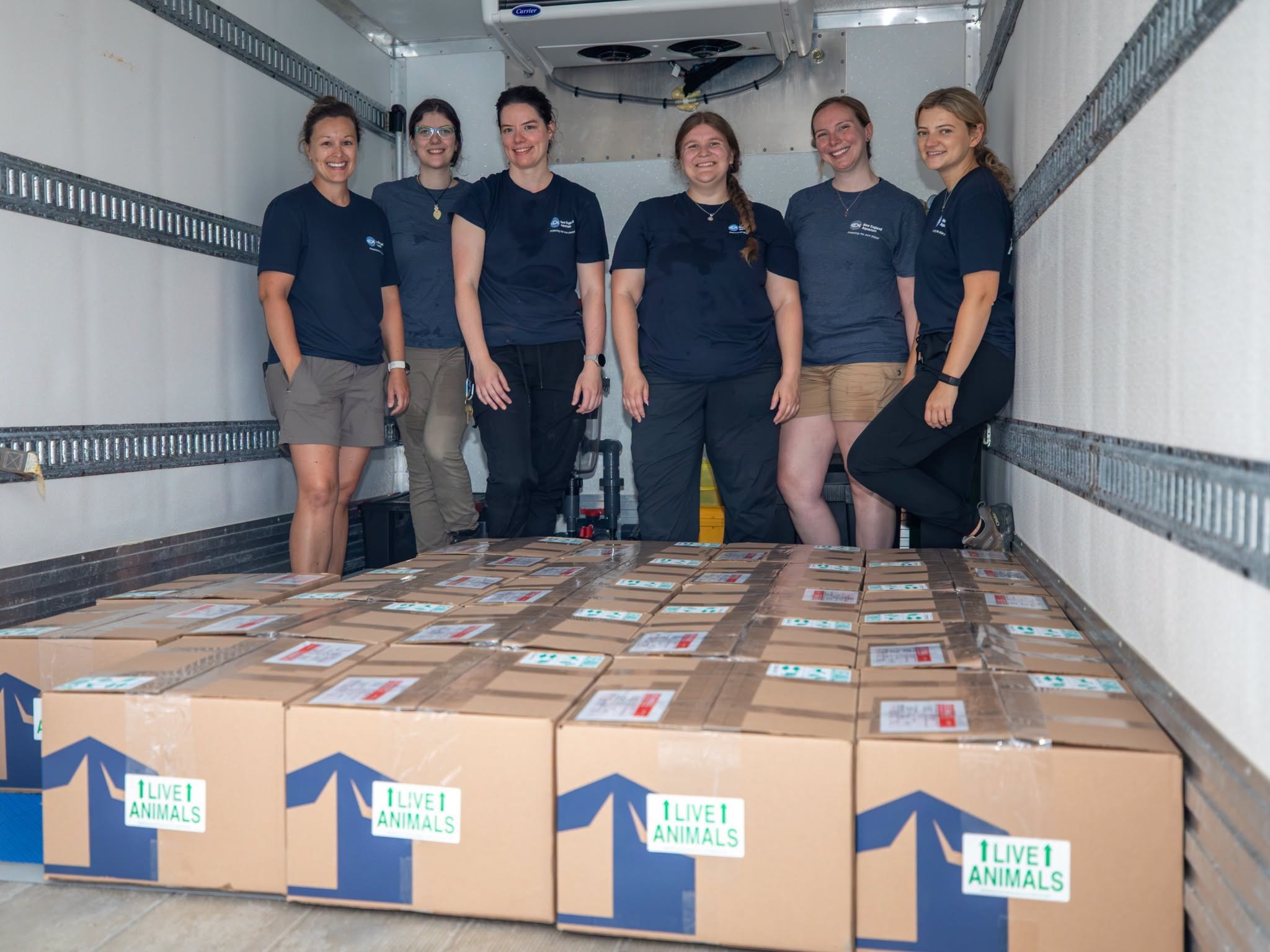
When a standard courier service processes a package, the primary concerns are weight, dimensions, and structural integrity. However, when the package contains 22 live lookdown fish, the priorities shift toward life-support systems, hydrodynamics, and the maintenance of delicate chemical equilibria. Recently, the New England Aquarium (NEA) successfully executed a complex transfer of these species, highlighting a sophisticated, often invisible network of cooperation that keeps public aquariums across the country thriving. This operation was not merely a shipping task; it was a testament to the advancements in modern aquaculture and the collaborative ethos governing the Association of Zoos and Aquariums (AZA) and its global partners.
The Collaborative Ecosystem of Modern Aquariums
The movement of marine life is governed by a strategy of specialization. Rather than each facility attempting to breed every species they exhibit—which would be biologically impractical and resource-heavy—major institutions have adopted a decentralized approach. Under this model, specific aquariums become centers of excellence for the breeding and husbandry of certain species. By concentrating expertise and resources, these facilities can achieve higher success rates in captive reproduction, even for notoriously difficult-to-rear species.
This cooperative network ensures that genetic diversity is maintained across the continent. By sharing offspring, aquariums reduce the pressure on wild populations, effectively shifting the source of their exhibits from wild collection to sustainable, captive-bred programs. The NEA, for instance, typically manages the production of between 500 and 1,000 fish annually, distributing them to over 15 partner institutions. This practice facilitates the growth of scientific knowledge, as facilities share data on water parameters, nutrition, and behavioral milestones, effectively crowdsourcing the challenges of marine biology.
The Logistics of Aquatic Transport: A Chronology of Care
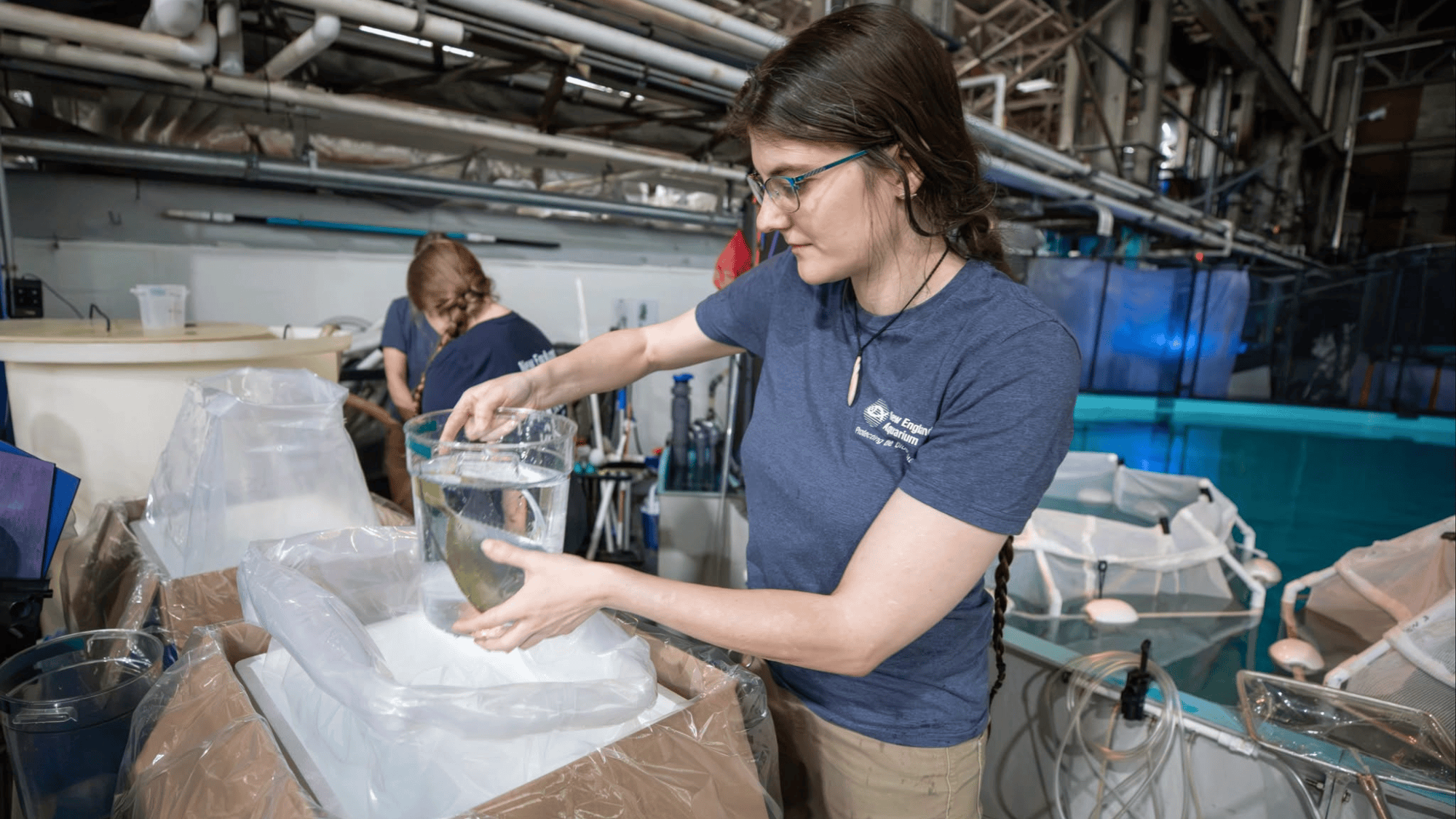
The journey of the 22 lookdown fish began long before the boxes were sealed. The process follows a strict, safety-first chronology designed to minimize stress on the organisms.
- Pre-shipment Conditioning (7–14 days prior): Before transit, fish are acclimated to the containers they will inhabit. This includes adjusting their feeding schedules to ensure their metabolic rates are optimized for the journey, reducing waste production within the travel water.
- Water Chemistry Stabilization: Specialists calibrate the water’s pH, salinity, and dissolved oxygen levels to mirror the fish’s established habitat. Additives, such as mild sedatives or stress-reducing compounds, may be utilized based on the species’ temperament and the projected duration of the travel.
- Packaging and Loading: The fish are placed into specialized, reinforced containers. These are not standard boxes; they are insulated, shock-absorbent, and designed to manage the thermal inertia of the water.
- Transit Selection: Decisions between air and ground transport are made based on real-time meteorological data and logistical accessibility. Air transit is preferred for larger, time-sensitive shipments where speed reduces the duration of environmental exposure. Ground transit, while slower, offers more control over the environment and avoids the complications of airport cargo handling.
- Arrival and Quarantine: Upon reaching the destination—in this instance, an institution in Georgia—the fish undergo a mandatory quarantine period. This allows the receiving facility to monitor for pathogens or stress-related illnesses before introducing the specimens into the main exhibits.
The Physics of Heavy Cargo
The most significant constraint in aquatic logistics is the sheer weight of the medium. Water weighs approximately 8.34 pounds per gallon. Consequently, a shipment containing 50 gallons of water adds over 400 pounds of dead weight to the manifest, excluding the weight of the containers and structural reinforcements.
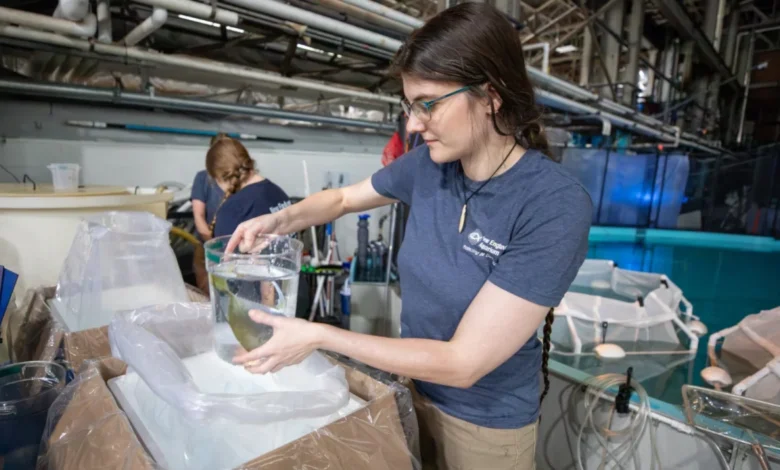
"Since fish must be transported in water, and water is heavy, the design of a fish transport first must address how to safely move the required volume of water to keep the fish safe and secure during the process," explains Monika Schmück, manager of sustainability in the fishes department at the New England Aquarium. The engineering challenge is two-fold: the container must be strong enough to hold the weight, yet light enough to be handled by human staff or mechanical lifts without introducing excessive vibrations or movement that could injure the fish.
Thermal management is equally critical. Whether traversing the country by truck or cargo plane, the shipment is susceptible to ambient temperature fluctuations. Specialized insulation and, in some cases, active temperature-control systems are deployed to ensure the water temperature remains within a range of one or two degrees of the target, preventing the metabolic shock that could prove fatal to tropical or temperate marine species.
Institutional Implications and Scientific Advancement
The success of these transfers has broader implications for the field of conservation. By mastering the transport of species like copper or glassy sweepers, blue chromis, and brown chromis, the aquarium community is documenting the necessary conditions for these animals to thrive outside their natural ranges. These records are invaluable to marine biologists. When an aquarium successfully breeds a species that has never been reared in captivity before, the methodology becomes a new standard in the industry, effectively creating a "blueprint" for future conservation efforts.
Furthermore, these logistical operations provide critical data on how climate change and regional environmental shifts might impact marine migration. While these fish are in human care, the data collected regarding their physiological tolerances to temperature and water chemistry provides insights that are difficult to obtain in the wild.
Professional Perspectives on Animal Welfare
The industry-wide move toward increased transparency in animal transport is driven by rigorous oversight. The AZA and similar regulatory bodies require detailed reports on every transfer, ensuring that animal welfare standards are met at every step. Reactions from experts in the field emphasize that these moves are not merely for aesthetic or exhibition purposes, but are essential to the long-term sustainability of the institutions themselves.
"By working together, we are able to raise more fish, and develop aquaculture practices to successfully raise more species, including some that have never been raised before," says Schmück. This statement reflects a fundamental shift in the role of modern aquariums: from static displays of wild-caught animals to dynamic, research-driven conservation centers that function as a cohesive, national network.
Conclusion: The Future of Aquatic Distribution
The recent transport of 22 lookdown fish from Boston to Georgia is a microcosm of a much larger industry trend. As the technology for monitoring water chemistry remotely advances, and as shipping containers become more energy-efficient and temperature-stable, the ability of aquariums to share resources will only increase.
The logistical feats required to move these animals are often overlooked by the public, who see only the finished exhibit. However, the rigor, precision, and inter-institutional cooperation involved in these transfers represent the backbone of modern zoo and aquarium science. As long as these institutions continue to prioritize the health and sustainability of their populations, the "very important packages" arriving at airports and loading docks across the country will continue to play a pivotal role in the future of marine biodiversity and education.
Related posts: