The Samsung Galaxy Z Fold 8 Redefines Mobile Productivity and Versatility in the Modern Foldable Era

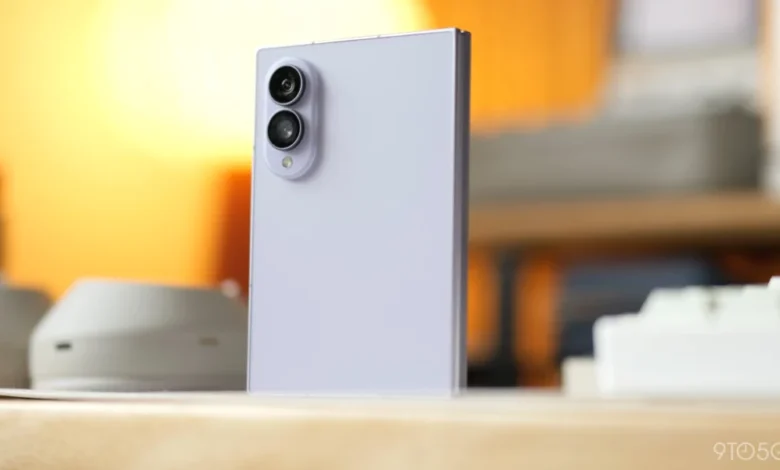
The evolution of mobile computing has reached a definitive milestone with the release of the Samsung Galaxy Z Fold 8. As the latest iteration in a lineage that began with the original Galaxy Fold in 2019, this device represents a strategic pivot toward a more balanced form factor. By refining the aspect ratios of both the inner and outer displays, Samsung has addressed long-standing user feedback regarding the ergonomics and usability of foldable smartphones. This launch marks a critical point in Samsung’s dominance of the premium mobile market, aiming to transition foldables from a niche enthusiast category to a mainstream productivity powerhouse.

A Chronology of the Foldable Evolution
To understand the significance of the Galaxy Z Fold 8, one must examine the progression of Samsung’s design philosophy. The initial 2019 launch served as a proof-of-concept, characterized by a narrow, fragile design that prioritized the novelty of the hinge mechanism over daily practicality.
By the time the Galaxy Z Fold 3 was introduced in 2021, the company had integrated water resistance and S Pen support, signaling a move toward professional-grade utility. The Z Fold 5 and 6 iterations focused heavily on hinge durability and the "zero-gap" design, which reduced the device’s thickness significantly. The Galaxy Z Fold 8 now synthesizes these mechanical advancements with a refined display geometry that favors a wider, more tablet-like experience when unfolded, moving away from the overly tall, narrow aesthetics that defined earlier generations.

Engineering the Display: A Shift in Geometry
The most prominent change in the Galaxy Z Fold 8 is the shift in aspect ratio. Previous models were often criticized for a "candy bar" outer screen that felt cramped for typing or reading long-form content. Data from internal user testing—often cited by industry analysts—suggested that the primary friction point for potential foldable converts was the difficulty of using the device in its folded state.
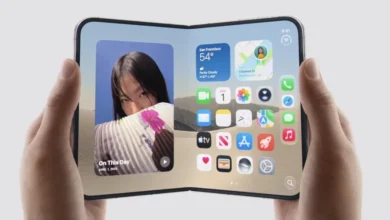
The Z Fold 8 introduces a wider outer display that approximates the feel of a standard flagship smartphone. When unfolded, the transition to the inner display provides a near-tablet canvas that is optimized for landscape media consumption. This configuration minimizes the "letterboxing" effect often seen when viewing cinematic content, providing a more immersive visual experience. The engineering team has balanced this by ensuring that the outer display remains functional for quick tasks—such as checking notifications, managing calendars, or utilizing messaging platforms—without requiring the user to unfold the device, thereby preserving battery life and reducing wear on the main hinge.

Productivity and Multi-Window Optimization
At the core of the Galaxy Z Fold 8’s appeal is the One UI 9 interface, which has been architected specifically for high-density multitasking. The software allows for a sophisticated multi-window environment that can support up to four concurrent applications.
In professional environments, this functionality has tangible benefits. A user can, for instance, host a video conference on one side of the display, reference a document in another window, and manage a task-tracking application in a floating window. This capability mimics the workflow of a desktop operating system on a portable device. Unlike previous iterations, where multi-window management felt sluggish, the integration of advanced mobile silicon allows for seamless transitions between these states. Recent performance benchmarking indicates that the device handles these intensive multitasking loads with minimal thermal throttling, a testament to the cooling solutions implemented in this year’s hardware refresh.

The Hinge as a Functional Tool
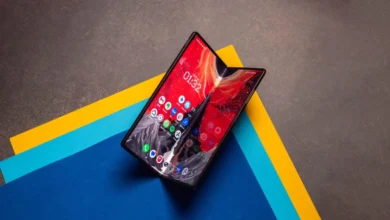
The mechanical design of the Z Fold 8 extends beyond its folding capability; it serves as a structural component for photography and media consumption. The "Flex Mode" hinge, which allows the device to hold various angles, essentially converts the phone into a self-supporting tripod.
For content creators and professional users, this removes the necessity for bulky accessories. By propping the device at a 90-degree angle, users can engage in hands-free video calls, capture long-exposure photography, or record stabilized video content. This evolution of the hinge mechanism represents a broader trend in mobile hardware: the device as a multi-purpose tool rather than a static platform for content consumption.

Market Implications and Industry Context
The release of the Galaxy Z Fold 8 arrives at a time when the global smartphone market is seeing a stagnation in innovation for traditional "slab" phones. According to recent market reports, the foldable segment is one of the few areas showing consistent year-over-year growth. Samsung, as the market leader, faces increasing competition from manufacturers in the Chinese market, which have aggressively pursued thinner designs and lower price points.
Samsung’s strategy for the Z Fold 8 has been to emphasize ecosystem stability and software maturity. While competitors may boast thinner chassis, Samsung leverages its established One UI ecosystem, which offers a degree of app optimization and integration with the broader Android tablet ecosystem that rivals struggle to match. The decision to partner with major retailers like Best Buy for aggressive trade-in programs and holiday bundles highlights the company’s intent to lower the barrier to entry for consumers who have been hesitant to switch to a folding form factor.

Official Responses and Future Outlook
While specific sales figures for the Z Fold 8 are currently under embargo until the next quarterly earnings report, initial retail sentiment has been positive. Industry analysts have noted that the "consumer-grade" refinement of this model suggests a maturing manufacturing process. Samsung representatives have indicated that the focus for this generation was on "user-centric longevity," prioritizing software updates and hardware durability to justify the premium price point.
The long-term implication of the Galaxy Z Fold 8 is clear: the industry is moving toward a standard where the display size is no longer fixed. As applications continue to optimize for responsive design, the line between a smartphone and a tablet will continue to blur. For the consumer, this means the Galaxy Z Fold 8 is not merely a novelty item but a viable replacement for both a phone and a portable computing device.

As the retail season progresses, the availability of the Z Fold 8 through major carriers and independent retailers will provide the ultimate test for the device’s market penetration. With the integration of enhanced AI-driven photo editing and improved multitasking, the device sets a high bar for the next generation of mobile hardware. The success of the Z Fold 8 will likely dictate the pace at which the broader industry adopts the foldable standard, cementing Samsung’s role as the architect of the next decade of mobile interaction.