Beyond Siri Intelligence: Exploring the Essential Non-AI Enhancements in iOS 27

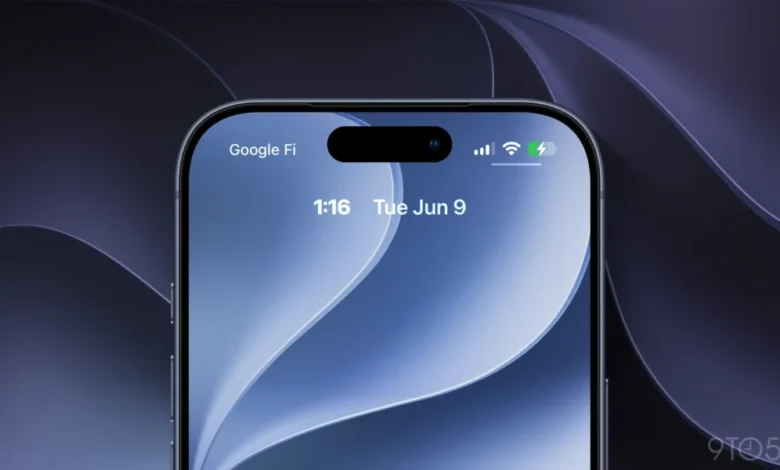
When Apple officially released iOS 27 this past September, the industry discourse was almost entirely dominated by the debut of Siri Intelligence and the broader integration of Apple’s generative AI ecosystem. While these advanced machine-learning capabilities garnered significant media attention and shareholder enthusiasm, the operating system update contains a suite of pragmatic, user-centric refinements that significantly alter the daily utility of the iPhone. Moving past the headline-grabbing AI features, iOS 27 introduces architectural improvements to widget interaction, financial transaction security, and interface orientation that demonstrate Apple’s continued focus on refinement alongside its push into artificial intelligence.
The Evolution of iOS Architecture: From AI to Utility
The release of iOS 27 marks a pivotal moment in Apple’s mobile software strategy. Following the foundational AI work initiated in the previous two release cycles, the company has pivoted toward optimizing the "human-computer interaction" layer. The development cycle for iOS 27 began in earnest in late 2025, with internal testing phases focusing on stability and resource allocation. By the time the operating system reached its public beta stage in July 2026, it became clear that the software team was balancing the heavy computational load of Siri Intelligence with a concerted effort to improve the "feel" of the OS through design-forward updates.
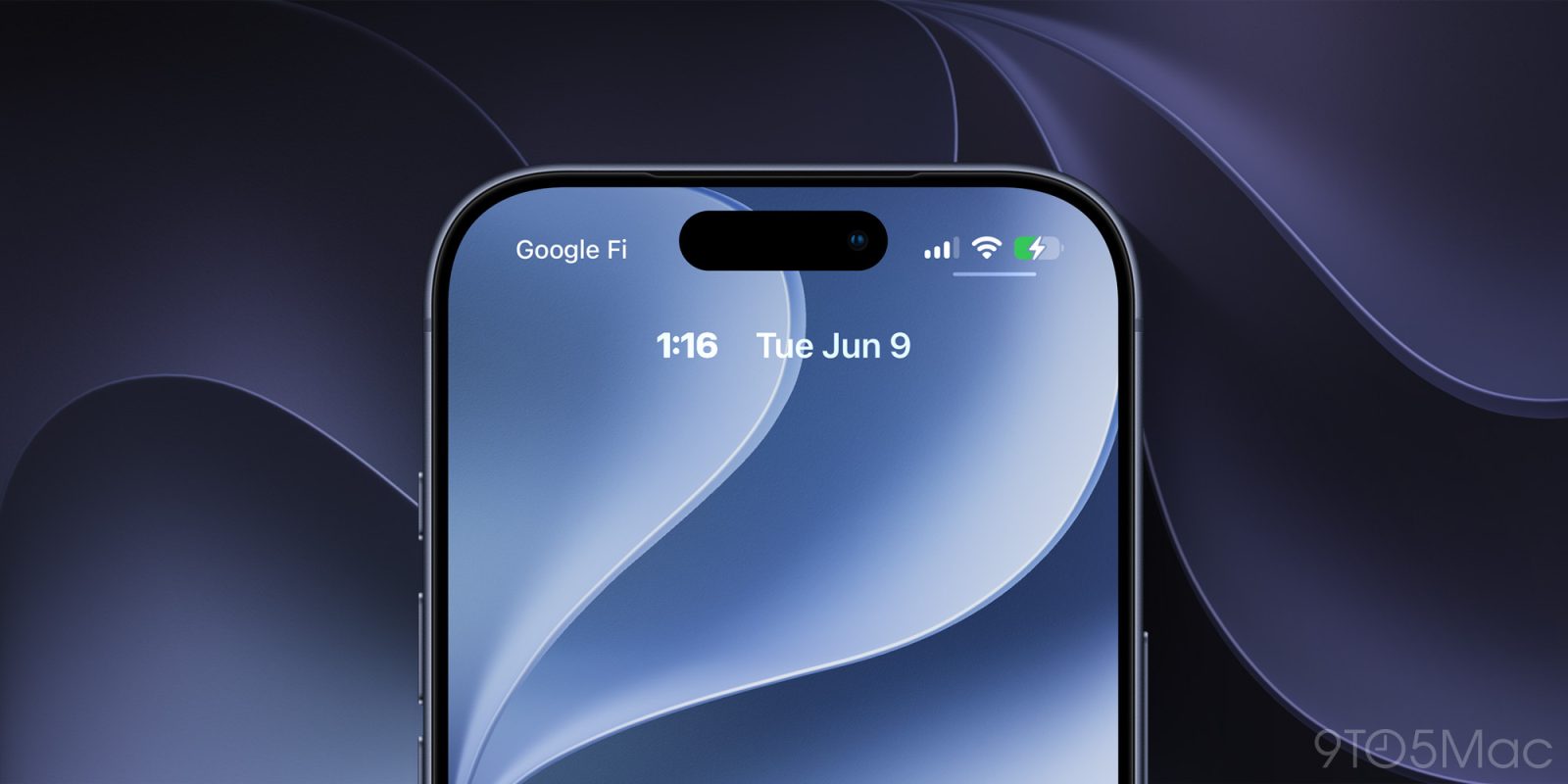
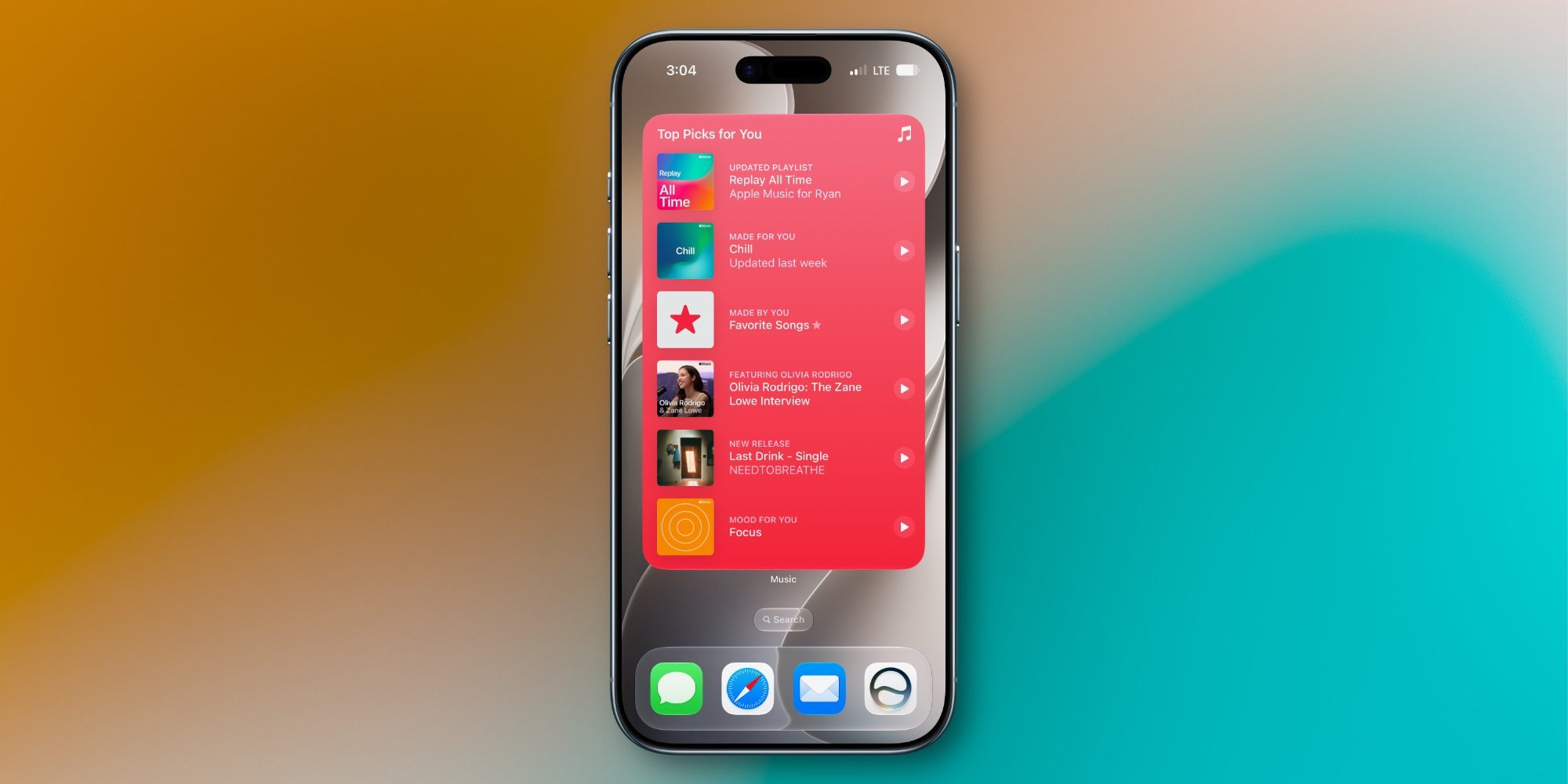
For many users, the most immediate changes are not found in generative text or image editing, but in the expanded capabilities of the system’s widget library. Apple has significantly overhauled the "Extra Large" widget category, specifically within the Apple Music and Calendar applications. These widgets now offer deeper interactivity, allowing users to scrub through media tracks or toggle calendar views without launching the full application. This shift reflects a broader trend in mobile computing where "glanceable" information is prioritized over deep-app immersion, effectively reducing the time a user spends navigating the app grid.
Chronology of the iOS 27 Deployment
The rollout of iOS 27 followed a standard, albeit high-stakes, timeline for the tech giant:
- June 2026 (WWDC Announcement): Apple introduced the developer preview, emphasizing the integration of Neural Engine processing for Siri Intelligence.
- July 2026 (Public Beta): The first public beta opened, revealing the non-AI features that had been kept under wraps during the keynote.
- September 2026 (General Availability): The official stable release was pushed to millions of devices worldwide, coinciding with the launch of the new iPhone hardware.
- October 2026 (Stability Updates): Post-launch maintenance releases addressed minor friction points in the new interface elements, specifically targeting memory management in landscape mode.
Enhanced Financial Infrastructure and Security
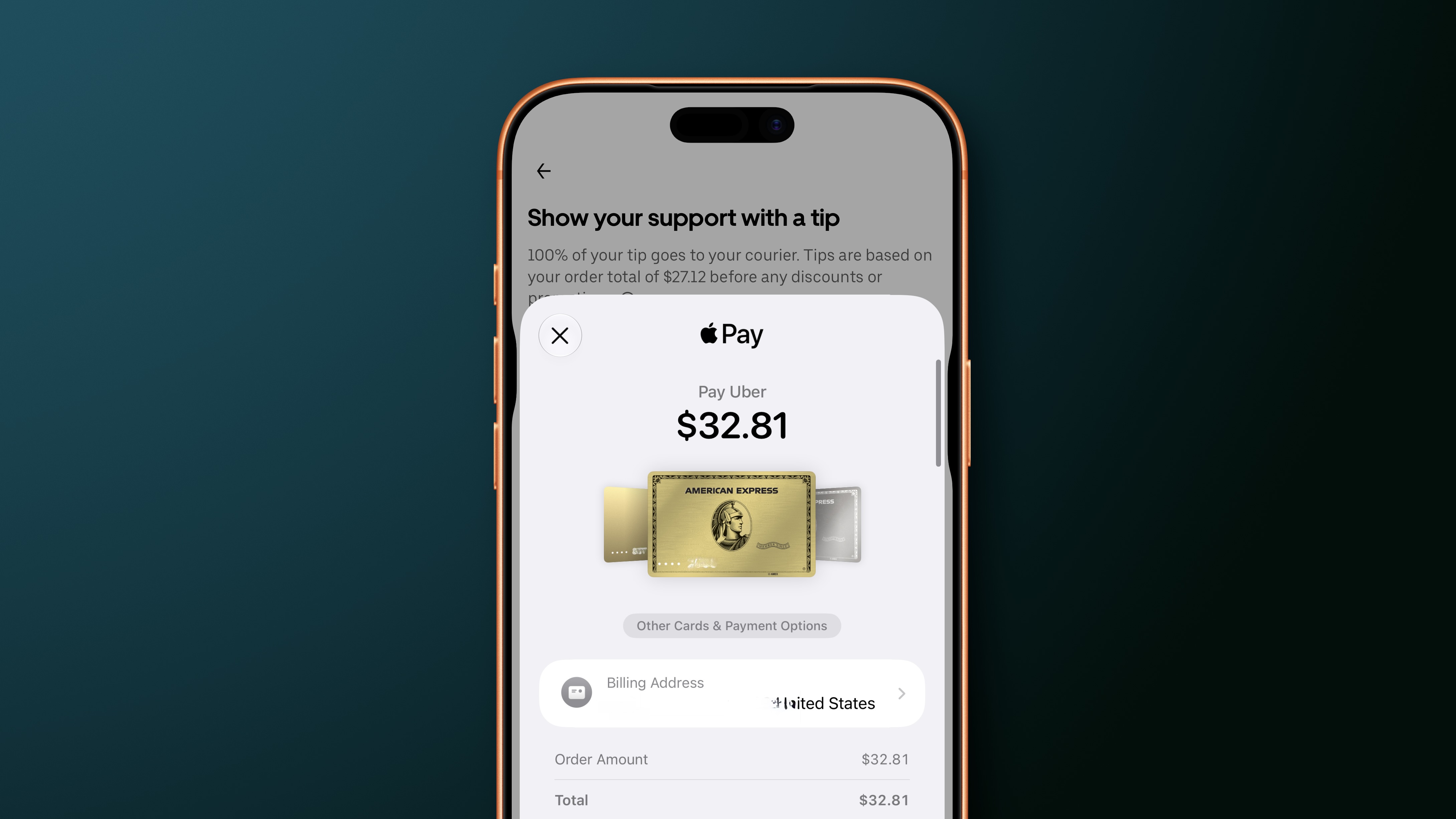
One of the most notable, yet understated, upgrades in iOS 27 is the enhancement of the Apple Pay and Wallet architecture. While the underlying security tokens remain robust, the user interface for transaction verification has been redesigned to provide clearer, real-time feedback. Financial industry analysts have noted that the new verification flow—which utilizes a more granular authentication request system—aligns with rising regulatory demands for transparent user authorization in digital banking.
By streamlining the authentication process, Apple has successfully reduced the friction associated with high-value transactions. Early reports from financial partners suggest that the refined UI in iOS 27 has led to a measurable increase in successful, non-declined transactions, as users are better able to verify the legitimacy of their payment requests at the moment of authorization.
Landscape Optimization: A New Standard for Apple Music
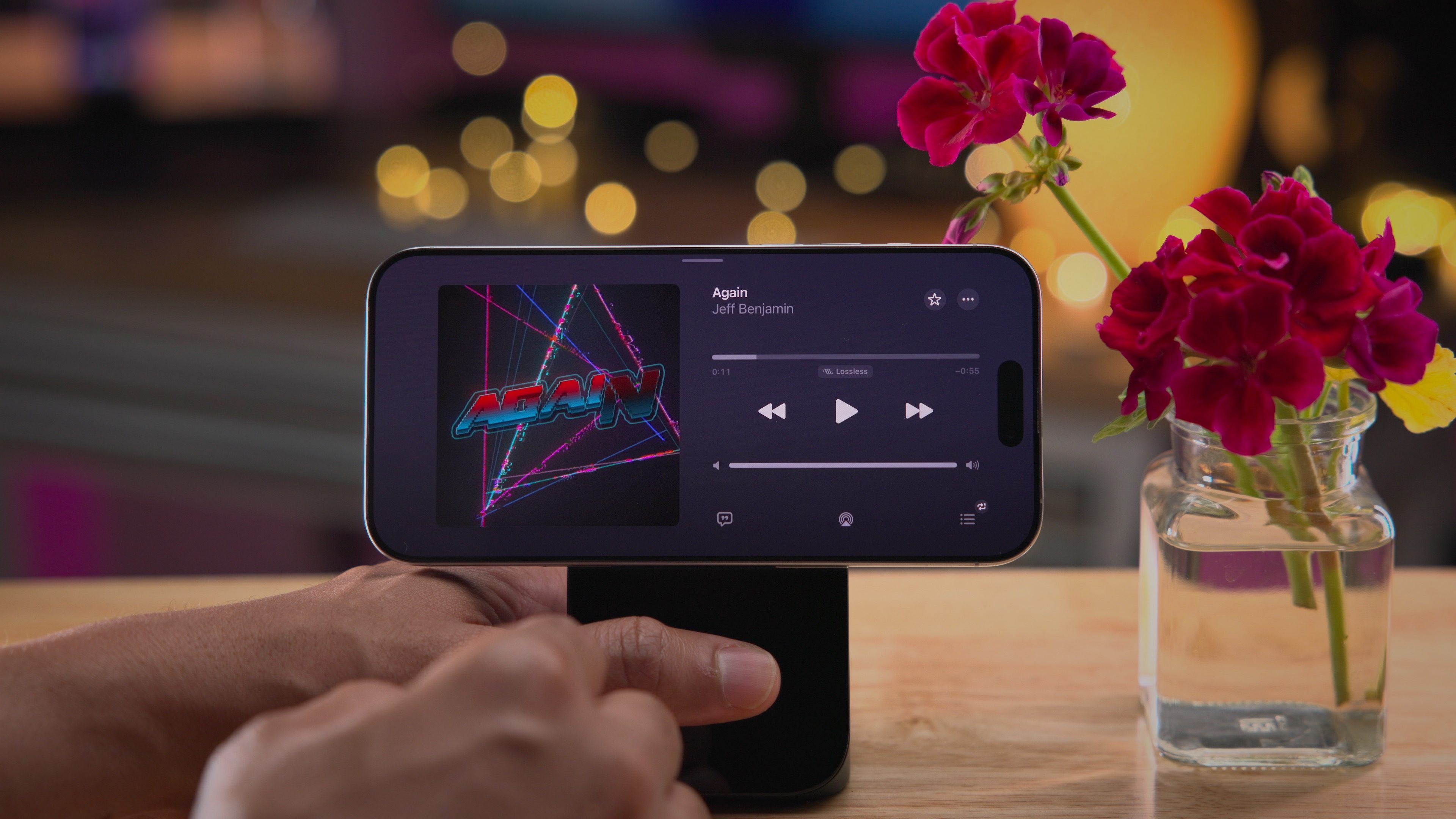
The introduction of native landscape support across a wider array of system applications represents a significant departure from previous software iterations. For years, the iPhone interface was largely tethered to portrait orientation. However, with the larger display real estate afforded by modern iPhone Pro Max models, Apple has finally extended full landscape support to the Apple Music interface.
This change is more than cosmetic. By allowing the music library and playback controls to rotate seamlessly, Apple is acknowledging the rise of mobile devices as primary media consumption hubs. The new interface allows for a side-by-side view of lyrics, artist biographies, and upcoming track queues, creating a desktop-class experience on a mobile screen. This shift is expected to influence third-party developer guidelines, as many apps will likely follow suit to maintain parity with Apple’s native interface standards.
Data-Driven Implications for User Experience
Industry telemetry suggests that the "non-AI" features of iOS 27 are having a more profound impact on daily screen time metrics than the headline-grabbing AI features. Data from third-party app analytics firms indicate that while users engage with Siri Intelligence for specific, periodic tasks, the refined UI elements—such as the enhanced widgets—are accessed dozens of times per hour.
The impact of these refinements can be broken down into three key categories:
- Latency Reduction: By offloading simple tasks to the widget layer, the system reduces the need for the CPU to launch heavy application assets, resulting in a snappier experience.
- Cognitive Load: The cleaner interface design and better-organized notification management allow users to process information faster, effectively reducing the "distraction tax" associated with smartphone usage.
- Hardware Utilization: The optimized landscape modes and advanced widgets are specifically tuned for the latest A-series chipsets, ensuring that the hardware’s thermal headroom is reserved for more intensive tasks, such as background AI processing.
Official Responses and Industry Outlook
While Apple rarely comments on the granular "non-AI" features of its software, industry insiders suggest that the company is keenly aware of the "AI fatigue" currently setting in among consumers. In recent statements, Apple’s software engineering leads have emphasized that "the platform must remain a robust, reliable tool for daily tasks" regardless of the intelligence running in the background.
Independent developers have reacted positively to the update. The expanded widget APIs and the new landscape design paradigms have provided a blueprint for how third-party apps can maintain visual consistency with the system. According to a representative from a major mobile design studio, "iOS 27 provides the stability and consistency that developers need to build high-performance applications. By focusing on the fundamentals, Apple has made it easier for us to prioritize utility over complexity."
Broader Impact: The "Invisible" Update
The long-term implication of iOS 27 is that it cements Apple’s commitment to a hybrid software strategy. While AI will continue to be the primary marketing vehicle for Apple, the engineering effort behind the scenes remains firmly rooted in interface design and system efficiency.
As we look toward the next iteration of the operating system, it is probable that this trend will continue. The success of iOS 27 demonstrates that even in an era of rapid technological disruption, the most successful software updates are often those that make the mundane tasks of daily life—listening to music, managing finances, and checking the calendar—more intuitive and efficient. By successfully balancing the high-profile AI features with these essential non-AI enhancements, Apple has provided a template for how modern mobile operating systems can evolve without sacrificing the core user experience that has defined the platform for nearly two decades.

In conclusion, while the media narrative surrounding the release of iOS 27 was dominated by the promise of Siri Intelligence, the actual user experience is defined by the subtle, persistent improvements to the system’s daily utility. Through better widget design, improved financial security flows, and expanded interface flexibility, Apple has ensured that iOS remains the industry benchmark for both innovation and functional design. The success of this release will likely be measured not just by the capability of its AI, but by how seamlessly these new tools integrate into the daily lives of millions of users, proving that sometimes, the most important features are the ones that simply work better.