Unlock Audiophile Quality From Your Existing Gear With New USB-C Bluetooth Transmitters

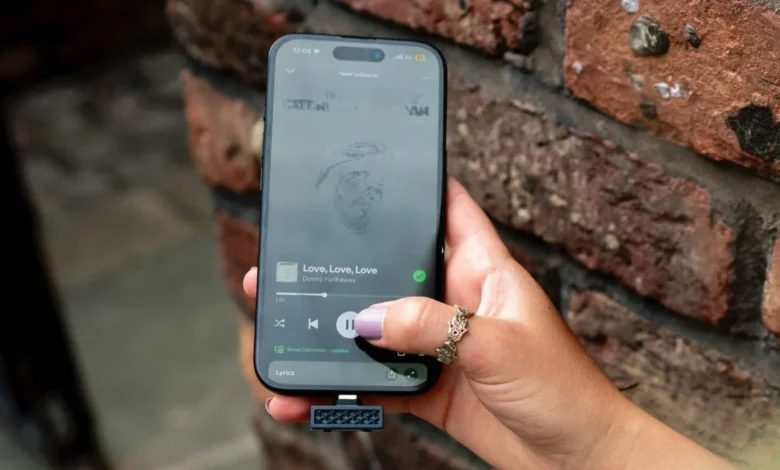
If you find yourself underwhelmed by the audio fidelity of your current wireless headphone setup, the solution may not be an expensive upgrade to your headphones, but rather a rethink of how your source device transmits audio. The emergence of a new generation of USB-C Bluetooth dongles offers a sophisticated bridge between modern mobile devices, gaming consoles, and high-fidelity wireless headphones, promising to bypass the limitations inherent in standard internal Bluetooth hardware.
Recent product launches from industry stalwarts iFi and Questyle have brought this niche category of audio equipment back into the spotlight. By offloading the processing of audio codecs from the source device to a dedicated external transmitter, these dongles aim to provide lower latency, increased bandwidth, and support for high-resolution audio codecs that many smartphones—particularly iPhones—typically restrict or fail to optimize.
The Technical Limitation of Standard Bluetooth
To understand the value proposition of these new dongles, one must first understand the bottleneck of modern wireless audio. Most consumer-grade smartphones rely on the integrated Bluetooth chipsets provided by their respective processors (e.g., Apple’s H-series or Qualcomm’s Snapdragon series). While these are highly efficient, they are often governed by software limitations.
Apple devices, for instance, have long utilized the AAC (Advanced Audio Coding) codec for Bluetooth transmission. While AAC is efficient and ubiquitous, it is often criticized by audiophiles for failing to provide the bit-depth and sample-rate headroom required for true "lossless" or high-resolution streaming. Android devices generally offer more flexibility with codecs like LDAC and aptX, but even then, the system-level implementation can lead to inconsistent performance, particularly during high-bandwidth tasks like mobile gaming or professional video editing.
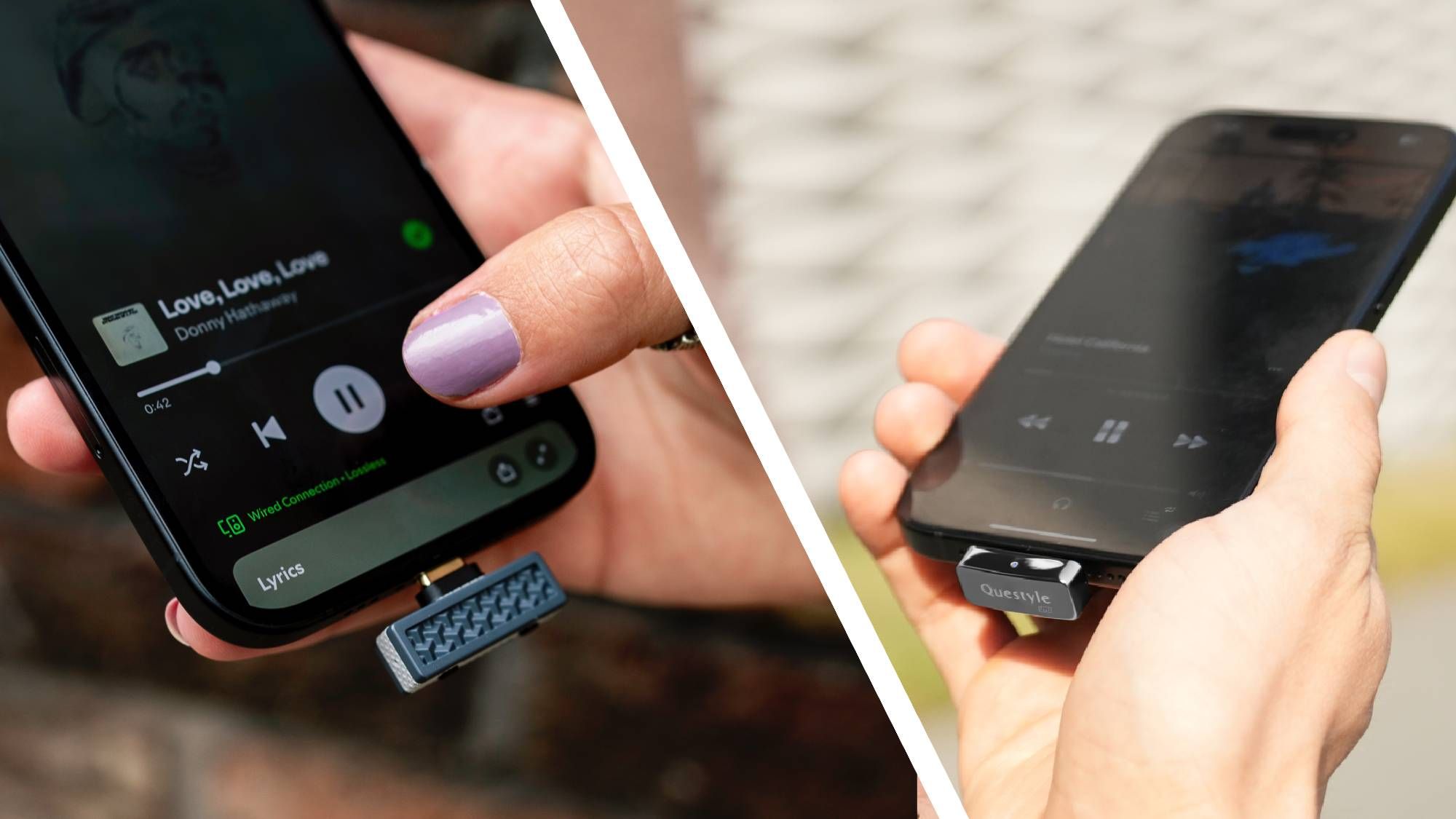
The new wave of USB-C dongles functions as an external "bridge." By plugging into the USB-C port of an iPhone, Android, or gaming console, these devices effectively tell the source to output a raw digital audio stream, which the dongle then encodes and transmits via a high-performance Bluetooth 6.1 or similar advanced radio protocol.
Questyle QCC Dongle Pro 2: A New Benchmark for Wireless Fidelity
Questyle has established itself as a premium player in the personal audio market, and its release of the QCC Dongle Pro 2 serves as a direct successor to the highly regarded QCC Dongle Pro. The initial model was lauded for its near-transparent signal path and robust build quality, and the iteration focuses on expanding compatibility and connectivity.
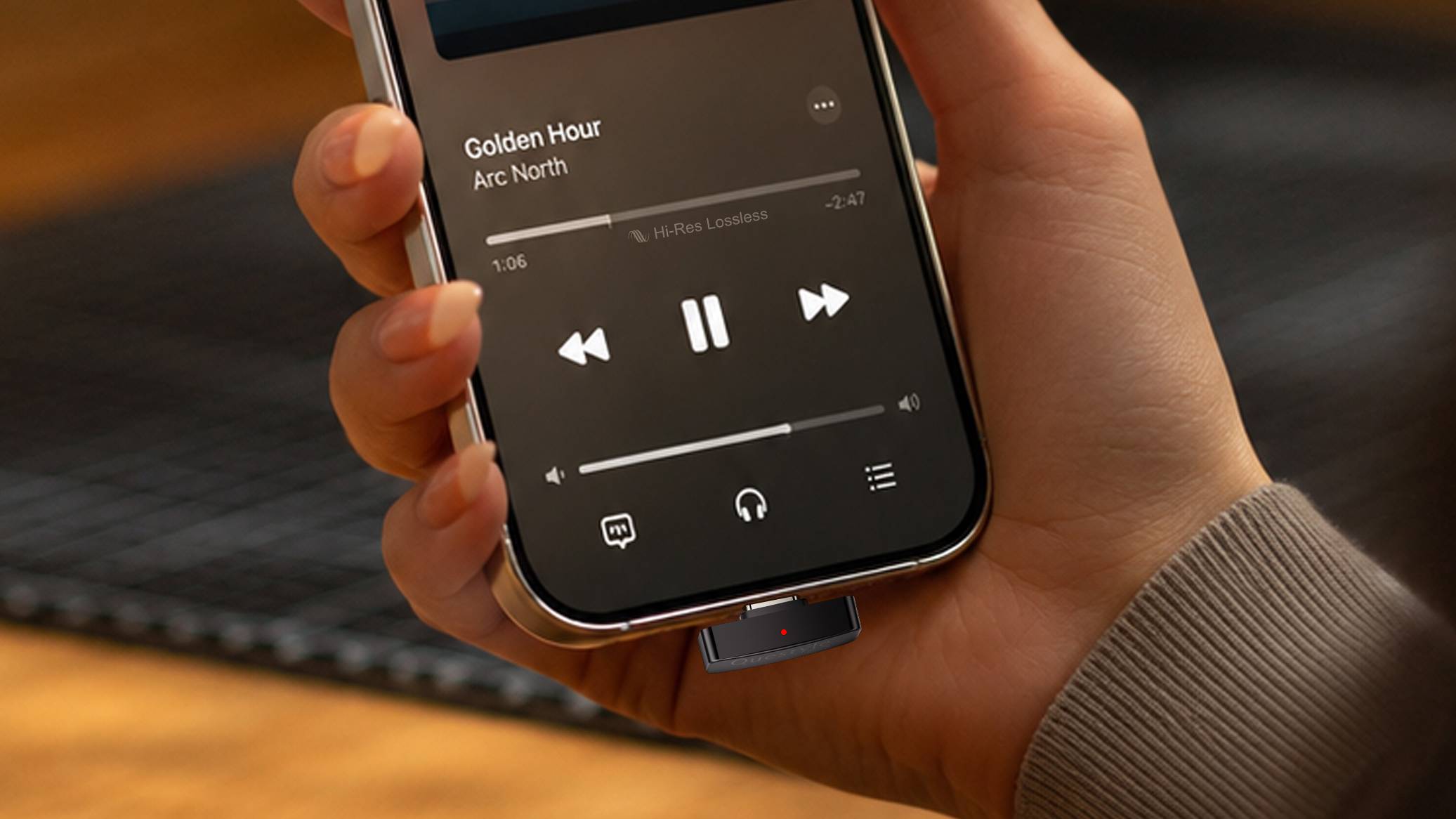
The QCC Dongle Pro 2 distinguishes itself by utilizing Bluetooth 6.1 technology. This allows for a significantly more stable connection compared to standard integrated solutions. The device is designed to be a "plug-and-play" solution, catering primarily to iPhone users who find themselves constrained by the limitations of the iOS audio ecosystem. By bypassing the phone’s native transmission, the QCC Dongle Pro 2 enables the use of high-resolution codecs including LDAC, various iterations of aptX, LHDC, and LC3.
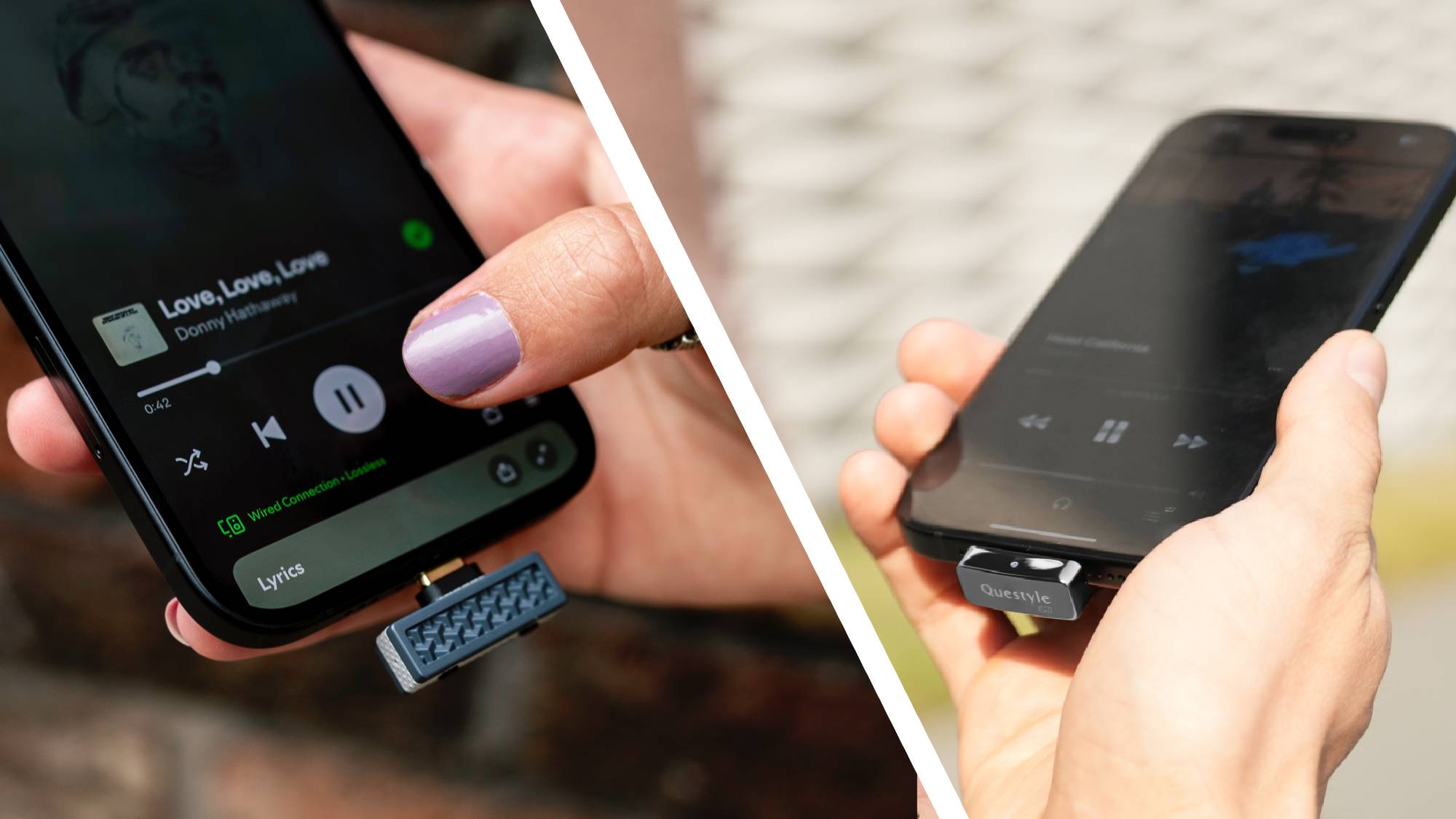
Furthermore, the integration of Snapdragon Sound technology is a significant inclusion. This platform ensures that the entire signal chain—from the source device to the headphones—is optimized for synchronization and fidelity. Another notable feature is support for Auracast, the next-generation Bluetooth broadcast standard. Auracast enables a single source to transmit audio to multiple receiving devices simultaneously, a feature that could revolutionize shared media experiences in public spaces or among groups of listeners. The Questyle companion app further empowers users, allowing for precise codec management and device prioritization, priced at $99 / £129.
iFi Audio Enters the Fold with the UP Play Series
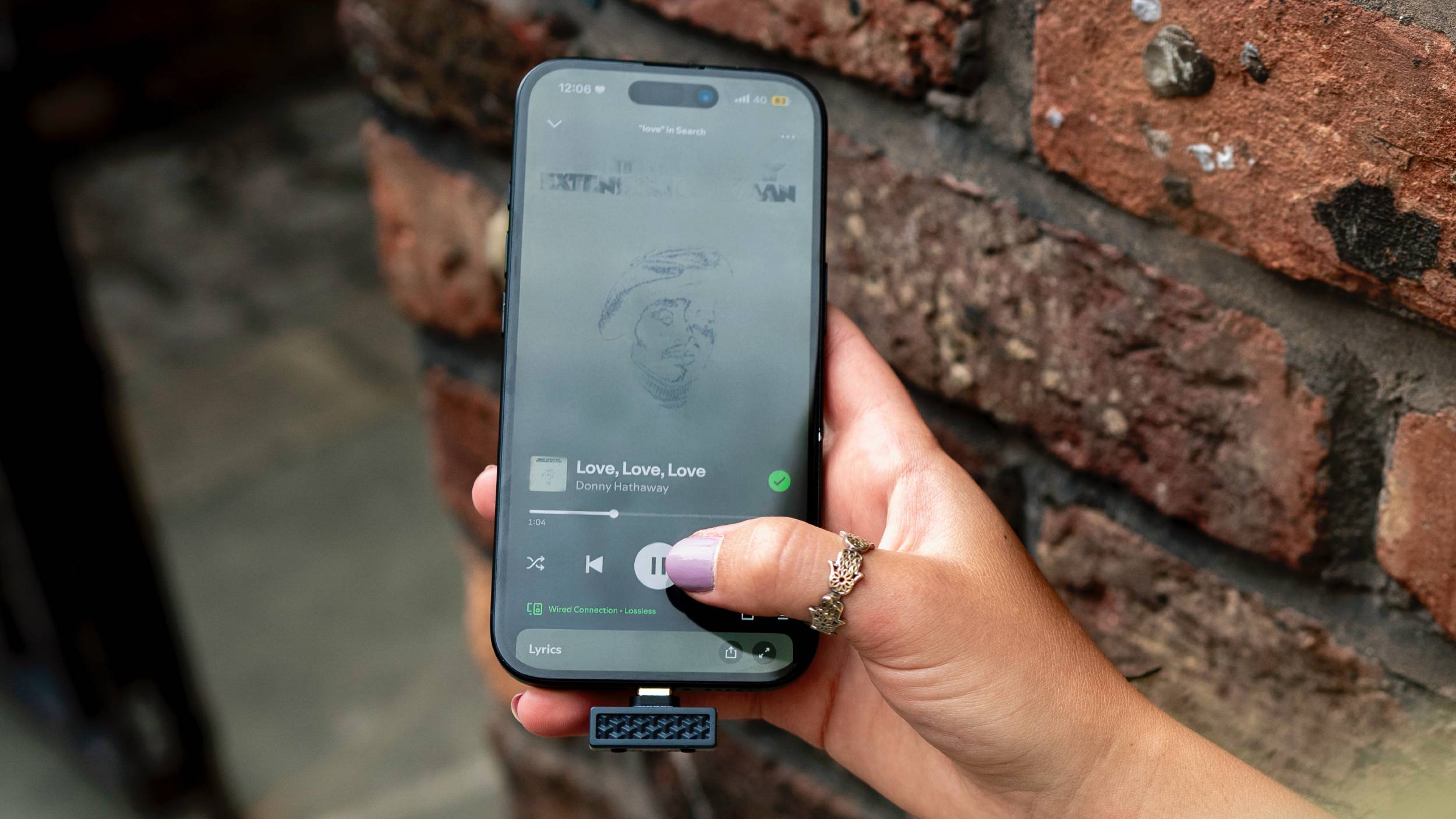
iFi Audio, a brand frequently associated with high-end DACs (Digital-to-Analog Converters) and portable amplifiers, has taken a dual-pronged approach to the market with the introduction of the UP Play and the UP Play Max. Priced at $59 / £59 and $89 / £89 respectively, these devices represent a more accessible entry point into the world of external wireless transmitters.
The primary distinction between the standard Play and the Play Max lies in the processing power allocated to audio upscaling. iFi claims that the base model triples the detail of audio signals transmitted from Apple devices, while the Max model quadruples this improvement. While the term "detail" is often used subjectively in marketing, it refers here to the dongle’s ability to maximize the bit-rate and sampling frequency of the stream before it is converted into the wireless format.
Unlike some competitors that focus exclusively on mobile phones, iFi has explicitly designed the UP Play series to integrate with gaming setups. The devices feature active noise suppression for microphone inputs, ensuring that voice communications remain clear even when the transmitter is handling high-bandwidth audio streams. The iFi units also support the pairing of multiple headphones, a feature that allows two users to listen to the same audio source simultaneously—a function that is notoriously difficult to achieve using standard Bluetooth pairing on most mobile operating systems.
Chronology of the Wireless Audio Shift
The trend toward external transmitters is not entirely new, but it has accelerated significantly in the last 24 months.
- 2022: The rise of high-resolution streaming services like Apple Music and Tidal pushed consumers to seek ways to hear higher bit-rate audio wirelessly.
- 2023: The original Questyle QCC Dongle Pro set the standard for what a dedicated USB-C transmitter could achieve, proving there was a market for $100+ portable audio accessories.
- Late 2024: The industry-wide adoption of Bluetooth 6.1 and Auracast standards began to replace proprietary legacy protocols, leading to the current wave of hardware releases from iFi and others.
Implications for the Consumer Audio Market
The release of these devices suggests a shift in the audio industry’s philosophy. For years, the emphasis was on improving the driver technology inside the headphones. However, as Bluetooth technology hit a ceiling, the focus shifted to the "source" side of the equation.
The implications for the average consumer are twofold. First, it democratizes high-fidelity audio. Users no longer need to purchase expensive, specialized hardware to experience the nuances of high-resolution music; they can now leverage their existing, high-quality headphones via these transmitters. Second, it highlights the growing divergence between mobile phone manufacturers and audio enthusiasts. As phones continue to prioritize thinness and battery efficiency, they are unlikely to integrate the high-power radio hardware required for the best possible wireless audio performance.
Manufacturers like Questyle and iFi are effectively filling a void created by the hardware constraints of the smartphone market. By providing an externalized, high-performance path for audio data, these companies are ensuring that the wireless revolution does not come at the cost of sonic integrity.
Analysis of Technical Performance
When evaluating the effectiveness of these dongles, the primary metric is latency. Standard Bluetooth often introduces a delay that is noticeable in gaming or video editing, usually ranging between 150ms and 300ms. By using specialized codecs like LC3 and optimizing the transmission protocol, these dongles can reduce latency to near-instantaneous levels.
Furthermore, the ability to force a specific codec—such as LDAC—ensures that the transmission remains consistent. Without these dongles, a smartphone might frequently downgrade the quality of the stream if it detects a slight dip in signal strength or if the phone’s battery enters a power-saving mode. By maintaining a locked, high-quality link, the dongle acts as a "buffer of consistency" for the audio signal.
The Future of Personal Audio Connectivity
As Auracast becomes more widespread, the utility of these dongles will only increase. Beyond simple music listening, we are likely to see these devices become essential tools for accessibility, such as providing public audio broadcasts in theaters or lecture halls directly to a user’s chosen pair of headphones.
While the convenience of native Bluetooth connectivity on a smartphone is unlikely to disappear, the emergence of the UP Play series and the QCC Dongle Pro 2 proves that for those who demand more—whether it be for critical listening, professional gaming, or shared media—the best path forward is to look beyond the phone’s internal hardware. These devices offer a tangible upgrade path, bridging the gap between convenience and professional-grade performance in a compact, affordable package. For the discerning listener, the era of the external Bluetooth transmitter has firmly arrived.