Apple Faces Early Scrutiny as iPhone Duo Units Report Display Failures at the Hinge


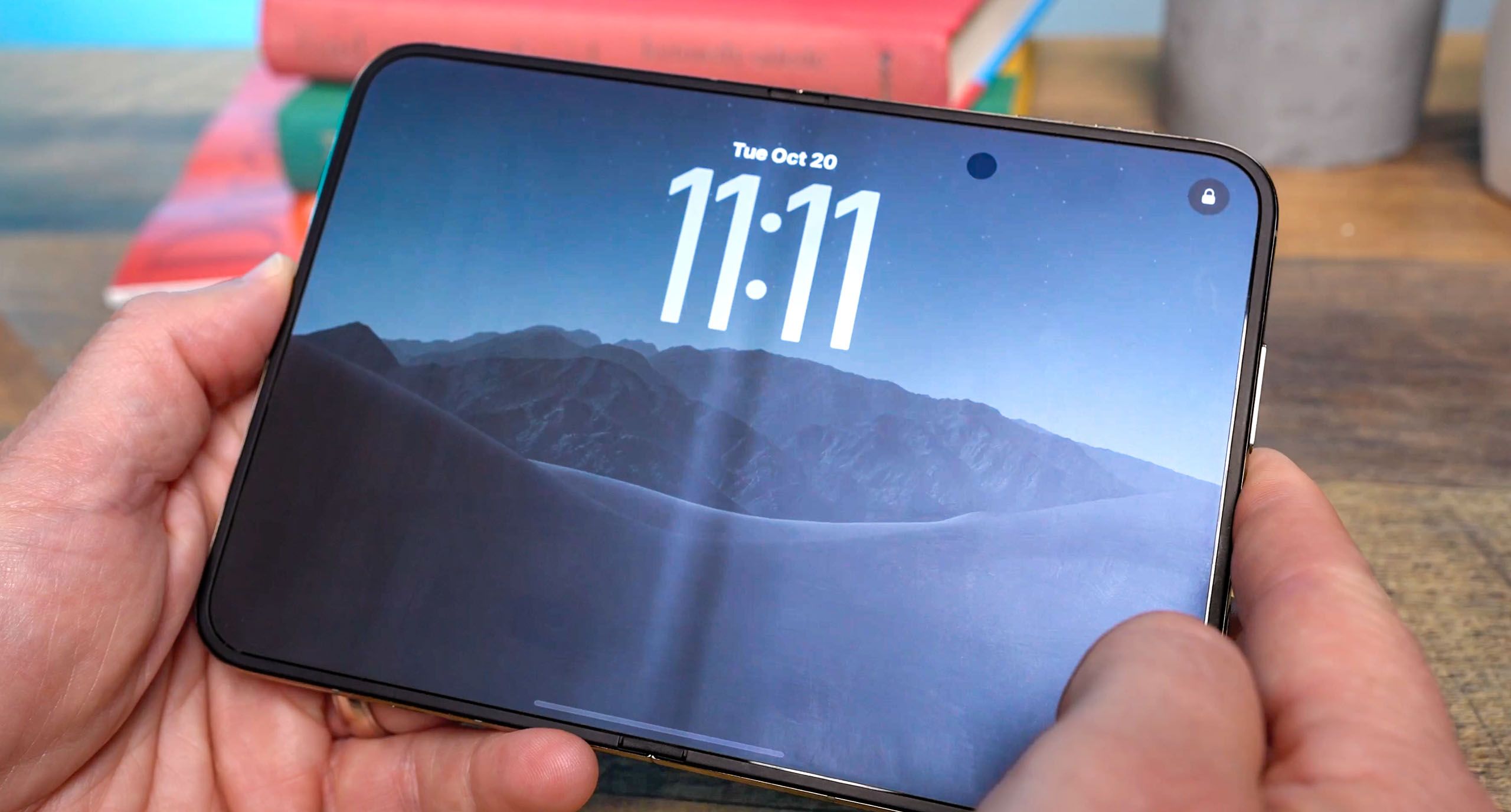
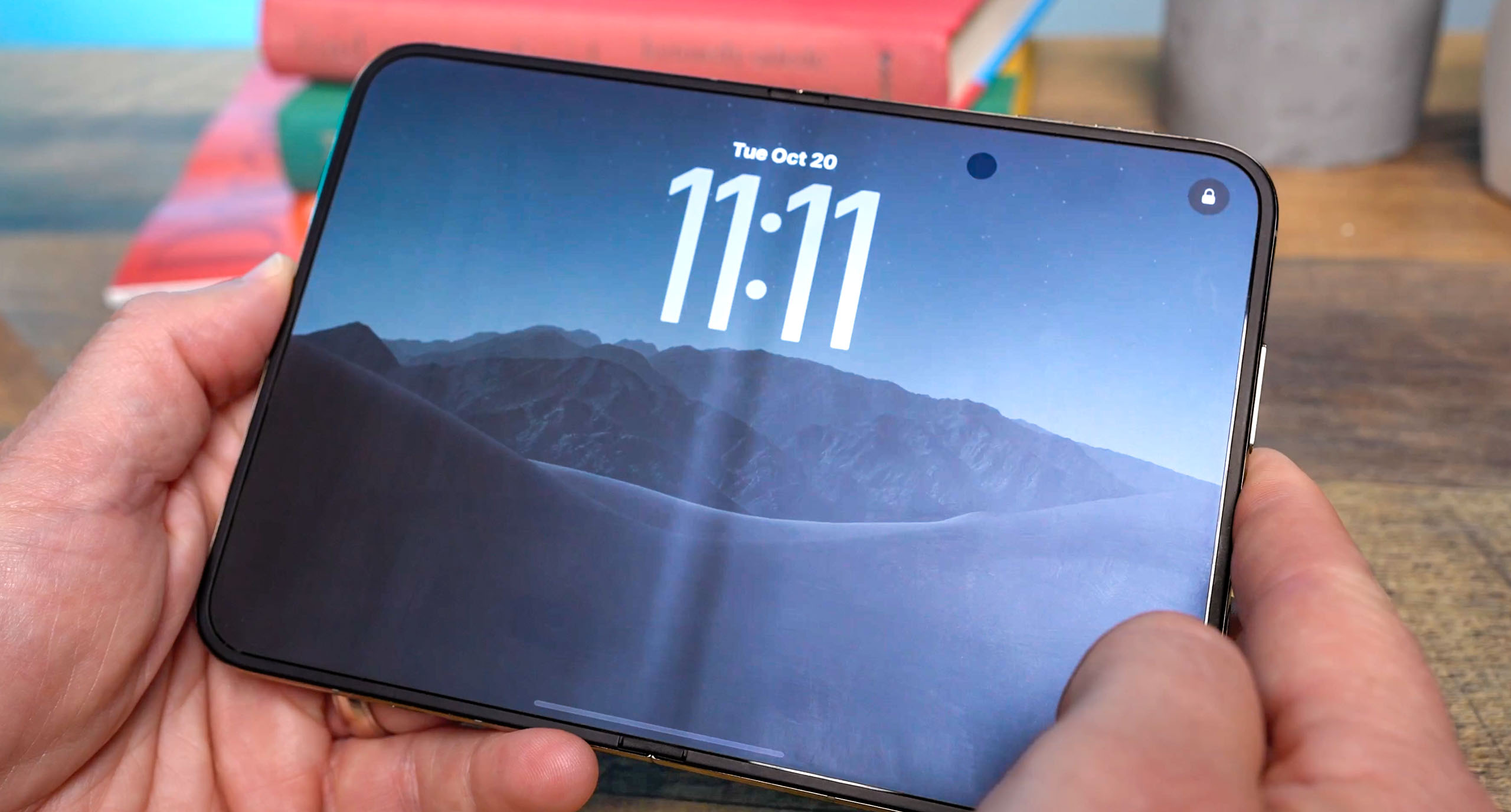
Barely a week after its highly anticipated commercial release, Apple’s flagship foldable entry, the iPhone Duo, has encountered its first major public relations and engineering hurdle. Early adopters taking to social media platforms and consumer forums have reported an alarming number of hairline fractures, stress marks, and sudden display cracks forming directly along the inner screen’s central crease. The issue has taken many industry analysts by surprise, particularly given Apple’s extensive, multi-year developmental pipeline and the company’s aggressive marketing surrounding the near-invisible fold and the structural resilience of its proprietary ultra-thin glass layers.
In response to the growing public concern and mounting media inquiries, Apple has issued an official statement acknowledging the hardware complication. While framing the overall launch as a success characterized by strong consumer demand and rapid developer adaptation, the Cupertino-based tech giant confirmed that it is closely monitoring reports of inner display anomalies on a limited subset of devices. For consumers grappling with these unexpected structural failures, the company has directed affected users to initiate contact with AppleCare to facilitate immediate device evaluations and replacements under warranty terms.
The Technical Reality of First-Generation Foldables
The engineering challenge of creating a durable foldable smartphone has historically vexed nearly every major manufacturer in the consumer electronics space. Unlike traditional rigid slab smartphones protected by solid sheets of aluminosilicate glass, foldable devices require a complex choreography of flexible polymer layers, dynamic hinge mechanisms, and ultra-thin bendable glass substrates. Every time a foldable phone is opened and closed, immense mechanical stress concentrates along the vertical axis of the crease.
Historically, pioneering iterations of foldable technology from rival manufacturers—including Samsung, Google, and Motorola—faced similar growing pains during their initial commercial rollouts. Early generations frequently suffered from protective film delamination, hinge ingress from dust and microscopic debris, and stress fractures along the primary display panel. Industry experts note that while Apple’s entry into the foldable market was anticipated to set new benchmarks for manufacturing tolerances, physical laws and material science limitations continue to present formidable obstacles for first-generation hardware architectures.
Compounding the real-world technical challenges for Apple is a modern digital phenomenon: the proliferation of misleading content across social media ecosystems. In the days following the initial reports of display failures, platform moderators and community watchdogs identified a wave of fabricated images and videos circulating online. Several viral posts purporting to show catastrophic iPhone Duo screen failures were subsequently exposed as AI-generated fakes or repurposed footage from older, unrelated foldable device models. Despite these digital fabrications muddying the waters, verified instances of genuine manufacturing and material stress failures have been substantiated by early buyers and tech reviewers, prompting Apple’s official intervention.
Apple’s Official Response and Warranty Protocol
Apple’s official statement attempts to balance enthusiasm for the device’s broader market reception with pragmatic customer support guidelines. A company spokesperson emphasized the positive trajectory of the product launch while directly addressing the hardware setbacks:
"The response to iPhone Duo from early users has been incredibly positive, and we are seeing exciting things from developers who are rapidly updating their apps to take advantage of its unique form factor. We are aware of an issue impacting the inner display on a small number of iPhone Duo units. If users experience issues with their iPhone Duo display, they should contact AppleCare for a replacement."
For consumers who invested heavily in the first-generation foldable—which commands a significant financial premium over standard flagship smartphones—navigating the warranty landscape is critical. Under Apple’s standard limited hardware warranty, manufacturing defects, unexpected component failures, and structural anomalies that occur without external trauma are fully covered. However, customer service representatives will carefully inspect returned units for signs of accidental damage, such as impact points from drops, pressure marks from foreign objects trapped between the closing screens, or intentional misuse. Users experiencing unexplained crease failures are advised to document the issue and contact Apple support channels immediately rather than attempting unauthorized third-party repairs.
Broader Market Implications for the Mobile Industry
The early hardware struggles of the iPhone Duo carry significant implications not only for Apple’s product roadmap, but for the entire smartphone industry. Apple has traditionally delayed entering emerging product categories until component maturity and manufacturing yields reach optimal thresholds, allowing competitors to absorb the initial risks of market education and consumer experimentation. By entering the foldable arena with the iPhone Duo, Apple signaled that the technology had achieved mainstream viability.
However, these early display integrity issues demonstrate that foldable technology remains a delicate proposition. Consumer tolerance for hardware defects on a device costing upwards of $1,500 to $2,000 is exceptionally low. If the failure rate among early units remains statistically anomalous, the impact on Apple’s brand equity will likely be minimal, mitigated by efficient warranty replacements and subsequent manufacturing adjustments. Conversely, if the crease-crack phenomenon scales into a broader recall or systemic hardware crisis, it could temporarily dampen consumer confidence in foldable form factors as daily-driver devices.
As developers continue to optimize iOS applications for the dual-screen and foldable canvas, the long-term success of the iPhone Duo will depend heavily on Apple’s ability to resolve these initial supply chain and material stress variables. For now, early adopters remain on the front lines of testing next-generation mobile engineering, with the tech community watching closely to see how effectively Apple manages hardware quality control in an entirely new product category.