Apple Adjusts Trade-In Valuations and Unveils the OLED iPad Mini 8 Amid Anticipated Hardware Price Increases

Apple Inc. has officially announced the upcoming release of the highly anticipated iPad mini 8, marking a monumental shift for the company’s compact tablet lineup as the first small-form-factor device to feature an advanced OLED display. Revealed during the technology conglomerate’s multi-day "Pro and Tell" product showcase, the new iPad mini comes equipped with Apple’s cutting-edge A20 Pro processor, promising substantial leaps in processing capability, energy efficiency, and graphics rendering. However, these substantial hardware upgrades are accompanied by a notable price adjustment. The baseline model of the iPad mini 8 will start at $699, representing a $100 price increase over its predecessor. For consumers opting for structured payment plans, the device will be available at approximately $58.25 per month over a 12-month period.
To soften the blow of rising retail prices across its ecosystem—which are also anticipated to impact upcoming MacBook iterations—Apple has concurrently revised its official trade-in valuation schedules. By boosting trade-in payouts for older iPads, MacBooks, and desktop hardware by up to $20 on select models, the company aims to incentivize upgrades and mitigate the financial friction associated with its latest hardware releases.
Background Context of the "Pro and Tell" Event
The introduction of the iPad mini 8 occurs within the framework of Apple’s curated "Pro and Tell" product rollout week, an aggressive autumn hardware campaign designed to refresh the company’s core computing and mobile lines ahead of the crucial holiday shopping season. Industry analysts have closely tracked the development of small-form OLED screens, noting that manufacturing hurdles and supply chain constraints have previously restricted OLED panels primarily to the high-end iPad Pro and iPhone families.

By scaling OLED technology down to the 8-inch form factor, Apple is addressing longstanding consumer demands for deeper contrast ratios, true blacks, and enhanced peak brightness in a portable device. Coupled with the integration of the A20 Pro chip, the iPad mini 8 bridges the performance gap between ultra-portable media consumption devices and professional-grade workstations, setting a new benchmark for what compact tablets can achieve.
Anticipated MacBook Pro and Desktop Releases
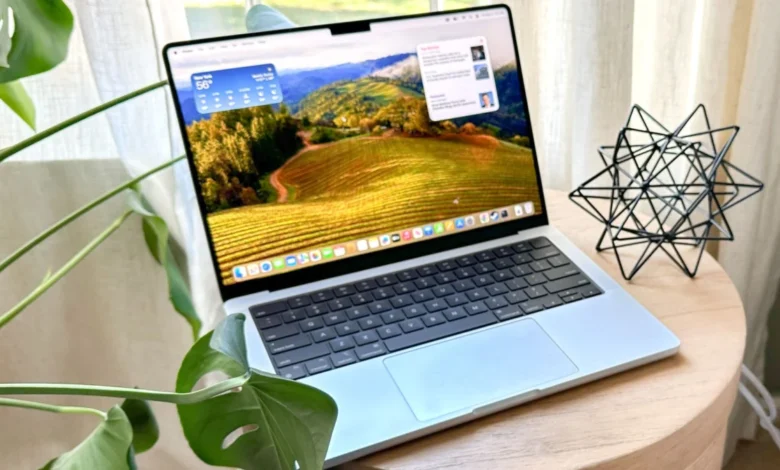
As the week progresses, market attention is shifting swiftly from tablets to personal computers. Apple is widely expected to debut refreshed MacBook Pro models featuring the M6 silicon architecture, building upon the thermal and computational efficiency benchmarks recently established by the updated Mac mini. Furthermore, industry insiders suggest that Apple may introduce its first-ever touchscreen MacBook Pro featuring an OLED panel, a radical departure from the company’s historical stance on touch interfaces for macOS-powered laptops.
These advanced features, however, are expected to command a premium. Projections indicate that the next-generation OLED MacBook Pro configurations could easily push past the $3,000 threshold at launch. Consequently, the simultaneous recalibration of Apple’s trade-in values assumes strategic importance, providing existing device owners with a viable financial offset against escalating hardware costs.
Official Trade-In Valuation Schedule

Apple’s updated trade-in values vary significantly depending on the product category, device generation, and physical condition. The maximum estimated payouts reflect devices returned in pristine operating order.
For consumers looking to offset the cost of the new iPad mini 8, the revised iPad trade-in values are structured as follows:
- iPad Pro: Up to $915
- iPad Air: Up to $525
- iPad mini: Up to $340
- Standard iPad: Up to $300
For those eyeing the anticipated high-end MacBook releases, desktop and laptop trade-in values offer a more substantial potential credit:
- Mac Pro: Up to $2,560
- Mac Studio: Up to $1,700
- MacBook Pro: Up to $1,435
- MacBook Air: Up to $795
- Mac mini: Up to $645
- iMac: Up to $440
- iMac Pro: Up to $340
Apple representatives emphasize that these figures represent maximum potential valuations. Devices exhibiting structural damage, battery degradation, or functional impairments will receive adjusted evaluations upon physical or digital inspection.
Release Timeline and Availability

The commercial rollout for Apple’s newly announced autumn hardware follows a traditional pre-order and fulfillment cadence. Official pre-orders for the iPad mini 8 are scheduled to open on Wednesday, October 28, with physical retail availability and customer shipments commencing globally on November 6.
Industry analysts expect the anticipated MacBook and desktop lineup to follow a nearly identical trajectory, with pre-orders opening shortly after their official unveiling and retail distribution initiating within a fortnight.
Step-by-Step Guide to the Apple Trade-In Process
Navigating Apple’s trade-in program can be accomplished through two primary channels: online during the purchase checkout process, or in person at any official Apple retail brick-and-mortar location.
In-Store Trade-In Procedure:

- Back up all personal data using iCloud, Time Machine, or a local external storage drive.
- Unpair any connected peripherals, including Apple Watches, wireless keyboards, or mice.
- Sign out of personal Apple services, including iCloud, the App Store, and iTunes, to disassociate the hardware from your Apple ID.
- For iPad models, device erasure is not strictly necessary prior to arrival, as an in-store Apple specialist will guide the user through the secure data-wiping process. For Mac computers, users are advised to erase the hard drive and reinstall the native macOS operating system beforehand.
- Present the device to a specialist for a physical evaluation. If the device holds residual trade-in value, an instant credit or Apple Gift Card will be issued. If the device possesses zero market value, Apple provides free environmental recycling.
Online Trade-In Procedure:
- Locate the serial number of the device intended for trade-in.
- Select the trade-in option while configuring and purchasing a new Apple product on the official Apple website.
- Complete the hardware purchase and look for a trade-in confirmation email, which will outline comprehensive instructions for data backup and device preparation.
- Mail the device back to Apple using the prepaid shipping materials provided, or drop the packaged unit off at a local Apple Store. Once inspected and verified, Apple will apply a refund to the original payment method or issue an Apple Gift Card.
Broader Market Implications and Economic Analysis
The simultaneous introduction of premium hardware features and increased entry-level pricing highlights a broader industry trend toward hardware tiering and value retention strategies. As global component costs—particularly for advanced OLED displays and sub-3nm semiconductor fabrication nodes—continue to rise, hardware manufacturers are increasingly forced to pass development expenses onto the consumer base.
However, by aggressively subsidizing upgrades through enhanced trade-in frameworks, Apple effectively maintains the velocity of its device replacement cycles. This circular economy model not only encourages consumer loyalty within the entrenched Apple ecosystem but also secures a steady stream of reclaimed raw materials and components for refurbishment or recycling. As competitors evaluate consumer resistance to rising tech prices, the success of Apple’s dual approach—pairing high-cost innovation with structured financial offsets—will likely serve as an important barometer for the broader consumer electronics market.