The AI-Powered Laptop Revolution: Enhancing Modern Productivity Through Intelligent Computing

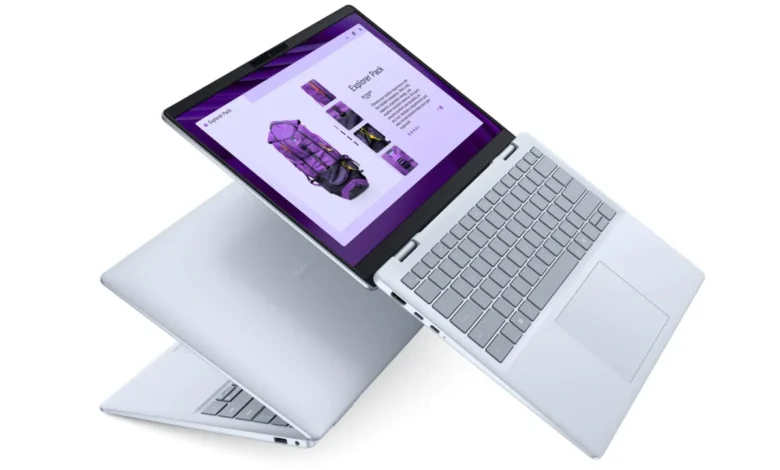
AI-powered laptops and Copilot+ PCs are becoming increasingly relevant as the fundamental ways in which people utilize their portable computing devices have undergone a profound transformation in recent years. Contemporary daily routines are now intrinsically interwoven with demands for seamless multitasking, robust cloud collaboration, frequent video conferencing, continuous content streaming, and a suite of productivity tools that remain actively engaged throughout the entire day. This evolution has moved beyond the traditional confines of document creation and web browsing, ushering in an era where laptops are expected to be intelligent partners in a dynamic work environment.
The modern professional’s workday is a complex symphony of AI-assisted meetings, a multitude of browser tabs running concurrently with essential productivity applications, intricate file organization across diverse platforms, and the fluid switching between various communication channels, often while working remotely or navigating the demands of travel. This significant shift has consequently fueled a heightened demand for laptops that not only perform but also feel demonstrably smarter, exhibit superior responsiveness, and are meticulously optimized for the complexities of modern productivity demands.
It is precisely within this evolving landscape that AI-powered systems are beginning to assert their growing importance. Features such as intelligent automatic battery optimization, sophisticated AI-assisted workflow management, enhanced multitasking capabilities, and advanced meeting enhancements are not merely novel additions for the sake of innovation; rather, they are meticulously designed to actively reduce friction and streamline everyday user experiences.
Leading manufacturers are recognizing this paradigm shift. For instance, Dell’s recent offerings, including the Dell 14 Plus, Dell 16 Plus, and the flagship XPS 13, are specifically engineered to support these increasingly AI-assisted experiences by striking a delicate balance between portability, responsiveness, and sustained everyday performance. Across the broader category, Copilot+ PCs are increasingly being conceptualized and designed to profoundly improve the user experience of everyday tasks across work, education, creative pursuits, and general personal use, moving AI from a futuristic concept to an integrated reality.
What Constitutes an AI-Powered Laptop or Copilot+ PC?
At its core, an AI-powered laptop or a Copilot+ PC is architected to adeptly handle specific AI-assisted tasks directly on the device itself, while simultaneously enhancing background productivity workflows. A key differentiator in modern AI PCs is the incorporation of dedicated AI processing hardware, known as a Neural Processing Unit (NPU). Unlike traditional systems that rely solely on the Central Processing Unit (CPU) or Graphics Processing Unit (GPU) for all computational tasks, the NPU is specifically engineered to manage AI-related computations with significantly greater efficiency and considerably lower power consumption.
While the technical specifications of NPUs and their TOPS (trillions of operations per second) ratings are important benchmarks for performance, for the vast majority of users, the tangible user experience is paramount. In practical terms, AI-powered laptops are designed to fundamentally improve how systems manage multitasking, optimize battery efficiency, enhance video conferencing quality, and automate routine workflows. Instead of requiring constant manual adjustments from the user, these intelligent systems can dynamically optimize workloads based on the immediate usage patterns of the laptop.
A prime example of this can be observed in AI-assisted video call enhancements. These features can automatically elevate microphone clarity, effectively manage background distractions, provide realistic eye contact correction, and optimize framing during virtual meetings. Furthermore, AI optimization plays a crucial role in prioritizing active applications during intensive multitasking sessions, thereby ensuring that the system feels smoother and more responsive even when a multitude of applications are open simultaneously.
Copilot+ PCs also place a significant emphasis on workflow assistance. Features such as more intelligent search capabilities, context-aware productivity suggestions, streamlined task organization, efficient summarization tools, and AI-augmented writing workflows are progressively becoming integral components of the modern laptop experience.
Crucially, the development of AI-powered laptops is not solely focused on raw speed or brute-force performance. The overarching objective is to cultivate workflows that feel more seamless, intuitive, and less disruptive during the course of everyday use.
Systems like the Dell 14 Plus are naturally positioned to integrate seamlessly into these mainstream AI productivity workflows. They achieve this by offering a compelling balance of portability, responsiveness, and the flexibility required for modern work routines. The Dell 16 Plus, conversely, is tailored to support users who dedicate more of their workday to intensive multitasking within larger productivity environments. The XPS 13, renowned for its premium design and mobility, is an equally strong contender for users who prioritize portability and lightweight yet powerful AI performance.
The Evolution of AI in Personal Computing: A Historical Perspective
The concept of artificial intelligence assisting in computing tasks is not entirely new, but its integration into personal devices has accelerated dramatically in recent years. Early attempts at AI in computing were largely confined to research labs and specialized systems. However, the exponential growth in processing power, the availability of vast datasets for training AI models, and significant advancements in machine learning algorithms have paved the way for the AI PCs we see today.
The early 2000s saw the emergence of "smart" features in software, like predictive text and basic grammar checking. The mid-2010s witnessed the rise of virtual assistants like Siri and Alexa, demonstrating AI’s potential for natural language processing and task execution. However, these primarily relied on cloud-based processing. The true shift towards on-device AI processing began with the development of dedicated AI accelerators and the integration of NPUs into processors, allowing for more complex AI tasks to be performed locally, leading to lower latency and enhanced privacy. Microsoft’s formal introduction of the Copilot+ PC initiative in mid-2024 marked a significant milestone, defining a new standard for AI integration in Windows laptops. This initiative, coupled with hardware requirements like the 45 TOPS NPU, signals a concerted effort to mainstream AI capabilities in the personal computing segment.
How AI Enhances Everyday Productivity Workflows
The increasing utility of AI-powered laptops stems from the fact that many of their core features directly augment existing everyday productivity workflows, rather than demanding entirely new methods of working.
One of the most compelling illustrations of this is in the realm of meeting management. AI-assisted tools are now capable of summarizing lengthy discussions, effectively mitigating background noise, improving vocal clarity for all participants, and more efficiently organizing follow-up information post-meeting. For professionals who dedicate a substantial portion of their week to video conferencing, these incremental improvements can significantly reduce friction and enhance overall productivity throughout the workday.
AI also plays a pivotal role in making multitasking feel considerably smoother, even during demanding workflows. A typical modern work session might involve juggling numerous browser tabs, intricate spreadsheets, constant messaging app notifications, dynamic presentations, and simultaneous video calls. AI-assisted optimization can intelligently prioritize active tasks, thereby boosting responsiveness and managing system resources more effectively during these complex scenarios.
Systems such as the Dell 14 Plus are meticulously designed with these mainstream AI-assisted productivity workflows in mind. They cater to users who desire smoother day-to-day performance without the burden of carrying heavier, less portable systems. The Dell 16 Plus, on the other hand, finds its natural place in multitasking-intensive environments where users spend more time working across expansive productivity layouts or concurrently managing a wide array of applications.
AI-driven productivity tools are also revolutionizing organization and workflow management. Features like more intelligent file search capabilities, context-aware recommendations, proactive task assistance, and AI-powered summarization tools can substantially reduce the time users spend manually sorting through vast amounts of information.
Users frequently navigate a complex ecosystem of applications, communication channels, creative tools, and collaborative platforms throughout their day. This makes the integration of AI-assisted features increasingly valuable. Another significant advantage is the reduction of interruptions. Instead of requiring users to actively manage performance settings or troubleshoot responsiveness issues, AI-assisted systems can adapt automatically and intelligently based on prevailing workload conditions.
While this may seem like a minor distinction, over the course of extended workdays, it can contribute to workflows that feel faster, more organized, and less mentally taxing. The fundamental goal of modern AI PCs is not to entirely replace established productivity habits. Instead, their purpose is to systematically eliminate the smaller, often frustrating workflow impediments that cumulatively slow individuals down throughout their day.
Data Supporting AI’s Impact: A Glimpse at Productivity Gains
While specific, universally published data on the productivity gains from AI-powered laptops is still emerging, industry trends and anecdotal evidence point towards significant improvements. For instance, surveys indicate that professionals spend an average of 5-7 hours per week in video meetings. AI-driven features that reduce meeting time through efficient summarization or improve clarity could reclaim substantial hours. Furthermore, reports on multitasking challenges suggest that context switching can reduce productivity by up to 40%. AI’s ability to smooth these transitions directly addresses this significant efficiency drain. Companies that have integrated AI into their workflow tools have reported an average increase in employee productivity ranging from 10% to 25%, according to various industry analyses.
Why Battery Optimization and Efficiency Are Crucial in AI PCs
The importance of battery optimization has ascended to a new level of prominence as hybrid work models and mobile productivity continue their upward trajectory. A substantial portion of the modern workforce now spends significant periods away from traditional, fixed desk setups. Travel, remote work arrangements, frequenting coffee shops and co-working spaces, and the general embrace of flexible work environments all necessitate laptops that can sustain performance without constant reliance on power outlets.
This is precisely an area where AI-assisted optimization is proving to be genuinely transformative. AI-powered systems possess the capability to intelligently manage background tasks, dynamically prioritize active applications, and meticulously optimize power usage in accordance with the prevailing workload demands throughout the day. Instead of maintaining maximum performance levels at all times, the system can adapt dynamically, seamlessly adjusting based on the specific manner in which the laptop is being utilized.
For example, during lighter workflows, such as document editing, web browsing, or email management, the system can significantly enhance energy efficiency and curtail unnecessary power consumption. Conversely, when more demanding multitasking begins, resources can be scaled more intelligently to ensure sustained responsiveness without a precipitous drop in battery life.
This inherent flexibility becomes particularly advantageous during travel or extended work sessions conducted away from a power source. Systems like the Dell 14 Plus are inherently aligned with these mobility-focused workflows, offering a harmonious blend of portability and AI-assisted productivity tailored for hybrid work environments. The Dell 16 Plus also adeptly supports professionals who require more robust multitasking capabilities while simultaneously maintaining efficient, all-day productivity during remote work sessions.
The impact of efficiency extends beyond mere battery longevity. It also influences thermal performance, noise levels, and the overall comfort of using a laptop during prolonged workdays. Enhanced optimization can contribute to systems that remain quieter and more consistently performant during everyday productivity tasks. As hybrid work models solidify their position as the norm, efficiency and smarter power management are transitioning from secondary considerations to central pillars of the overall laptop user experience.
What Features Define a Leading Copilot+ PC?
Selecting an AI-powered laptop or Copilot+ PC is less about identifying the absolute most powerful hardware and more about discerning which specific features demonstrably enhance user workflows.
Key features that are paramount in a modern AI PC include:
Battery Optimization and AI-Assisted Power Management
AI-assisted power management is fundamental for enhancing efficiency during full-day productivity sessions and supporting unplugged workflows. This intelligent management allows for sustained usage across diverse scenarios, from light browsing to demanding applications.
Systems such as the Dell 14 Plus are inherently designed to support portable AI-assisted workflows, while the Dell 16 Plus is better suited for larger multitasking environments. For users who prioritize ultimate portability, the XPS 13 elegantly combines a lightweight, premium design with advanced AI-assisted features and everyday versatility. For individuals engaged in more demanding crossover workflows, involving advanced multitasking or intensive productivity workloads, the XPS 14 also offers a compelling solution, seamlessly integrating into these environments without resorting to an overly specialized or spec-heavy setup.
Why AI-Powered Laptops Are Gaining Undeniable Relevance
The increasing relevance of AI-powered laptops can be directly attributed to the evolving nature of everyday computing, which has become progressively more demanding and fragmented over time. The widespread adoption of remote work, the rise of hybrid collaboration models, a significant increase in multitasking demands, and the pervasive use of cloud-based productivity tools have fundamentally reshaped how individuals interact with their laptops throughout the day. Many users now routinely spend hours seamlessly switching between virtual meetings, disparate messaging platforms, numerous browser tabs, complex presentations, and collaborative tools, often without substantial breaks between tasks.
In response to these evolving user needs, manufacturers have been diligently developing systems that manage workflows with enhanced intelligence and efficiency. AI-assisted optimization serves as a critical mechanism for reducing the smaller, often insidious interruptions that tend to impede progress during busy workdays. Features such as automatic workload balancing, advanced meeting enhancements, and intelligent battery optimization are meticulously designed to improve consistency and user experience rather than to dramatically alter fundamental work methodologies.
AI PCs have successfully transcended their status as niche technology and have firmly established themselves as practical, everyday productivity devices. Systems like the Dell 14 Plus and Dell 16 Plus are particularly well-aligned with these evolving user expectations, effectively balancing AI-assisted productivity with essential portability and real-world usability. The XPS 13, meanwhile, offers an exceptional fusion of portability, premium design, and modern AI-assisted experiences for users who are constantly on the move.
Crucially, the burgeoning relevance of AI-powered laptops is not predicated on replacing established productivity workflows. Instead, their true value lies in their ability to make those existing workflows feel smoother, faster, and more manageable within increasingly demanding and dynamic work environments.
Frequently Asked Questions (FAQs)
What Is an AI-Powered Laptop?
An AI-powered laptop is a computing device equipped with specialized hardware and software designed to enhance AI-assisted tasks. These tasks include workflow optimization, video conferencing improvements, sophisticated multitasking management, and productivity automation. The primary objective is to make everyday workflows feel more fluid and efficient during regular usage.
What Is a Copilot+ PC?
A Copilot+ PC represents a new category of Windows laptops engineered to deliver advanced AI experiences directly on the device. To qualify, a laptop must feature a Neural Processing Unit (NPU) capable of achieving at least 45 TOPS (trillions of operations per second) of AI processing power. This dedicated AI hardware underpins features such as AI-assisted productivity, accelerated on-device AI processing, smarter multitasking capabilities, and more efficient power management, ultimately leading to smoother everyday workflows without an over-reliance on cloud connectivity.
Are AI PCs Worth the Investment?
AI PCs offer significant value for individuals who regularly engage in multitasking, participate in numerous video meetings, or work extensively across multiple productivity applications throughout their day. Features like intelligent optimization, dedicated workflow assistance, and advanced battery management can substantially improve overall efficiency during demanding work routines.
Do AI PCs Enhance Battery Life?
Yes, AI PCs can contribute to improved battery efficiency through more intelligent workload management and background process optimization. Instead of maintaining peak performance constantly, the system can dynamically allocate resources based on the laptop’s usage patterns throughout the day.
What Are the Most Important Features in an AI Laptop?
The most critical features in an AI laptop encompass responsiveness, robust multitasking performance, portability, advanced battery optimization, display comfort, and practical AI-assisted workflow functionalities. The most effective systems prioritize tangible improvements in real-world productivity experiences over mere technical AI capabilities.
Conclusion
AI-powered laptops and Copilot+ PCs are steadily growing in utility and relevance as modern productivity workflows become increasingly demanding and heavily reliant on multitasking. Users now have elevated expectations for their laptops to seamlessly manage video conferences, handle browser-intensive workflows, integrate collaborative tools, facilitate efficient file organization, and run a suite of productivity applications simultaneously, all without introducing disruptive interruptions during the workday.
This is precisely where AI-assisted optimization is beginning to make a discernible and positive difference. Features such as enhanced multitasking management, advanced meeting functionalities, streamlined workflow automation, and intelligent battery optimization are meticulously designed to improve everyday productivity experiences in practical, tangible ways.
Crucially, the true value proposition of AI PCs does not lie in futuristic concepts or intricate technical complexity. The genuine benefit is derived from reducing friction within everyday workflows, enabling systems to feel more responsive, organized, and efficient across a diverse range of work environments. Systems like the Dell 14 Plus, Dell 16 Plus, XPS 13, and XPS 14 are naturally aligning with these evolving productivity expectations by offering a sophisticated balance of portability, workflow flexibility, and AI-assisted computing experiences tailored for contemporary work routines.