The Ultimate Rugged Smartwatch Showdown: Apple Watch Ultra 3 vs. Samsung Galaxy Watch Ultra 2 for Outdoor Adventures

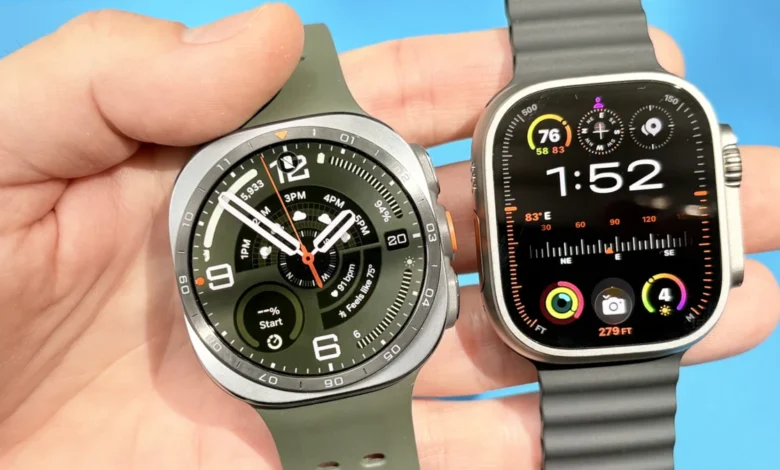
The landscape of high-performance smartwatches has evolved dramatically, with manufacturers increasingly targeting the adventurous user who demands durability, advanced tracking capabilities, and seamless integration into their outdoor pursuits. Two prominent contenders in this burgeoning market are the Apple Watch Ultra 3 and the Samsung Galaxy Watch Ultra 2. While both devices promise to be the ultimate companions for everything from rigorous hikes to deep-sea dives, their real-world performance in tracking everyday activities like walking can offer a crucial glimpse into their overall accuracy and reliability. To put these claims to the test, a direct comparison was conducted, pitting the Apple Watch Ultra 3 against the Samsung Galaxy Watch Ultra 2 in a meticulously controlled experiment: a 4,000-step walk, with each smartwatch strapped to a different wrist. This article delves into the methodology, results, and implications of this comparative analysis, aiming to provide a clear verdict for consumers seeking the apex of rugged smartwatch technology.
The Contenders: A Feature-Rich Comparison
Before delving into the practical testing, it’s essential to understand the key specifications and differentiating factors of the Apple Watch Ultra 3 and the Samsung Galaxy Watch Ultra 2. These devices are not merely incremental upgrades but represent the pinnacle of their respective ecosystems, designed to cater to users who push the boundaries of what a smartwatch can do.
The Apple Watch Ultra 3, the latest iteration from Apple, is positioned as a premium offering for those who require robust performance and extensive health and fitness tracking. It boasts a rugged titanium case, enhanced water resistance, and a brighter, larger display compared to its predecessors. For iOS users, it offers unparalleled integration with the Apple ecosystem, providing access to a vast array of apps and services. Its suite of sensors is comprehensive, including a sophisticated heart rate monitor, blood oxygen sensor, and an ECG app, all designed to provide deep insights into the user’s physiological state. For outdoor enthusiasts, features like the precision dual-frequency GPS, a depth gauge, and an improved action button are particularly noteworthy. The device also comes with advanced safety features such as fall detection and crash detection.
On the other side of the ring is the Samsung Galaxy Watch Ultra 2, Samsung’s answer to the demanding user. This device also features a robust build, typically incorporating titanium or a similar durable alloy, and a design optimized for extreme conditions. Its operating system, Wear OS powered by Samsung, offers a different user experience, with a strong emphasis on integration with the Android ecosystem. The Galaxy Watch Ultra 2 typically boasts a brighter AMOLED display, often lauded for its vibrancy and clarity even in direct sunlight. Its health and fitness tracking capabilities are equally impressive, with a suite of sensors including heart rate, body composition analysis, and advanced sleep tracking. A standout feature for the Galaxy Watch Ultra 2 is its enhanced AI capabilities, with on-wrist AI assistants that can provide real-time insights and assistance. Like the Apple Watch Ultra 3, it features dual-band GPS for precise location tracking and a high degree of water resistance, making it suitable for water sports and diving.
Price and Ergonomics: Initial Impressions
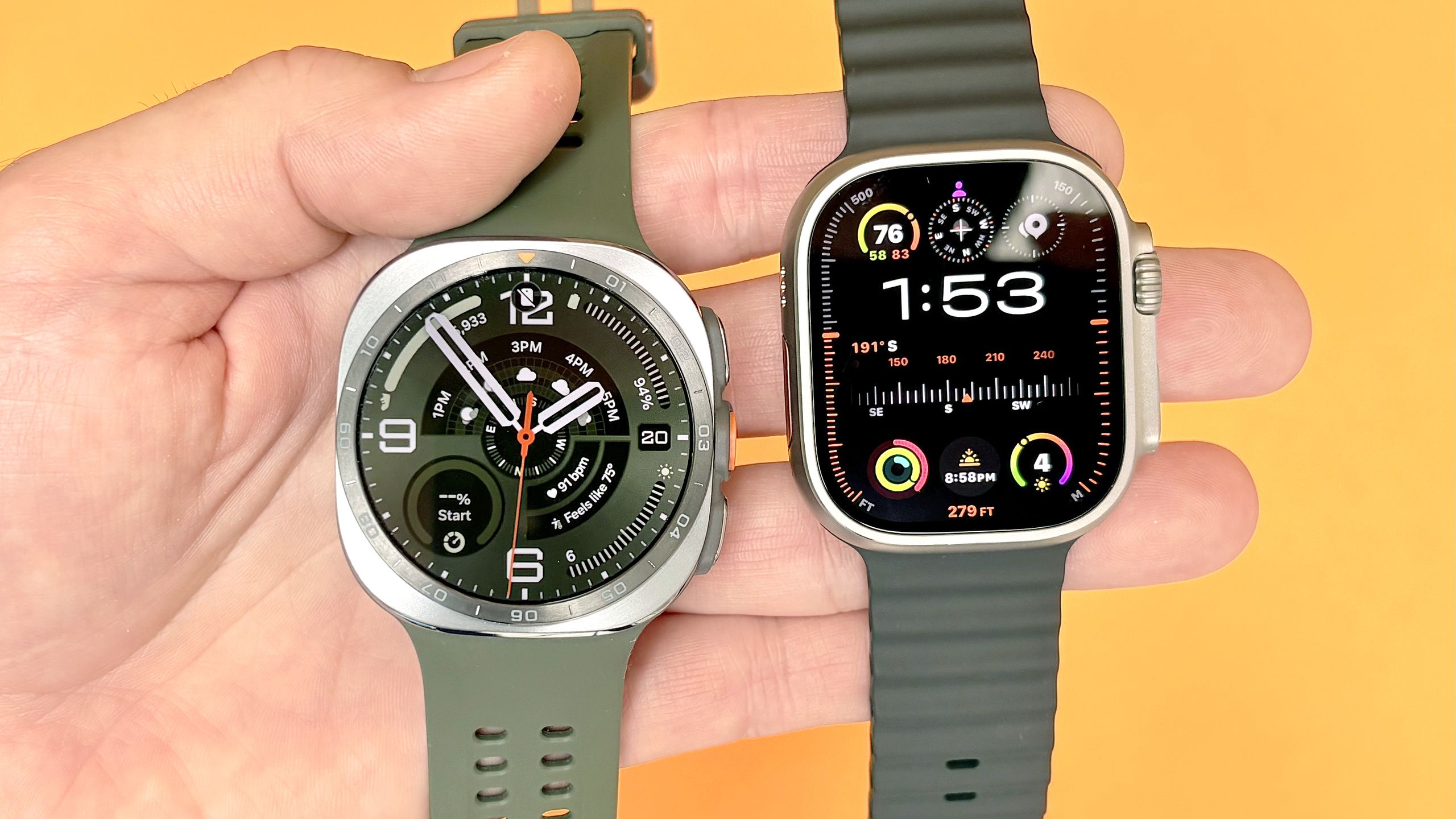
A significant differentiating factor between these two premium devices is their price point. The Apple Watch Ultra 3 is positioned at the higher end of the market, typically retailing for $799. This premium pricing reflects Apple’s brand positioning and the extensive research and development invested in its ecosystem. In contrast, the Samsung Galaxy Watch Ultra 2 is generally more accessible, often priced at $699. This price difference, while substantial, may influence purchasing decisions for budget-conscious consumers, even within the premium smartwatch segment.
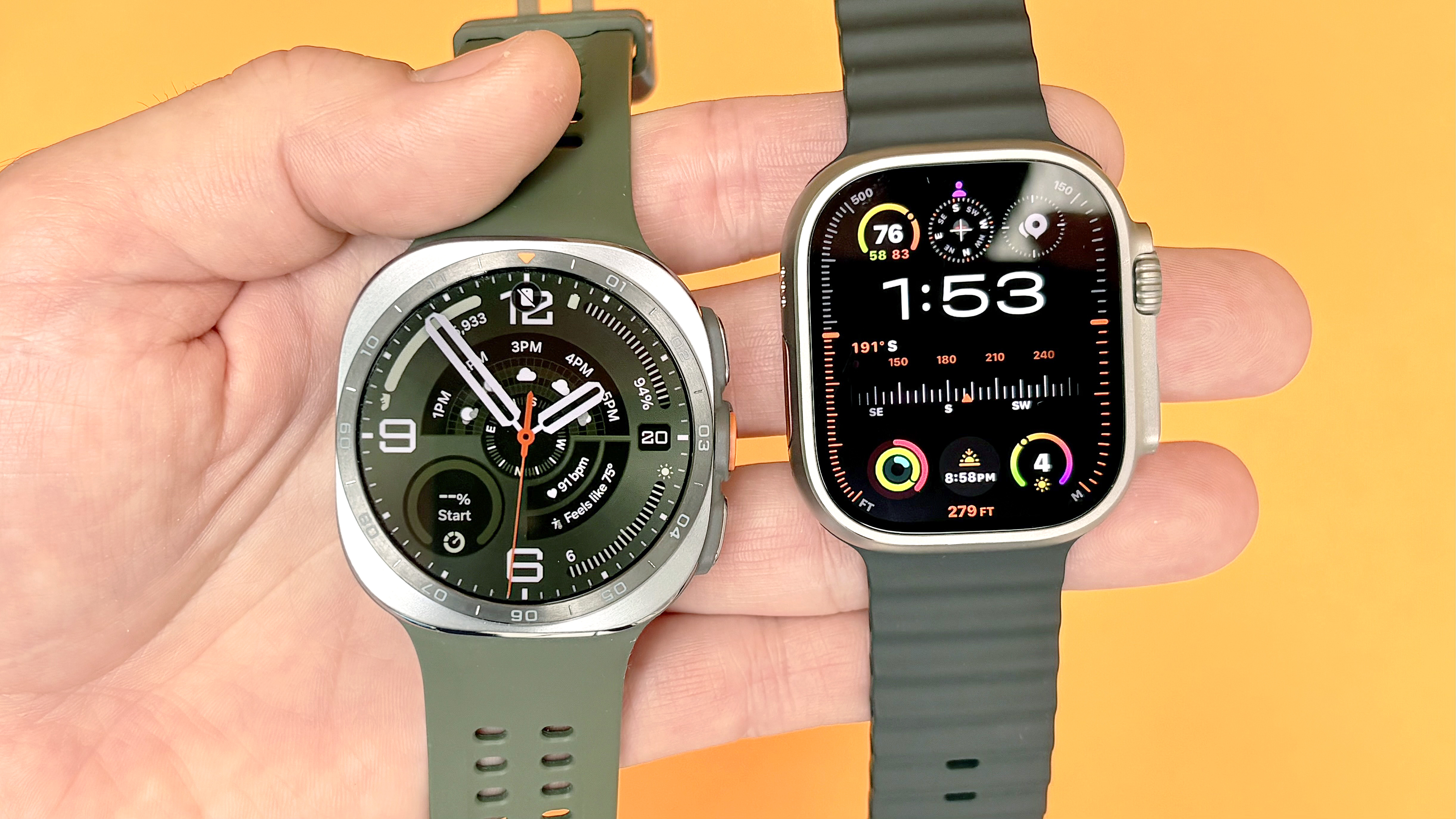
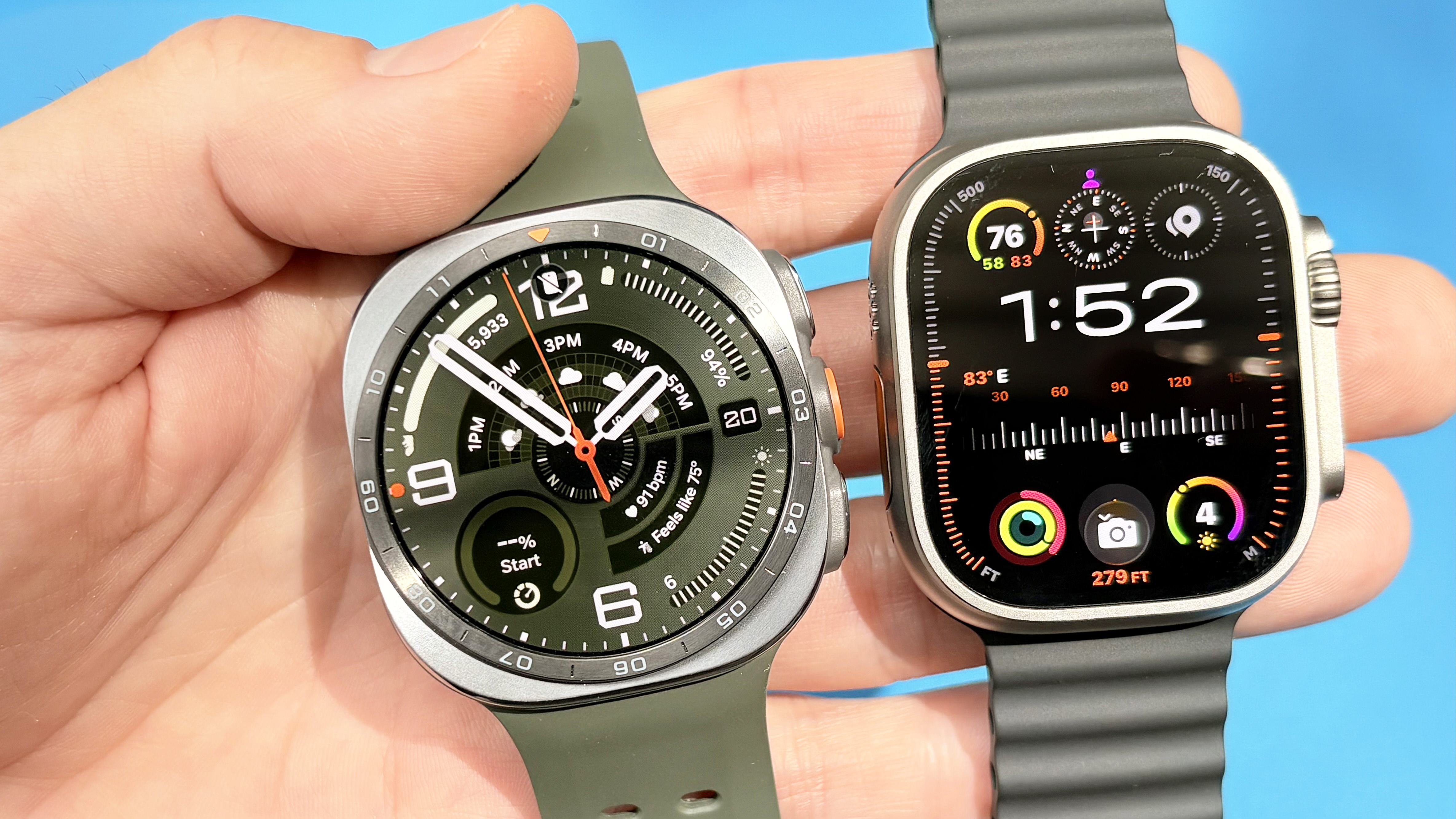
Beyond the financial aspect, the physical design and comfort of the watches play a crucial role in their usability, especially during extended wear and vigorous activity. Initial impressions suggest that the Apple Watch Ultra 3 offers a slightly more comfortable fit for some users. Its design is noted as being thinner and narrower, which can contribute to a more ergonomic feel on the wrist, particularly for individuals with smaller wrists or those who prefer a less obtrusive device. Despite these differences in profile, the two smartwatches typically weigh roughly the same, indicating a comparable use of materials and internal components. The tactile feel of the buttons and crowns, as well as the overall finish of the materials, are often subjective but contribute to the overall premium experience of each device.
The Controlled Experiment: A 4,000-Step Accuracy Test
To objectively assess the fitness tracking capabilities of both smartwatches, a controlled walk was undertaken. The primary objective was to establish a benchmark for accuracy in counting steps, a fundamental metric for any fitness tracker. The methodology involved manually counting 4,000 steps by the tester. This manual count served as the "ground truth" or control measurement.
For additional data points such as distance, elevation gain, and pace, the widely respected Strava app was utilized. Strava, a popular platform for athletes, is known for its sophisticated algorithms and GPS tracking, providing a reliable secondary control for these metrics. By comparing the data logged by both the Apple Watch Ultra 3 and the Samsung Galaxy Watch Ultra 2 against this established control, a clear picture of their respective accuracies could be formed.
The walk was conducted over a consistent terrain, minimizing variables such as significant inclines or declines that could disproportionately affect GPS readings. The duration of the walk was approximately 35 minutes, a reasonable timeframe to observe potential discrepancies in step counting and distance logging. During the walk, both smartwatches were actively recording the activity, utilizing their respective fitness tracking software and sensor arrays.
Walk Test Results: A Detailed Breakdown
The results of the 4,000-step walk test revealed a remarkably close performance between the two leading rugged smartwatches. This finding underscores the significant advancements in sensor technology and algorithmic precision that both Apple and Samsung have achieved.
Step Count:
The manual count established a precise 4,000 steps. The Samsung Galaxy Watch Ultra 2 logged 4,023 steps, a difference of just 23 steps, or approximately 0.58%. The Apple Watch Ultra 3 recorded 3,924 steps, a deviation of 76 steps, or 1.9%. Both figures fall well within the generally accepted margin of error for step counting, which is typically around 5-10%. However, the Samsung watch demonstrated a slightly higher degree of accuracy in this specific test, coming closer to the precise manual count.
Distance:
The Strava app, acting as the control for distance, logged 2.17 miles. The Apple Watch Ultra 3 recorded 2.11 miles, a difference of 0.06 miles, or approximately 2.76%. The Samsung Galaxy Watch Ultra 2 logged 2.09 miles, a difference of 0.08 miles, or approximately 3.69%. In this metric, the Apple Watch Ultra 3 was marginally closer to the control distance.
Climb (Elevation Gain):
The Strava control registered 362 feet of elevation gain. The Apple Watch Ultra 3 reported 372 feet, a difference of 10 feet, or approximately 2.76%. The Samsung Galaxy Watch Ultra 2 logged 358 feet, a difference of 4 feet, or approximately 1.1%. The Samsung watch demonstrated superior accuracy in logging elevation gain in this test.
Average Pace:
Strava’s control pace was 16 minutes and 48 seconds per mile. The Apple Watch Ultra 3 recorded an average pace of 17 minutes and 09 seconds per mile, a difference of 21 seconds. The Samsung Galaxy Watch Ultra 2 logged an average pace of 17 minutes and 05 seconds per mile, a difference of 17 seconds. Both devices were very close to the control pace, with the Samsung watch being slightly more aligned.
Heart Rate Monitoring:
Both devices provided comparable heart rate data. The Samsung Galaxy Watch Ultra 2 recorded an average heart rate of 128 bpm and a maximum of 160 bpm. The Apple Watch Ultra 3 reported an average of 130 bpm and a maximum of 158 bpm. These figures are closely aligned, suggesting robust heart rate sensor performance from both.
Calories Burned:
A notable difference emerged in the calorie expenditure calculation. The Apple Watch Ultra 3 estimated 299 calories burned, while the Samsung Galaxy Watch Ultra 2 calculated 237 calories. Without a direct control for calorie expenditure, it’s difficult to definitively declare one more accurate. However, the Apple Watch’s higher reading could be attributed to its more aggressive algorithms or potentially different baseline metabolic rate calculations, which are often proprietary.
Battery Usage:
The impact on battery life during the workout was also observed. The Apple Watch Ultra 3 used 1% of its battery, while the Samsung Galaxy Watch Ultra 2 consumed 3%. This suggests that the Samsung watch’s dual-band GPS and continuous sensor activity may have a slightly greater impact on battery drain compared to the Apple Watch Ultra 3 during such activities, though both are exceptionally efficient for a single workout.
Analysis and Implications: Beyond the Step Count
The results of this comparative test highlight that both the Apple Watch Ultra 3 and the Samsung Galaxy Watch Ultra 2 are exceptionally capable devices for tracking outdoor activities. The close proximity of their readings to the established controls for steps, distance, climb, and pace indicates a high level of engineering and sensor integration.
The Samsung Galaxy Watch Ultra 2 edged out the Apple Watch Ultra 3 in terms of step count and climb accuracy. This could be attributed to its potentially more sensitive accelerometers or refined algorithms for motion and elevation detection. Its slightly closer average pace also suggests a more consistent tracking of movement over the course of the walk.
Conversely, the Apple Watch Ultra 3 demonstrated a slightly better performance in logging distance, indicating a potentially more precise GPS triangulation in this particular scenario. The significant difference in reported calorie burn warrants further investigation in a comprehensive review, as it can be influenced by numerous physiological and algorithmic factors. The battery efficiency of the Apple Watch Ultra 3 during the test is also a positive point for users prioritizing longevity.
The broader implications of these findings extend beyond a single walk. For individuals who prioritize raw accuracy in fundamental metrics like step count and elevation gain, the Samsung Galaxy Watch Ultra 2 may hold a slight advantage. For those who value precise distance tracking and exceptional battery efficiency during workouts, the Apple Watch Ultra 3 presents a compelling option.
The Diving Capability: A Glimpse into Advanced Features
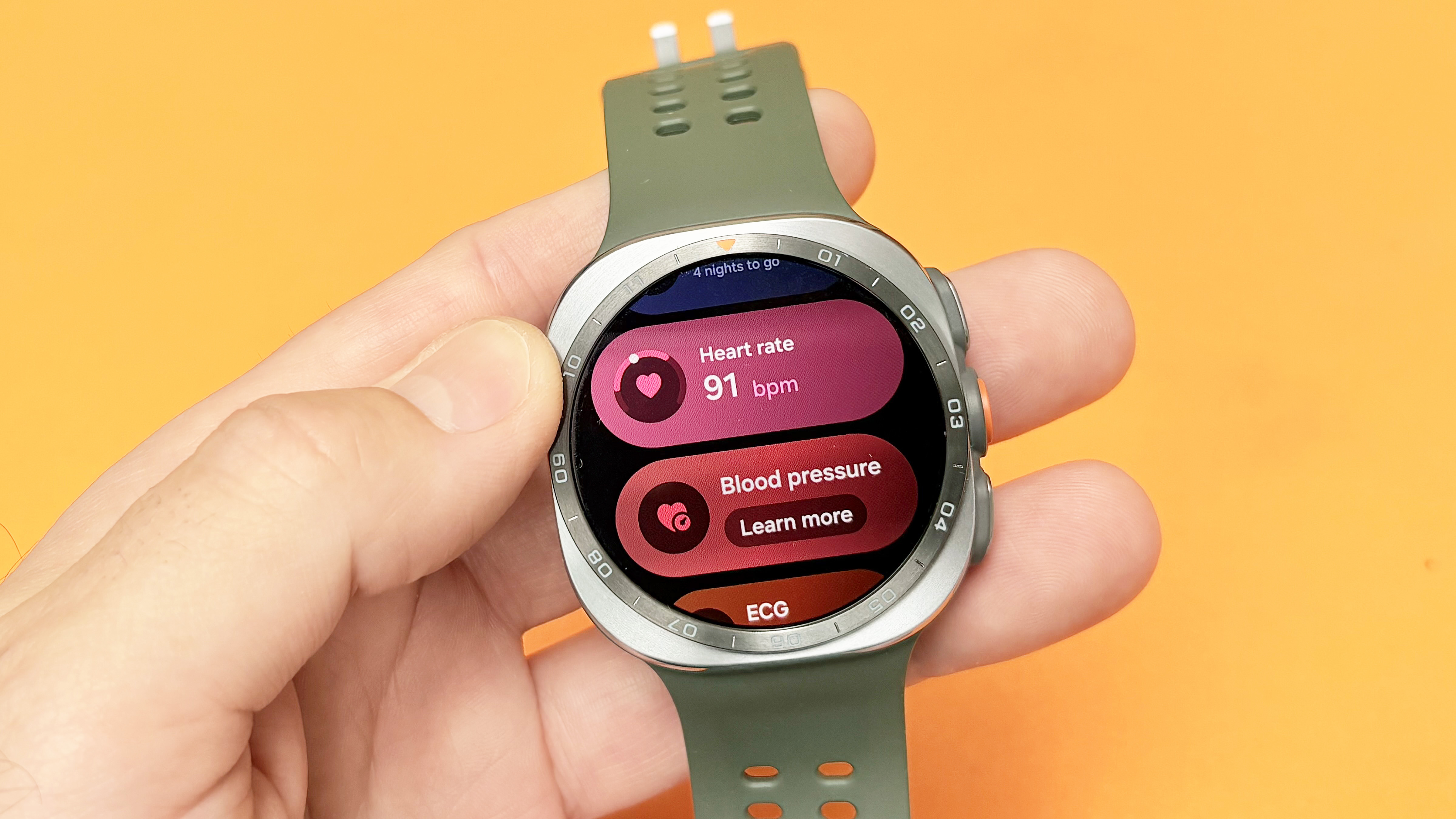
While the walk test focused on terrestrial activities, it’s crucial to acknowledge the advanced capabilities of both devices for more extreme pursuits. Both the Apple Watch Ultra 3 and the Samsung Galaxy Watch Ultra 2 are designed with scuba diving in mind. The Samsung Galaxy Watch Ultra 2, in particular, has been highlighted for its ability to function as a fully-fledged dive computer, albeit with a potential caveat related to its user interface or specific software features that may require further examination. This functionality significantly broadens their appeal to a wider range of adventurers, moving beyond simple fitness tracking into specialized outdoor sports. The inclusion of depth gauges, water temperature sensors, and dive planning tools on these devices signifies a new era of integrated adventure technology.
Conclusion: A Near-Perfect Tie for the Adventurous Consumer
In the direct comparison of the Apple Watch Ultra 3 and the Samsung Galaxy Watch Ultra 2 for tracking a 4,000-step walk, the Samsung Galaxy Watch Ultra 2 emerges as the winner by a "teeny-tiny margin." Its slightly superior accuracy in step counting, climb, and pace makes it the top performer in this specific test.
However, the narrative of this comparison is one of remarkable parity. Both devices performed with exceptional accuracy, exceeding expectations and solidifying their positions as leading rugged smartwatches. The differences observed are marginal, and for the vast majority of users, either watch would serve as an outstanding tool for logging workouts and outdoor adventures.
The ultimate choice between the Apple Watch Ultra 3 and the Samsung Galaxy Watch Ultra 2 will likely hinge on factors beyond raw step-counting precision. Ecosystem loyalty (iOS vs. Android), preferred user interface, specific feature priorities (such as AI assistance or diving capabilities), and personal comfort and aesthetic preferences will play significant roles.
For those seeking the absolute bleeding edge in rugged smartwatch technology, both the Apple Watch Ultra 3 and the Samsung Galaxy Watch Ultra 2 represent the pinnacle of current offerings. The decision between them is less about identifying a definitive "loser" and more about aligning the device’s strengths with the individual user’s needs and preferences. The author’s full review of the Samsung Galaxy Watch Ultra 2 is anticipated to provide further insights into its comprehensive capabilities, and future comparative tests will continue to explore the evolving landscape of wearable technology for the active individual.