A Chronology of the Disruption
The crisis began in the early hours of Friday, when the Federal Aviation Administration (FAA) detected widespread communications failures across its air traffic control (ATC) network. By mid-morning, the agency issued an emergency directive grounding all departing flights nationwide. While aircraft already in the air were permitted to proceed to their destinations, the immediate halt of all outbound traffic triggered a cascading effect that paralyzed hubs across the country.
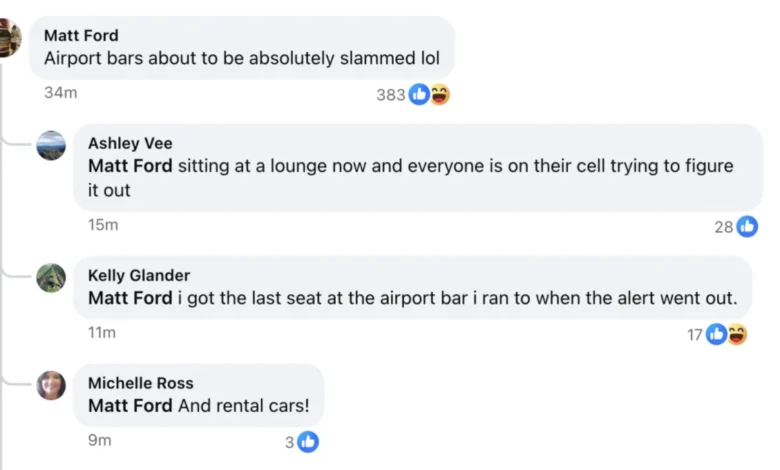
By the afternoon, the tension in airport terminals was palpable. Passengers reported long lines at customer service counters, a sudden influx of travelers crowding into airport lounges and bars, and a profound lack of clarity from airlines regarding departure times. The ground stop remained in effect for several hours, with domestic flights finally beginning to resume in the late afternoon and evening as technicians restored critical data links. By the end of the day, the FAA announced that the system was operational, though the ripple effect of the stop resulted in significant delays and cancellations that lasted well into the weekend.
Historical Context and Rarity
To understand the gravity of the November 13 event, one must look at the rarity of such occurrences. A nationwide ground stop is not a routine procedure; it is a measure of last resort. The first major instance of a total domestic halt was the unprecedented grounding of all civil aircraft in the aftermath of the September 11, 2001, terrorist attacks. The second occurred in January 2023, triggered by a catastrophic failure in the Notice to Air Missions (NOTAM) system—a critical database used to alert pilots of hazards and changes to flight operations.

The fact that this incident occurred on Friday the 13th—following a week already marked by significant global technical instability—only served to amplify the public’s frustration. For many travelers, the event was not merely an inconvenience but a jarring indicator of how quickly a complex, interconnected system can fail.
Digital Reaction and the Culture of Panic
As the news broke, social media platforms became the primary source of information for millions of stranded travelers. On X (formerly Twitter) and Facebook, the atmosphere was a mix of genuine distress and cynical humor. Users documented the scene in real time, posting images of crowded gates and exhausted families.
The "memeification" of the event began almost immediately. Users shared humorous takes on the absurdity of the situation, often drawing parallels to other recent tech failures, including the widespread Microsoft outage that had impacted global sectors earlier in the year. The humor acted as a coping mechanism for the collective anxiety of being trapped in transit. Even high-profile figures, including author Stephen King, weighed in on the disruption, reflecting the broad societal reach of the incident. This digital discourse underscores the modern traveler’s reliance on real-time data and the immediate psychological impact of losing the ability to navigate the physical world.
The Technological Achilles’ Heel
Beyond the immediate inconvenience, the ground stop has reignited a debate regarding the modernization of the U.S. aviation system. For years, the FAA has been criticized for its reliance on legacy technology. The agency has been in the process of a multi-year transition to move away from archaic systems, including a notable commitment to phase out the use of floppy disks in air traffic control centers by 2028.

However, these systemic upgrades are occurring against a backdrop of increasing complexity. Recently, the FAA began the nationwide implementation of its SMART (Systemic Management and Recovery Technology) program. This $875 million initiative is designed to leverage artificial intelligence and advanced data analytics to optimize flight paths, predict congestion, and manage traffic flow more effectively. While the system promises to reduce carbon emissions and decrease wait times, its integration into the existing, aging framework creates new points of vulnerability.
Questions are already circulating among industry analysts as to whether the complexity of these new digital tools played any role in the communications failures observed on Friday. While officials have not attributed the ground stop to the SMART system, the coincidence of the rollout and the failure has prompted calls for greater transparency and more rigorous testing of new technological deployments.
Economic and Operational Implications
The economic toll of a nationwide ground stop is substantial. Each hour that commercial aviation remains grounded, airlines face millions of dollars in losses, ranging from crew overtime and fuel costs to passenger rebooking and hotel compensation. Beyond the balance sheets of major carriers, the disruption creates a domino effect for the broader economy, impacting supply chains, business travel, and the personal lives of millions.
Airlines have faced significant scrutiny in recent years regarding their operational resilience. From massive holiday meltdowns to staffing shortages, the aviation industry has struggled to keep pace with the rebound in post-pandemic demand. This latest event adds to the pressure on the FAA and airline executives to prove that they can maintain a reliable, safe, and modern infrastructure.

Looking Toward Future Stability
The FAA’s handling of the situation will likely face intense oversight from Congress in the coming months. Lawmakers are expected to demand a comprehensive post-mortem analysis of the communications failure, specifically questioning the redundancies—or lack thereof—in the system.
The reality of modern travel is that it is fundamentally dependent on a seamless digital handshake between ground control and the cockpit. When that handshake is interrupted, the physical reality of the sky is grounded. As the FAA continues its push toward modernization, the events of November 13, 2026, stand as a sobering reminder that the digital transformation of critical infrastructure is a high-stakes endeavor.
For the average traveler, the takeaway is less about the technical specifications of air traffic control and more about the precarious nature of global mobility. While the ground stop was ultimately lifted, the anxiety it generated—and the viral reactions it sparked—reflect a growing public awareness of the instability inherent in the systems that connect the modern world. Whether through improved redundancy, better crisis communication, or faster modernization, the path forward for the aviation industry must prioritize stability above all else to restore the public’s confidence in the safety and reliability of the skies.
As the recovery process continues, the aviation community remains on high alert. The incident serves as a definitive case study in crisis management for a digital age, proving that even with the most advanced tools, the human element—and the demand for clear, reliable communication—remains the most critical component of the entire aviation apparatus. The events of this past Friday will undoubtedly influence policy, funding, and public sentiment regarding air travel for the foreseeable future.