The Future of AI Wearables at a Crossroads Privacy Concerns and Functional Challenges Threaten to Derail the Smart Glasses Revolution

The global technology sector is currently witnessing a high-stakes race to define the next era of personal computing, with artificial intelligence-powered smart glasses positioned as the leading candidate to succeed the smartphone. Companies like Meta, Snap Inc., and Alphabet have invested billions into the development of "always-on" optical wearables that integrate generative AI, augmented reality (AR), and sophisticated sensor arrays. However, this ambitious push is encountering a significant wave of consumer pushback and regulatory scrutiny. Concerns ranging from the erosion of public privacy to the physical discomfort of the devices have begun to coalesce, creating a formidable barrier to mainstream adoption. As negative sentiment grows, the industry faces a critical question: can these devices overcome the "creeper" stigma that famously sank previous iterations of the technology, or are they destined to remain a niche tool for early adopters and enterprise users?
The Meta Privacy Crisis: LED Tampering and Intimate Data Exposure
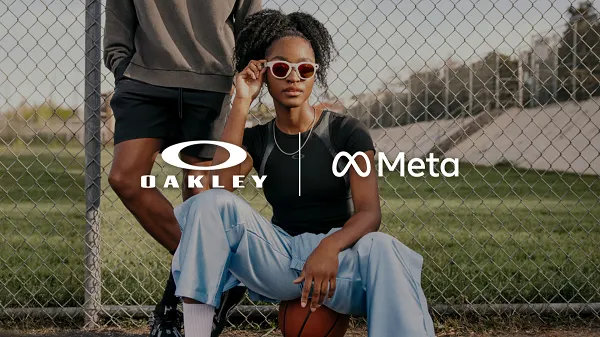
Meta Platforms Inc. has emerged as the frontrunner in the consumer smart glasses market, particularly following the successful rebranding of its partnership with EssilorLuxottica. By integrating its "Meta AI" software into the classic Ray-Ban form factor, the company managed to triple its sales in 2025. However, this commercial success has been shadowed by a series of alarming privacy breaches and security vulnerabilities.
In recent months, Meta was forced to issue urgent software and hardware advisories following reports that a burgeoning underground market had emerged for tampered devices. Hackers and tech-savvy users were found to be offering services to physically or digitally disable the recording indicator light—a small LED intended to notify bystanders that the glasses are capturing video. The ability to record high-definition footage covertly has reignited fears of "digital voyeurism." This phenomenon, often referred to by critics as the rise of "Meta Ray-Ban creeps," involves individuals recording others in public and private spaces without consent, feeding hours of unauthorized content into Meta’s cloud systems for processing.
The situation escalated further in early 2024 when U.K. regulators and Swedish publication Svenska Dagbladet revealed a disturbing breach of data ethics. Investigations found that Meta’s third-party content review contractors—tasked with training AI models—were inadvertently viewing highly intimate footage captured by users. This included recordings of bathroom visits, sexual encounters, and other private moments that users had recorded, perhaps unintentionally, while wearing the "always-on" devices. The revelation that human contractors were observing such sensitive material has dealt a significant blow to Meta’s claims of robust end-to-end privacy protections.
Ambitious Roadmaps vs. Public Anxiety
Despite these setbacks, Meta’s leadership remains committed to an even more invasive technological roadmap. Reports from The Financial Times indicate that the company is experimenting with a "24/7 recording" feature. This would allow the glasses to continuously capture a user’s entire life experience to create a personalized AI memory bank. While the goal is to provide a seamless "Superintelligence" assistant that remembers everything the user sees and does, the implications for public surveillance are profound.
Furthermore, Meta’s Chief Technology Officer has confirmed that the company is exploring the integration of facial recognition technology. While marketed as a way to "remember the name of someone you met at a conference," privacy advocates warn that such a feature effectively turns every wearer into a mobile surveillance node. If linked to public databases, these glasses could allow users to identify strangers on the street in real-time, an escalation of technology that many social critics argue violates the fundamental right to anonymity in public spaces.
The Aesthetic and Social Backlash: From "Sexy" to "Pervert Glasses"
The success of a wearable device depends as much on fashion and social acceptance as it does on technical specifications. In this arena, the tide appears to be turning against AI glasses. The term "pervert glasses" has gained traction on social media platforms and in tech reviews, reflecting a growing discomfort with the presence of cameras on the face. Engadget recently reported that even enthusiastic users are beginning to feel a sense of "tech-shame," opting to leave their glasses at home rather than face the suspicious glares of others in public settings.
This shift in sentiment was punctuated by high-profile cultural critiques. During the Mad Cool festival in Madrid, pop icon Lorde took a moment during her performance to advise her audience against the trend. "Don’t get the glasses," she told the crowd, describing the technology as "not sexy" and expressing frustration at the increasing difficulty of knowing when she is being recorded. While seemingly a minor celebrity anecdote, such comments resonate deeply in an industry where "cool factor" is a primary driver of sales. When a device moves from being a status symbol to a symbol of social intrusion, its market viability plummets.
Snap’s Ergonomic Struggle: The Weight of Innovation
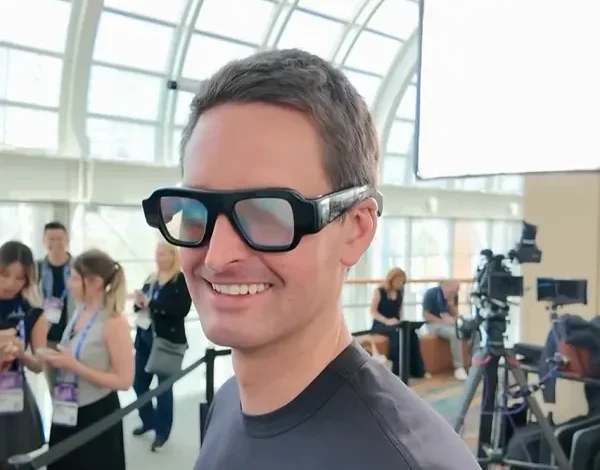
While Meta has focused on style, Snap Inc. has prioritized functionality with its latest AR Specs, but at a significant cost to wearability. At a recent launch event, Snap CEO Evan Spiegel showcased the company’s new AR glasses, which were immediately ridiculed for their bulky, oversized frames. A viral image from the event showed Spiegel’s ear visibly folded and strained under the weight of the device’s internal hardware and battery packs.
The ergonomic failure of the Snap Specs highlights a major engineering hurdle: the "laws of physics" problem. To provide a true augmented reality experience with high-quality overlays, devices require substantial processing power and battery life, which currently necessitates heavy, unattractive hardware. With a price tag of $2,000, market analysts suggest that Snap’s offering may struggle to find an audience beyond developers, especially as the device fails to meet basic standards of comfort for daily use.
Historical Context: The Ghost of Google Glass
The current struggles of Meta and Snap are a modern echo of the failure of Google Glass. Launched in 2013, Google Glass was intended to be the pioneer of the wearable revolution. However, it was discontinued for general consumers in 2015 due to a combination of high pricing ($1,500), limited battery life, and intense social hostility.
The term "Glasshole" became part of the lexicon to describe users who wore the devices in inappropriate settings. The backlash was so severe that the devices were banned from bars, casinos, and movie theaters almost immediately. The current trajectory of Meta’s AI glasses suggests that the industry has not yet solved the social friction problem that killed Google’s early efforts. The distinctive look of smart glasses, rather than being an asset, continues to act as a "reason for scorn" rather than admiration.
The Legal Frontier: New York Leads the Ban
The transition from social disapproval to legal restriction is already underway. In July 2026, the New York Office of Court Administration announced a landmark policy banning all camera-equipped smart glasses from courthouses statewide. The decision was driven by the need to protect the privacy of jurors, witnesses, and sensitive legal proceedings from unauthorized recording.
Legal experts predict that New York’s move is the first of many. Jurisdictions across the United States and Europe are reportedly considering similar bans in sensitive environments such as hospitals, schools, and government buildings. As these "no-go zones" expand, the utility of smart glasses as a "daily driver" device diminishes. If a user must constantly remove and store their glasses throughout the day to comply with local laws, the convenience of the "always-on" AI assistant disappears.
Analysis: The Value Gap in AI Implementation
The core of the problem may lie in what industry insiders call the "value gap." Alexandr Wang, a high-profile recruit for Meta’s Superintelligence unit, recently admitted on The Core Memory podcast that current AI implementations in wearables are "not overwhelmingly better" for the average user. While the technology is impressive, it has yet to provide a "killer app" that justifies the privacy risks and social stigma.
Meta’s strategy is built on the belief that once the AI becomes indispensable—acting as a perfect translator, a flawless memory aid, and a proactive personal assistant—users will stop caring about the privacy trade-offs. However, the data suggests otherwise. If the primary use case for smart glasses remains "taking hands-free photos" and "asking a chatbot questions," the social cost of wearing them remains too high for the average consumer.
Conclusion: A Precarious Future
The AI-powered smart glasses industry stands at a crossroads. On one hand, sales data from 2025 shows a clear appetite for integrated technology. On the other, the combined weight of regulatory bans, privacy scandals, and a declining "cool factor" threatens to relegate these devices to the same graveyard as Google Glass.
For Meta, Snap, and Google to succeed, they must move beyond mere technical iteration. They face the daunting task of renegotiating the social contract of the digital age. Until they can prove that these devices are not tools for surveillance—and until they can make them look and feel like "normal" eyewear—the dream of the smart glasses revolution may remain just out of sight. The "pervert glasses" stigma is not just a PR hurdle; it is a fundamental challenge to the industry’s vision of an AI-powered future.