Apple weighs its first server since the Xserve, and as always, Nvidia may hold the key

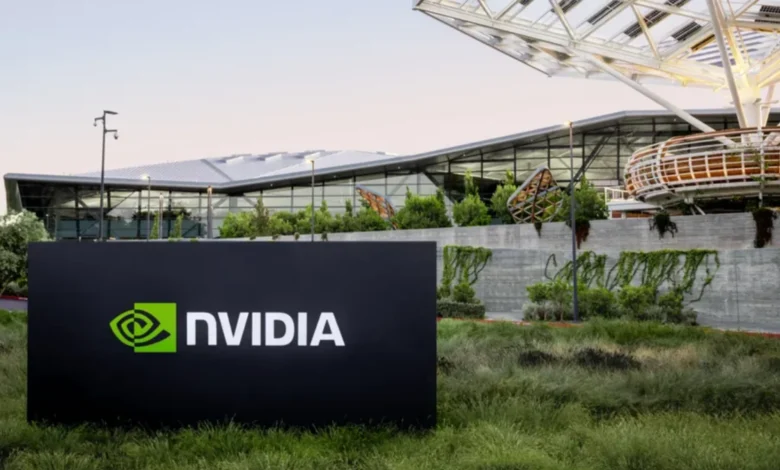
In a significant strategic pivot that could reshape its standing in the enterprise hardware landscape, Apple is reportedly exploring a return to the dedicated server market. Nearly two decades after the discontinuation of the Xserve, the Cupertino-based tech giant is evaluating the development of a purpose-built AI server rack. According to internal reports, the initiative aims to leverage Apple’s proprietary M-series silicon—specifically the high-performance "Ultra" iterations—to provide businesses with an on-premises solution for AI inference, effectively bypassing the reliance on public cloud infrastructure.
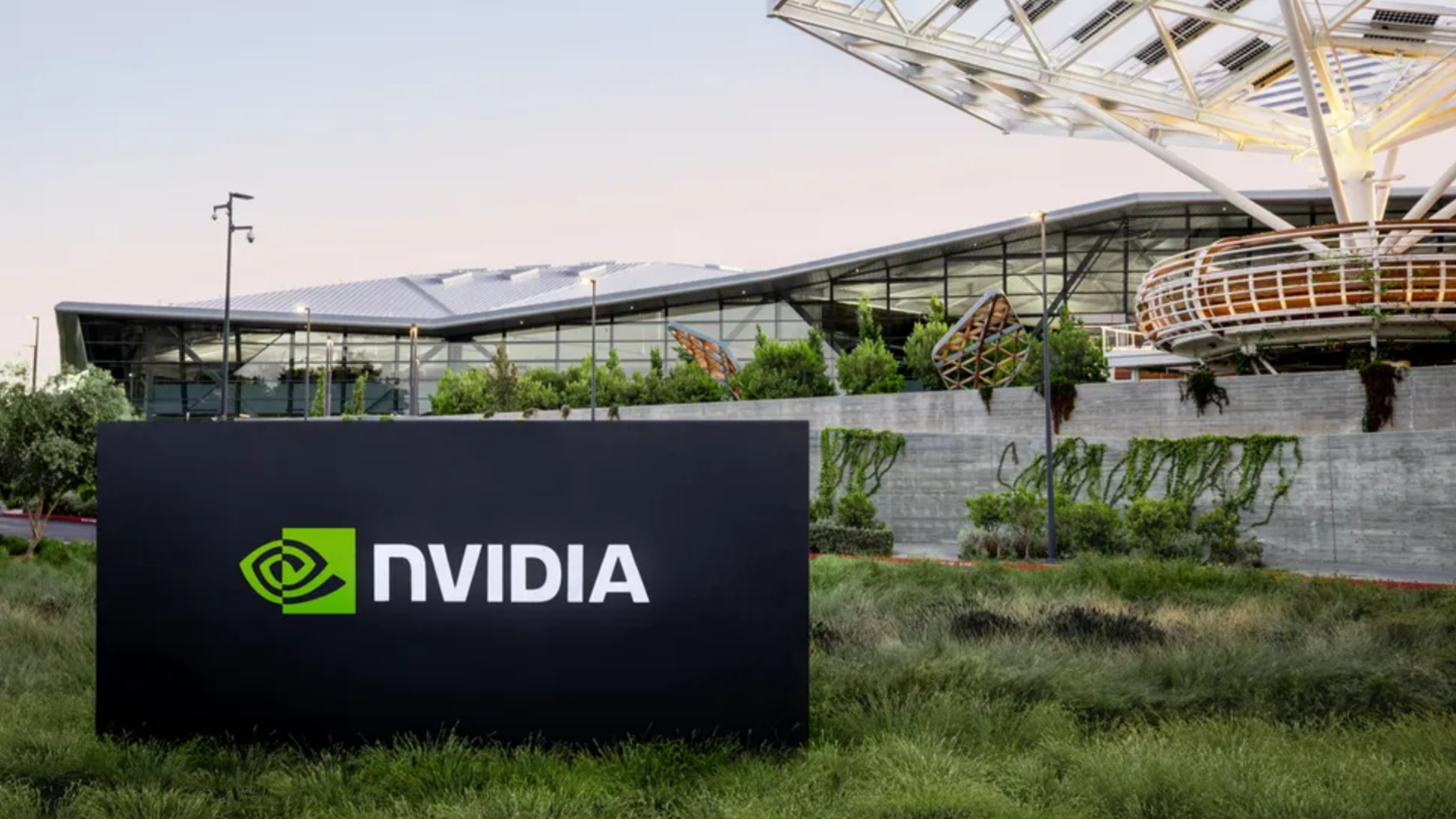
The project, which remains in a conceptual and exploratory stage, involves potential discussions with Nvidia. The objective of such a partnership would be to integrate Nvidia’s advanced networking capabilities, a move that would address the current technical limitations inherent in Apple’s existing interconnect ecosystem. While the prospect has generated significant industry interest, sources indicate that a potential launch is not anticipated until 2029, and the project remains subject to cancellation depending on the evolution of Apple’s broader AI roadmap.
A Historical Retrospective: From Xserve to Silicon Silence
To understand the magnitude of this potential reversal, one must look back at Apple’s previous foray into the server space. The Xserve, a 1U rack-mount server, served as the backbone of Apple’s enterprise offerings until its quiet exit in late 2010. At the time, Steve Jobs famously cited poor sales performance as the primary reason for the product line’s termination. Industry analysts at Gartner noted that the Xserve commanded a niche market, with sales hovering around 10,000 units per quarter—a figure that failed to align with Apple’s aggressive growth targets and its pivot toward consumer-facing mobile and desktop computing.
Following the departure of the Xserve, Apple redirected its enterprise customers toward high-end configurations of the Mac mini and Mac Pro. This "desktop-as-server" strategy was functional for small-to-medium business needs, but it lacked the scalability, redundancy, and rack-optimized design required by large-scale data centers. For eighteen years, Apple effectively ceded the enterprise hardware market to established incumbents like Dell, Hewlett Packard Enterprise, and Supermicro.
The Catalyst: The Unforeseen Demand for Apple Silicon in AI
The current re-evaluation of the server market is largely driven by the explosive growth of generative AI and large language model (LLM) inference. In recent years, Apple has found its desktop hardware—specifically the Mac Studio and Mac mini—in high demand among AI researchers and developers. Companies like OpenAI have reportedly procured tens of thousands of Mac-based units to support reinforcement learning workflows, while Anthropic has utilized Mac mini clusters via Amazon Web Services (AWS) to execute specific AI tasks.
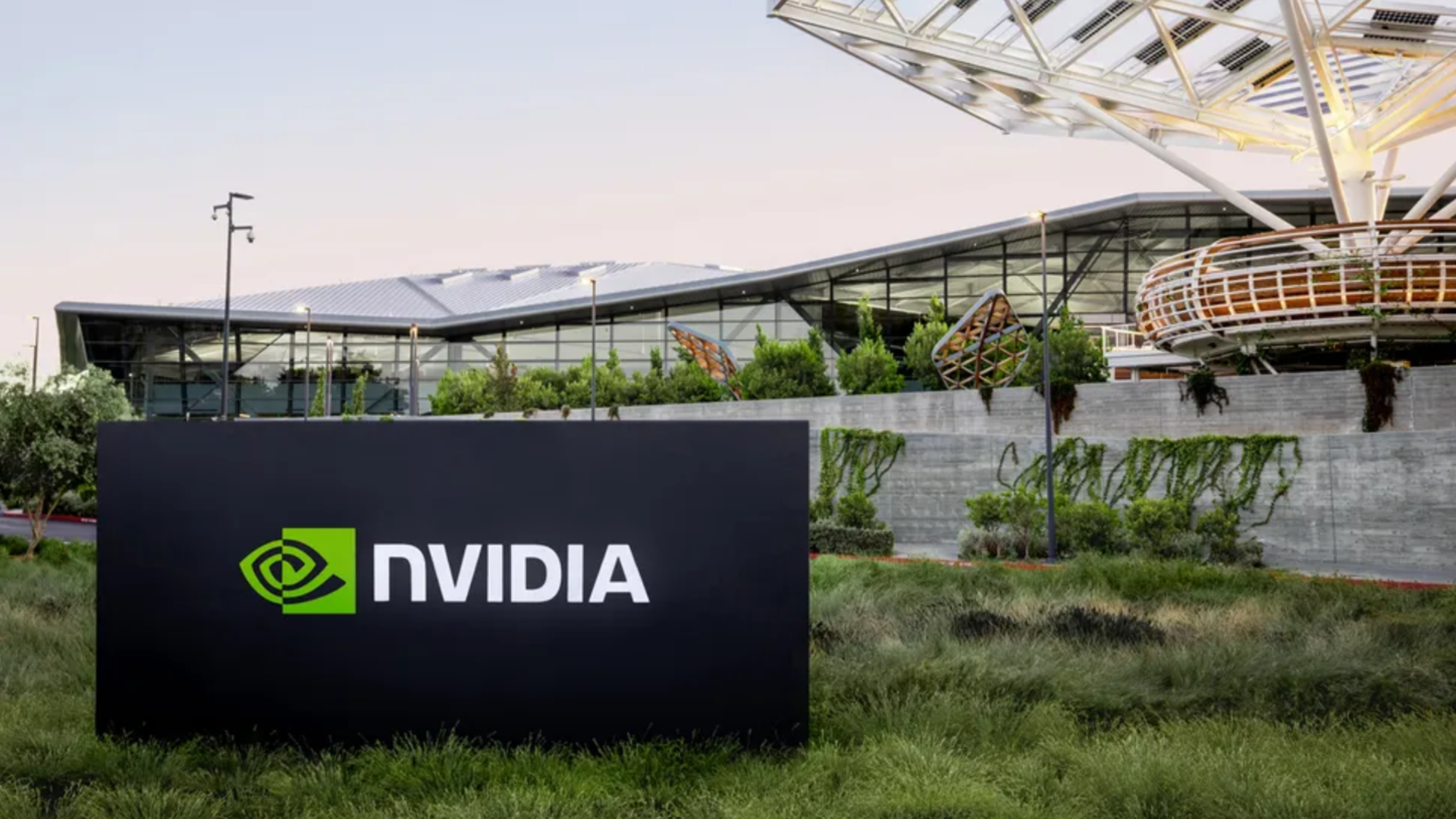
This surge in demand reportedly caught Apple off guard. Lacking a formal enterprise sales infrastructure, specialized developer relations teams, or a dedicated business engineering division, the company struggled to manage the sudden influx of corporate interest. When businesses requested direct access to Apple’s Private Cloud Compute infrastructure for heavy-duty AI tasks, the lack of a standardized enterprise product forced many to look elsewhere. Consequently, organizations turned to Nvidia’s DGX systems or AMD’s Ryzen AI solutions, which were purpose-built to handle the thermal and throughput demands of modern AI training and inference.
Technical Hurdles: Bandwidth and Interconnects
The central challenge for Apple is not the raw power of its M-series chips, but the interconnectivity required to cluster them into a cohesive server unit. As of 2026, Apple’s flagship M5 Ultra chip features a quad-die architecture, integrated via the company’s proprietary UltraFusion bridge. While this provides impressive local performance—up to 512GB of unified memory and 1.2TB/s of internal bandwidth—it is optimized for individual workstations rather than rack-scale parallel processing.
When multiple Mac Studio units are clustered today, they rely on standard networking protocols, such as Thunderbolt 5. While Thunderbolt 5 is a robust consumer interface, providing up to 80Gb/s (or 10GB/s) of bidirectional data transfer, it is vastly inferior to the specialized high-speed interconnects used in AI data centers. For comparison, Nvidia’s sixth-generation NVLink, utilizing NVLink Fusion, supports bandwidth speeds of up to 3.6TB/s per accelerator. The gap is substantial: Nvidia’s interconnect technology is designed to minimize latency across hundreds of chips, whereas current Mac-based clusters suffer from significant performance overhead when scaled.
Industry data suggests that linking four Mac Studios currently results in an efficiency loss of approximately 25%, with the cluster yielding only about three times the performance of a single unit. This scaling deficit is exactly what Apple aims to resolve by exploring a partnership with Nvidia. Integrating Nvidia’s networking prowess would allow Apple to maintain its hardware’s efficiency while achieving the low-latency communication required for enterprise-grade AI operations.
Implications of a 2029 Timeline
The 2029 target date serves as a reminder of the immense complexity involved in designing, manufacturing, and deploying enterprise-grade hardware. Developing a custom server chassis that can manage the heat output of multi-chip M-series modules, while integrating complex networking fabric, requires a complete overhaul of Apple’s supply chain and engineering priorities.
Should Apple proceed, the move would signal a fundamental shift in the company’s philosophy. Historically, Apple has prioritized vertical integration, preferring to keep all hardware and software development in-house. A potential collaboration with Nvidia—a company that has become the de facto king of the AI era—would represent a rare admission that specialized third-party networking technology is necessary to achieve enterprise-scale success.
Furthermore, the entry into the server market would place Apple in direct competition with the very cloud providers (like AWS and Google Cloud) that it currently relies upon to host some of its own services. It also puts the company on a collision course with the traditional server giants, who have spent decades optimizing their supply chains for the specific demands of data center maintenance, including modular upgrades, hot-swappable components, and extreme power efficiency.
Market Outlook and Strategic Synthesis
The decision to revisit the server market is not merely a product strategy; it is an attempt to capture a portion of the massive capital expenditure currently flowing into AI infrastructure. As enterprises become increasingly wary of the costs associated with public cloud reliance, there is a growing demand for "sovereign AI"—the ability to run models on private, localized hardware.
If Apple can successfully bridge the gap between its highly efficient silicon and the high-speed networking standards of the modern data center, it could create a unique niche. Its value proposition would be clear: the energy efficiency and performance-per-watt of Apple Silicon, combined with the reliability and speed of enterprise-grade networking.
However, the road ahead is fraught with risks. The project could be abandoned if Apple determines that the enterprise market remains too fragmented or if the costs of maintaining a dedicated server support division outweigh the projected revenue. Additionally, the rapid pace of AI advancement means that a design finalized today might be obsolete by 2029.
For now, the industry is watching closely. Apple’s leadership, including CEO John Ternus, has championed the expansion of Apple’s hardware capabilities. Whether this momentum is enough to overcome the company’s history of failure in the server space remains to be seen. As the demand for localized, efficient AI hardware continues to climb, Apple’s potential return to the rack-mount server market stands as one of the most intriguing developments in the tech sector for the latter half of the decade.