Comprehensive Leak Unveils Full Color Palette and Key Specifications for Google Pixel 11 Series Ahead of Anticipated August 12 Launch Event.

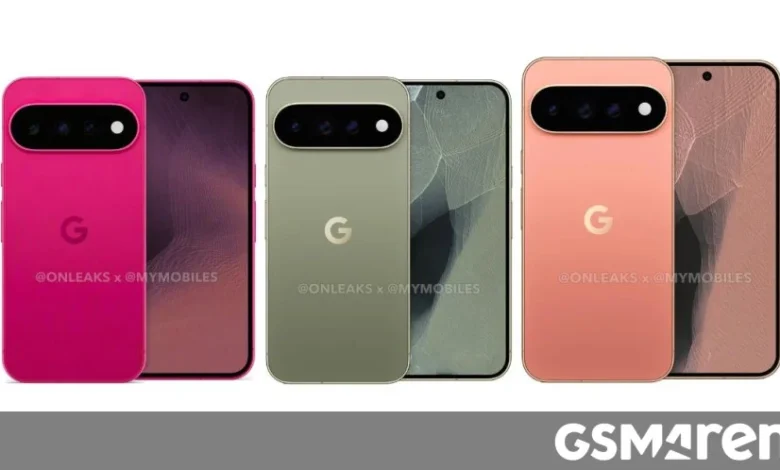
As the highly anticipated "Made by Google" event on August 12 draws closer, the veil of secrecy surrounding Google’s next-generation smartphone lineup, the Pixel 11 series, continues to thin. A fresh and extensive leak has now provided a near-complete picture of the upcoming devices, particularly detailing the full spectrum of color options for the standard Pixel 11, Pixel 11 Pro, and Pixel 11 Pro XL models. This revelation, sourced from MyMobiles in collaboration with the renowned leaker OnLeaks, significantly enriches the public’s understanding of Google’s design strategy and product segmentation for its flagship smartphones, confirming earlier whispers and adding tangible visual details to the growing dossier of pre-launch information.
The latest renders indicate that both the Pixel 11 and its more premium siblings, the Pixel 11 Pro and Pixel 11 Pro XL, will each be available in a distinct set of four color variants. This strategic differentiation in color palettes between the base model and the Pro series suggests a deliberate effort by Google to cater to diverse consumer preferences, ranging from vibrant and expressive choices for the standard model to more sophisticated and subtly luxurious finishes for the high-end offerings.
A Deep Dive into the Pixel 11’s Aesthetic Choices
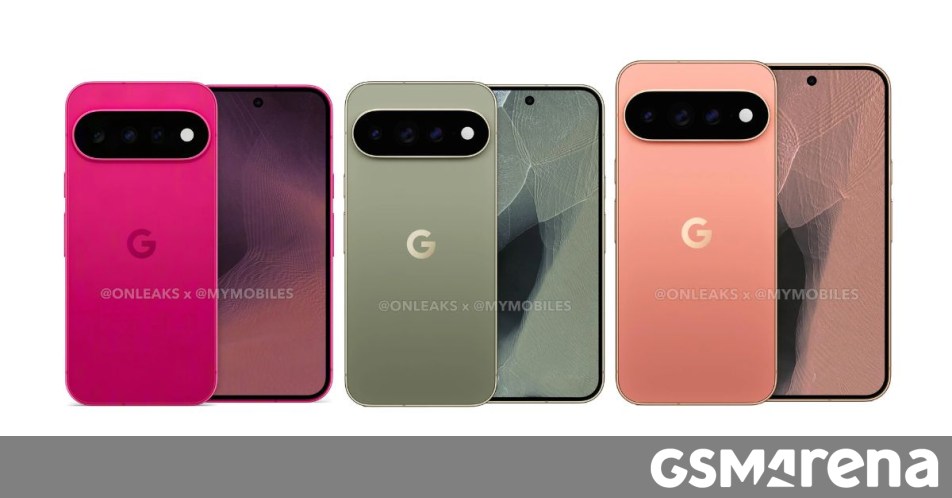
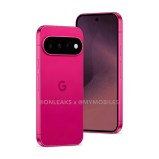
The standard Pixel 11 is tipped to arrive in a fascinating quartet of hues: Fuchsia, Light Sterling, Moss, and Midnight Haze. Among these, Fuchsia immediately stands out as the most vibrant and audacious choice. This lively pink finish marks a notable departure from some of Google’s more subdued historical color offerings, signaling a potential desire to capture a younger demographic or those who prefer their technology to make a bold personal statement. Its inclusion suggests Google is not shying away from expressive aesthetics, possibly following broader industry trends where personalization and self-expression through device color are gaining traction.
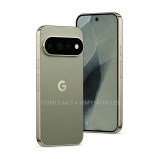
Light Sterling, by contrast, appears to be a more classic and versatile option, likely a muted silver or light grey that exudes understated elegance. This color typically appeals to a wide audience due to its timeless nature and ability to seamlessly blend with various personal styles. Moss hints at an earthy, perhaps slightly desaturated green, offering a natural and calming aesthetic that could resonate with environmentally conscious consumers or those seeking a unique yet not overly flashy look. Finally, Midnight Haze rounds out the Pixel 11’s palette with what is expected to be a deep, perhaps slightly textured, dark finish. This option typically serves as a perennial favorite, conveying a sense of sophistication and modernity.
The Premium Palette: Pixel 11 Pro and Pixel 11 Pro XL
For the Pixel 11 Pro and Pixel 11 Pro XL, Google appears to have opted for a more refined and premium selection of colors: Dune, Light Fog, Midnight Haze, and Pine. The shared Midnight Haze option between the standard and Pro models offers a consistent anchor, allowing consumers who prefer a dark, sophisticated look to find it across the range, irrespective of their feature requirements.

However, it is the new additions — Dune, Light Fog, and Pine — that truly define the Pro series’ premium aesthetic. Dune, as depicted in the renders, is particularly striking. It features a glossy finish paired with a champagne-finished frame, creating an aura of understated luxury. The "Dune" moniker itself evokes images of natural landscapes and warmth, suggesting a sophisticated, perhaps golden-beige hue that deviates from conventional metallic tones. This choice, coupled with the color-matched frame, elevates the device’s perceived value and targets consumers who appreciate meticulous design and a touch of opulence.
Light Fog is anticipated to be a soft, ethereal shade, likely a very light grey or off-white with a subtle sheen. This color often conveys a sense of purity, minimalism, and modern elegance, appealing to users who prefer clean lines and an uncluttered aesthetic. It complements the sophisticated design language typically associated with high-end smartphones.
Pine, the final distinct colorway for the Pro models, also makes a strong visual statement. It is presented with a polished gold frame, suggesting a deep, rich green tone that is both earthy and luxurious. The combination of the deep green and the gleaming gold frame creates a bold yet refined contrast, positioning the device as a premium accessory. This choice taps into a growing trend of integrating natural, jewel-toned colors with metallic accents in high-end consumer electronics, offering a sophisticated alternative to traditional black and silver.
The Significance of Color and Design in Google’s Strategy

The detailed color leaks underscore Google’s evolving approach to hardware design and market positioning. Historically, Pixel phones have been celebrated for their software prowess and computational photography, often with a design aesthetic that, while functional, was sometimes perceived as less adventurous than competitors. The Pixel 11 series, particularly with choices like Fuchsia and the sophisticated Pro series frames, suggests a deliberate move to enhance the visual appeal and tactile experience, recognizing that design and color are crucial differentiators in a highly saturated market.
These color choices are not merely cosmetic; they reflect extensive market research into consumer psychology and preferences. A vibrant color like Fuchsia can signal playfulness and individuality, while the metallic-framed Dune and Pine variants aim for a perception of premium craftsmanship and exclusivity. By offering a diverse palette, Google aims to broaden its appeal, allowing more users to find a device that resonates with their personal style.
The Credibility of Leaks: OnLeaks and MyMobiles
The information for this comprehensive color reveal originates from MyMobiles, a reputable tech publication, in collaboration with OnLeaks, the pseudonym for Steve Hemmerstoffer. OnLeaks has established an impeccable track record over many years for accurately predicting smartphone designs and specifications well in advance of official launches. His renders, often based on CAD files provided by sources within the supply chain, have consistently proven to be highly reliable, lending significant weight to these latest revelations. This pattern of pre-launch leaks has become a familiar aspect of the consumer electronics industry, often generating immense buzz and shaping public perception even before a product is officially unveiled. For consumers, such leaks offer an early glimpse into future tech, while for manufacturers like Google, they present a delicate balance between managing expectations and maintaining an element of surprise for their official announcements.

Beyond Aesthetics: Anticipated Core Specifications and Innovations
While the color lineup provides an exciting visual preview, the leaks also reinforce earlier reports about the Pixel 11 series’ underlying technological advancements. The entire lineup, including the Pixel 11 Pro Fold (a new form factor also confirmed for the launch), is expected to be powered by Google’s next-generation custom silicon: the 2nm Tensor G6 chipset.
The Power of Tensor G6: A Leap in Performance and AI
The move to a 2nm fabrication process for the Tensor G6 represents a significant leap forward. Shrinking the transistor size allows for greater transistor density, leading to substantial improvements in performance, energy efficiency, and thermal management. This is critical for powering advanced on-device artificial intelligence and machine learning capabilities, which have been a cornerstone of Google’s Pixel philosophy since the inception of the Tensor chip. The Tensor G6 is anticipated to further enhance the Pixel’s computational photography prowess, enable more sophisticated AI-driven features (such as real-time language processing, advanced voice commands, and personalized user experiences), and deliver a smoother, more responsive overall user interface. For gaming, demanding applications, and multi-tasking, the G6 is poised to offer a flagship-tier experience, directly competing with the top-tier chipsets from Qualcomm and Apple.
Elevated Imaging: The Triple Rear Camera System
Another key specification highlighted in the leaks is the inclusion of a triple rear camera setup across the Pixel 11 series. Google’s Pixel phones have long been lauded for their exceptional camera quality, often achieving superior results with fewer lenses compared to competitors, thanks to their groundbreaking computational photography algorithms. The transition to a triple-camera system strongly suggests Google is expanding its hardware capabilities to complement its software strengths. This configuration typically includes a main wide-angle sensor, an ultrawide-angle lens for expansive shots, and a telephoto lens for optical zoom. Such a setup would significantly enhance the Pixel’s versatility, offering users more creative freedom and improved performance in various photographic scenarios, including challenging low-light conditions and distant subjects.
A Glimpse into the Future: Pixel Glow LED Notification System
Perhaps one of the most intriguing new features teased for the Pixel 11 series is the "Pixel Glow LED notification system" on the back of the devices. This novel hardware addition suggests Google is rethinking how users interact with and are alerted by their smartphones. While details are still scarce, a rear-mounted LED notification system could offer a discreet yet effective way to receive alerts without constantly checking the screen. It could be customizable, allowing different colors or patterns to signify specific types of notifications or contacts, adding a unique, personalized flair to the Pixel experience. This feature could also serve as a distinctive brand identifier, much like the iconic "G" logo or the two-tone back panel design of earlier Pixels.
Display Dynamics: Sizes and User Experience
The leaks also provide concrete details on screen sizes, indicating a thoughtful segmentation across the lineup. The standard Pixel 11 and Pixel 11 Pro are both tipped to feature 6.3-inch displays. This size represents a sweet spot for many users, offering ample screen real estate for media consumption and productivity while remaining comfortable for one-handed use. Given Google’s history, these displays are almost certainly high-resolution OLED panels, expected to deliver vibrant colors, deep blacks, and excellent contrast. High refresh rates (likely 120Hz) are also a standard expectation for flagship devices, ensuring smooth scrolling and fluid animations.
For users who demand a larger canvas, the Pixel 11 Pro XL is expected to feature a more expansive 6.8-inch screen. This larger display caters to power users, avid gamers, and those who prioritize immersive viewing experiences. The larger form factor typically also allows for greater battery capacity, providing extended usage times, which is a critical consideration for demanding users.
The "Made by Google" Event: A Broader Ecosystem Unveiling

The "Made by Google" event on August 12 is Google’s premier annual hardware showcase, where the company typically unveils its latest innovations across its ecosystem. While the Pixel 11 series will undoubtedly be the star of the show, it is reasonable to expect other announcements. These could include updates to the Pixel Watch, new Pixel Buds, smart home devices, and significant software advancements for Android. The inclusion of the "Pixel 11 Pro Fold" in the launch lineup signals Google’s continued commitment to the nascent but rapidly growing foldable smartphone market, directly challenging competitors like Samsung in this innovative segment. This holistic approach underscores Google’s ambition to create a seamlessly integrated hardware and software experience that extends beyond the smartphone.
Market Implications and Competitive Stance
The comprehensive leaks of the Pixel 11 series, especially concerning its design, colors, and core specifications, have significant market implications. They allow consumers and industry analysts to gauge Google’s competitive stance against rivals like Apple and Samsung. By offering a compelling blend of cutting-edge hardware (Tensor G6, triple cameras, Pixel Glow) and diverse, refined aesthetics, Google aims to solidify its position as a serious contender in the premium smartphone segment. The focus on unique color options and distinctive design elements is a strategic move to differentiate the Pixel brand in a crowded market where hardware specifications often converge.
The anticipation surrounding the Pixel 11 series underscores Google’s growing influence in the hardware space. While still a smaller player compared to giants like Apple and Samsung in terms of market share, the Pixel line has consistently pushed the boundaries of smartphone innovation, particularly in AI and computational photography. These leaks suggest that the Pixel 11 series is poised to continue this tradition, offering a powerful, aesthetically pleasing, and uniquely Google experience.

As August 12 approaches, the tech world eagerly awaits Google’s official confirmation of these details and the unveiling of any further surprises that the "Made by Google" event may hold. The Pixel 11 series appears ready to make a bold statement, both visually and technologically, setting new benchmarks for Google’s hardware ambitions.