IPhone 18 Pro Launch Arrives Following Apple’s High-Stakes September Event Featuring Next-Generation Hardware and Pricing Shifts

Apple Inc. has officially ushered in its latest mobile hardware generation, as the iPhone 18 Pro and iPhone 18 Pro Max become available in retail stores and arrive on the doorsteps of early pre-order customers. Unveiled during Apple’s landmark "Surprise and Shine" media event on Wednesday, September 9, 2026, at the corporate headquarters in Cupertino, California, the new flagship devices maintain a familiar exterior aesthetic when compared to their predecessors, the iPhone 17 Pro lineup. However, beneath the surface, the updated smartphones introduce a robust suite of incremental hardware upgrades, advanced internal processing components, and refined camera systems designed to maintain Apple’s competitive edge in the global premium smartphone market.
Pre-orders for the iPhone 18 Pro and iPhone 18 Pro Max commenced on Saturday, September 12, seeing strong initial demand across key international markets. Following a one-week fulfillment window, retail availability began on Friday, September 18. Market analysts and industry observers have closely monitored this launch cycle, particularly in light of shifting component costs, evolving macroeconomic conditions, and the simultaneous introduction of category-defining hardware such as Apple’s highly anticipated foldable device, the iPhone Duo.
Background Context of the September 2026 Apple Event
The introduction of the iPhone 18 Pro series occurred during one of the most consequential product announcements in Apple’s recent history. Dubbed the "Surprise and Shine" showcase, the September 9 event served as the epicenter for the company’s hardware roadmap for the late 2026 and 2027 buying seasons. Alongside the traditional Pro smartphones, Apple used the keynote to unveil the Apple Watch Series 12, the rugged Apple Watch Ultra 4, and the fifth-generation AirPods.
Nevertheless, the overarching narrative of the event was dominated by two major developments: the debut of the groundbreaking iPhone Duo—Apple’s first-ever foldable handset—and the persistent pricing pressures surrounding the standard flagship line. For months leading up to the keynote, supply chain analysts and market researchers had projected upward adjustments to retail pricing. These expectations were largely confirmed when firms such as TrendForce published detailed BOM (Bill of Materials) cost evaluations, pointing to more expensive semiconductor fabrication processes and premium chassis materials as primary drivers for the price shift.
Chronology of the iPhone 18 Pro Release Cycle
The path to the iPhone 18 Pro’s market release followed Apple’s well-established operational playbook, punctuated by strategic pre-announcements and structured retail rollouts:
- Early September 2026: Financial institutions and independent market research firms finalize hardware cost estimates. TrendForce releases a comprehensive pricing report contrasting the forthcoming iPhone 18 Pro models against the previous year’s iPhone 17 Pro baseline.
- Wednesday, September 9, 2026: Apple officially broadcasts its "Surprise and Shine" special event from Apple Park. Chief Executive Officer Tim Cook and other executive team members detail the specifications of the iPhone 18 Pro and iPhone 18 Pro Max, highlighting thermal architecture improvements, battery density enhancements, and next-generation computational photography capabilities.
- Saturday, September 12, 2026: Online pre-order channels open globally at 5:00 a.m. Pacific Time. Initial consumer response indicates solid demand for high-capacity storage tiers and the newly introduced "Deep Black" color finish.
- Friday, September 18, 2026: Official retail launch day. Physical Apple Store locations worldwide open their doors early to accommodate consumers, while logistics partners begin nationwide home deliveries for pre-order customers.
Pricing Adjustments and Economic Realities
One of the most heavily scrutinized aspects of the iPhone 18 Pro release has been its pricing structure. In an economic environment marked by fluctuating semiconductor yields and rising expenditures on specialized manufacturing equipment, consumer electronics manufacturers have faced difficult choices regarding margin preservation versus consumer affordability.
Market research published by TrendForce in early September highlighted the widening cost gap between generations. While the iPhone 17 Pro entered the market at a starting price of $1,099, the baseline iPhone 18 Pro reflects a notable upward price correction, moving to a starting price of $1,249. Industry analysts attribute this adjustment to several intersecting factors, including high-density silicon integration, advanced display driver manufacturing complexities, and the incorporation of more sophisticated thermal management systems capable of sustaining peak performance levels under heavy workloads.
Despite the higher barrier to entry, early sales indicators suggest that Apple’s core demographic—particularly professionals and creators reliant on mobile computing power—remains largely price-inelastic, continuing to favor top-tier configurations equipped with maximum storage allocations.
Design Continuity and Engineering Refinements
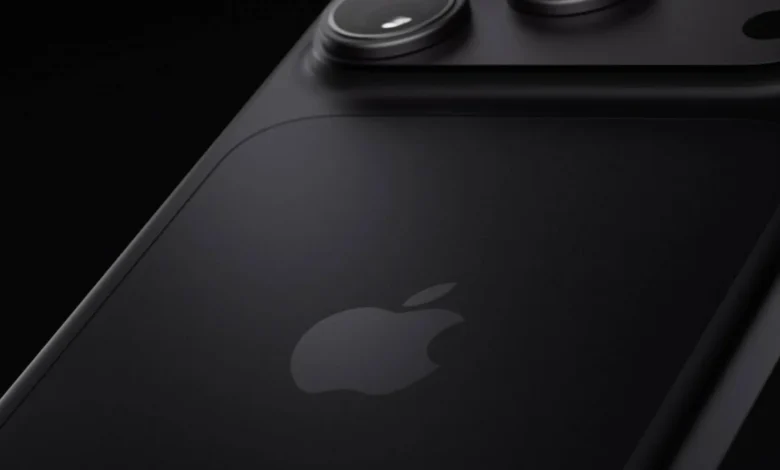
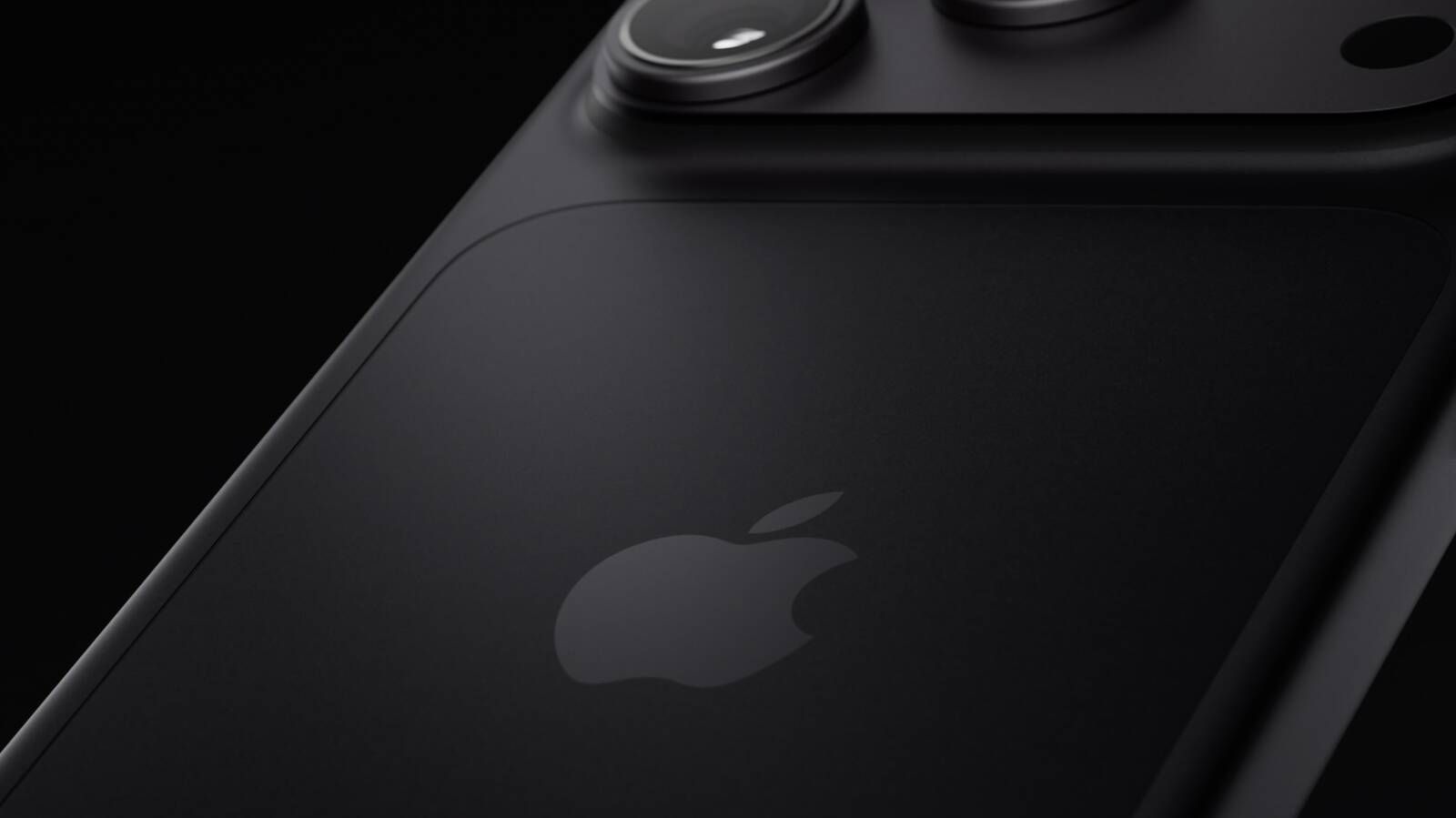
Visually, the iPhone 18 Pro and iPhone 18 Pro Max bear a striking resemblance to the iPhone 17 Pro models that preceded them. Apple has maintained its proven flat-edge titanium chassis design, durable Ceramic Shield front glass, and matte glass back panel. However, closer inspection reveals subtle ergonomic refinements. The radii of the device corners have been microscopically adjusted to improve hand-feel during prolonged usage sessions, and the deployment of the new "Deep Black" colorway has received positive early feedback for its sophisticated, light-absorbing finish.
Engineering efforts for this generation were predominantly internal. Apple’s silicon engineering teams focused heavily on mitigating thermal throttling during intensive tasks such as real-time ray-traced mobile gaming, 4K ProRes video encoding, and on-device generative artificial intelligence operations. By optimizing the internal graphite heat-dissipation plates and leveraging the energy efficiency of the new system-on-chip architecture, the iPhone 18 Pro achieves sustained performance metrics that significantly outpace the previous generation without requiring a bulkier physical chassis.
Display Technology and Visual Fidelity
The visual centerpiece of the iPhone 18 Pro models remains their Super Retina XDR OLED displays, available in standard Pro (historically around 6.1 inches) and Pro Max (historically around 6.7 inches) form factors. Apple has refined its ProMotion technology, allowing for more granular variable refresh rates ranging from a battery-conserving 1Hz up to a buttery-smooth 120Hz.
Furthermore, peak outdoor brightness parameters have been pushed to new thresholds, ensuring high legibility under direct sunlight. The integration of advanced polarizers and anti-reflective coatings has also reduced glare, making media consumption and outdoor viewfinder usage noticeably clearer than on the iPhone 17 Pro. The Dynamic Island continues to serve as the interactive hub for system alerts, live activities, and background application controls, benefiting from deeper third-party developer integration and more fluid software animations in the latest operating system iterations.
Camera System Enhancements and Computational Photography
Imaging capabilities have perennially been a primary selling point for Apple’s Pro smartphone tier, and the iPhone 18 Pro is no exception. While the physical megapixel counts of the primary, ultra-wide, and telephoto lenses remain competitive, the underlying sensor architecture and image signal processor (ISP) pipelines have undergone comprehensive overhauls.
The primary Fusion camera features a larger physical sensor area, allowing for superior light gathering in low-light environments and a more natural optical depth of field for portraiture. The telephoto implementation has likewise been upgraded, offering extended optical zoom ranges without sacrificing sharpness or color accuracy.
On the software side, Apple’s computational photography framework utilizes enhanced machine learning models executed via the Neural Engine to instantly reduce noise, preserve highlight and shadow detail, and execute real-time adjustments before the shutter button is even pressed. For professional videographers, the inclusion of native multi-cam recording capabilities and advanced audio isolation modes positions the iPhone 18 Pro not merely as a consumer camera, but as a legitimate production-grade tool for mobile journalism and independent filmmaking.
Battery Life and Power Efficiency
Battery performance has historically been a critical metric for flagship smartphone evaluation. Through a combination of more power-efficient internal components, advanced display driver chips, and higher-density lithium-ion battery cells, both the iPhone 18 Pro and iPhone 18 Pro Max deliver measurable gains in operational longevity compared to their predecessors.
The iPhone 18 Pro Max, in particular, continues to lead the product stack in endurance, comfortably clearing all-day usage benchmarks even under intensive conditions such as continuous navigation, high-brightness media streaming, and mobile hotspot tethering. Fast-charging capabilities have also been refined, allowing users to replenish a significant percentage of battery capacity in under thirty minutes using compatible high-wattage USB-C power adapters.
Broader Industry Impact and Market Implications
The launch of the iPhone 18 Pro and iPhone 18 Pro Max arrives at a pivotal juncture for the global smartphone market. As consumers retain their devices for longer replacement cycles, manufacturers face mounting pressure to deliver compelling reasons for yearly upgrades. By focusing heavily on internal performance headroom, camera utility, and thermal stability rather than radical cosmetic redesigns, Apple is betting that power users will prioritize long-term reliability and professional capability.
Moreover, the juxtaposition of the iPhone 18 Pro with the innovative, category-expanding iPhone Duo highlights a dual-track strategy by Apple. While traditionalists and heavy-duty content creators are catered to by the iterative refinement of the Pro series, early adopters seeking form-factor experimentation are drawn toward the foldable segment. This diversified approach mitigates market stagnation and secures Apple’s footprint across multiple consumer demographics.
As retail stores process initial foot traffic and shipping couriers complete the final deliveries of the September 18 launch wave, initial consumer reception appears stable. Industry analysts will closely examine the upcoming quarterly earnings reports to gauge the precise sales split between the standard Pro models, the larger Pro Max variants, and the broader ecosystem offerings introduced during the September 9 showcase. For now, the iPhone 18 Pro stands firmly as Apple’s benchmark for traditional smartphone engineering excellence.